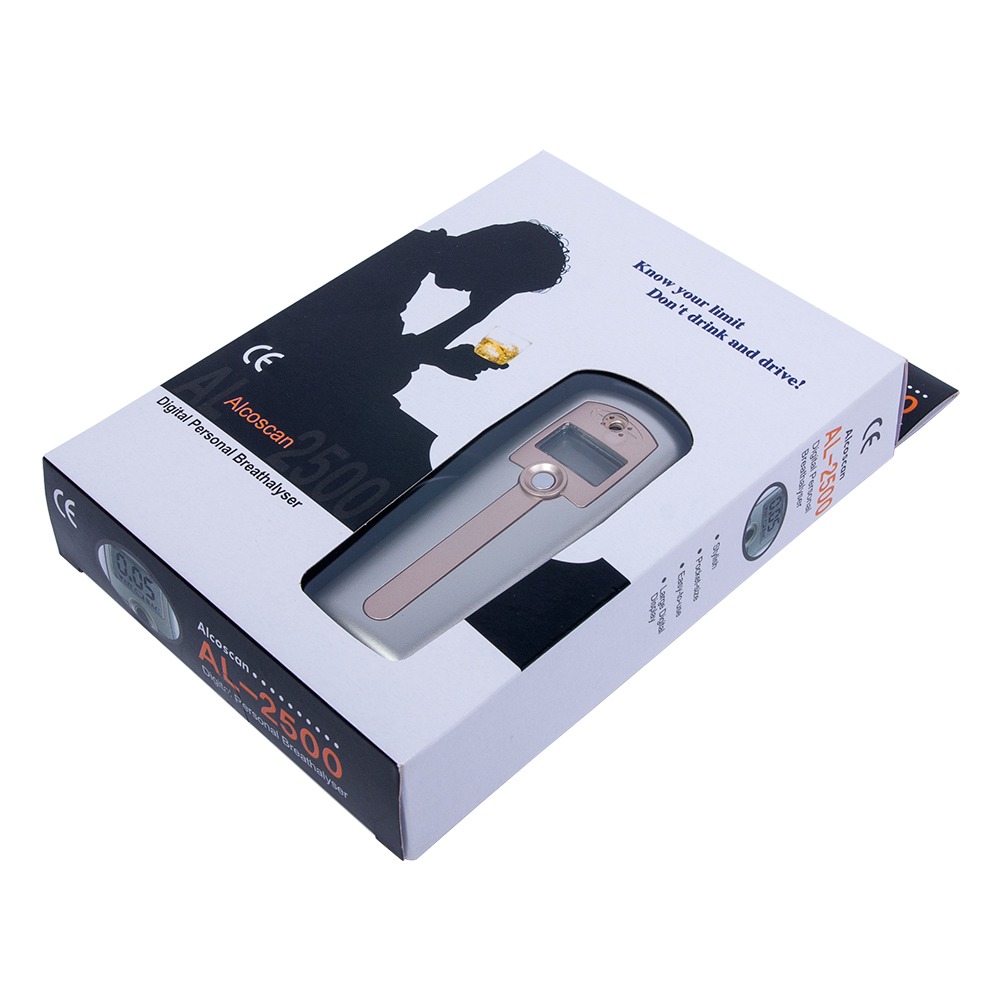
Alcoscan AL-2500
Delivery and payment
Choose your city or town to see the price with delivery there and when you can get it.
Pickup points
- Branch
- Parcel locker
Pros
- Compact and lightweight
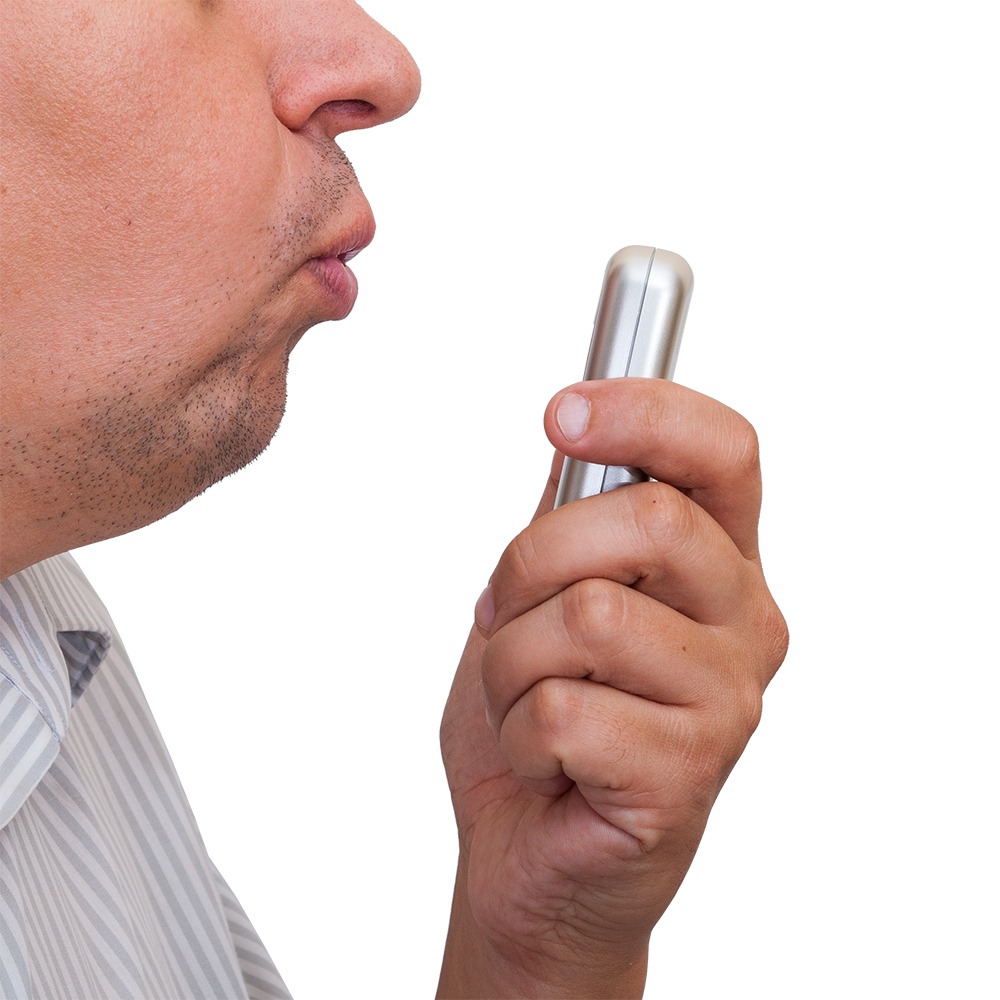
- No mouthpiece needed (convenient)
- Quick warm-up and testing
- Easy-to-understand audible alerts
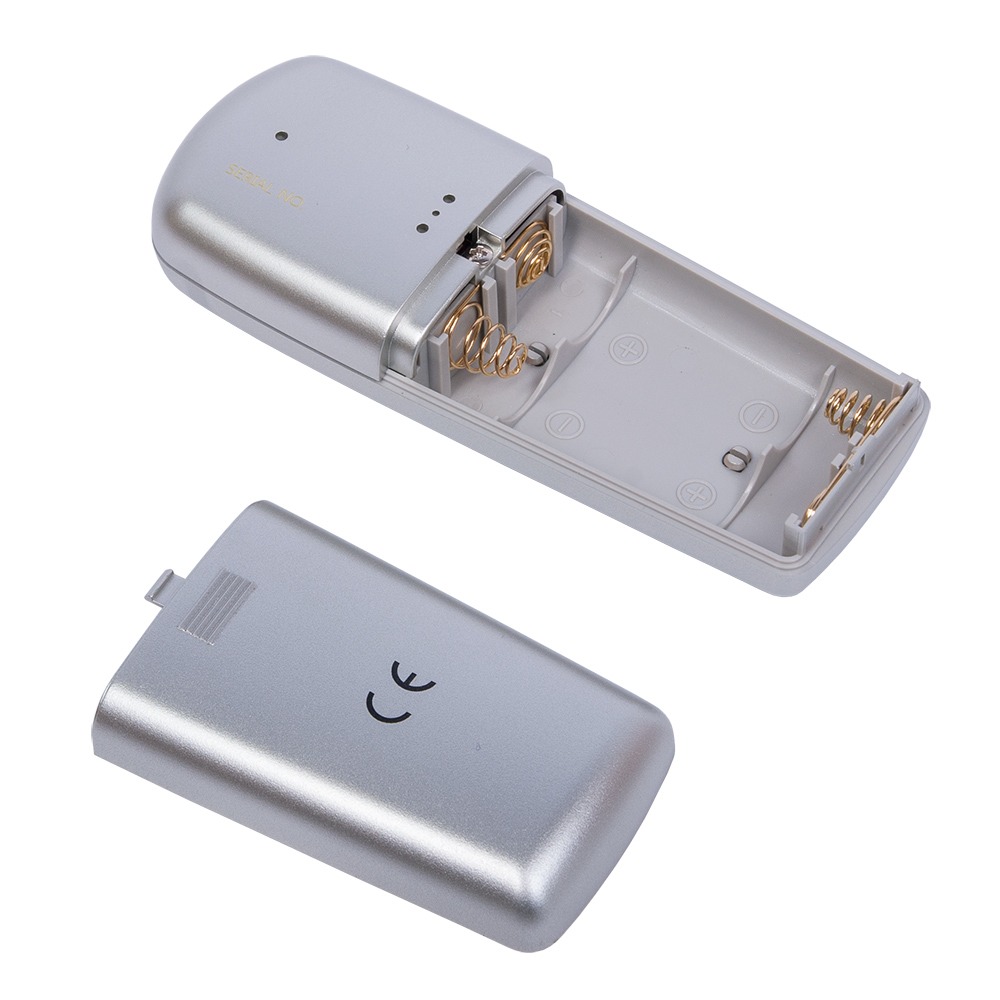
- Runs on 2×AA batteries
Cons
- Accuracy depends on conditions
- Requires regular calibration
- Not for “legal evidence”
AlcoScan AL-2500: a no-fuss sobriety check at home
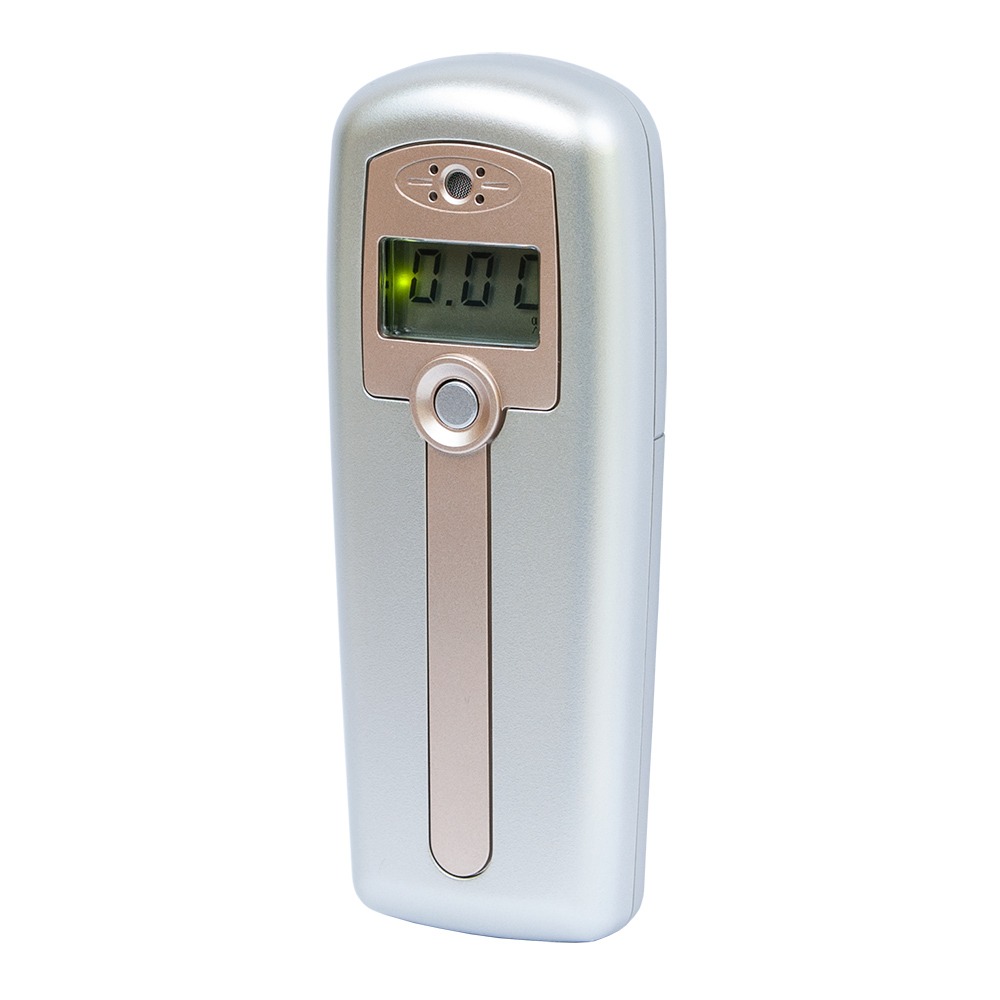
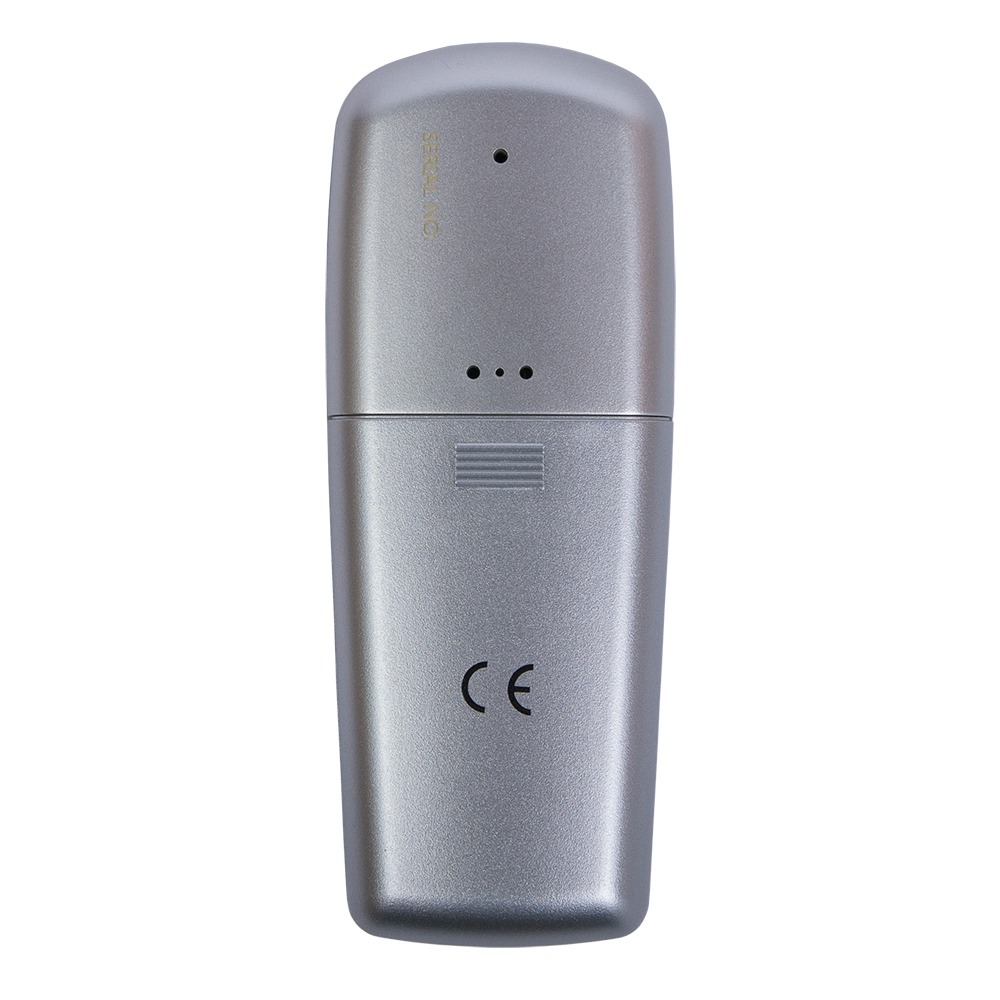
The AlcoScan AL-2500 is a personal portable breathalyzer for a quick self-check before driving, work, or a workout (when you need to answer the question “Am I good to go yet?” honestly). The model uses an oxide semiconductor sensor, runs on two AA batteries, and doesn't need a mouthpiece: you breathe directly into the sensor opening.
How to use it properly for a reliable reading
With a breathalyzer in this class, misleading results are more often caused by rushing than by the device itself. Here's a quick checklist:
- Wait 20–30 min after drinking alcohol (otherwise, it may pick up alcohol remaining in your mouth rather than from a deep breath).
- After smoking, it's best to wait a few minutes; smoke can affect the sensor and its lifespan.
- Turn on the device and wait for it to warm up: the display will show 0.00 and readiness signals will sound.
- Breathe steadily into the sensor opening for about 3–4 seconds (without short puffs or pauses).
- Get your result, usually in a few seconds. After the test, the device turns itself off or goes into standby.
A practical tip: take 2 measurements about 20 seconds apart and use the higher reading. This simple step reduces the chance of an accidentally optimistic result.
What the AL-2500 displays and how to read it
Depending on the version and market, the AL-2500 can display alcohol levels as:
- 0.00–4.00 ‰ (per mille), or
- 0.00–0.40 %BAC, or
- 0.00–2.00 mg/L BrAC.
Importantly, this is a screening device. It's useful for estimating the general level and trend (“is it falling or not?”), but its readings shouldn't be treated as exact to the hundredth in all conditions.
Accuracy, human factors, and why a mouthpiece is sometimes necessary
Semiconductor sensors are sensitive to environmental conditions (temperature and humidity), residual alcohol vapor in the mouth, other substances in the air, and even how you breathe out. The AL-2500 is therefore ideal as a personal tool for a quick check before heading out, but it's not the best choice for regularly testing different people.
If hygiene is important to you, or you plan to share the device with friends or colleagues, it makes more sense to consider versions with a mouthpiece (such as the AL2500 Elite) or models with an electrochemical (fuel cell) sensor.
Power, indicators, and everyday use
The AL-2500 runs on 2×AA (1.5 V) alkaline batteries. It has a low battery indicator, such as a “Low Battery” or “bat” message. For long-term storage, it's best to remove the batteries, a simple but effective way to prevent surprises from leaks.
Calibration: not the most exciting part, but essential
Every sensor drifts over time. Manufacturer and service recommendations for the AL-2500 typically call for calibration approximately every 6 months (sometimes also based on the number of tests, with several hundred measurements often used as a guideline). If the device suddenly starts consistently showing strange readings in otherwise obvious situations, that's an early sign it may need servicing or replacement.
Who it's for and who it isn't
- Good for: personal self-checks when you need a compact, simple, and fast device without a mouthpiece.
- Less suitable for: staff screening or frequent testing of different people; situations requiring the most repeatable accuracy; or trying to prove something to someone (other classes of devices and procedures exist for that).
Where to learn more
Additional information about the ALCOSCAN range is usually published by the manufacturer, Sentech Korea: official website.