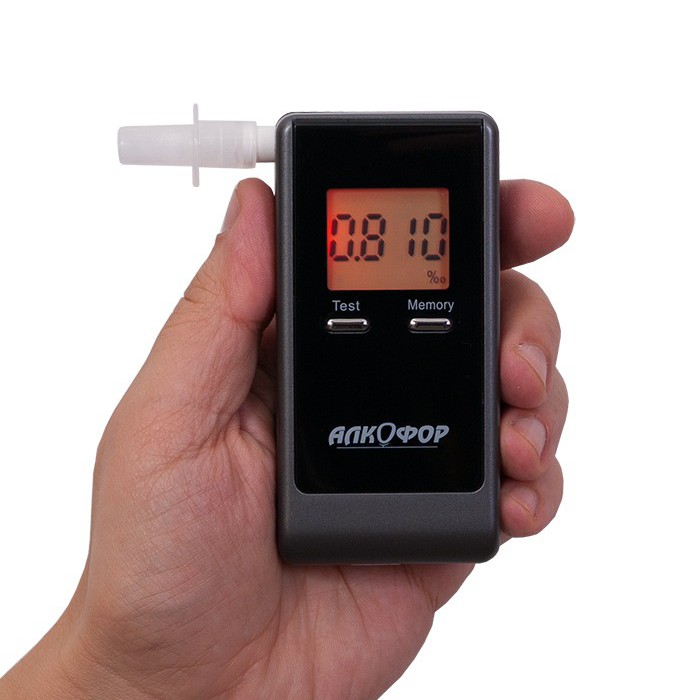
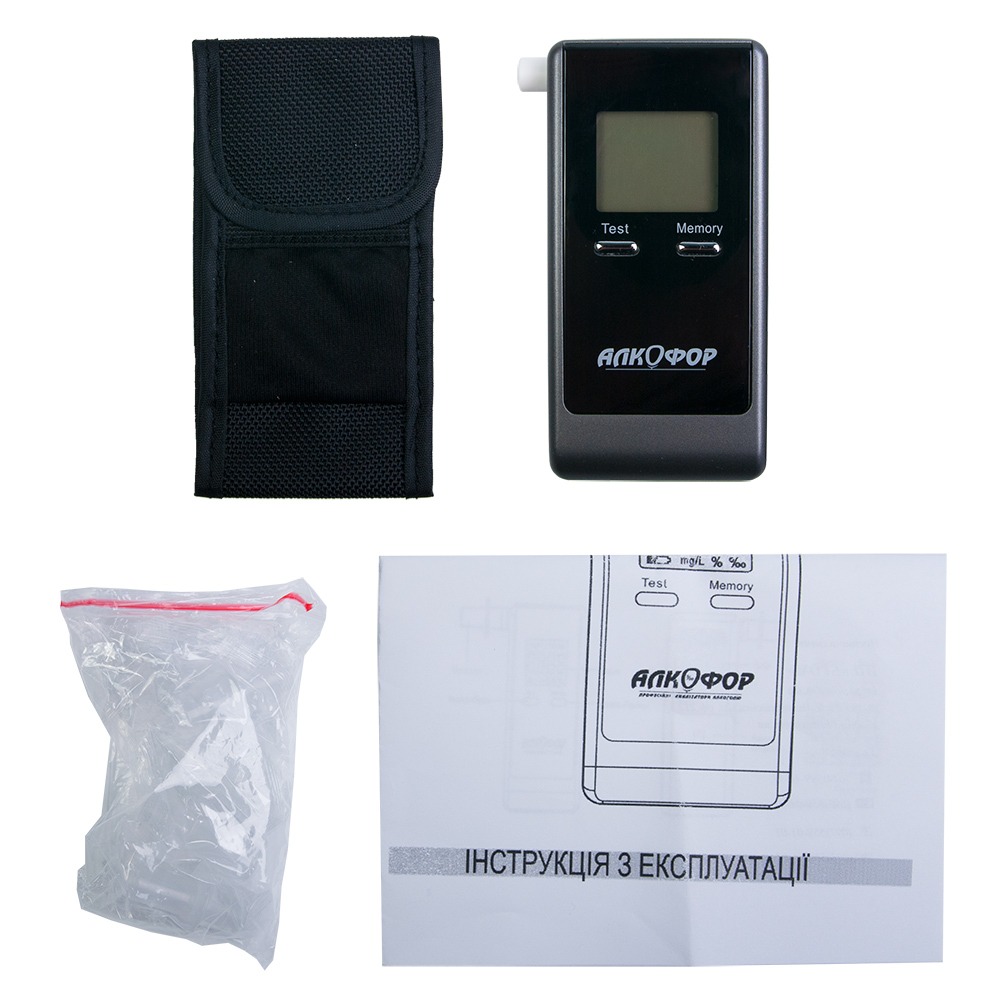
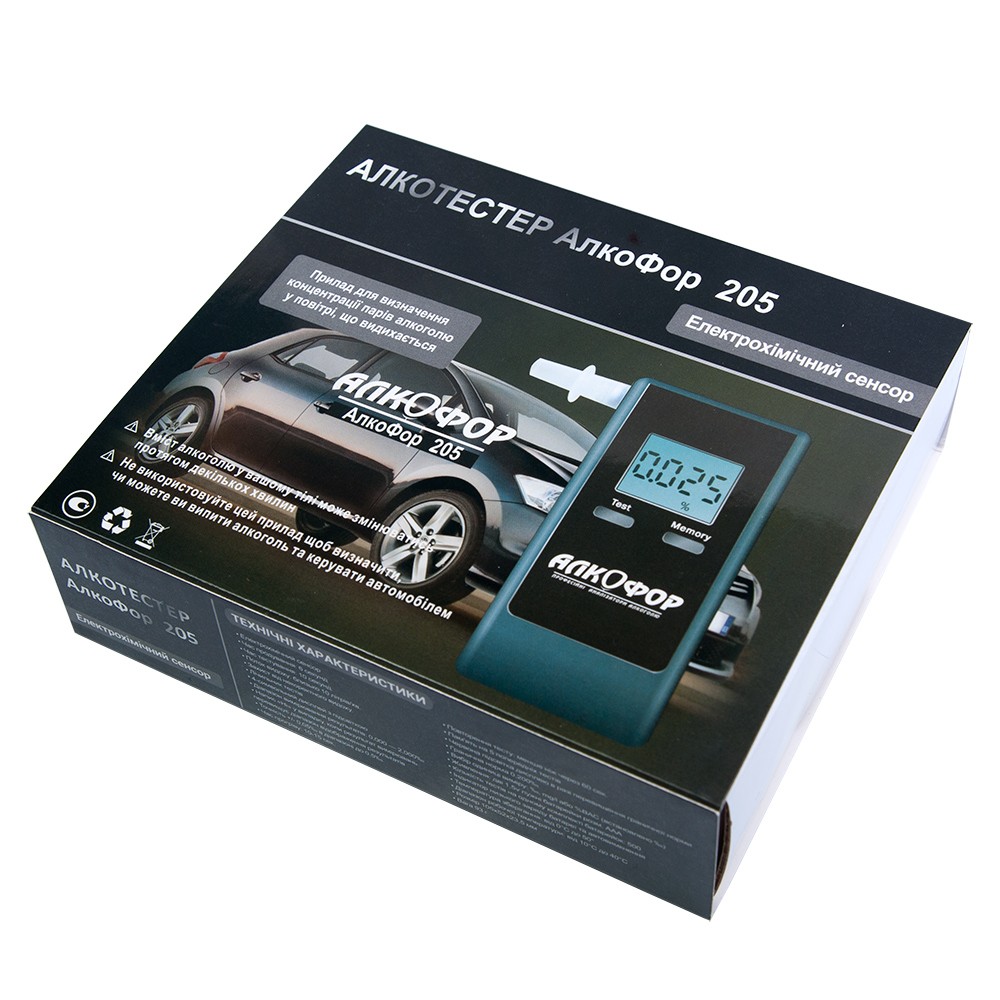
AlkoFor 205 Breathalyzer
Delivery and payment
Choose your city or town to see the price with delivery there and when you can get it.
Pickup points
- Branch
- Parcel locker
Pros
- Electrochemical sensor
- Breath flow and duration monitoring
- Memory for 5 tests
- Red backlight at the limit
- Calibration once a year
Cons
- Mouthpieces required for testing
- No PC connectivity
- Runs only on AAA batteries
AlkoFor 205: A “personal” breathalyzer fit for the workplace entrance
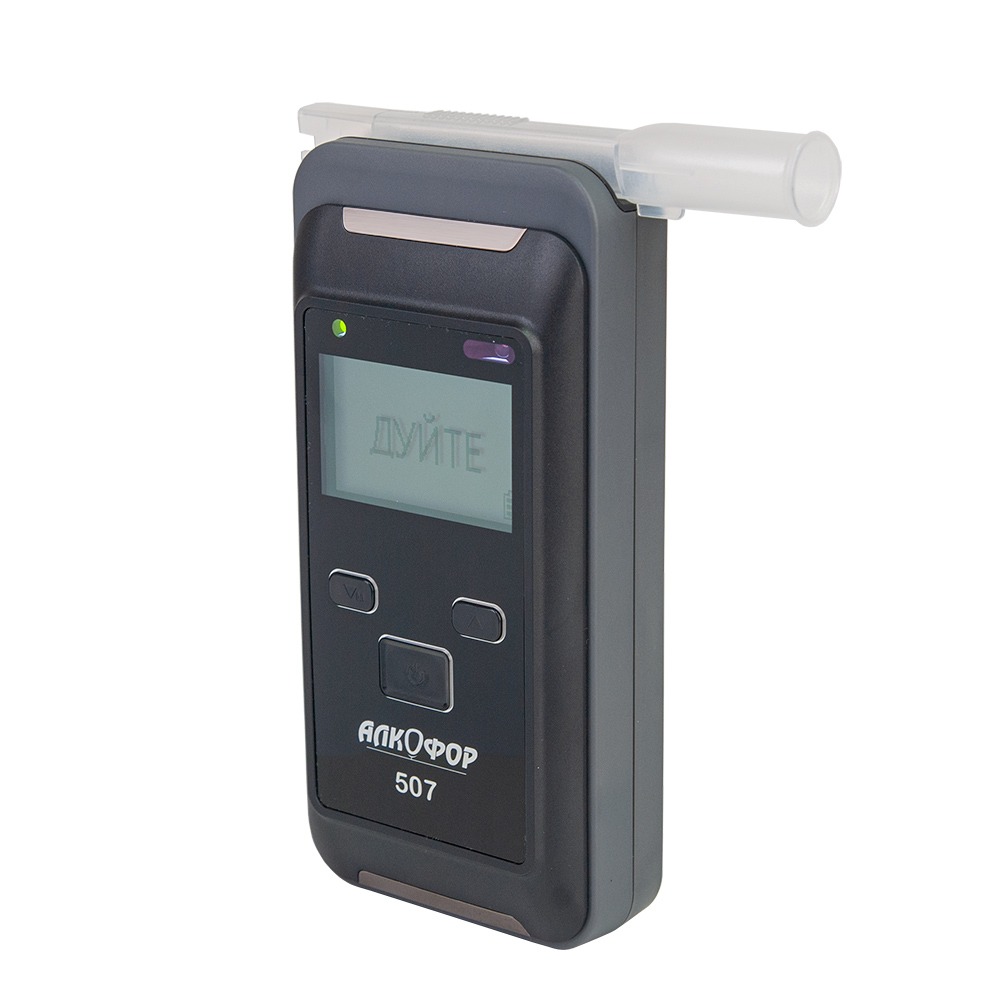
The AlkoFor 205 is a semiprofessional breathalyzer that measures ethyl alcohol vapor in exhaled air. It is typically used for checking at home whether you're really OK yet, or for employee screening at small and midsize companies that need predictable, repeatable results rather than readings that seem to change on a whim.
The model's key feature is its electrochemical sensor, which is generally more selective for alcohol than inexpensive semiconductor alternatives and better suited to regular testing. It still needs calibration, though.
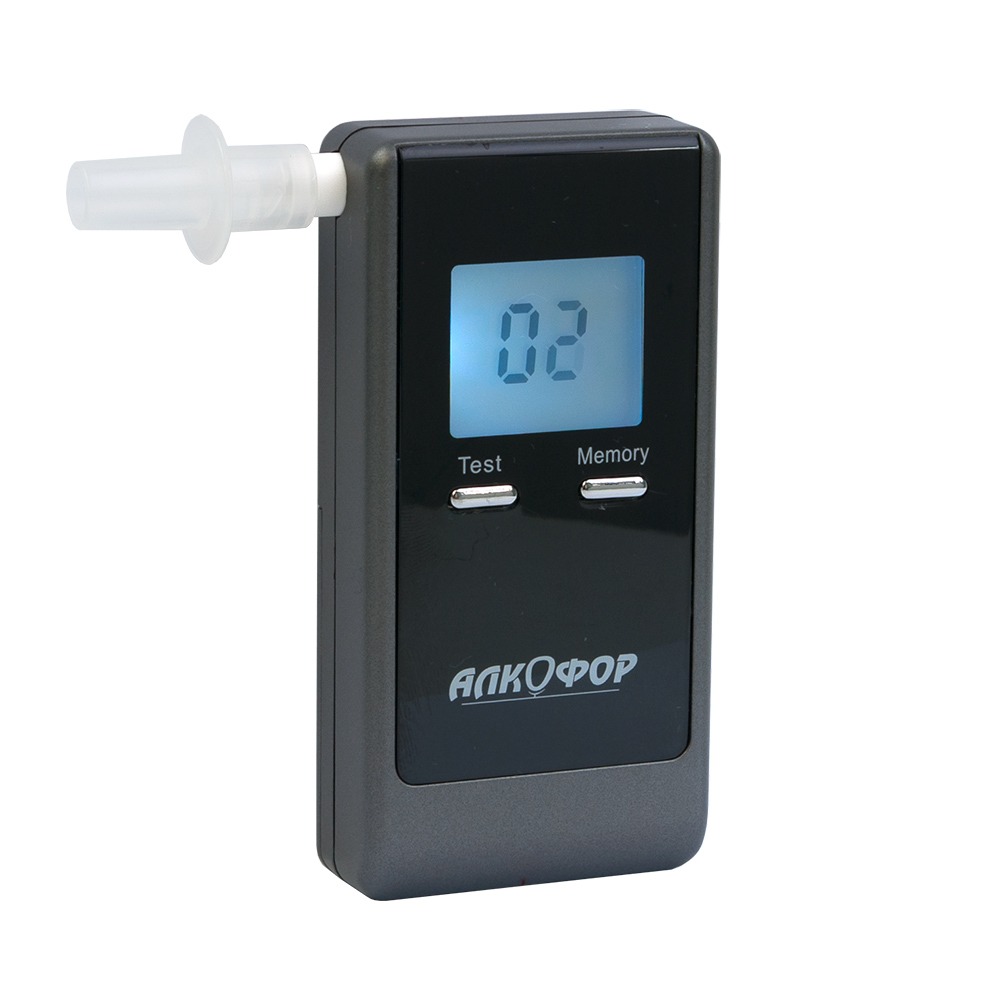
How the test works: Quick, but thorough
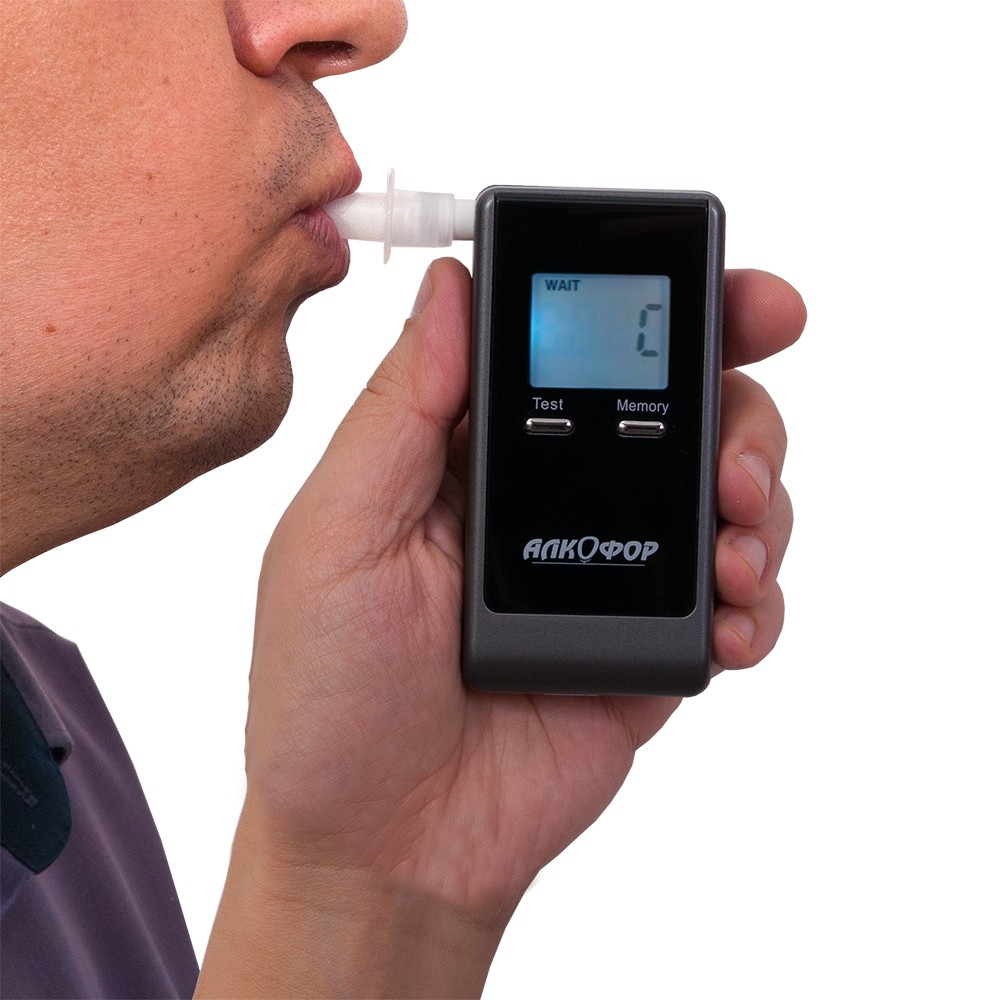
The process is straightforward: attach a mouthpiece, turn on the device, and wait for the countdown (preparation takes about 10–15 seconds). When a message such as “BLOW” appears, breathe out steadily for about 6 seconds. The device then analyzes the sample for about 15 seconds and displays the result for approximately 20 seconds.
Importantly, the AlkoFor 205 takes a sample at the end of the breath and monitors flow and duration. If the breath is weak or interrupted, or you run out of time, you'll get an error such as “Err”. That's a good thing: the anti-cheating feature is more than just window dressing.
The manufacturer recommends waiting about 20 minutes after drinking alcohol and about 3 minutes after smoking before testing. Otherwise, residue in the mouth can cause an elevated reading that doesn't reflect your actual condition.
Accuracy, range, and thresholds: What the numbers on the screen mean
The device uses per mille (‰) by default, but you can switch the units to mg/L or %BAC. The display resolution is 0.01, so it shows hundredths.
The measurement range is up to 2.00‰, although the device can display values up to 2.5‰. Above that, it shows an out-of-range message. The lower display threshold is 0.06‰: anything below that often appears as though there is nothing significant to report. This is a display characteristic, not proof of zero alcohol in the blood.
There is also a limit of 0.20‰, a typical threshold in Ukraine; rules may differ in other countries. If the reading exceeds it, the display lights up red, making it clear even to someone who isn't fully awake.
Features that are genuinely useful: Memory and test counter
The AlkoFor 205 stores the last 5 results, making it easy to check the trend or show a colleague that the reading really is falling. It also has a test counter, which helps track usage and maintenance.
Another advantage for shared use is breath validity monitoring, which checks flow and duration. It won't detect every trick found online, but it helps prevent basic attempts to pretend to blow.
Mouthpieces and hygiene: Keeping the breathalyzer from becoming a shared cup
The included mouthpieces have a one-way valve for hygiene and proper sampling. If several people use the device, disposable mouthpieces are a must.
Another option is the brand's system with a base mouthpiece and disposable mouthpiece tubes. It can significantly reduce costs when testing a group regularly. The tubes are usually sold in packs, with each one individually sealed. The official accessory page has a description and compatibility information for the 205 model: AlkoFor mouthpiece tube.
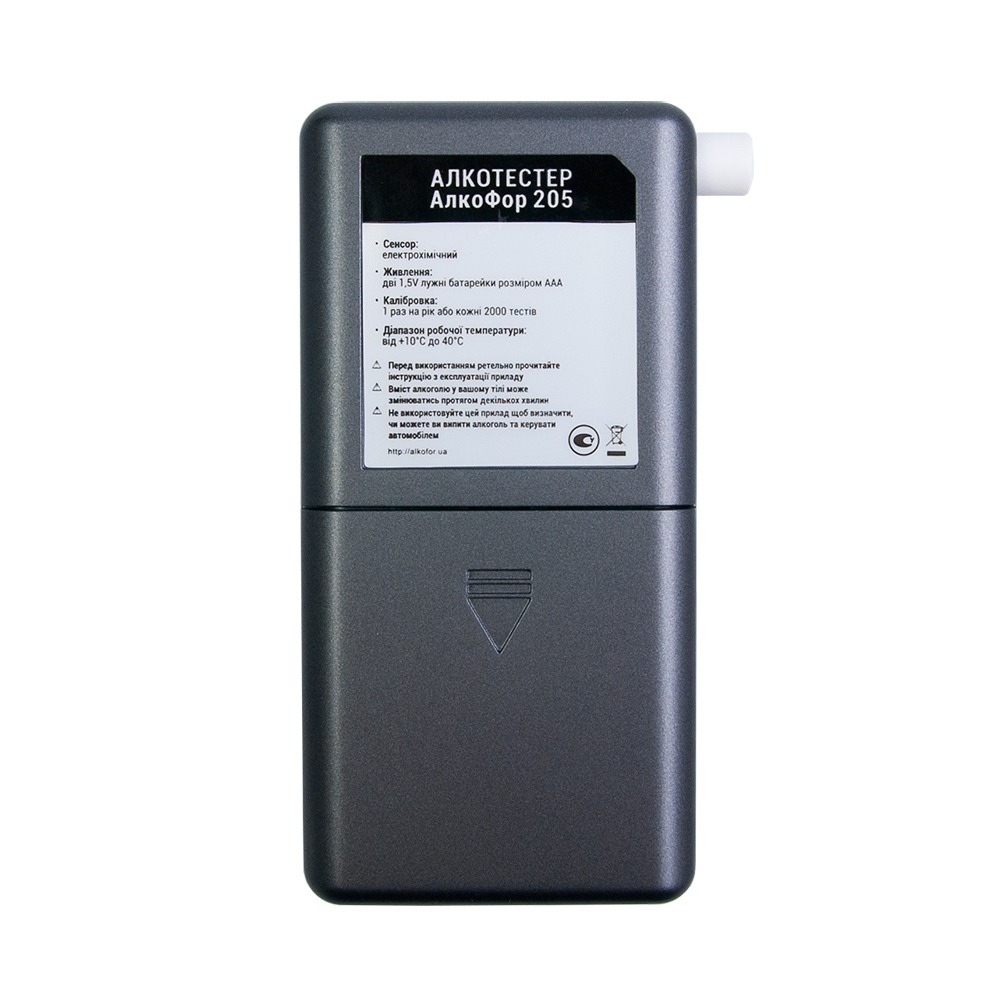
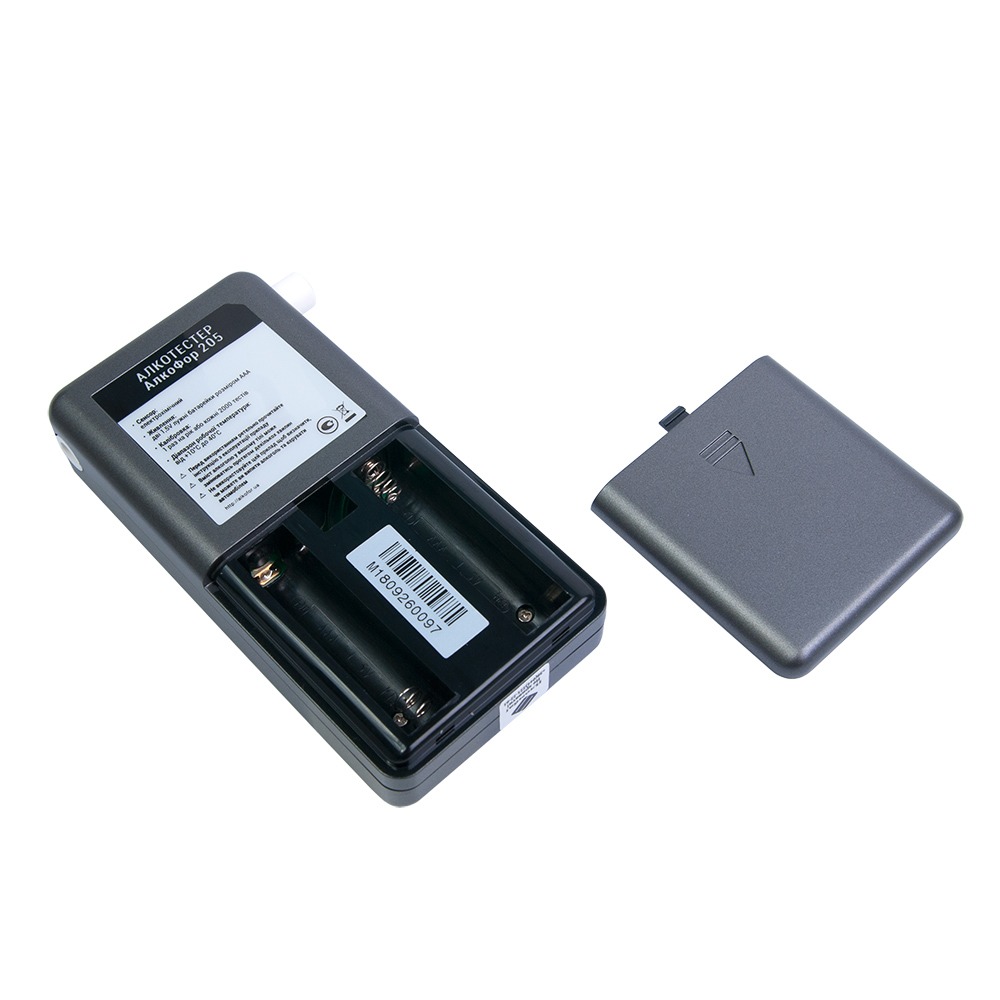
Power, battery life, and the everyday details that matter
The device runs on two 1.5 V AAA alkaline batteries and has a low battery indicator and automatic shutoff. It is rated for up to 500 tests on one set of batteries. That's a long time for personal use; for workplace screening, it means manageable scheduled replacements.
Calibration and verification: The key to accuracy
The AlkoFor 205 needs calibration at least once every 12 months or every 2000 tests, whichever comes first. This isn't just marketing: an electrochemical sensor's characteristics change over time, and calibration brings the device back within proper limits.
The model is presented as a measuring instrument with documentation and certification meeting Ukrainian requirements. Details about the model, documentation, and service are available on the official page: AlkoFor 205 on alkofor.ua.
One important caution: even a good breathalyzer is a monitoring tool, not a guarantee that it's safe or legal to drive. Results are affected by the time since drinking, residual alcohol in the mouth, smoking, and whether calibration is up to date.