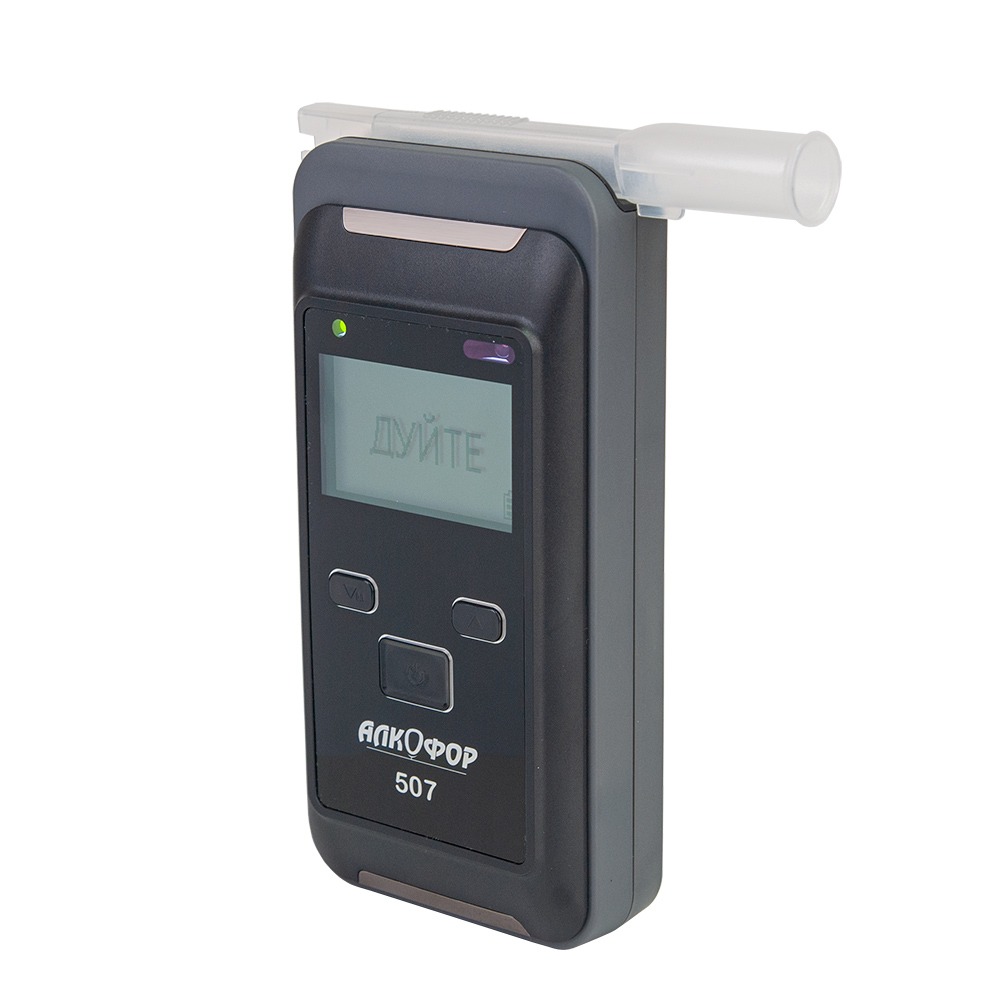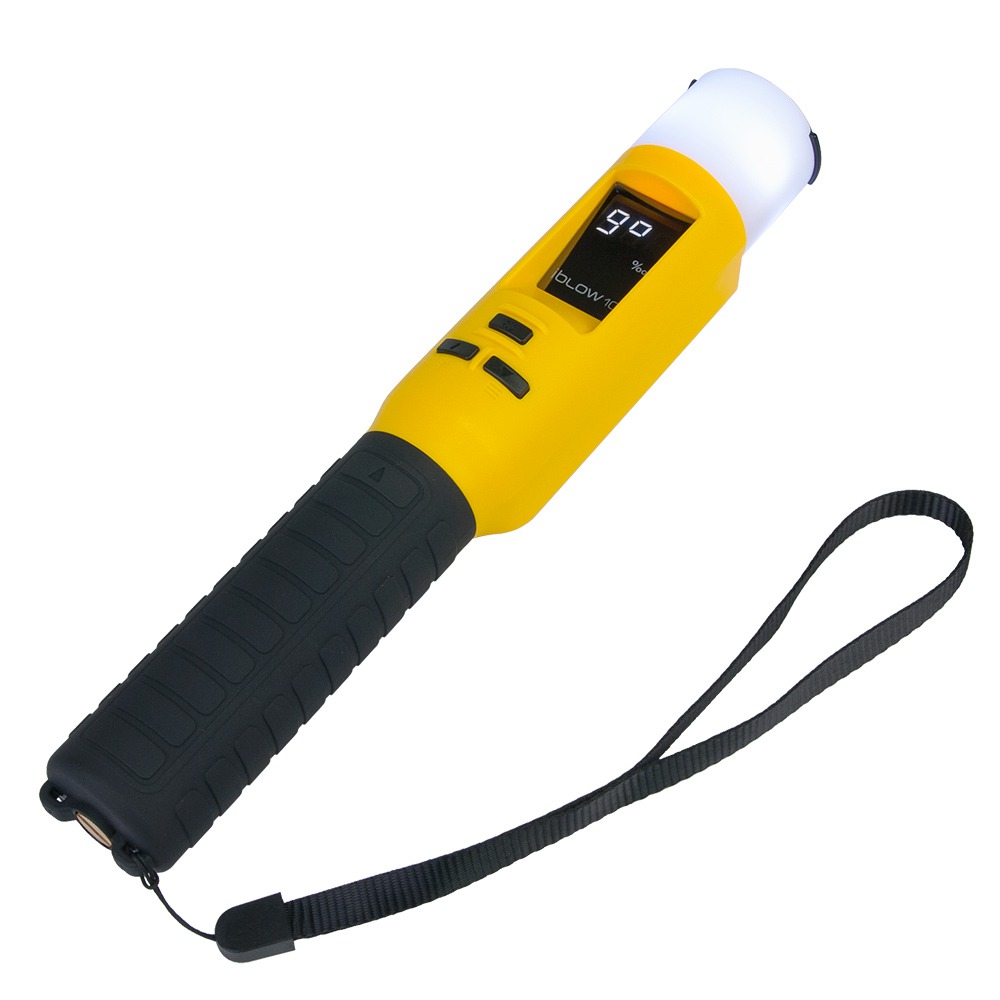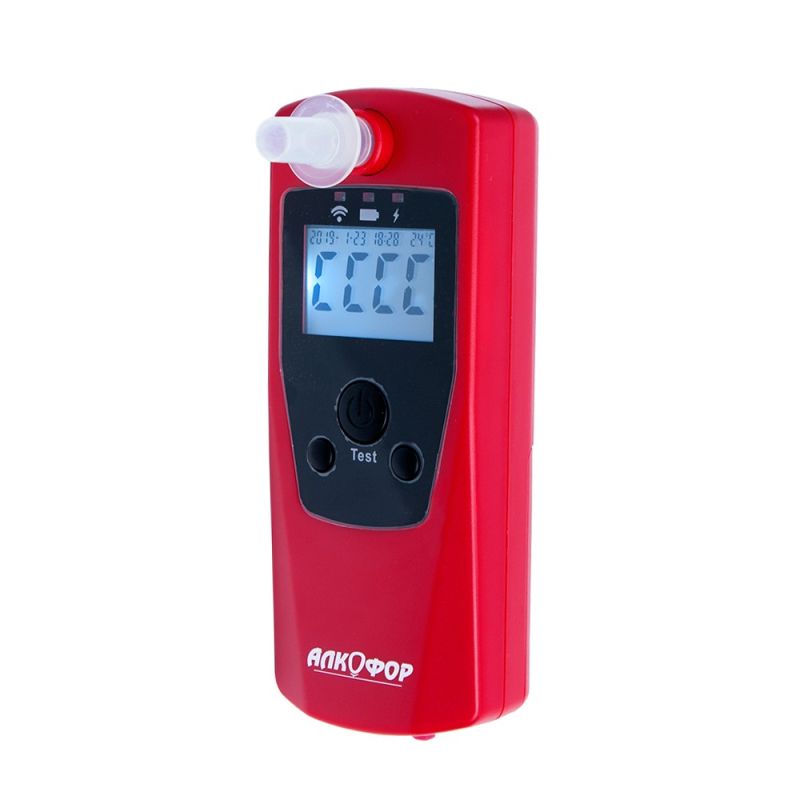
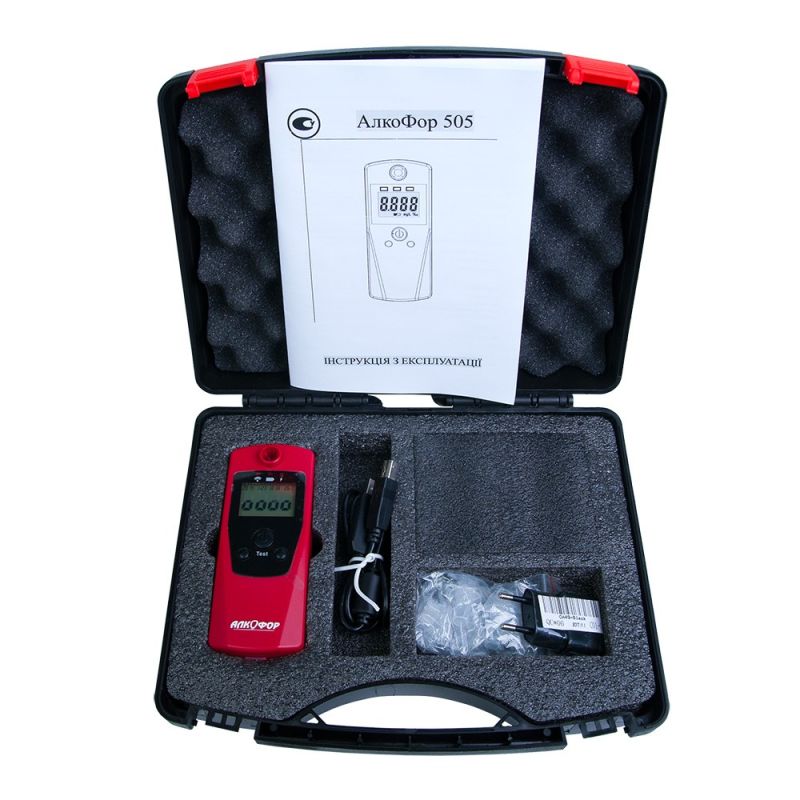
AlkoFor 505 Breathalyzer
Delivery and payment
Choose your city or town to see the price with delivery there and when you can get it.
Pickup points
- Branch
- Parcel locker
Pros
- Electrochemical sensor (fuel cell)
- Memory for 4000 tests
- Active and passive modes
- USB export of results to a PC
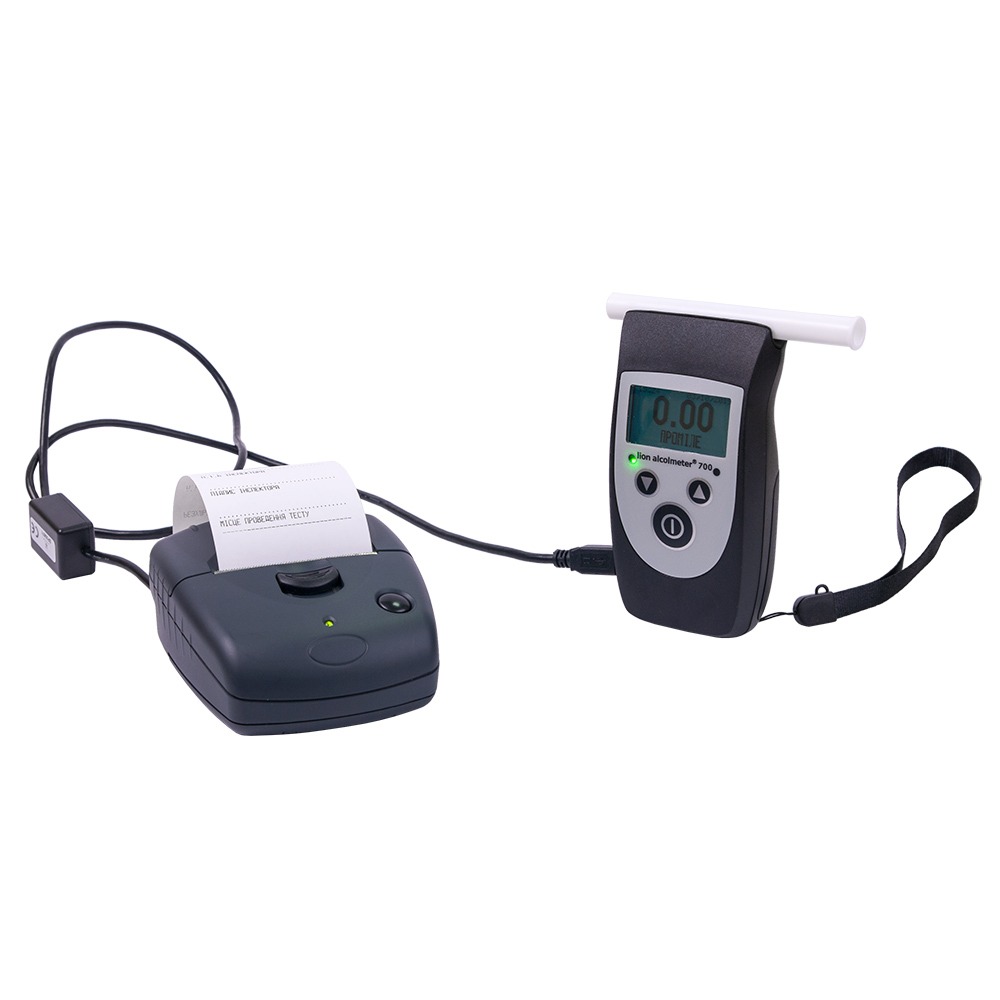
- Printer support
Cons
- Requires annual calibration
- Works best with original mouthpieces
- Pricey for home use
AlkoFor‑505 Breathalyzer: when you need numbers, not impressions
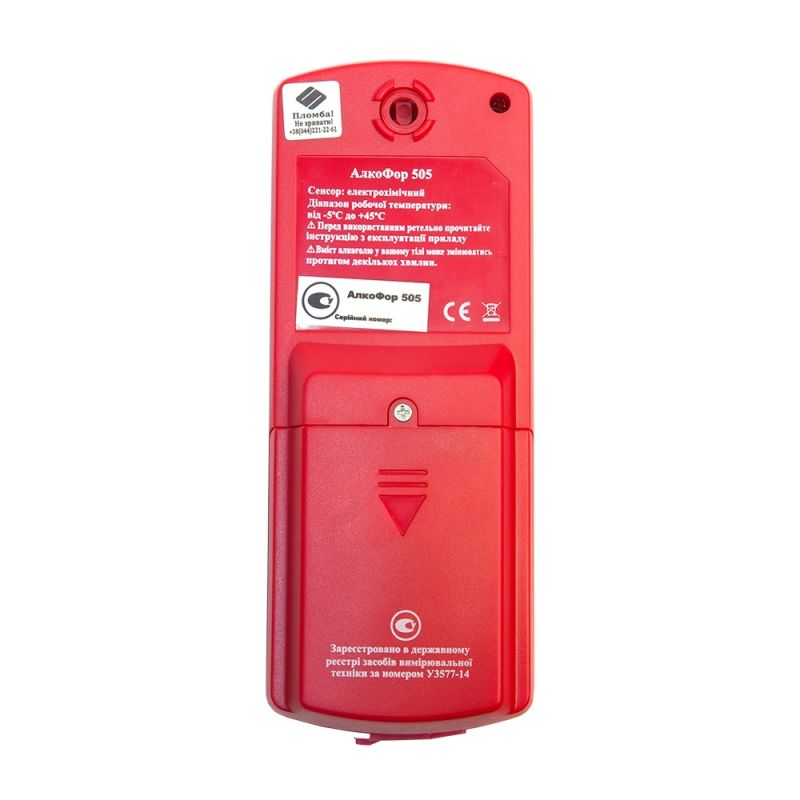
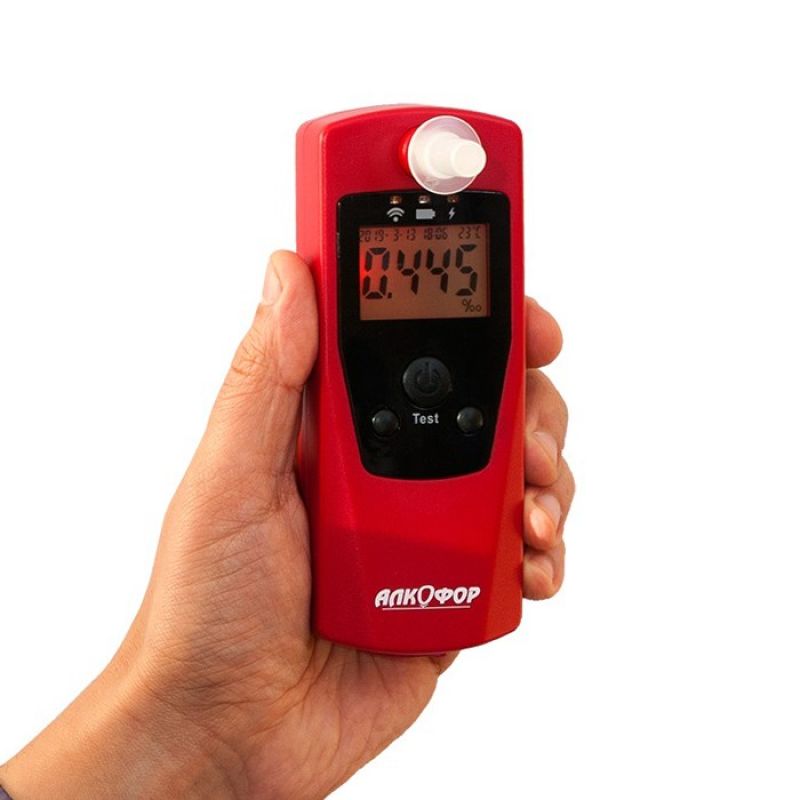
The AlkoFor‑505 is a portable professional breathalyzer with an electrochemical sensor (fuel cell), typically used where systematic monitoring is needed: businesses, transportation, workplace safety, medical checks, and on-site screenings. It is not a party gadget, but a tool that can keep a test log, transfer data to a computer, and print a receipt on a mobile printer when needed.
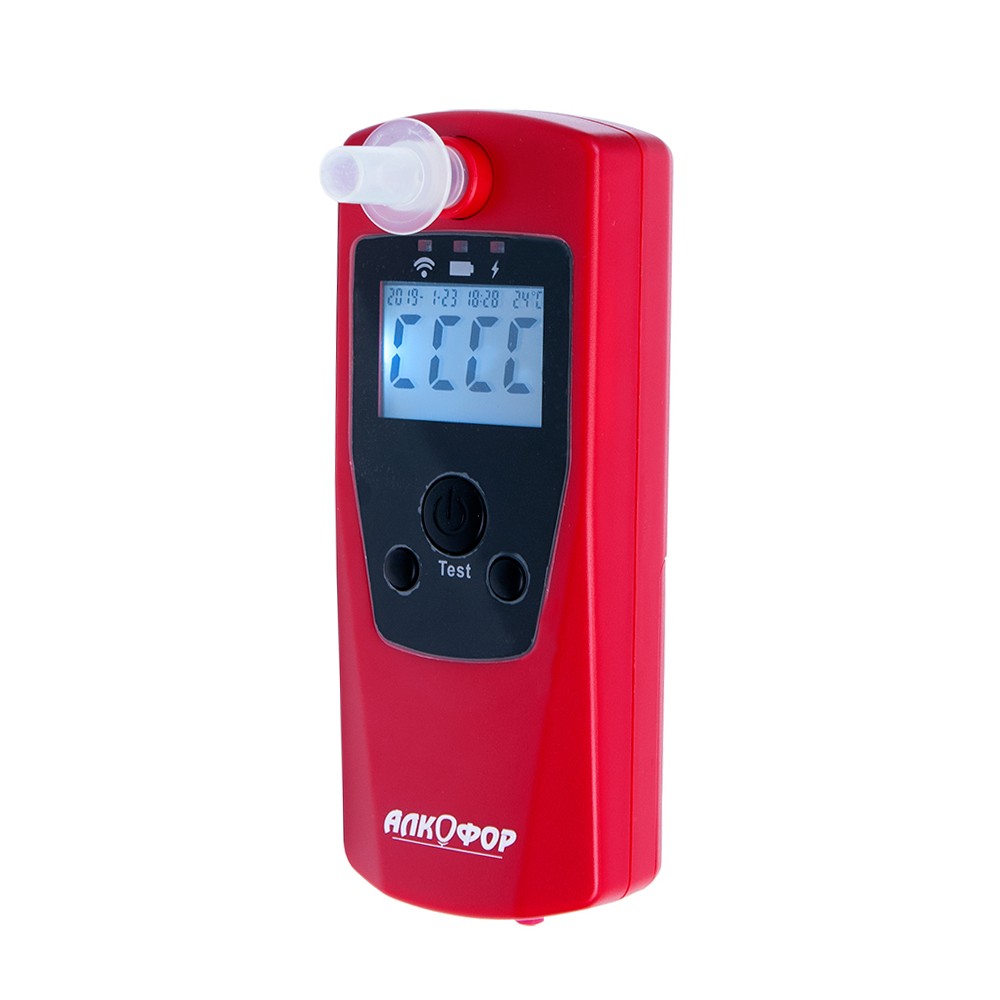
Sensor and range: what you are paying for
The key difference between the AlkoFor‑505 and mass-market home models is its electrochemical sensor. It does a better job of filtering out interfering substances, such as certain vapors and solvents, and delivers more consistent repeat measurements.
The measurement range is 0.000–4.000‰, and the lowest value the device displays is 0.06‰. If the result exceeds the upper limit, HI appears.
How a test works: quick, but with a procedure to follow
The device is ready in approximately 6 seconds. The test itself takes up to 10 seconds, and the breath sample takes about 5 seconds. It checks for a proper exhalation: if the breath is too weak, interrupted, or too short, the device stops the test and displays an error, typically Er-b.
Allow at least 60 seconds between tests. This is standard practice for professional breathalyzers: the sensor needs time to clear the previous sample.
Active and passive modes: an important distinction
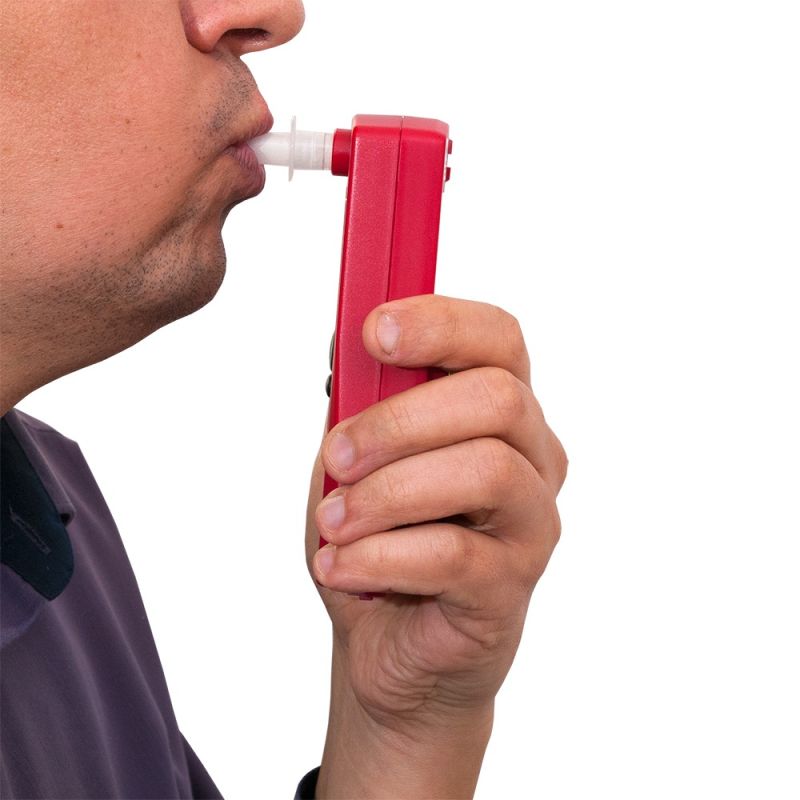
Active testing is the standard method: use a mouthpiece, blow into it, and measure a sample from the end of the exhalation, closer to alveolar air.
Passive testing requires no mouthpiece and is used to check ambient air or for quick, contactless screening. But there is a detail sellers often overlook: passive-mode results do not equal the alcohol concentration in deep-lung air. Passive mode indicates whether alcohol is present nearby; it is not a basis for drawing conclusions about a person's condition.
Memory for 4000 tests, date, time, and temperature for a reliable record
The AlkoFor‑505 stores up to the last 4000 measurements. The log records the date, time, mode (Active/Passive), result in per mille, and temperature. This is practical for businesses, making internal monitoring possible without a coffee-stained notebook.
USB, software, and printer: turning a measurement into a record
Results can be transferred to a computer via USB. Official software and separate connection instructions are available; the instructions also describe -PC- mode and the UPLD data upload. Note that data transfer requires device firmware V1.5 or later; updates are usually performed by a service center.
Official model page: AlkoFor‑505 on alkofor.ua. USB connection instructions: PDF “Connecting the AlkoFor 505 via USB”.
Another bonus is support for an AlkoFor mobile printer, with receipts up to 177 mm long. This is convenient for on-site checks: the result is immediately available on paper, without taking a phone photo of the screen.
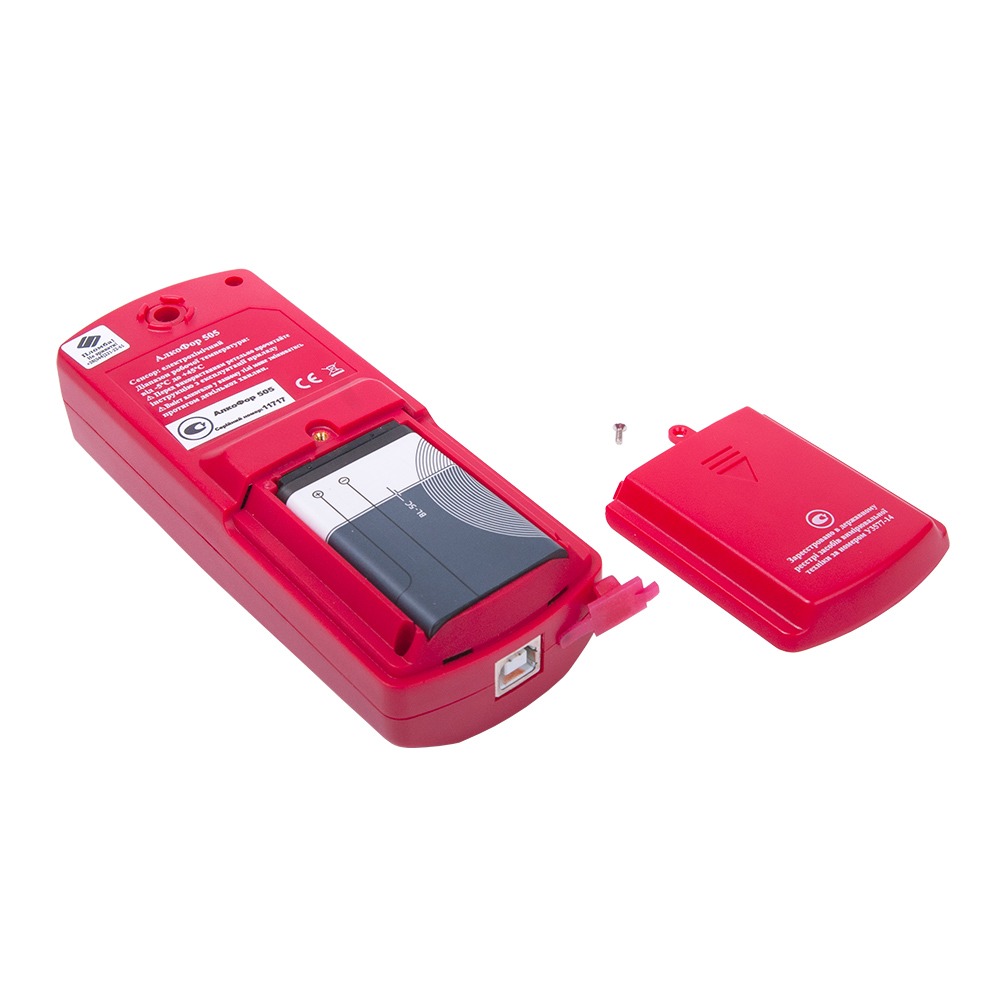
Power: BL‑5C and USB charging
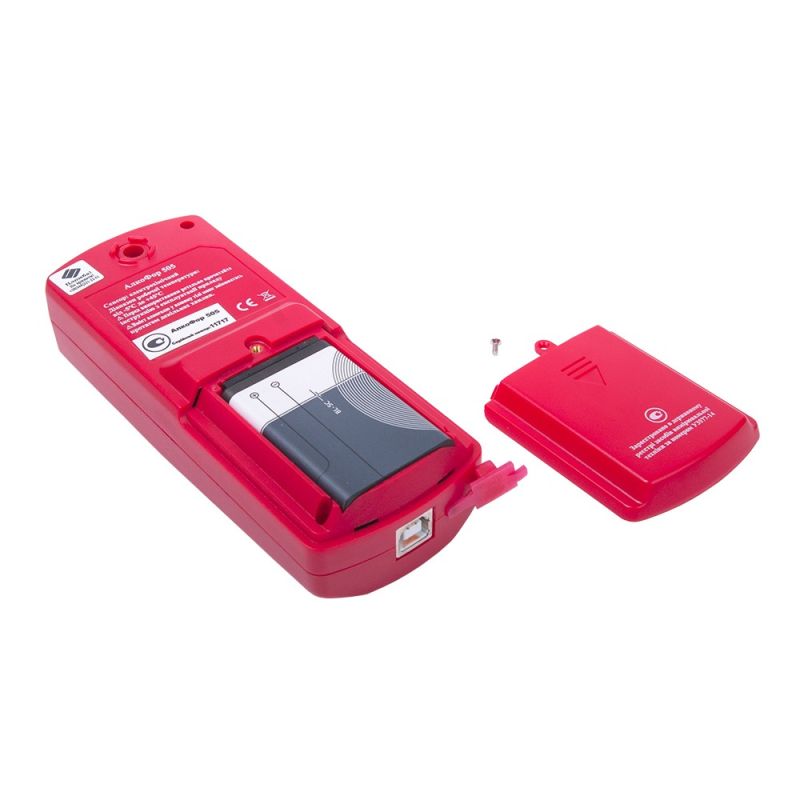
The device runs on a BL‑5C (3.7 V) Li-ion rechargeable battery and charges via USB. It can also be powered by a USB cable. A low battery indicator and auto power-off are small features that save trouble in everyday use.
Maintenance: annual calibration is essential for accuracy
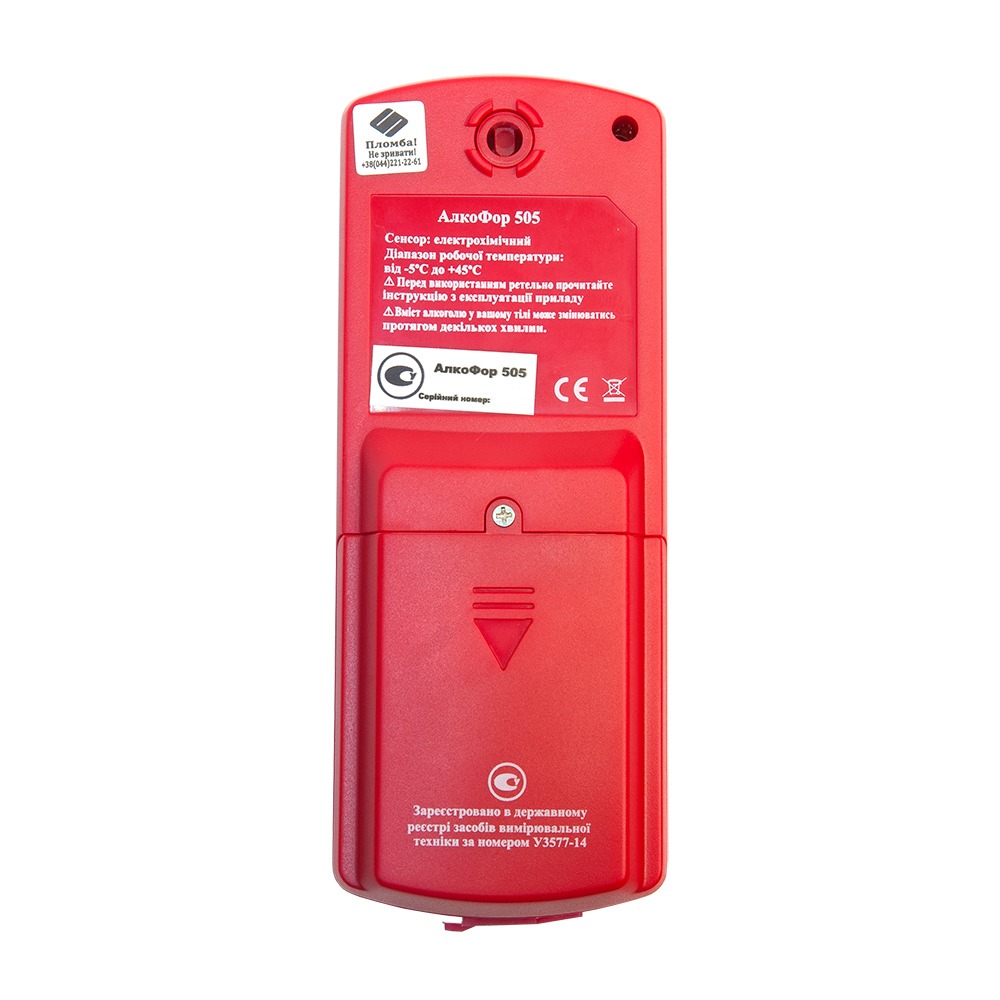
The AlkoFor‑505 should be calibrated once every 12 months. If you need readings you can trust rather than just a reading for the record, do not ignore the service interval. In professional use, this is as routine as verifying a scale or thermometer.
Who it suits and who it does not
A good fit if you need regular staff checks, logging, reporting or printing, verification of proper breath samples, and operation over a wide temperature range (−5 to +45 °C).
Not the best choice if you just want to check after a glass and do not plan to service the device or follow a consistent testing procedure. Professional breathalyzers reward proper care with consistent results.
Tips for more reliable readings
A quick checklist that can make a real difference to the result:
• do not test immediately after a drink; allow time, preferably 15–20 minutes, for any alcohol in the mouth to dissipate;
• use a new mouthpiece for each person;
• blow steadily, without starting prematurely;
• repeat the test after a minute if the result is critical;
• do not subject the device to extreme cold or heat; it will warn you, for example, with a temperature error.
One important point: a breathalyzer is a monitoring tool, not a free pass. If in doubt, do not drive, even if the screen displays a reassuring 0.00.