Flus CO-910
Delivery and payment
Choose your city or town to see the price with delivery there and when you can get it.
Pickup points
- Branch
- Parcel locker
Pros
- Electrochemical CO sensor
- Fast reading updates
- Audible warning of dangerous levels
- Backlight and large LCD
- Compact body for spot checks
Cons
- Does not replace a fixed alarm
- Measures only carbon monoxide
- Sensor has a limited service life
It doesn't “sniff” gas; it shows you the numbers
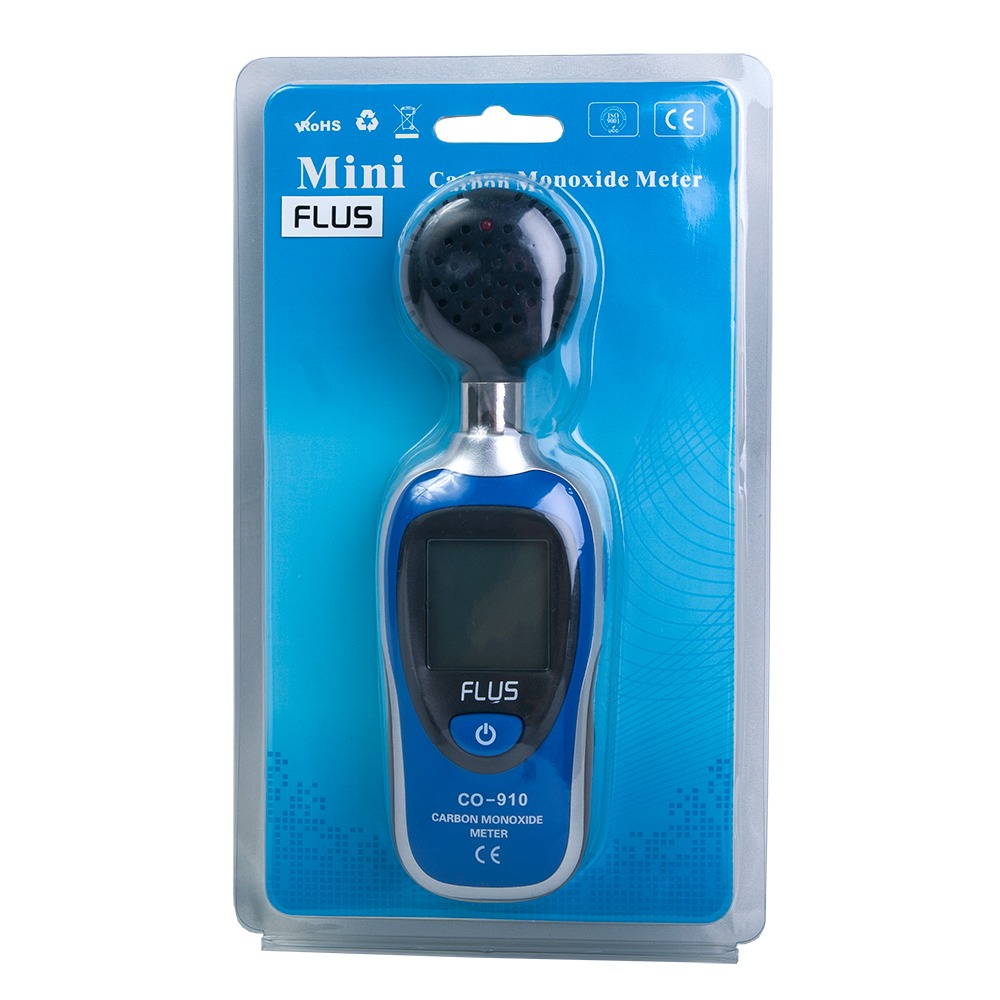
The Flus CO-910 is a portable carbon monoxide concentration meter designed for quick air checks wherever there is a risk of incomplete fuel combustion: near a boiler, stove, fireplace, gas water heater or generator, or in a garage, workshop or utility room. Carbon monoxide has no smell or color, so relying on your nose is a plan with a very bad ending. The device displays the actual CO concentration on the screen in ppm.
Inside is a stabilized electrochemical sensor designed for approximately five years of use. The measurement range is 0–1000 ppm, with a resolution of 1 ppm. That's enough not only to spot a problem but also to compare readings at different points in a room.
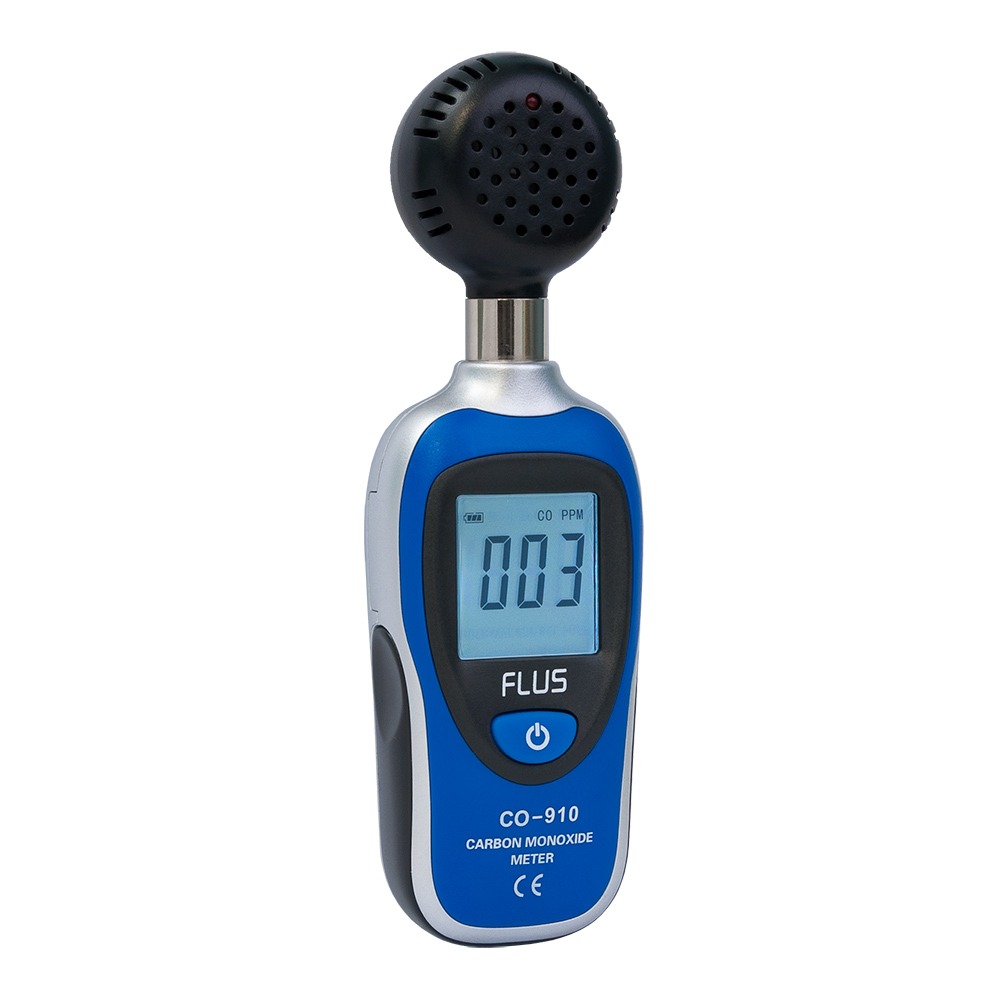
Works quickly without complicated menus
Controls are straightforward: one power button, a large LCD screen and a CO concentration reading. The Flus CO-910 updates its readings twice per second, and its stated response time is less than 30 seconds. The device automatically sets its zero point when switched on, so start it outdoors in fresh air or somewhere you know there is no carbon monoxide.
The screen has a backlight for working in a dark boiler room, basement or garage. The backlight turns off after about 30 seconds of inactivity, and the device itself turns off after 15 minutes, helping prevent battery drain if it's forgotten on a shelf.
An alarm that's hard to ignore
When the CO level exceeds 35 ppm, the CO-910 emits an intermittent audible signal. At concentrations above 200 ppm, the audible alert becomes continuous. This is useful when looking for a source: the device not only shows a number but also lets you monitor changes in the level without looking at the screen every second.
If the detector signals a dangerous concentration, don't continue checking “just for another minute.” Leave the room, ventilate it, avoid using the potential CO source and contact the appropriate emergency or service personnel.
Useful for finding the problem
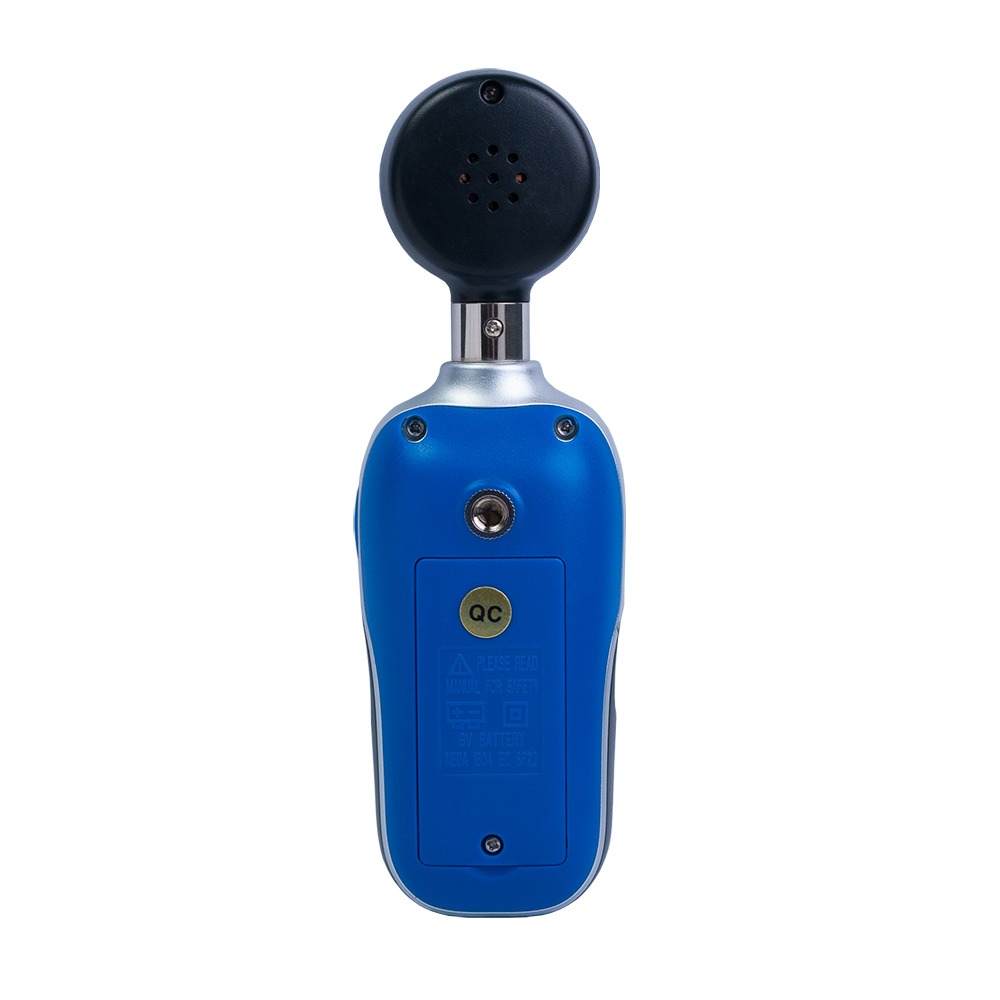
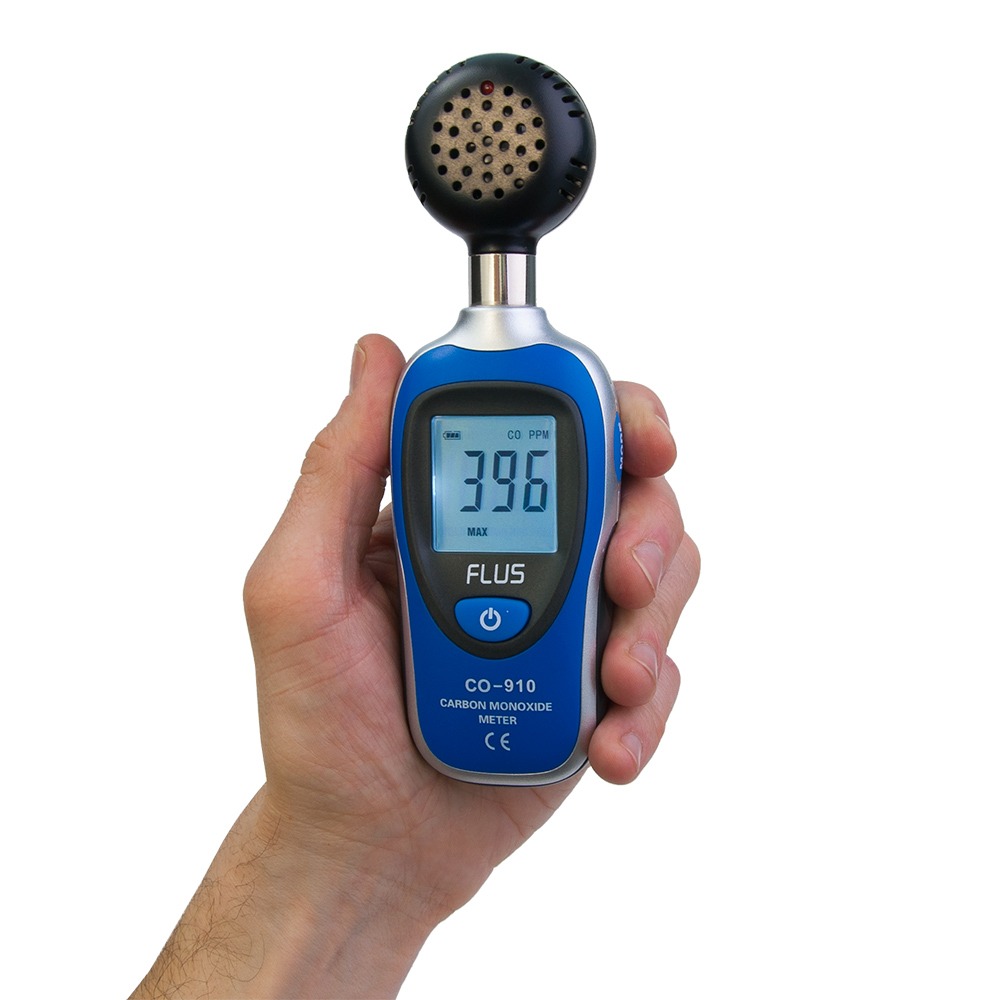
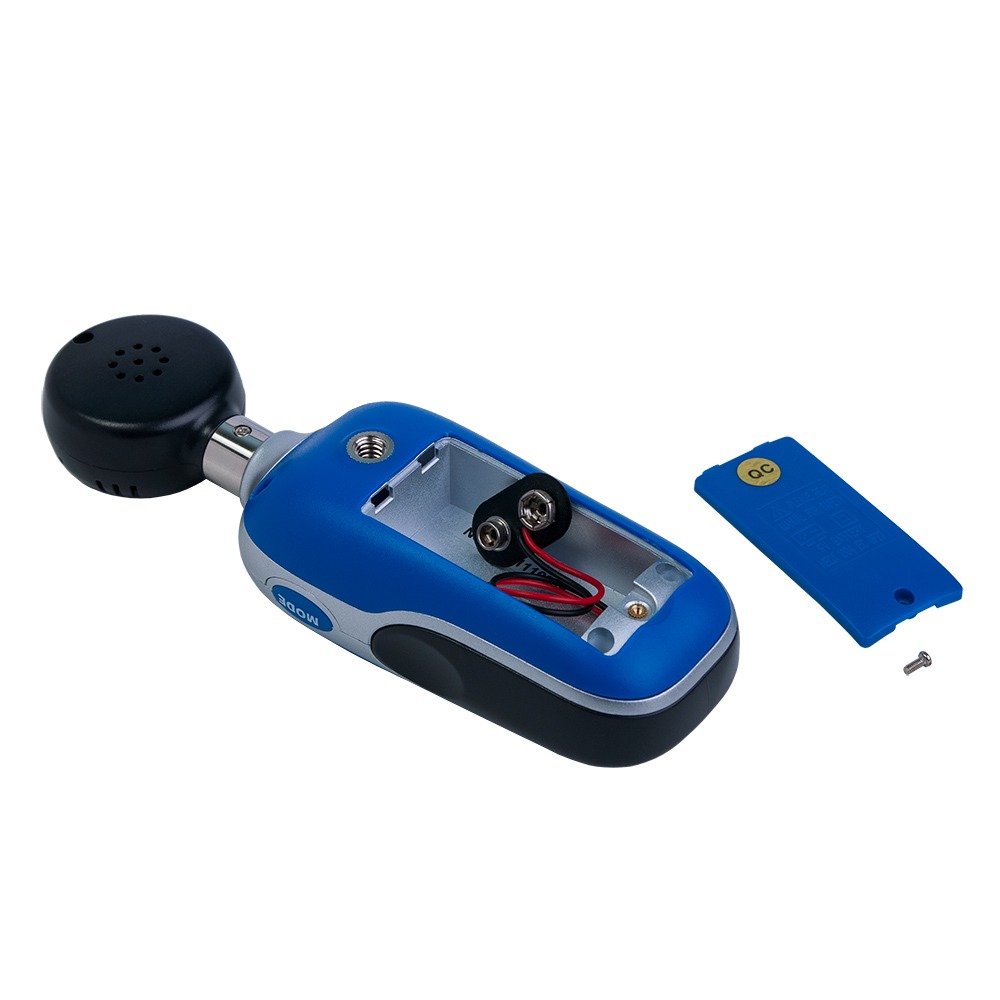
The Flus CO-910 can hold the current reading on the display and show the maximum concentration recorded since it was switched on. This is practical when checking a room: you can inspect the area near the burner, chimney joints and vents, and compare where the readings are highest. A 1/4-inch threaded socket lets you mount the device on a tripod for longer monitoring at a specific point.
An important point before you buy
The CO-910 is a measuring device for manual checks, not a fixed home alarm that monitors the air around the clock. It's useful for diagnosing heating equipment, checking ventilation and finding a source of carbon monoxide, but continuous home protection requires a separate certified stand-alone CO alarm.
The device also does not detect natural gas, propane or butane leaks, or smoke; it responds specifically to carbon monoxide. If you need a straightforward tool for periodic checks of potentially hazardous areas, the Flus CO-910 does its job without unnecessary frills: turn it on, check, read the numbers and draw your conclusions.