Wireless headphones
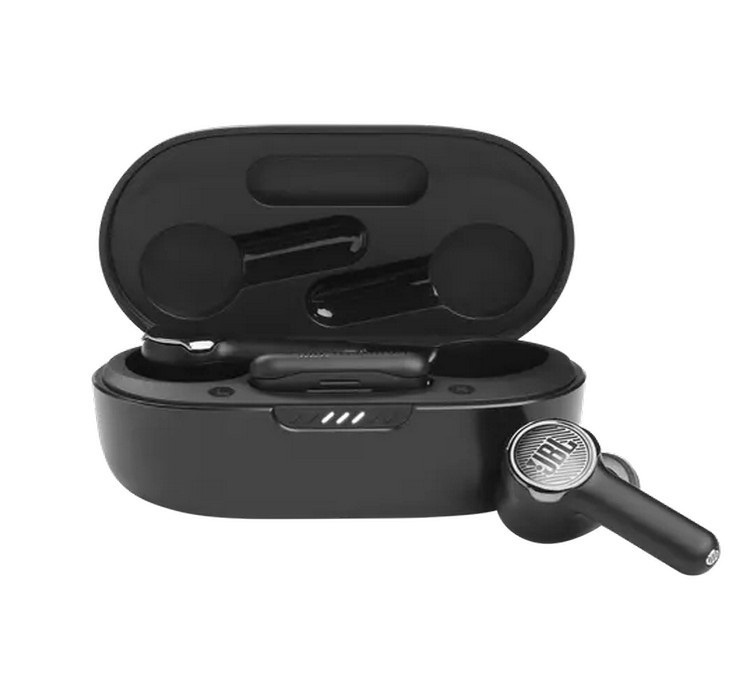
JBL Quantum TWS
5999 ₴
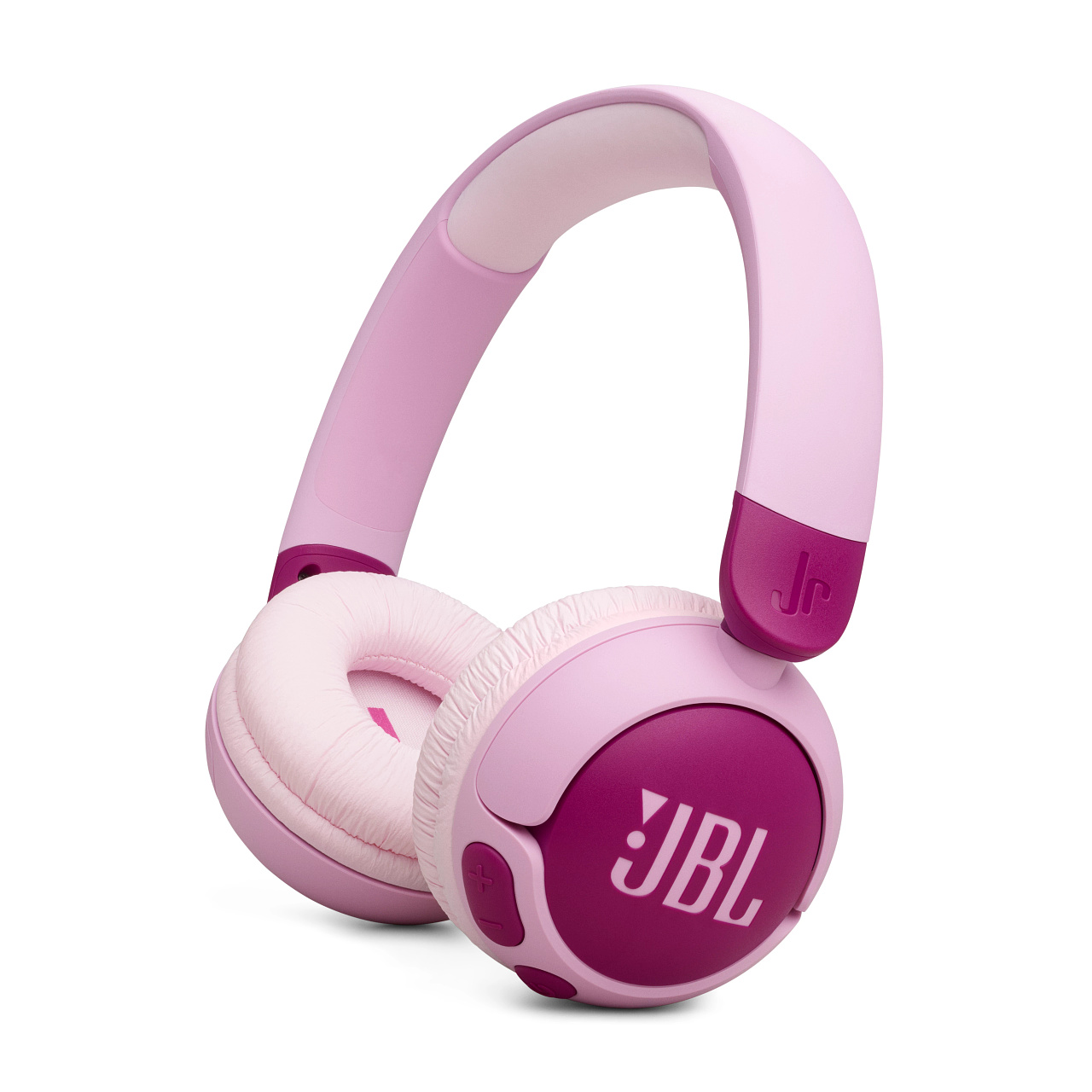
JBL Jr 320BT
1399 ₴
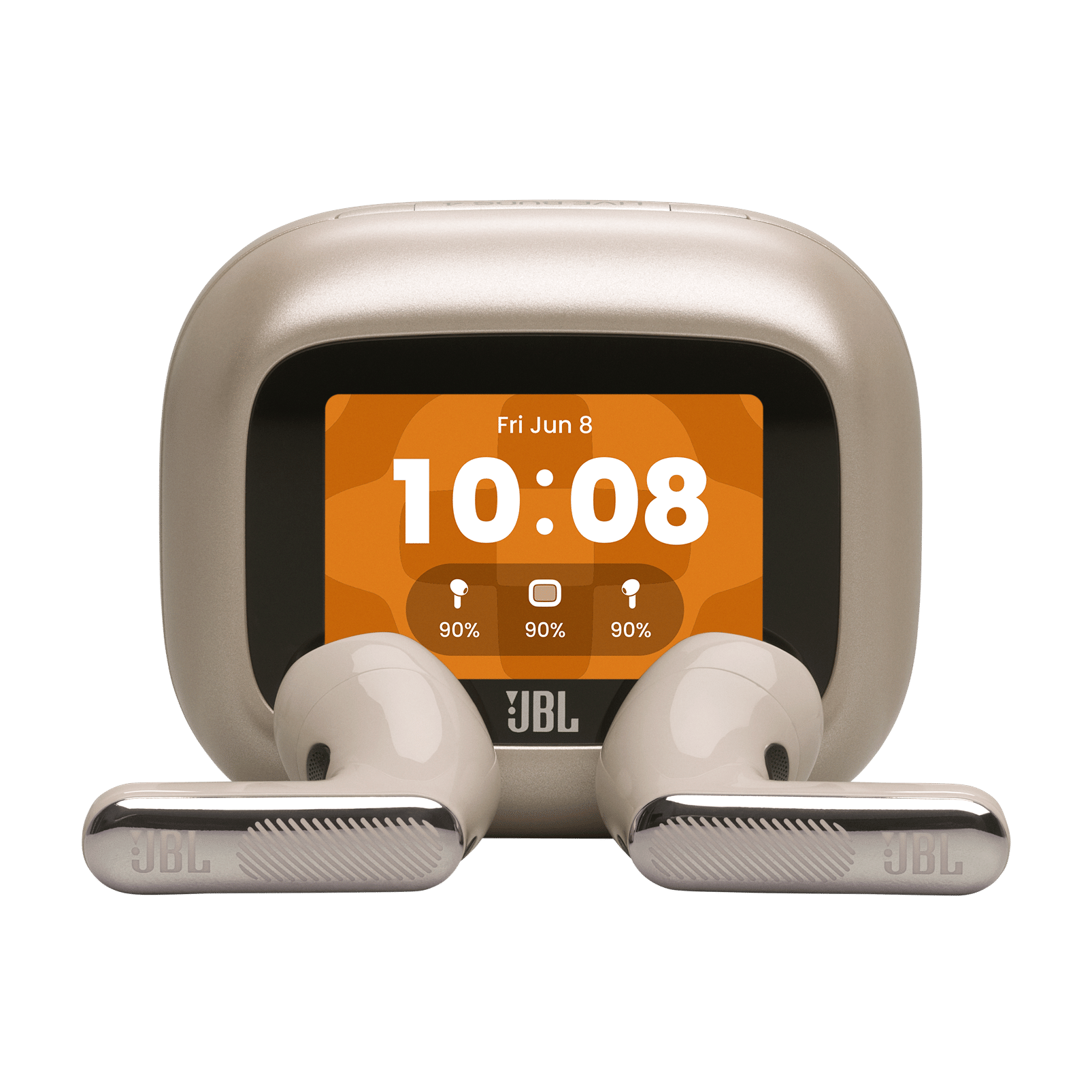
JBL Live Flex 4
9499 ₴
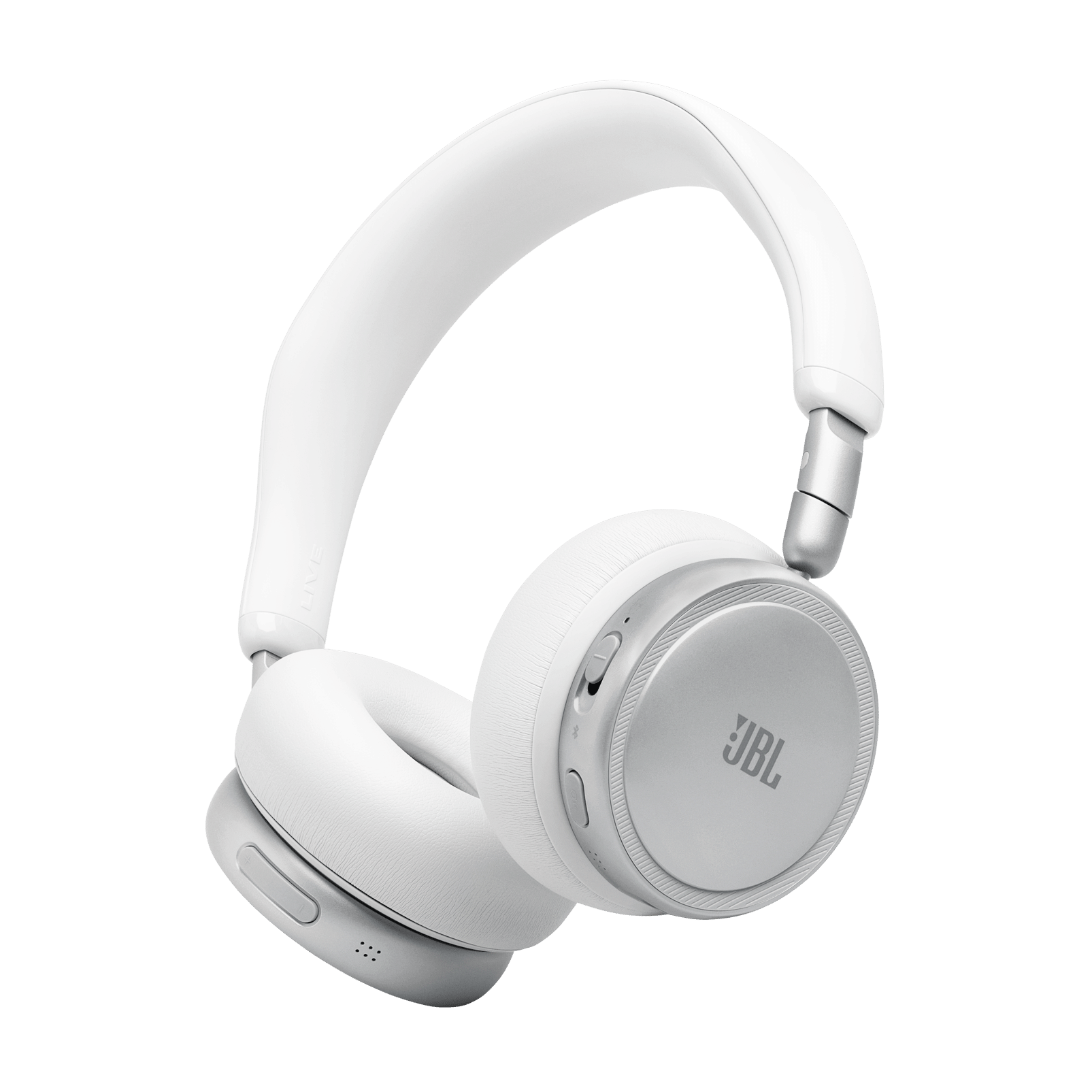
JBL Live 680NC
3999 ₴
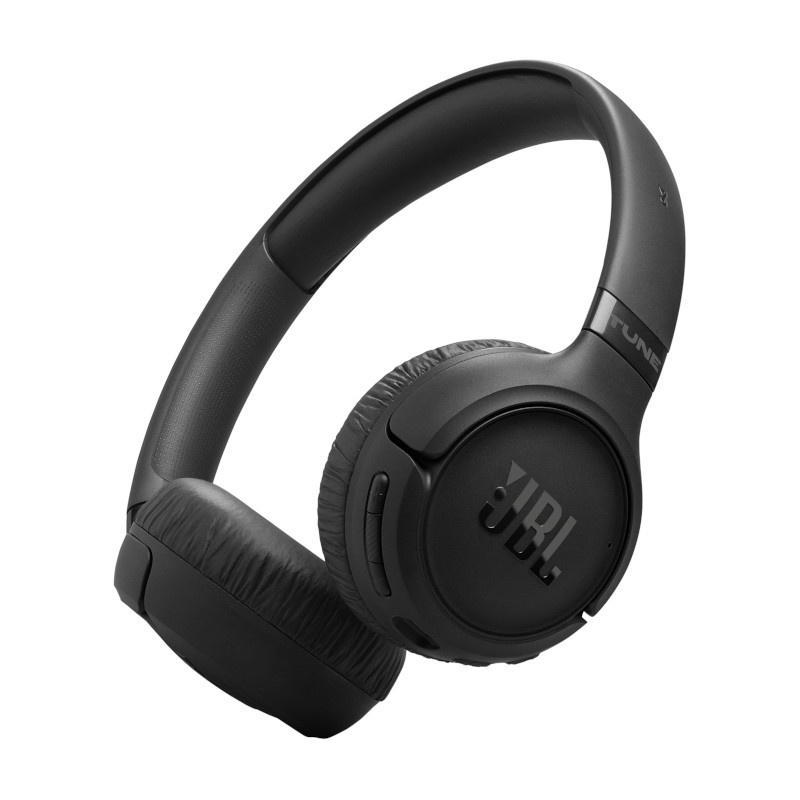
JBL Tune 680NC
2999 ₴
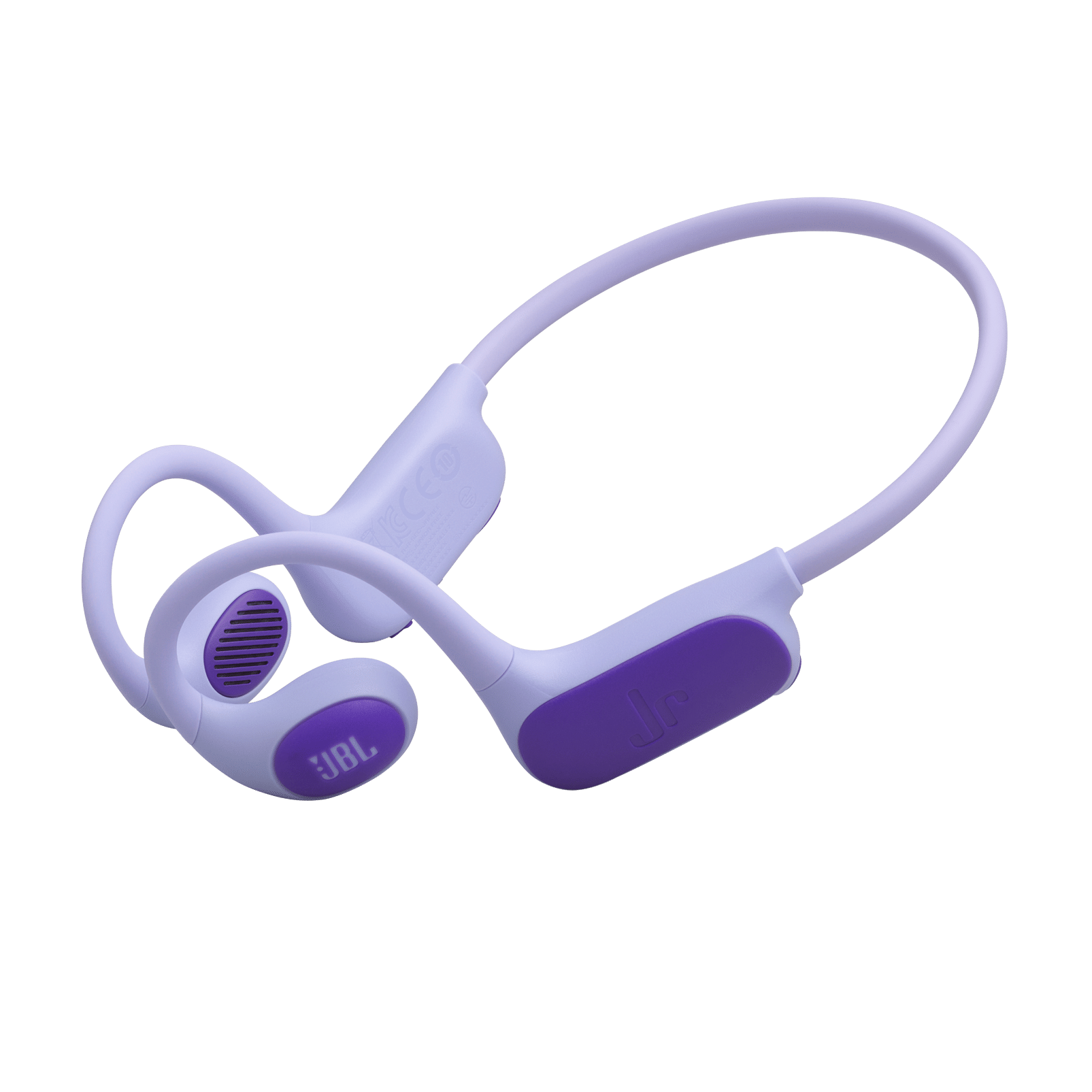
JBL Junior Free
2799 ₴
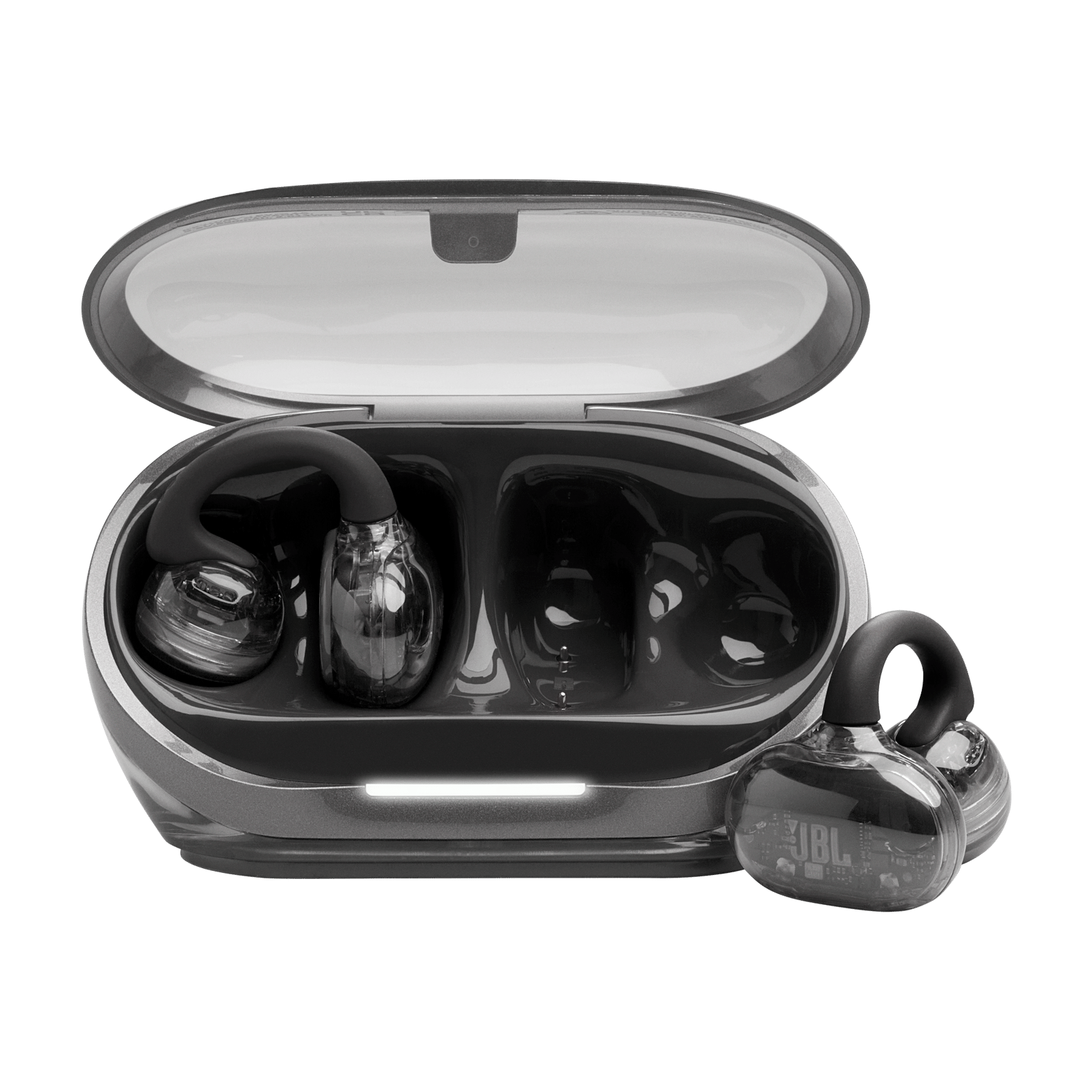
JBL Soundgear Clips
4999 ₴
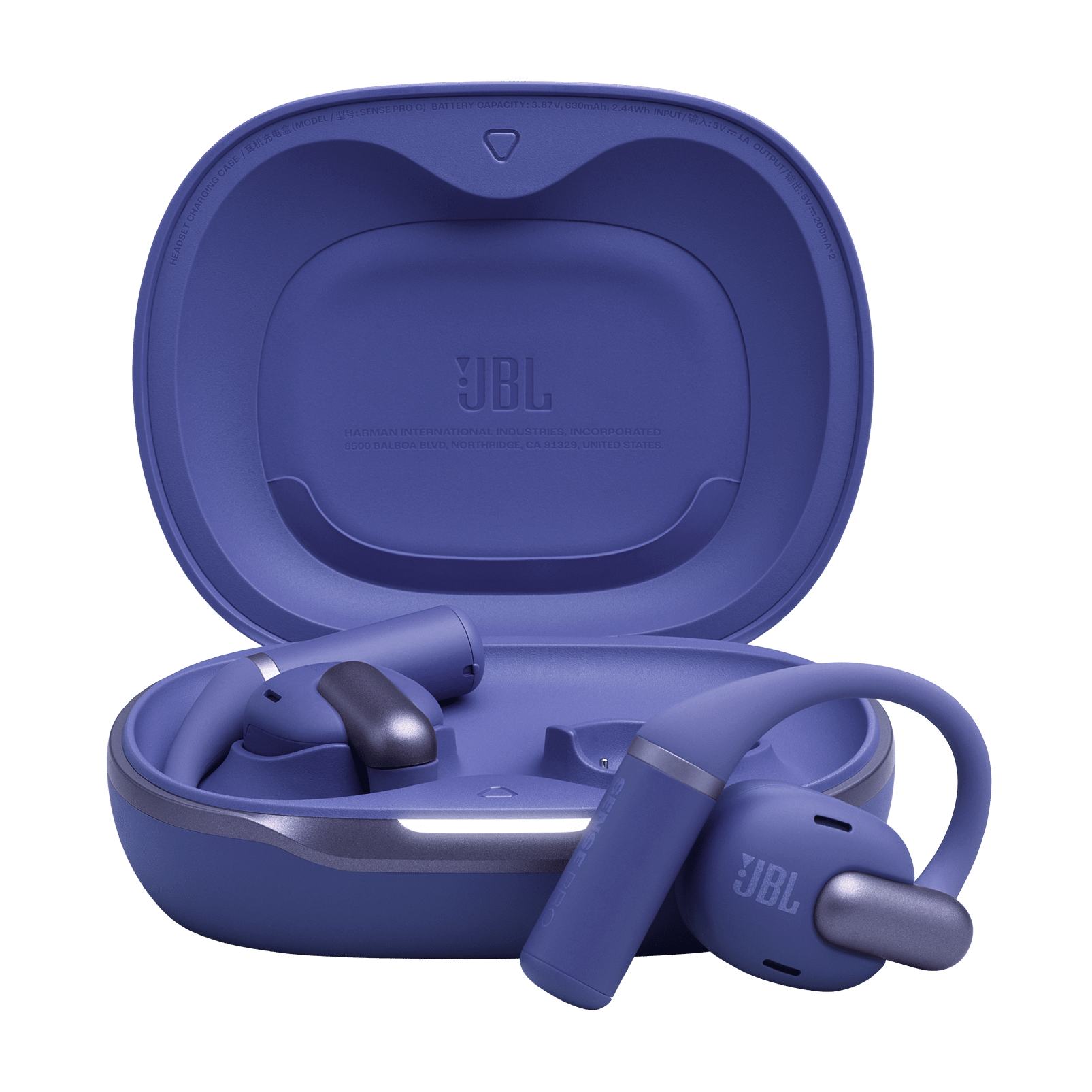
JBL Sense Pro
5999 ₴
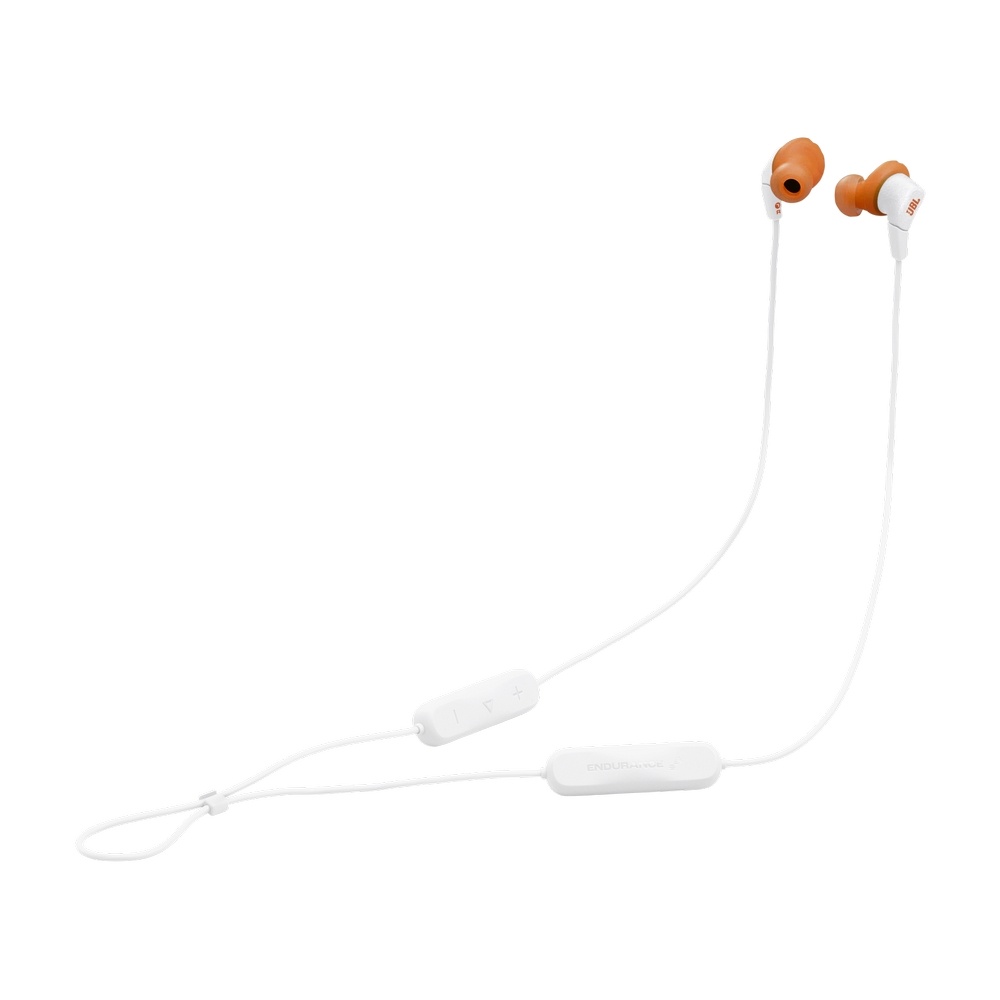
JBL Endurance Run 3 Wireless
1699 ₴
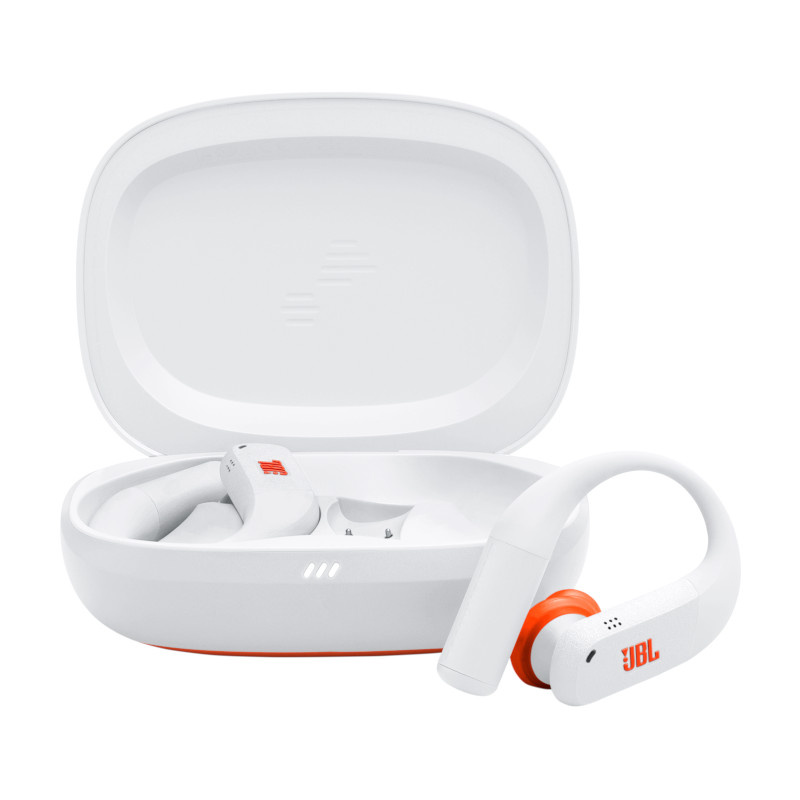
JBL Endurance Peak 4
4999 ₴
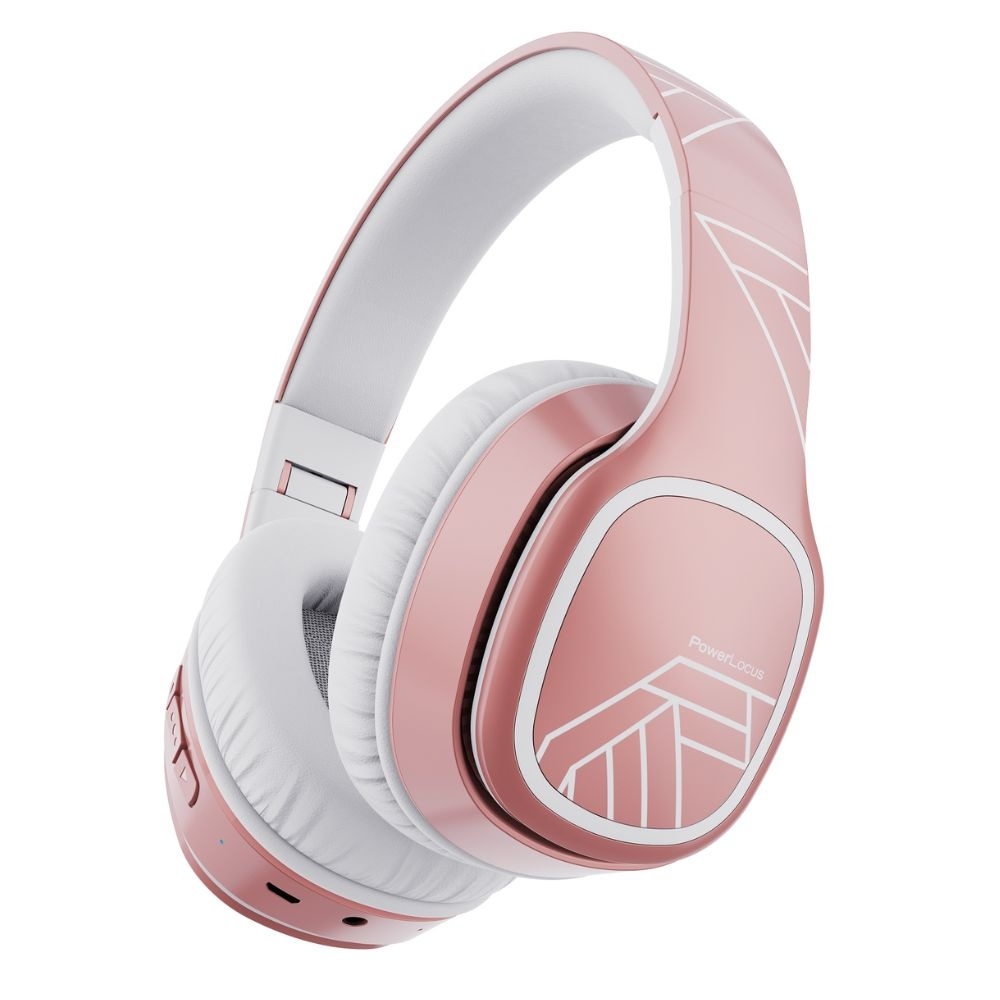
PowerLocus P7
1299 ₴
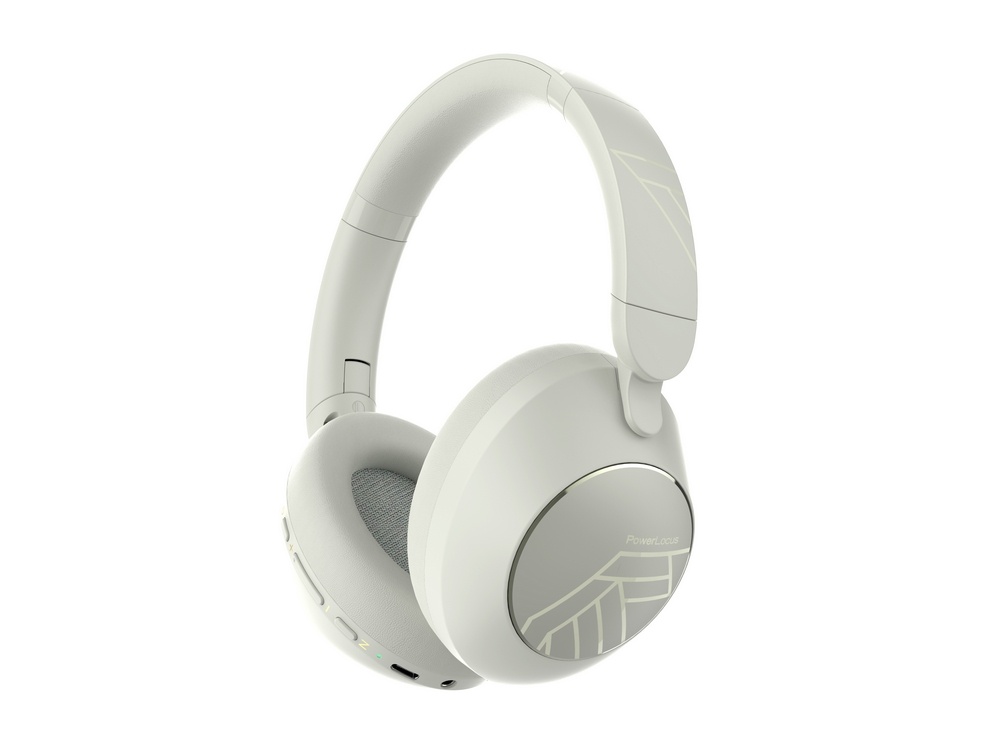
PowerLocus Orion
1399 ₴
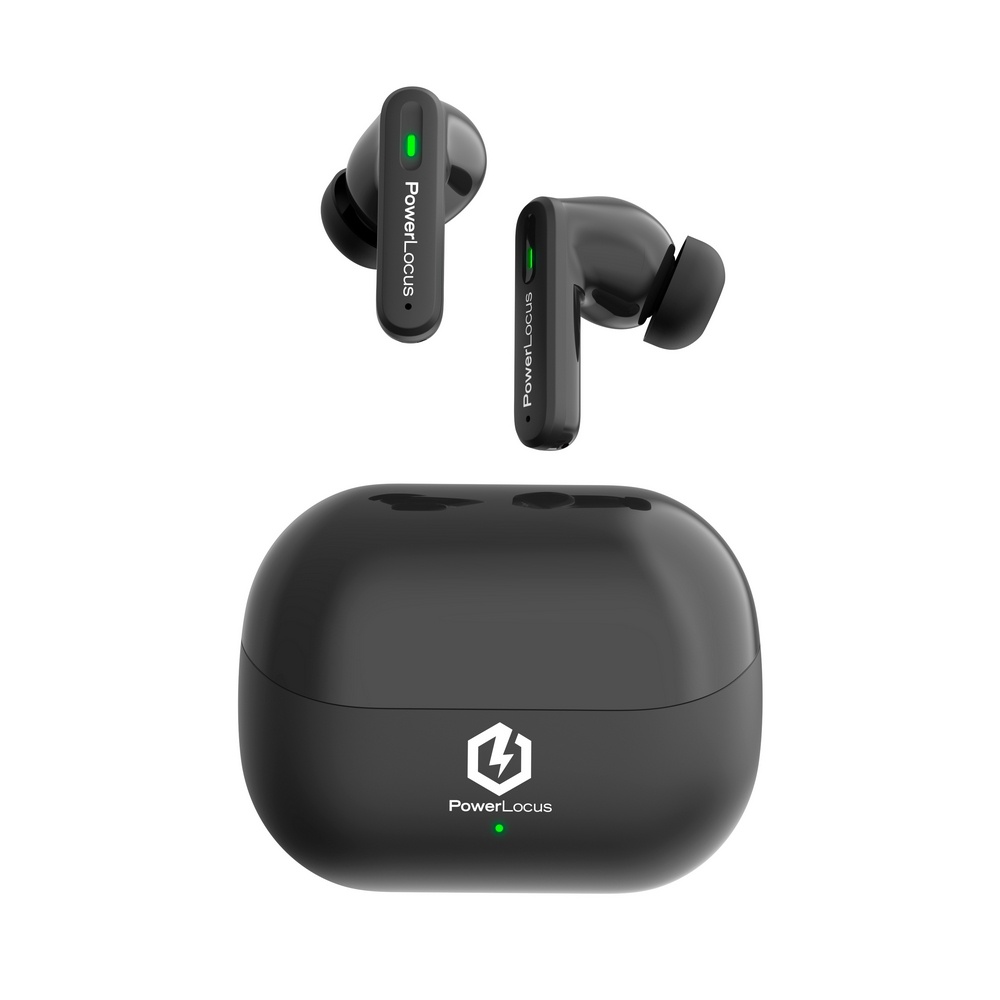
PowerLocus Fit
1199 ₴
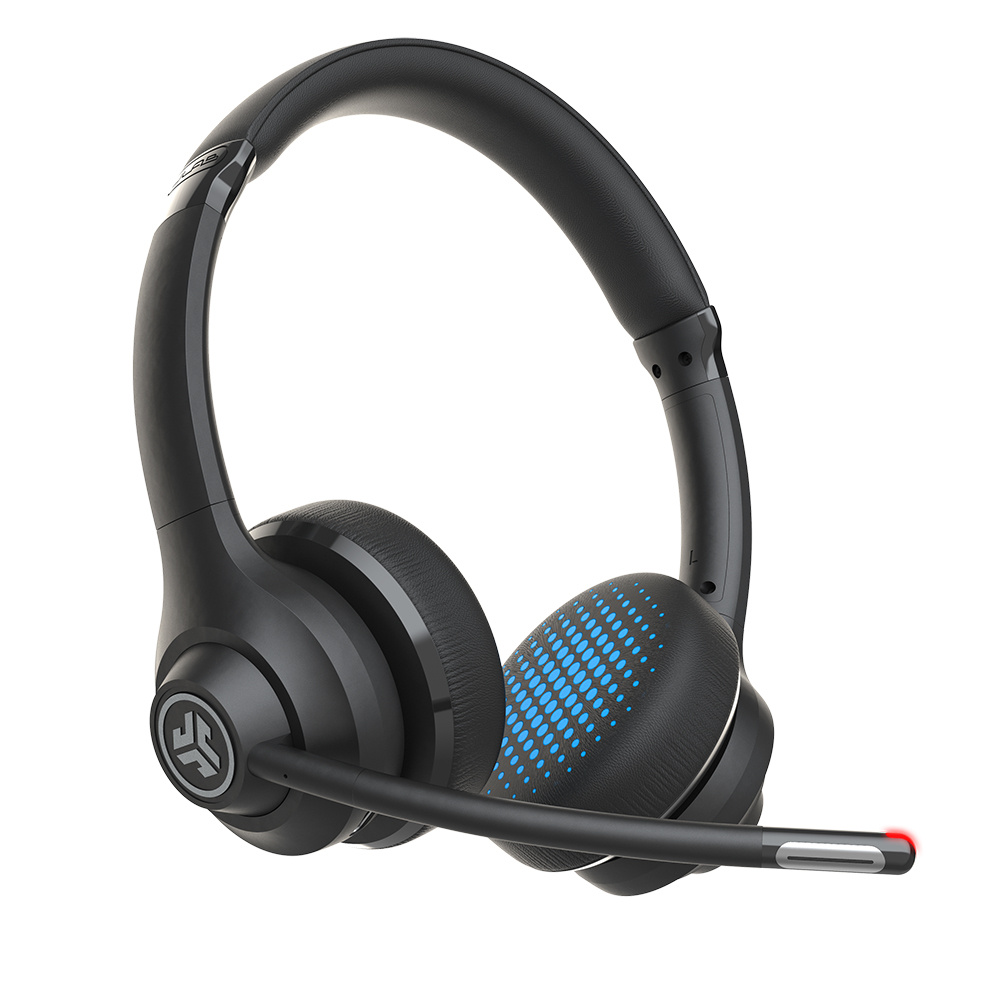
Jlab GO Work
2599 ₴
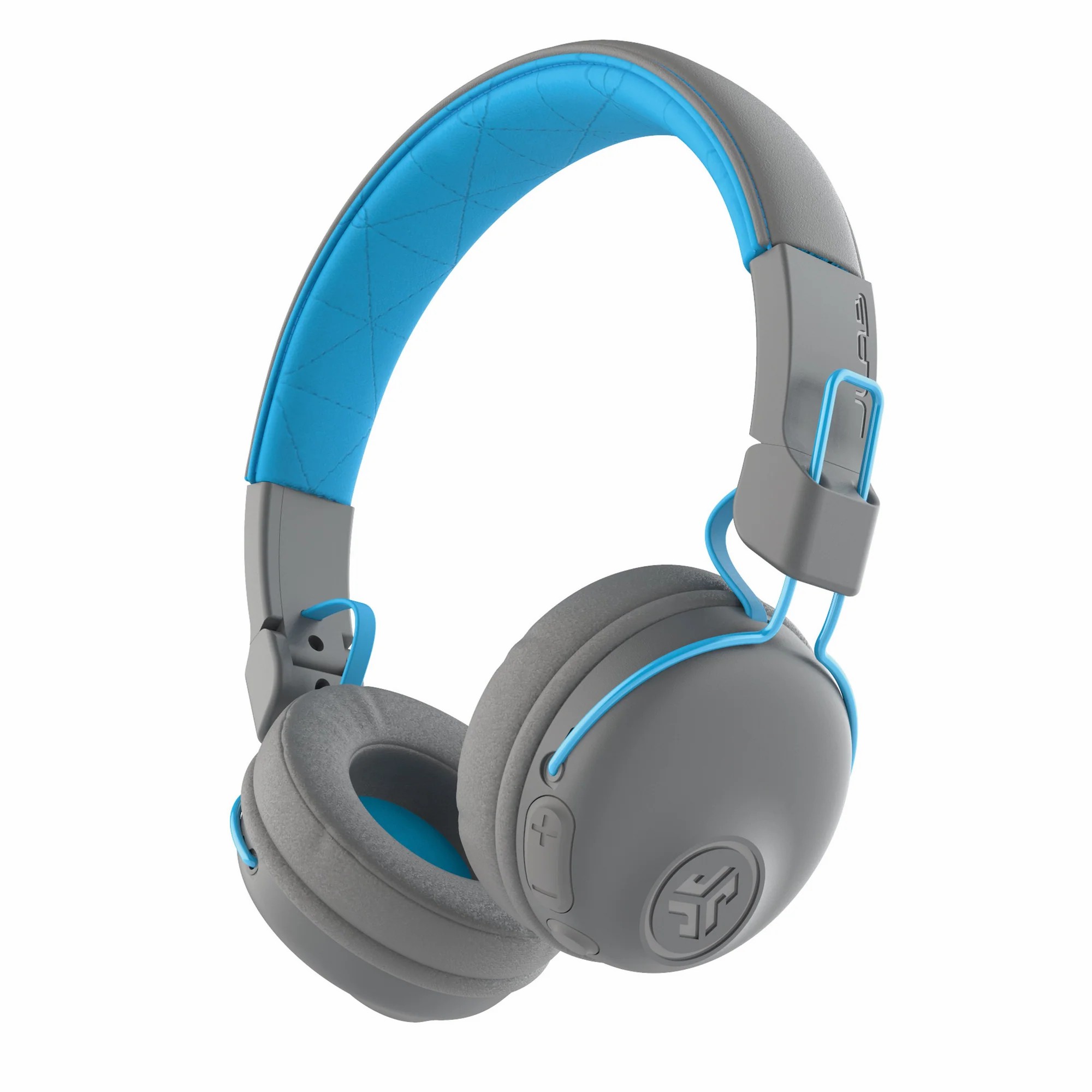
Jlab Studio Wireless
999 ₴
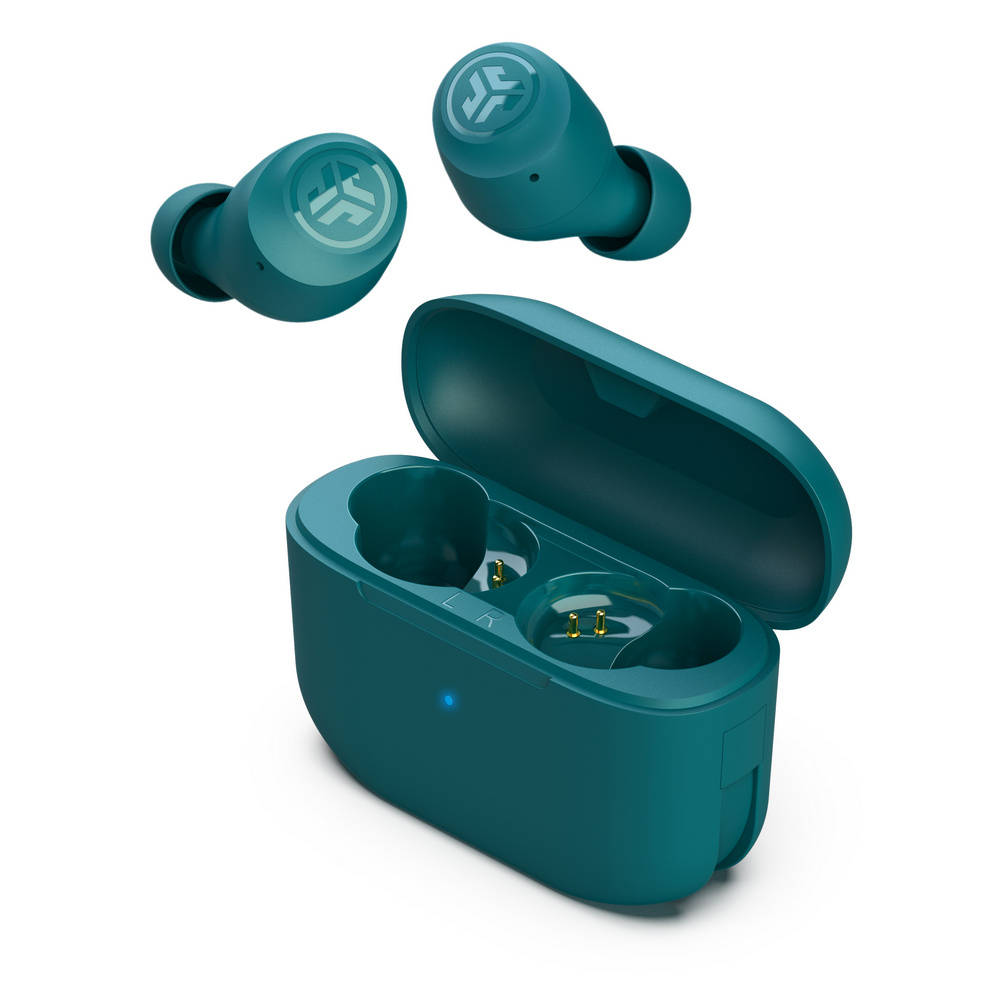
Jlab GO Air POP
1099 ₴
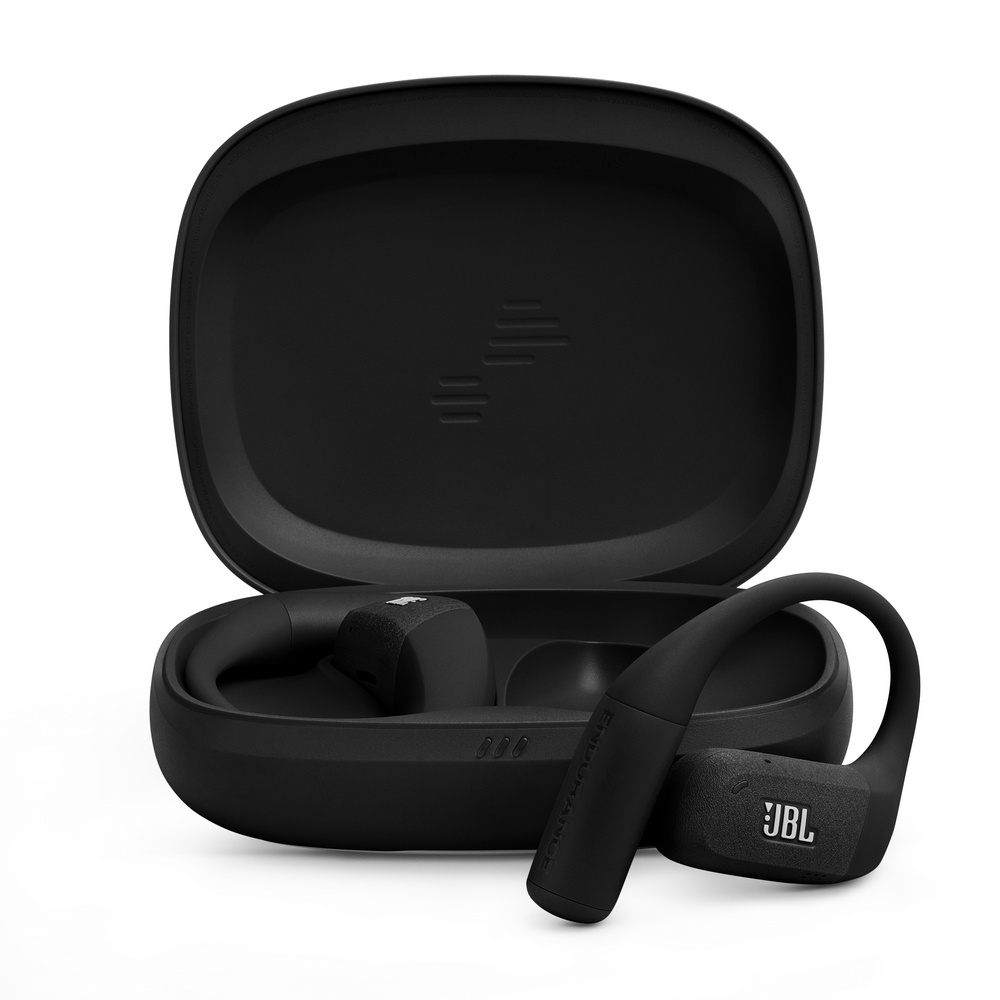
JBL Endurance Zone
5399 ₴
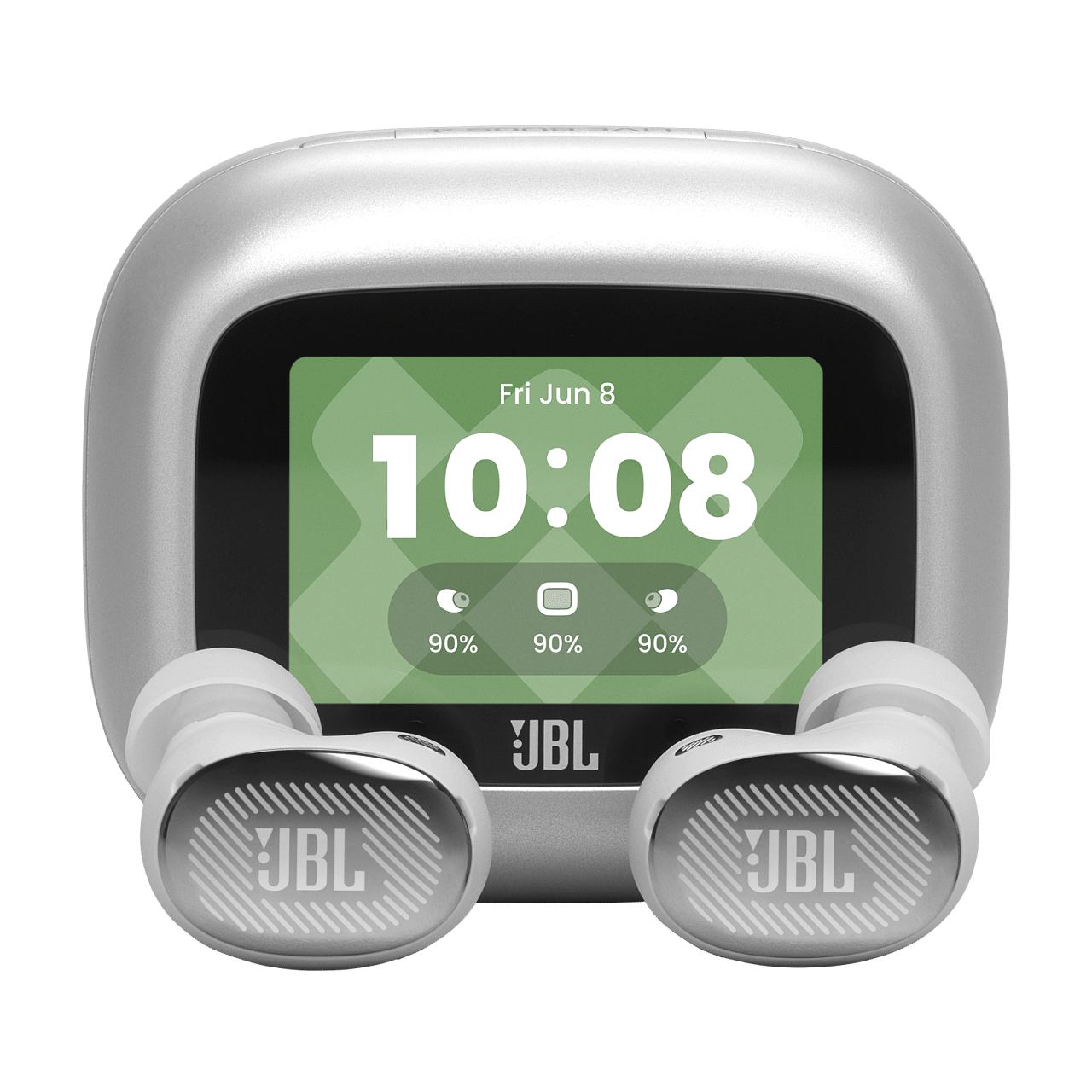
JBL Live Buds 4
8499 ₴

JBL Live Beam 4
8999 ₴
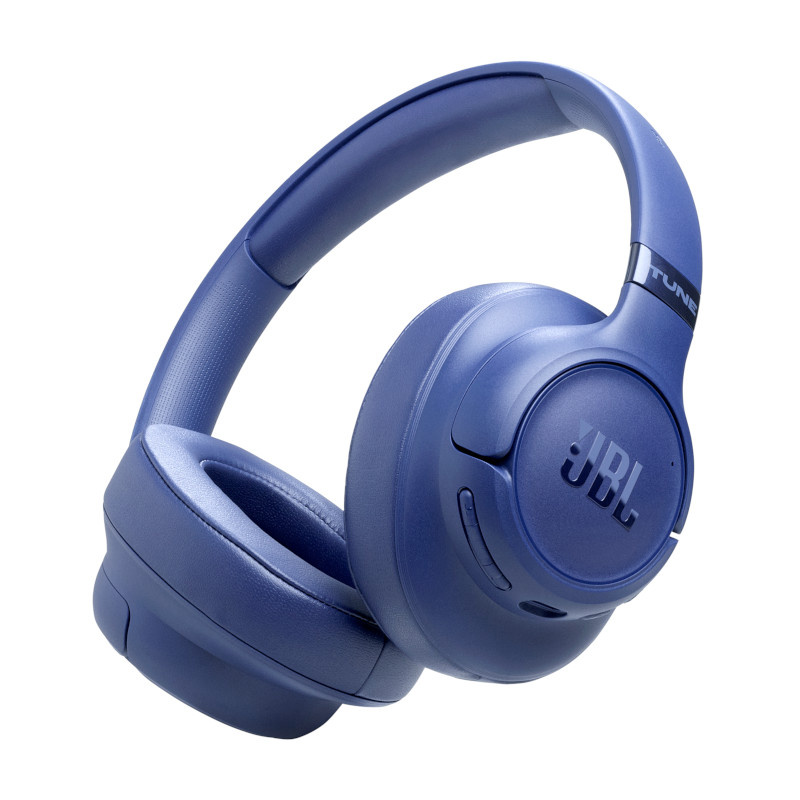
JBL Tune 780NC
3999 ₴
How to choose
Wireless headphones are convenient for music, calls, work, workouts, and travel, but how comfortable they are depends greatly on their design and feature set. To avoid paying extra for features you do not need, first decide where and how you will wear them, then look at battery life, noise cancellation, and connectivity.
Fit and intended use
First, decide on the headphone form factor. The catalog includes TWS, over-ear, on-ear, ear-hook models, and models with a neckband. Compact TWS models are often chosen for the city and everyday use, while many people find on-ear or over-ear models more comfortable for longer sessions at home or in the office.
If you need headphones for sports, pay attention to fit modes and retention / fixation features. An open fit (open-fit) provides a less isolated feel, sealed ear tips stay in place better and block outside sounds more effectively, while ear loops, ear hooks, wings, or a neckband are useful when a secure fit during movement is important. For children, it is also worth looking specifically at models with the appropriate intended use.
Sound and device compatibility
For wireless headphones, not only the listening experience matters, but also how they connect. The catalog includes models with Bluetooth, wired connectivity, 2.4GHz Dongle, and USB audio. If you want one pair for both your phone and your computer or console, check right away which connectivity methods are supported.
It is also worth looking at the Bluetooth version and Bluetooth audio codecs. Available models range from version 4.0 to 5.4, and codecs include SBC, AAC, LC3, and LDAC. Driver size in the catalog ranges from 5 to 40 mm: by itself, it does not guarantee better sound, but it helps you understand the class and type of design, especially when comparing compact TWS models with larger on-ear or over-ear models.
Calls, ANC, and surrounding sounds
If you need headphones not only for music but also for conversations, check whether a microphone is included and the microphone count. The catalog includes models with 1 to 12 microphones. For work calls, voice messages, and frequent communication, this matters just as much as the sound in the headphones.
For travel, public transportation, and noisy places, active noise cancellation (ANC) is useful. If you do not want to take off your headphones every time you need to hear an announcement or someone speaking nearby, a transparency / ambient mode will come in handy. This combination is especially convenient for daily routes between the street, office, and home.
Battery life and charging
Playtime depends greatly on the design. The catalog lists playtime per charge of 5 to 80 hours, while for TWS, total playtime with the charging case ranges from 20 to 80 hours. If you listen to music while traveling or do not like charging your devices often, these are the figures to compare first.
Also pay attention to fast charge time: among the catalog models, it ranges from 5 to 15 minutes. This is convenient when you need to quickly get some playtime before heading out. Charging methods include USB-C, Qi, micro-USB, built-in USB-A cable, and USB-A, so it is best to choose right away what is compatible with your usual chargers.
Protection and everyday convenience
For outdoor use, sports, and travel, check protection from moisture and dust. The catalog includes models without protection, as well as models rated IP54, IPX4, IP55, IP65, IP67, and IP68. If you need headphones for running, workouts, or walks in changing weather, a higher level of protection will be the more practical choice.
Additional features also affect everyday comfort. Multipoint is convenient if you switch between a phone and a laptop, a companion app provides more settings, and control methods help you understand whether you prefer buttons, touch controls, voice commands, or app control.
Tips
- For sports, first rule out models without secure retention, then compare sound and battery life.
- If you are often on public transportation or in the office, ANC and transparency mode make the most noticeable difference in everyday use.
- For TWS, look not only at playtime per charge for the earbuds, but also at total playtime with the charging case.
- If you use both a phone and a laptop during the day, check Multipoint and the connectivity methods you need before choosing based on design.