Kitchen food thermometers
How to choose
A kitchen food thermometer helps you avoid guessing whether a dish is done and instead check its actual temperature. This device is especially useful for meat, fish, baked goods, syrups, and other recipes where heating control matters.
What the thermometer measures
For a kitchen thermometer, the first thing that matters is that it is specifically a device for measuring food temperature. In the product listing, check which measured parameters it has, what measurement method it uses, and whether the sensor / detector technology is described.
These characteristics help you understand how well a model suits your needs: quickly checking whether a dish is done, monitoring the heating of liquids, or handling a more precise cooking process. When these fields are filled out in detail, comparing models is much easier.
Probe and ease of use
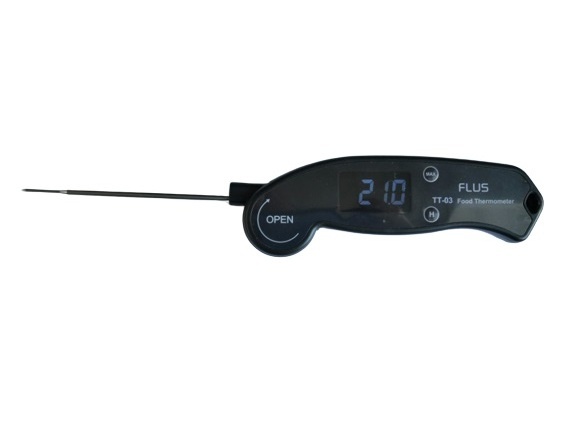
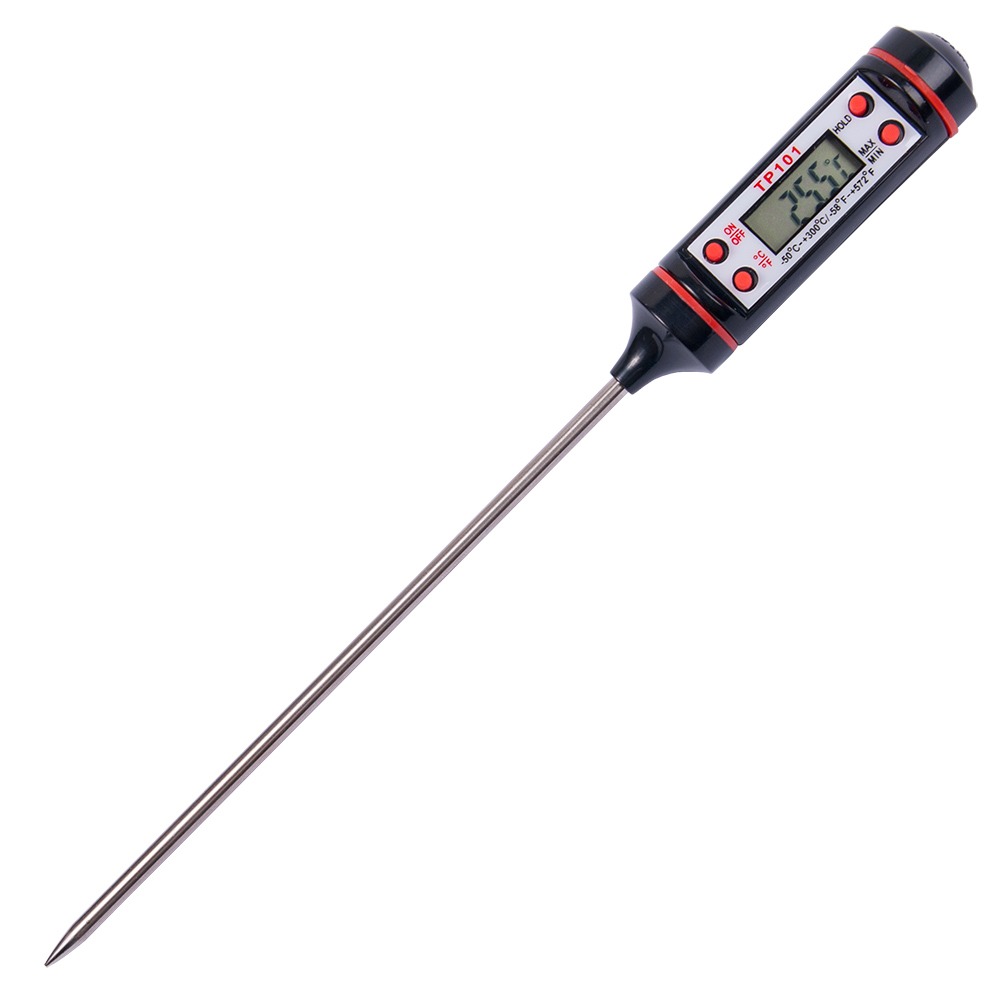
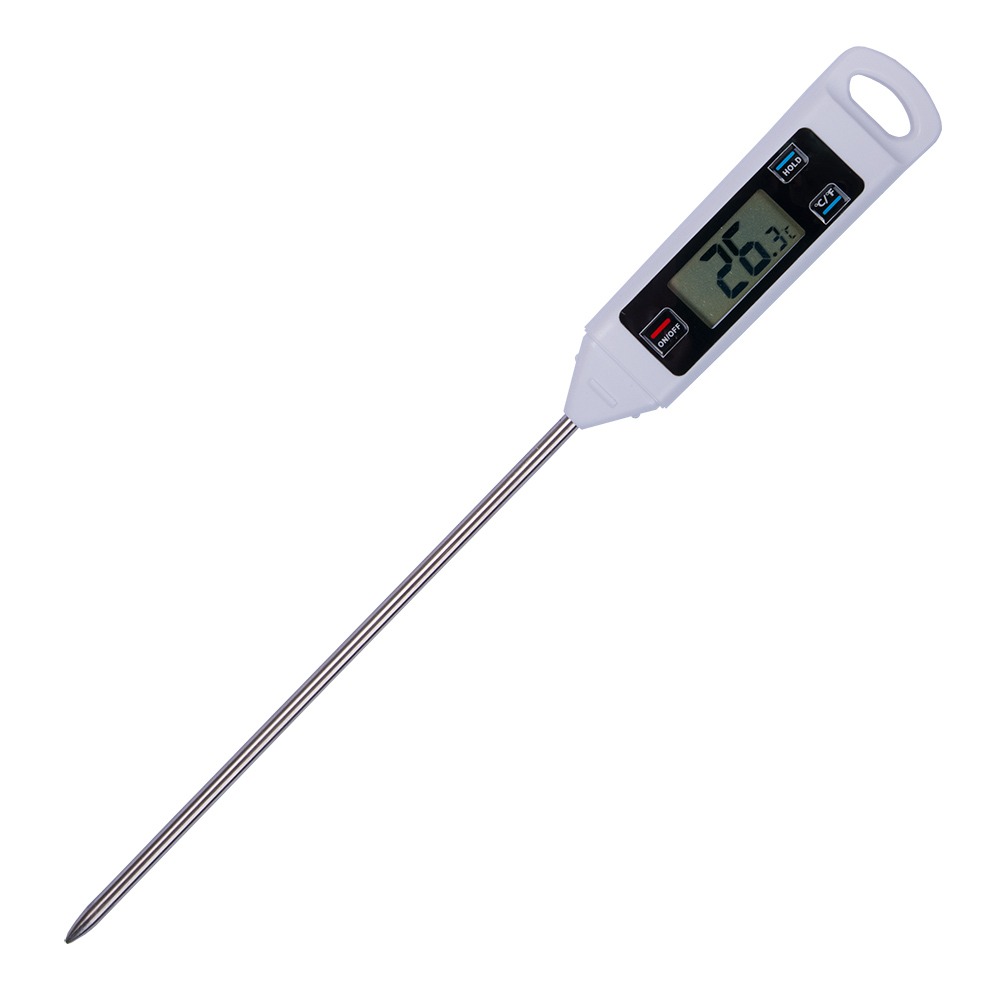
The catalog includes a version with a needle probe. This probe form factor is convenient when you need to measure the temperature inside a piece of meat, fish, or baked goods rather than only on the surface.
A probe length of 145 mm lets you reach the center of the food while keeping your hand farther from the hot dish. A stainless steel probe is practical for the kitchen because the material is easy to care for and suitable for contact with food.
Accuracy and operating range
The probe temperature measurement range shows which temperatures the thermometer can measure correctly. This matters if you plan to use it for both cold foods and very hot dishes.
A temperature resolution of 0.1 °C is useful when it is important to see small changes in readings. Accuracy should be evaluated separately: the available product lists an absolute accuracy of ±1.5 °C and a relative accuracy of ±0.5%, so compare these values with your cooking needs.
Display and reading control
The display type affects how easily you can read the temperature while cooking. Backlighting is especially useful near an oven, grill, or in lower-light conditions.
Useful features in the catalog include memory for minimum and maximum values and reading hold. Support for both °C and °F is also convenient if you cook using recipes from different sources and do not want to convert temperatures manually each time.
Power and everyday use
The catalog lists replaceable batteries as the power source and use of 1 battery, so the device is not tied to an outlet and is suitable for the kitchen, oven, or cooking away from home. This is convenient if you need to take the thermometer with you quickly or keep it within reach in different areas of the kitchen.
Auto power-off helps avoid wasting battery power, while a low battery indicator reduces the risk of the thermometer running out of power at an inconvenient moment. If you do not use this type of device every day, these small details add noticeable convenience.
Protection and conditions of use
An IP54 rating in the catalog means basic protection against dust and splashes, which is useful for regular kitchen work. Even with this protection, however, it is worth checking separately how the manufacturer recommends cleaning the device after contact with food.
The operating temperature range, storage conditions, and allowable humidity are important if the thermometer is often kept near a hot stove, stored in a cold room, or used outside the home. If these limits are listed in the product page, they help you understand how reliably the device will handle your actual conditions.
Tips
- For meat, fish, and baked goods, a needle probe is more convenient because it makes it easier to check the temperature at the center of the food.
- If you often cook from international recipes, check for support for both °C and °F so you do not have to convert values manually.
- Do not confuse resolution with accuracy: a 0.1 °C increment does not mean the error will be equally small.
- For everyday kitchen use, pay attention not only to measurements but also to IP protection, the low battery indicator, and auto power-off.