Dog repellers
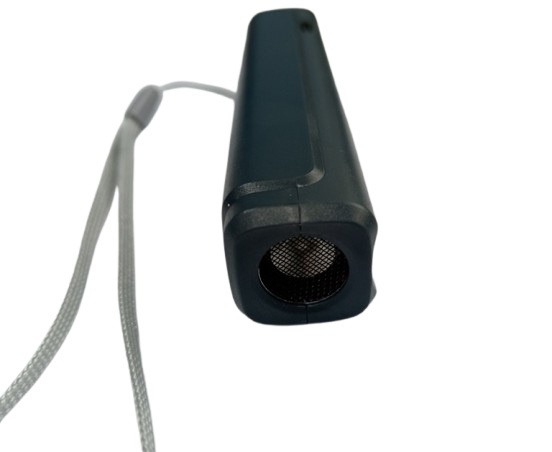
N11 with UV Flashlight and Lanyard
999 ₴
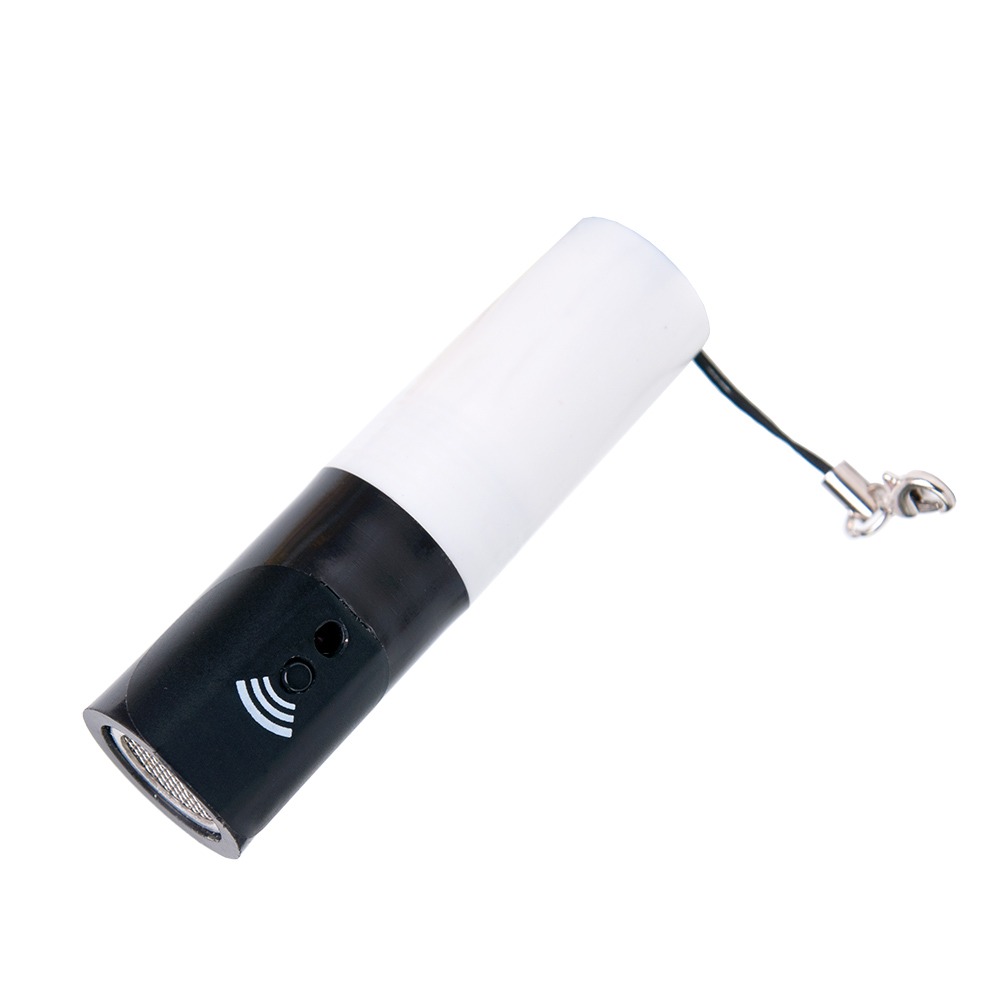
KUOS Dog Repeller
799 ₴
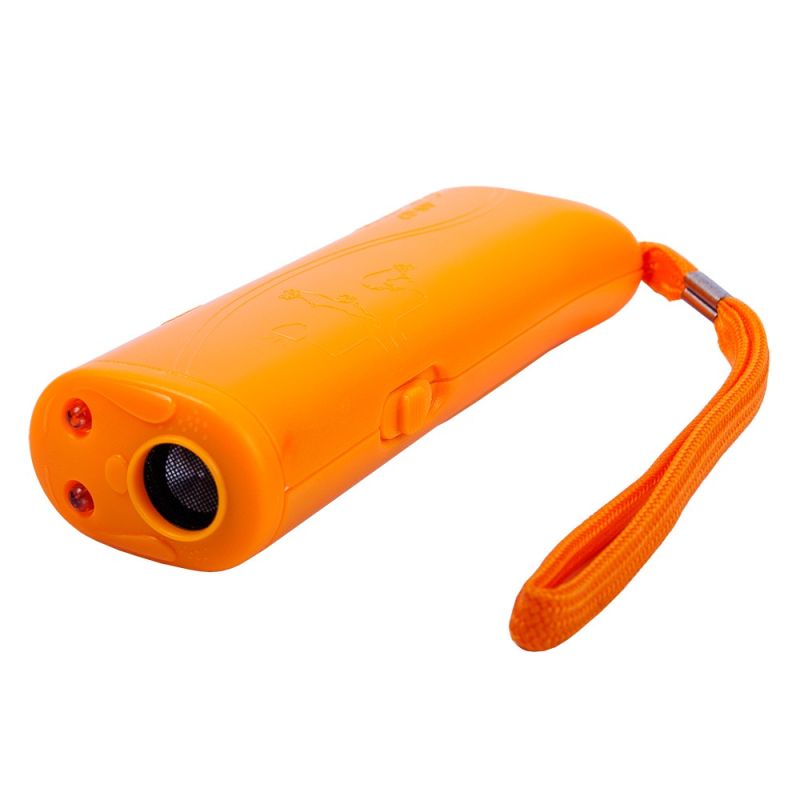
CD-100 Ultrasonic Dog Repeller
439 ₴
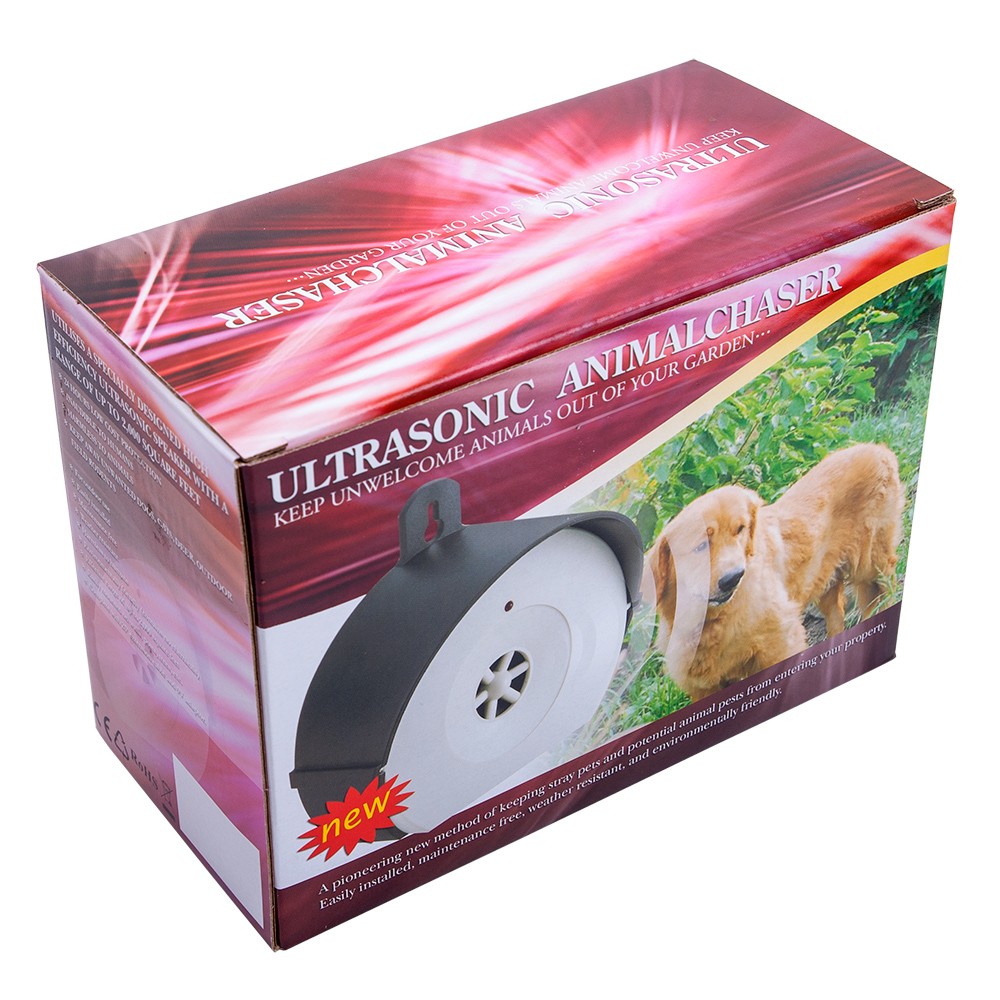
Leaven LS-937CD Dog Repeller
1699 ₴
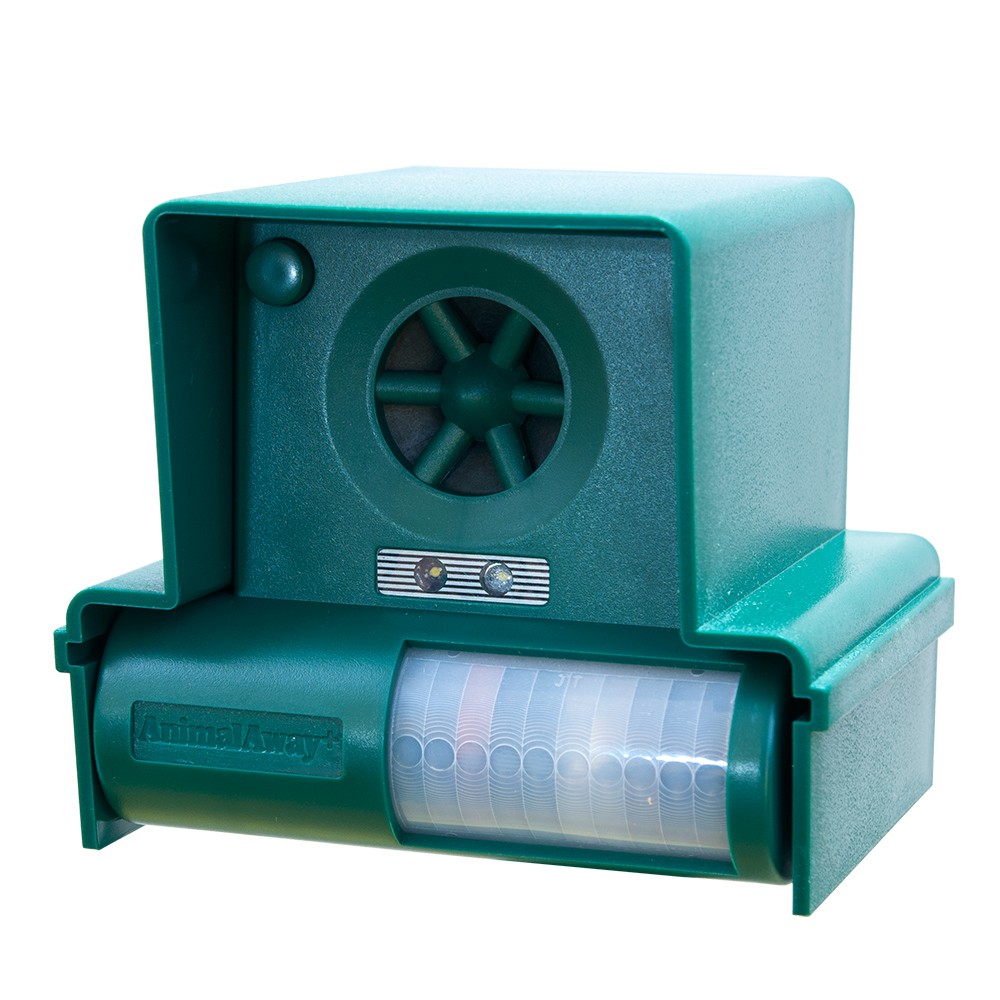
Leaven LS-987F
2399 ₴
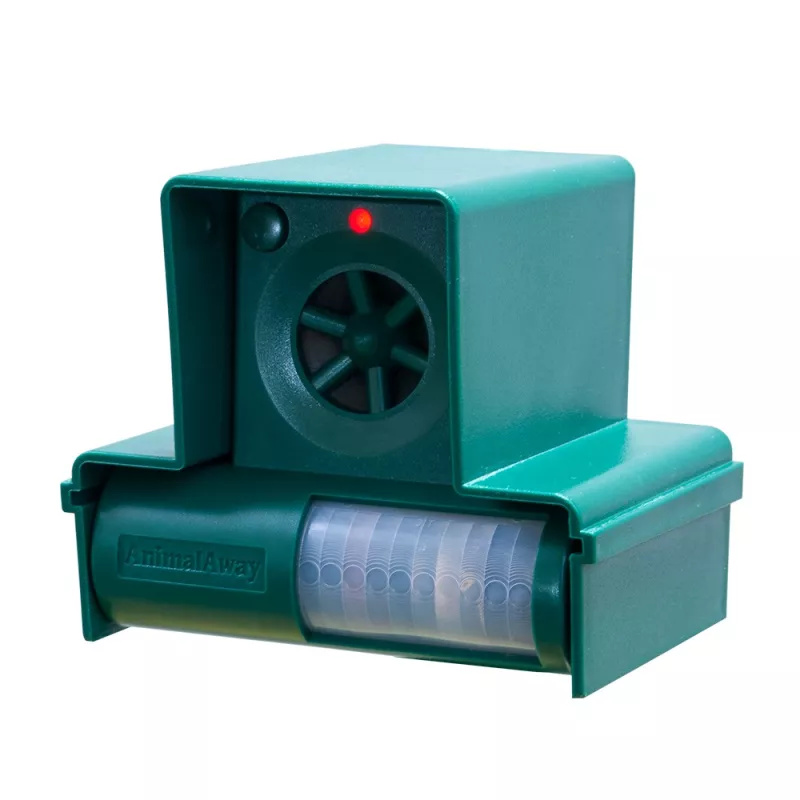
Leaven LS-987S Dog Repeller
2199 ₴

Dazer 2 Dog Repeller
2299 ₴
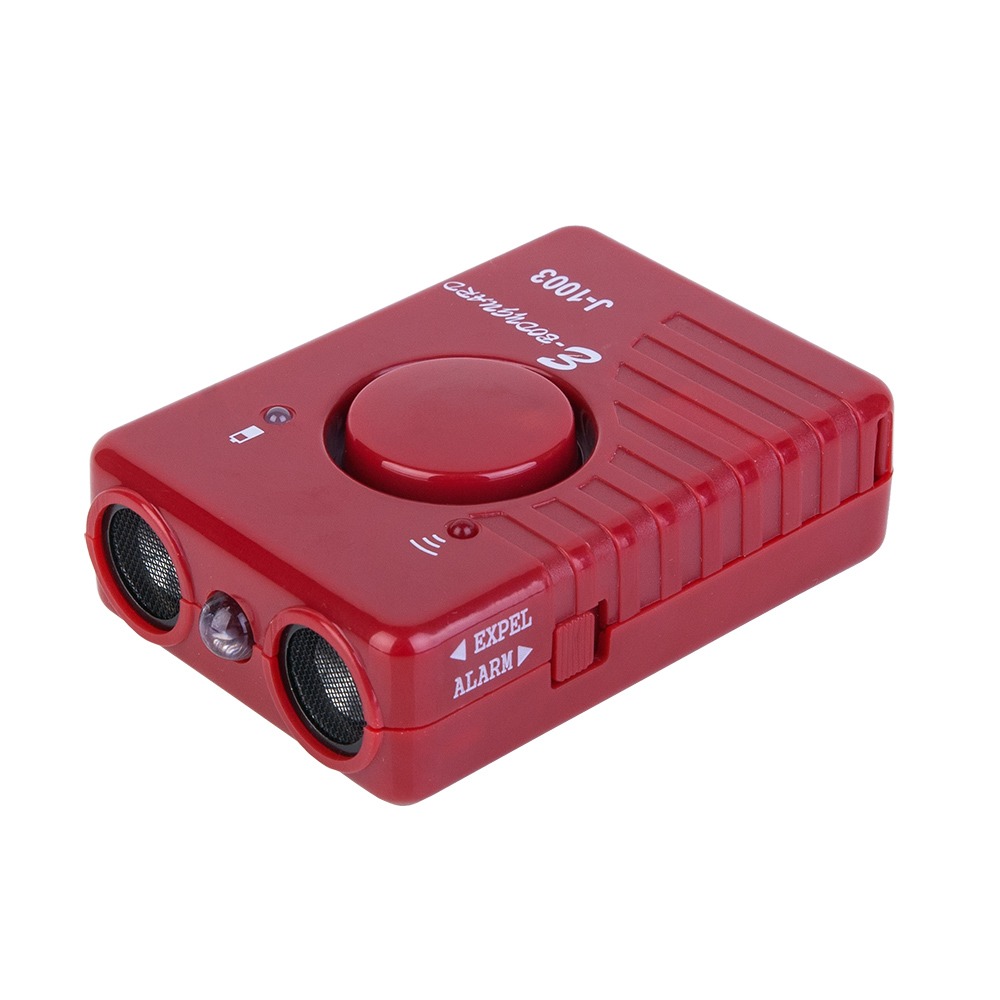
J-1003 Dog Repeller
1199 ₴
How to choose
A dog repeller can be useful for walks, near your home, or on your property when you need to keep your distance without physical contact. This category includes portable and stationary models, so your choice primarily depends on where you will use it, how it activates, and its power source.
Portable or stationary form factor
First, decide exactly where you will use the dog repeller. A portable form factor is convenient for walks, runs, or everyday carrying when the device needs to be within reach. A stationary option is better suited for a yard, entrance, fence, or garden, where it is important to protect a specific area.
The specifications may list form factors such as portable handheld or wall-mounted box. For stationary models, pay attention to the mounting / installation methods: a ground stake, wall mount, or fence mount. For handheld models, carrying / wearing methods such as a belt clip or wrist strap can be useful.
Automatic activation and motion sensor
If you need the device to continuously protect an area without your involvement, models with activation by a motion sensor will be more convenient. An option with continuous activation is better suited when you control the device yourself or want it to operate continuously in a selected area.
For models with automatic activation, the motion sensor type and its operating area are important. The specifications may include PIR, as well as a sensor detection range of 12 m and a sensor view / detection angle of 70°. This helps you understand how early the device will detect movement and what part of a pathway, yard, or entrance it will cover.
Action technology and signal delivery
This category includes ultrasonic dog repellers and models with a sensor. In addition to ultrasound itself, the specifications may list variable frequency, an audible signal, a pulse signal, an LED strobe, or a flashlight. This combination matters if you want not only the basic action but also additional ways to get the animal's attention.
Also pay attention to the signal pattern / modulation. Continuous mode may be suitable for steady operation in one place, while a pulse signal is worth considering if you need a different type of effect. If variable frequency is specified, it is a separate characteristic that is also worth comparing between models.
Operating modes and status monitoring
If you need flexibility, check the operating modes and their number. Product listings may include sound mode, continuous mode, repelling mode, and training mode, while the number of operating modes may range from 1 to 3. The more clearly the modes are separated, the easier it is to adjust the device for a particular situation.
For everyday use, it is also important how the device is controlled and whether its status is visible. A mode button makes switching easier, while an activation LED or low-battery indicator helps you quickly understand whether the device is working and whether it is time to replace the battery.
Power supply and maintenance
Before buying, it is worth understanding right away how you will keep the device operational. The category includes battery-powered, mains-powered, and hybrid models. Batteries are often convenient for portable use, while for stationary installation, it is important that the power source is practical for your specific location.
Also check the battery type, number of batteries, and charging method. The specifications may list 1 or 2 batteries, 9V 6F22 type, as well as an option without charging. These are small details that greatly affect how easily you can use the device without interruptions and unnecessary time spent.
For outdoor use, protection and coverage matter
If you are choosing a dog repeller for a yard, garden, or area near an entrance, be sure to check the place of use (environment) and water / weather protection. The specifications include models for outdoor use, options for indoor and outdoor use, as well as notes about claimed water resistance or no protection from rain. For permanent outdoor placement, this is one of the key considerations.
Another important parameter for stationary use is the effective radius / range. Product listings may show an effective range from 7 to 15 m and a coverage / emission angle from 70 to 90°. The wider the angle and the more sufficient the range, the easier it is to cover not just one point but also the approach to it.
Tips
- For walks and everyday carrying, choose a portable handheld form factor with a belt clip or wrist strap.
- For a yard or garden, a model with a motion sensor is more practical so the device activates without your involvement.
- Before buying, check the power supply type: the category includes battery-powered models, mains-powered models, and models without charging capability.
- For outdoor installation, do not overlook water / weather protection, especially if the device will be exposed to rain or placed near a fence.
- Compare the actual range and coverage angle with your area of use: a narrow pathway and an open yard require different coverage.