Snake repellers
How to choose
Snake repellers help create an uncomfortable environment for reptiles without direct contact with them. When choosing one, it is important to consider not only whether it repels snakes, but also the place of use, operating principle, coverage area, and installation method.
Choose a device for your needs
Start with the basics: check whether snakes are specifically listed under target pests. This is the easiest way to rule out universal repellers that may be designed for other animals or insects and may not suit your needs.
Next, look at the place of use and recommended use scenarios. For shoppers, this shows whether the device is intended for outdoor use, a protected environment, or specific installation conditions. If you plan to place the repeller in an open area, these fields will show whether the model matches the actual way you plan to use it.
Operating principle and signal pattern
For snake repellers, how the device affects its surroundings is especially important. In this category, look at the action / technology and the medium through which the signal is transmitted. The available data includes transmission through soil, which matters for models that operate through the ground rather than through the air.
Also pay attention to the pulse pattern. A random pattern is listed in the catalog for this category, which is convenient because the signal does not repeat in exactly the same way. If the product page also lists the vibration pulse duration and the pause between pulses, this will help you better understand the device's operating rhythm.
Coverage area and proper placement
For the device to be useful in practice, its coverage area should match the area you want to protect. To do this, check the claimed coverage area and effective radius / range. If both are listed on the product page, the radius is more convenient for visualizing actual placement, while the area can serve as a general reference.
The mounting / installation method is just as important. For models installed in the ground, it is useful to check the recommended installation angle. The observed data for this category lists 30°, so when installing the device, follow such recommendations instead of placing it at a random angle.
Power supply and ease of maintenance
The power supply type affects how much attention the device will need after purchase. Before choosing, check what powers the model and whether it needs charging, battery replacement, or connection to a power source. This is especially important if the repeller needs to operate continuously or is placed somewhere that is inconvenient to access often.
If the product page provides information on the charging method, claimed runtime, or claimed battery life, compare it with how often you are willing to maintain the device. Some people prefer less frequent intervention, while others value a simple and quick way to recharge it.
Weather resistance and physical dimensions
If the repeller will operate outdoors, check its water / weather protection. This parameter indicates how well the device is designed to handle moisture and changing weather conditions. For outdoor use, it is one of the most practical criteria because it affects consistent operation throughout the season.
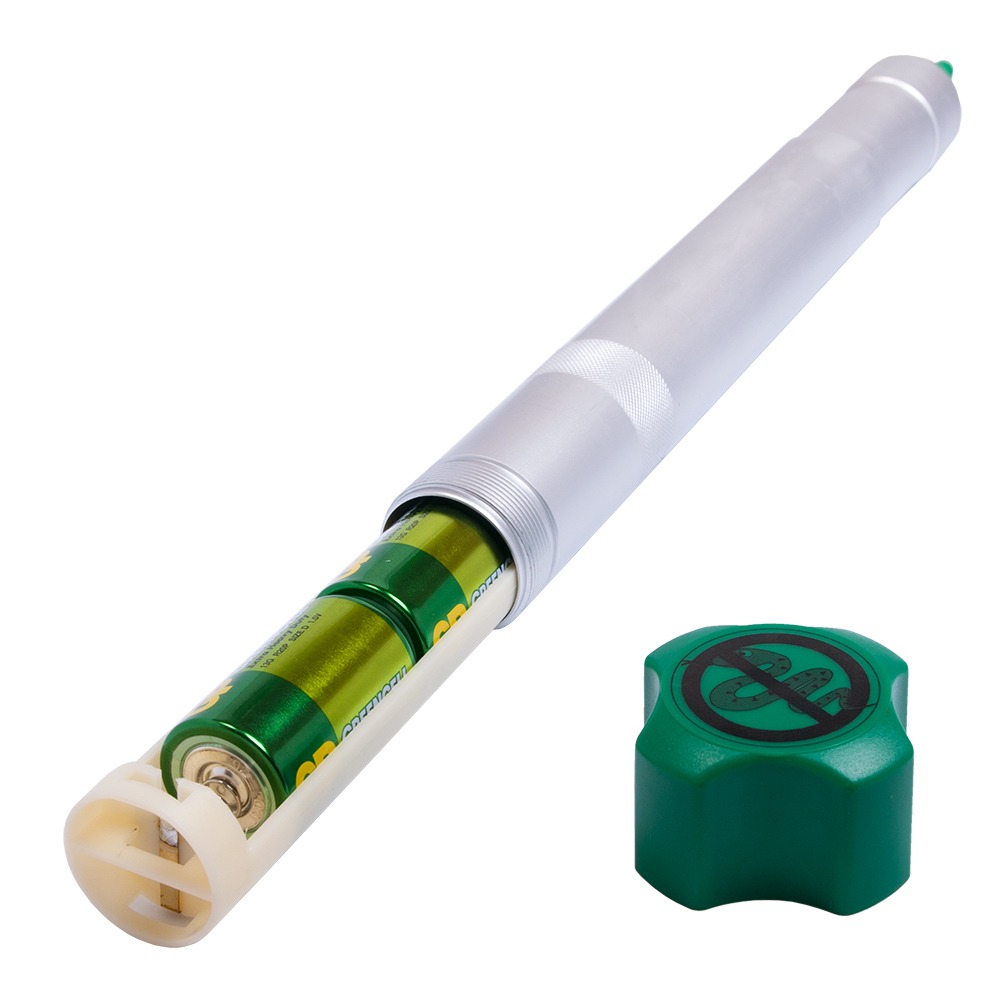
For models with a ground stake, dimensions are also important. The available data for this category lists a ground stake length of 415 mm and a ground stake diameter of 65 mm. These specifications help you understand how deeply and conveniently the device can be installed in the soil and how much space it will take up on your property.
Tips
- First check the target pests and place of use, then look at secondary characteristics.
- If the device operates through soil, do not overlook the mounting / installation method and recommended installation angle.
- For an open area, assess water / weather protection and the power supply type right away to avoid unnecessary maintenance.
- When the product page lists both coverage area and effective radius / range, allow extra room for placement rather than positioning it right at the maximum limit.