Bulk material moisture meters
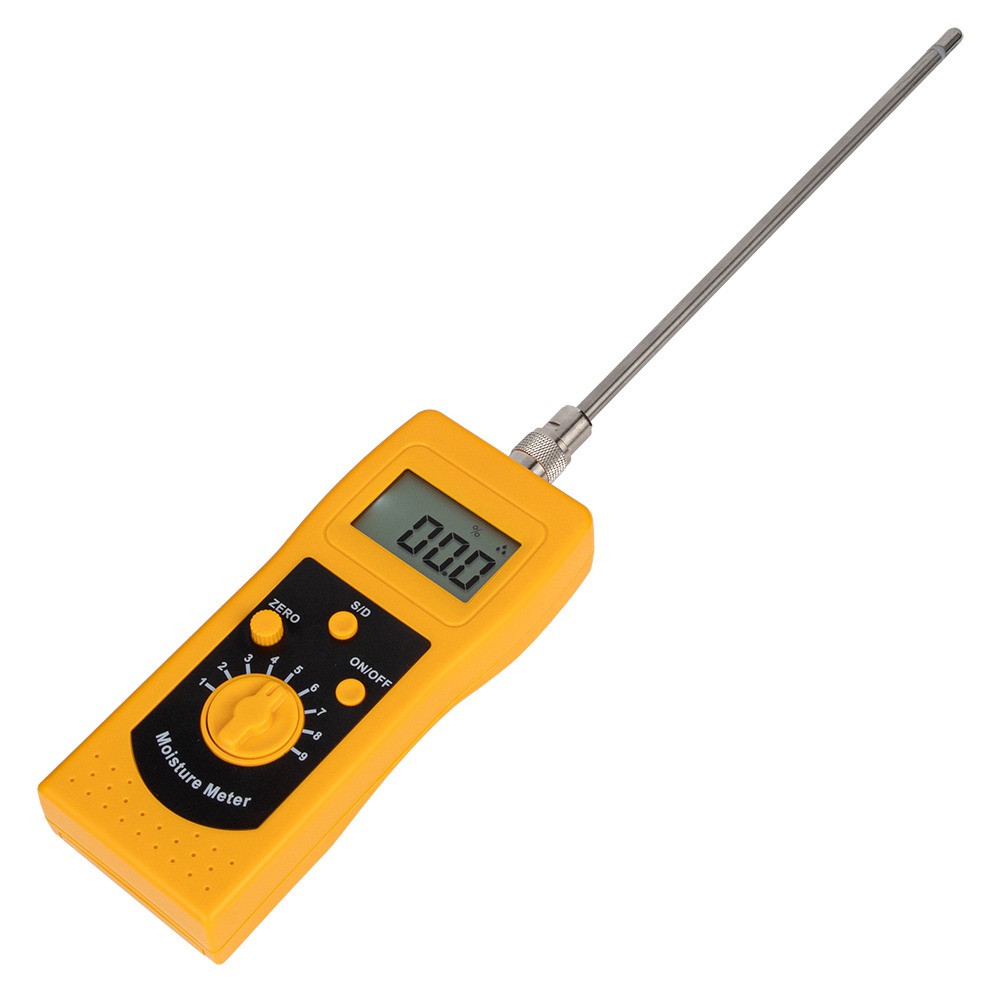
DM-300C
7699 ₴
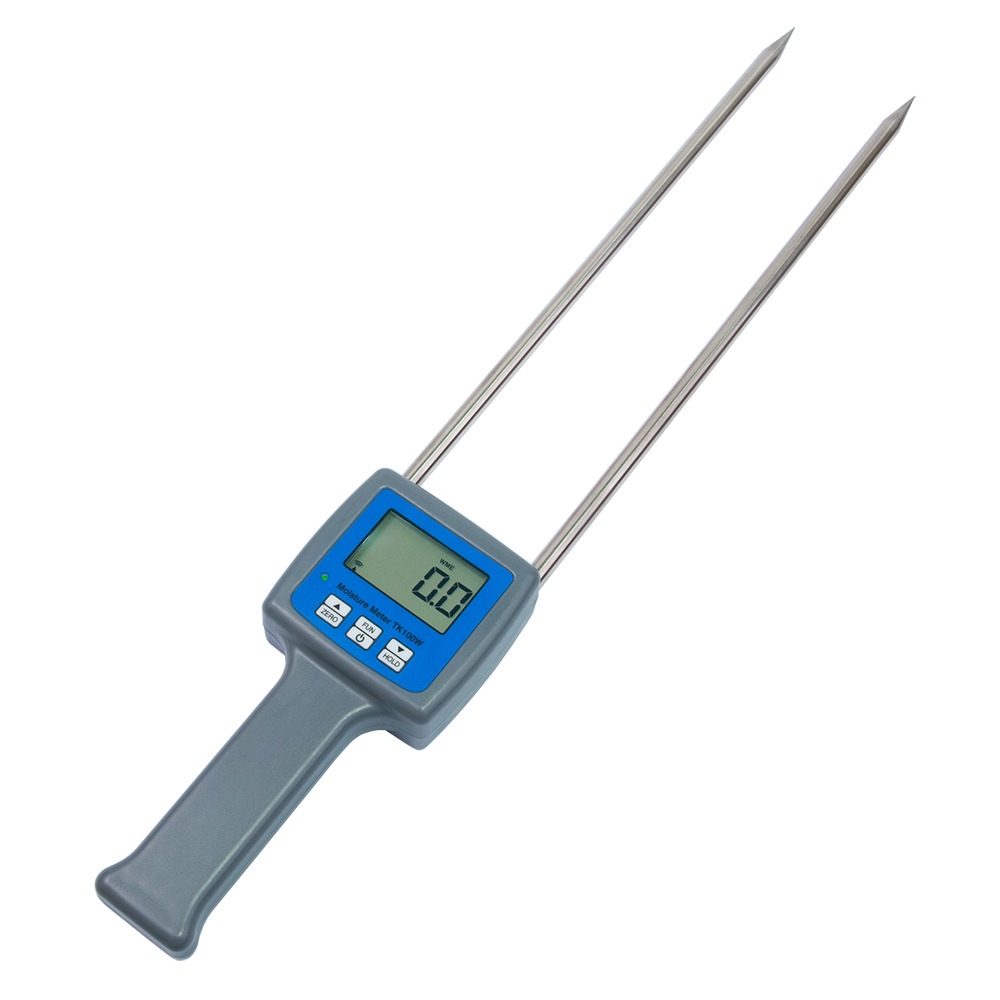
TK-100W Bulk Material Moisture Meter
3799 ₴
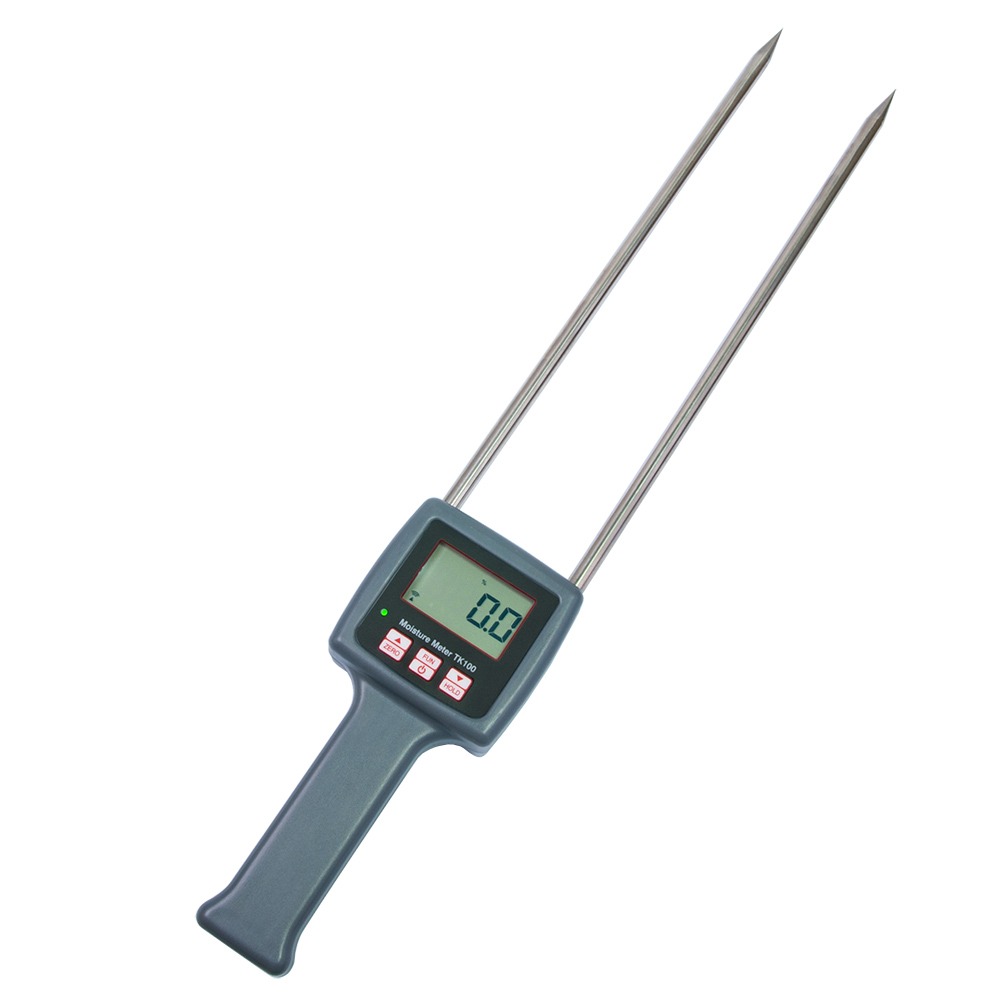
TK-100 Bulk Material Moisture Meter
3699 ₴
How to choose
A bulk material moisture meter helps you quickly check the moisture content of grain, seeds, and other granular products before storage, sale, or processing. To make the right choice, consider not only whether it measures moisture, but also which materials the device works with, how it is calibrated, and how convenient it is for daily use.
Materials and calibrations for your needs
First, check which specific materials the device supports. For bulk material moisture meters, this is critical because accuracy directly depends on whether the material or crop you need is stored in the device's memory.
If you work with several crops, pay attention to the supported crops / calibration list and the number of calibrations / curves. User calibration supported is useful if you need to adjust readings for your own raw materials or compare results with reference measurements.
Range, resolution, and reading stability
The general moisture measurement range shows the limits within which the device can operate without exceeding its capabilities. The closer your actual moisture values are to the device's typical operating range, the more confidently you can rely on the result.
It is also worth looking at moisture resolution, typical moisture accuracy, and repeatability. Resolution shows the smallest increment you can see on the screen, while accuracy and repeatability help you understand how close the result will be to the actual value and whether it will change noticeably when measuring the same sample repeatedly.
Calibration before measurement
For fast daily work, it is convenient when the device has a zeroing function and an easy way to start calibration. In this category, you may find a one-button zero calibration method, and this really reduces the risk of errors before measurements begin.
If it is important for you to adjust the result to specific sample conditions, check the available calibration adjustment range. A correction factor and manual offset are useful when readings need to match the company's internal standards or laboratory results.
Convenient result monitoring
Additional bulk-material measurement modes make work faster, especially when you need to check many samples in a row. Specifications in this category may include max and hold modes, which help preserve a result so you do not have to write it down in a hurry.
Moisture threshold/alarm levels can also be useful. If the device supports dual-level indication or adjustable moisture alarm thresholds, it makes it easier to sort batches according to your own acceptance limits without constantly comparing every number manually.
Display and power for daily use
Even a good device will be inconvenient if the readings are hard to read. Pay attention to the display type, display digit count, and backlight, especially if you often work in a warehouse, hangar, or in the evening. A 4-digit display may be found in this category, and it is usually sufficient for basic moisture monitoring.
The power source affects convenience in the field and operating costs. If the device is used often, assess right away whether its power setup suits you and whether it could become a limitation during the peak season.
Operating conditions and reliability
If the device will be used not only on a table indoors but also in production or warehouse conditions, check the operating temperature range, operating humidity range, and enclosure protection. This is important for measurement stability and for the durability of the device itself.
Also note whether the model is for indoor use only. This may be a suitable option for stationary work, but for on-site checks or use in dusty areas, it is better to assess the limitations in advance.
Tips
- First compare the target materials and crop list, then compare accuracy and additional functions.
- If you plan to compare readings with a laboratory, look for user calibration support and manual adjustments.
- For frequent checks in different locations, a backlit screen, easy zero calibration, and result hold modes are convenient.
- Before buying, assess not only the moisture range but also the operating conditions: temperature, air humidity, and enclosure protection.