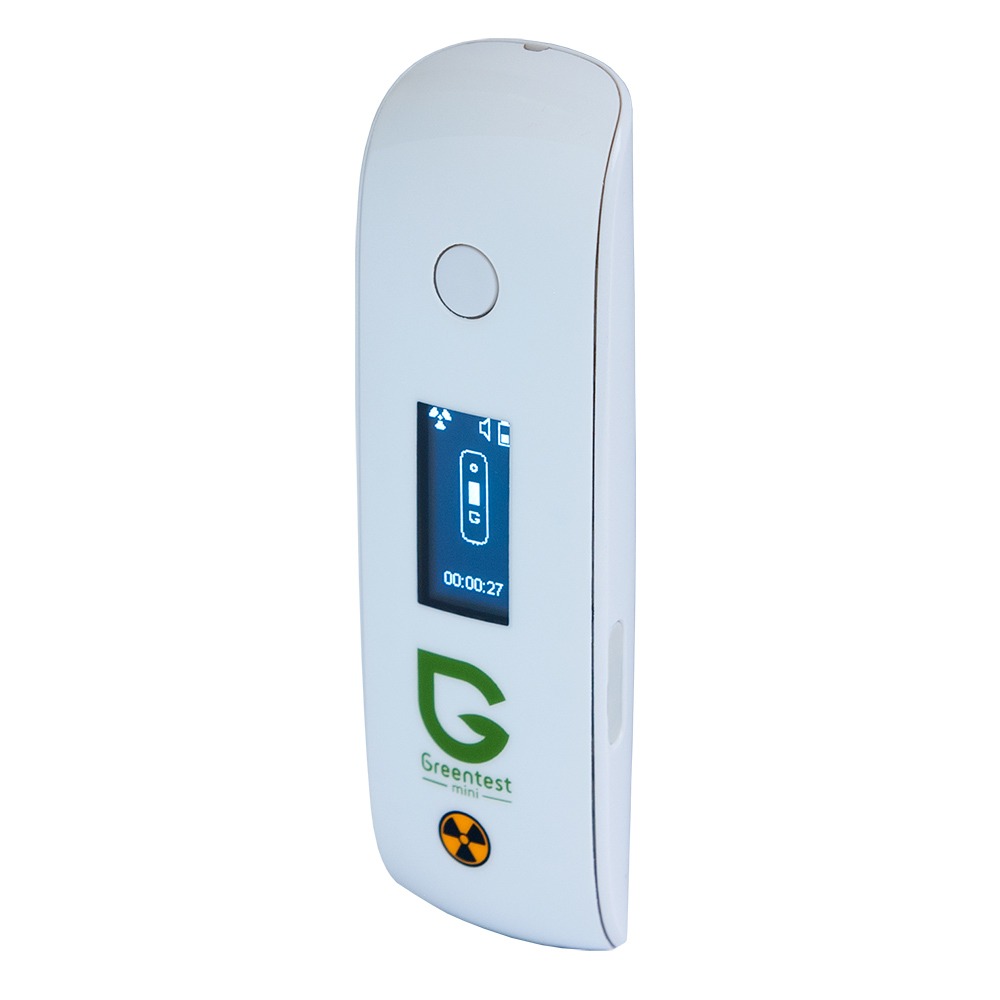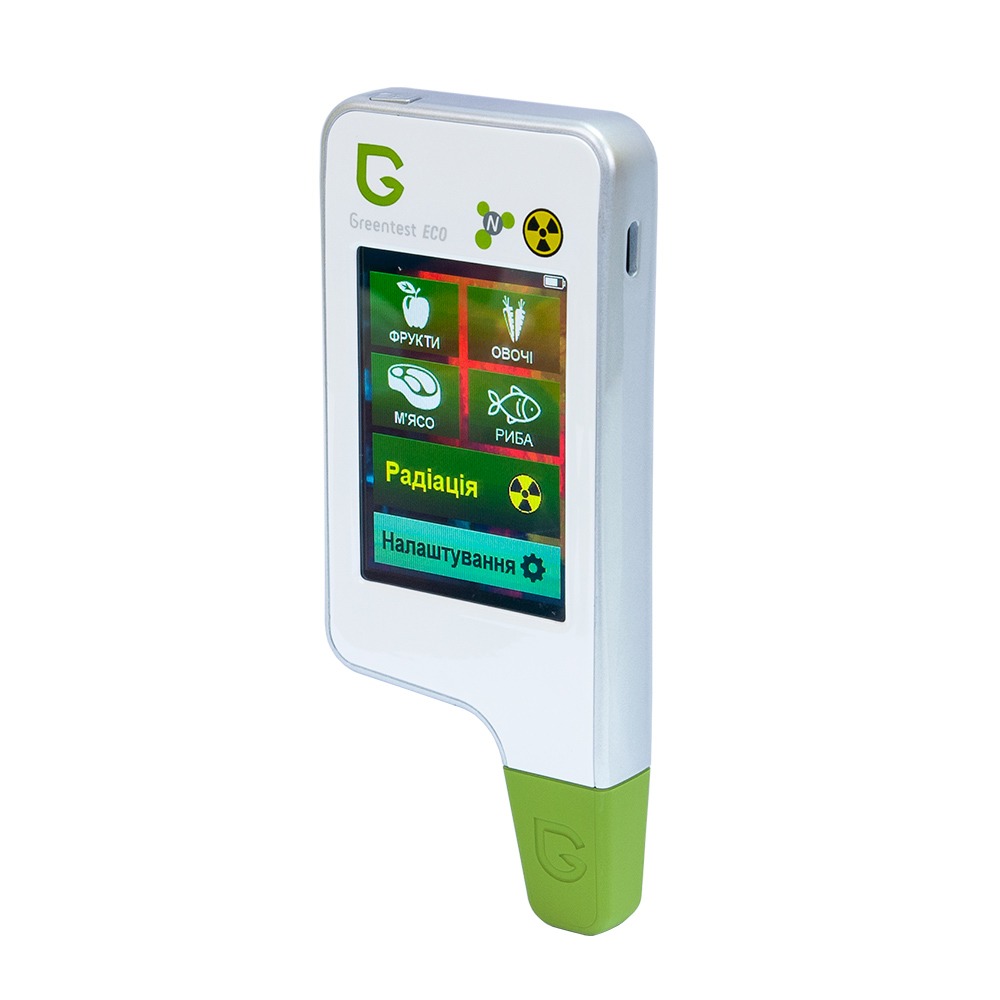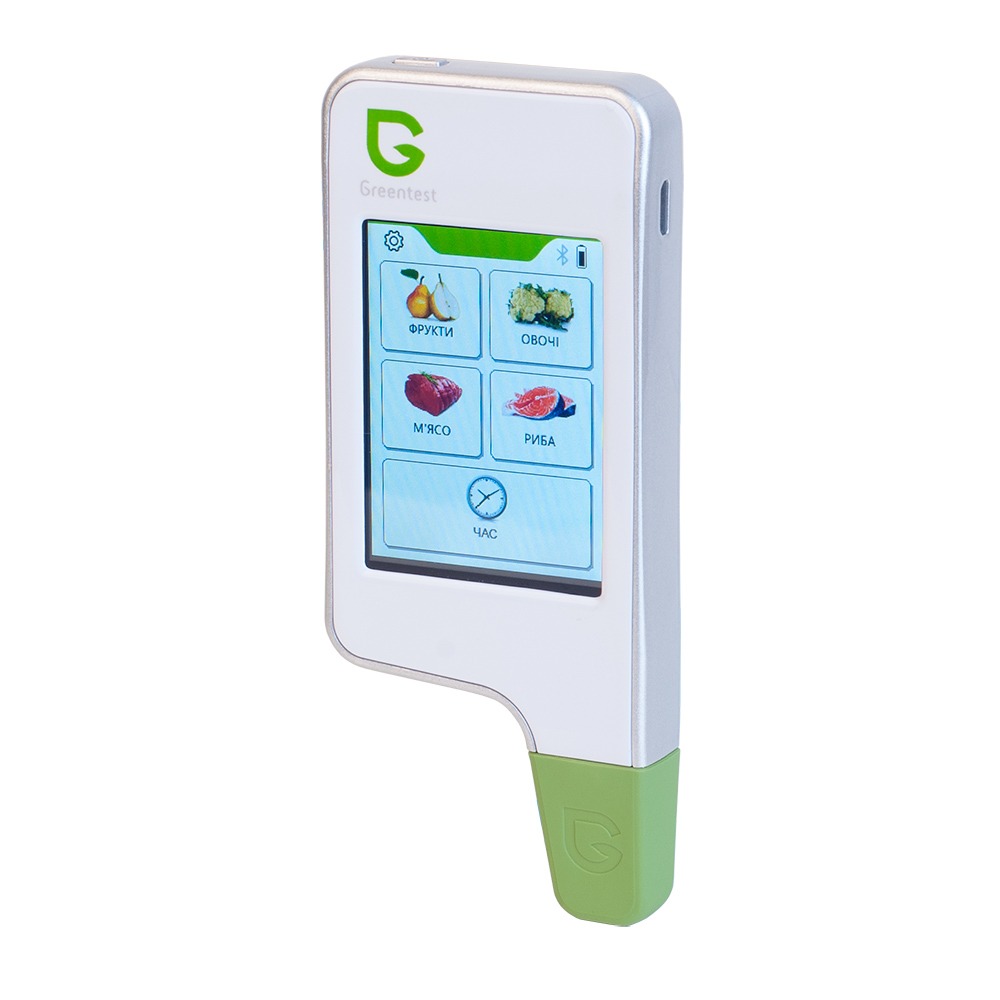
ANMEZ Greentest-2 New
Delivery and payment
Choose your city or town to see the price with delivery there and when you can get it.
Pickup points
- Branch
- Parcel locker
Pros
- Results in ~3 seconds
- Touchscreen and easy-to-understand menu
- Profiles for >60 food products
- Compact and lightweight (90 g)
- mg/kg + color indication
Cons
- Probes puncture the food
- Does not replace laboratory analysis
- Does not detect pesticides or metals
What is the ANMEZ Greentest-2 New?
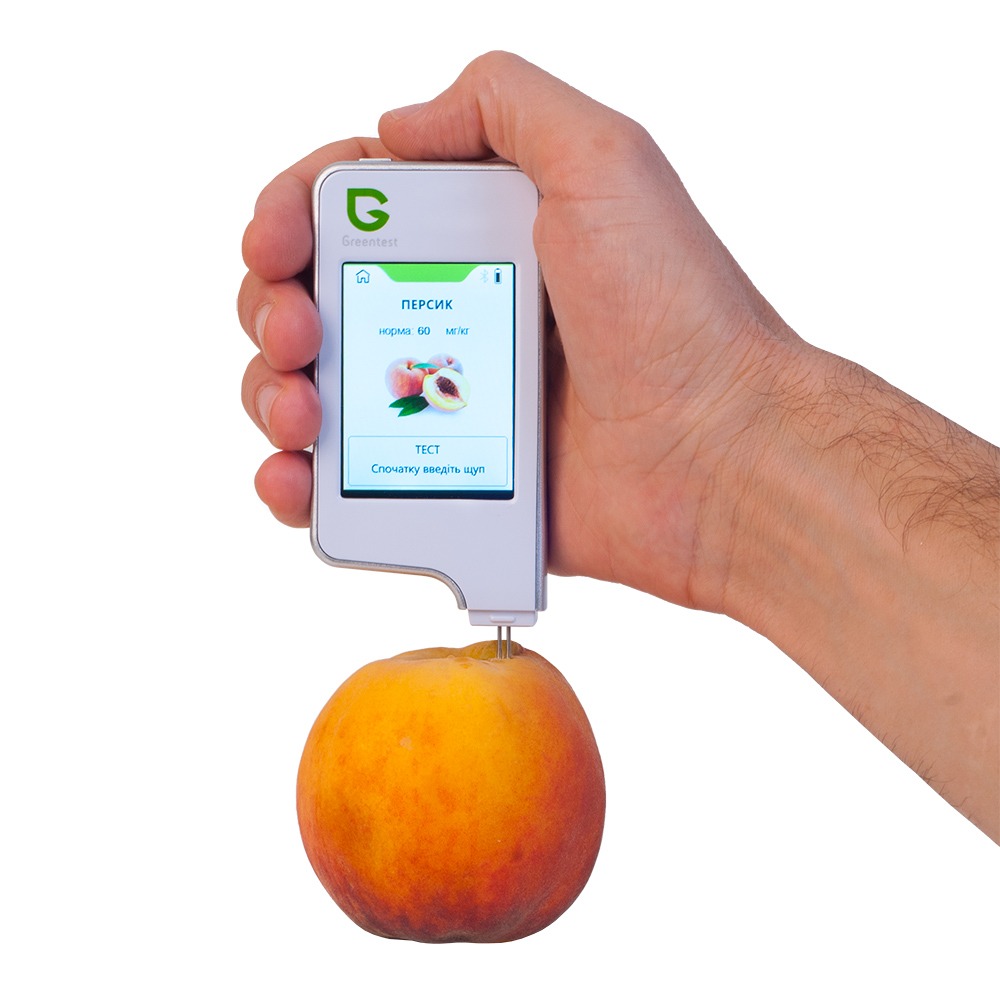
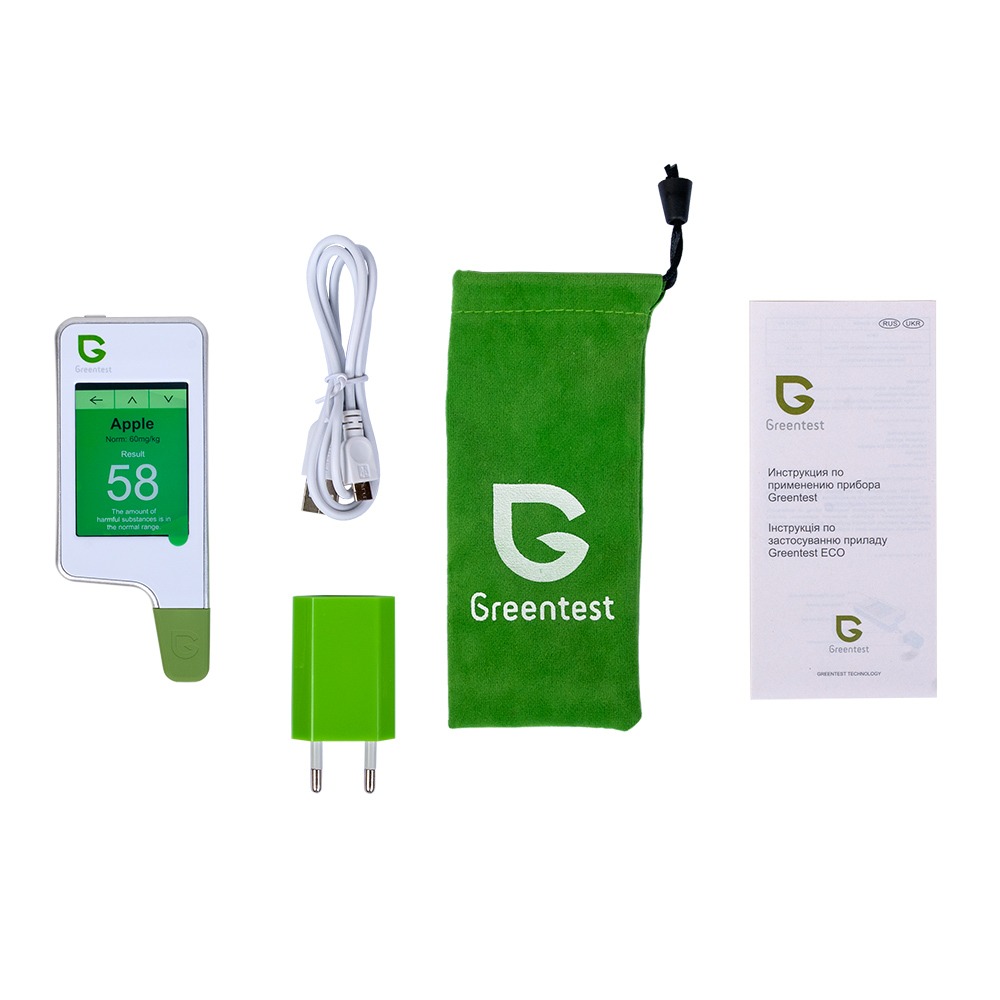
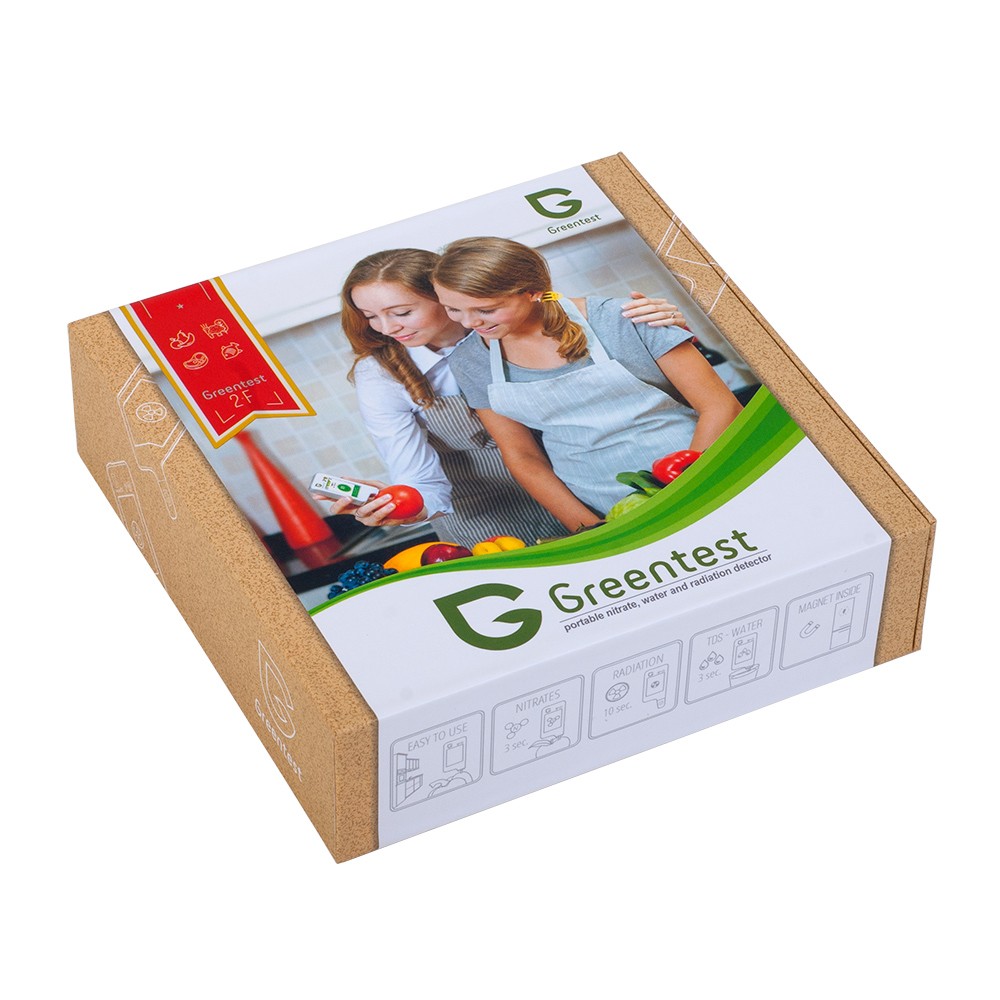
The ANMEZ Greentest-2 New is a consumer nitrate tester with a touchscreen that quickly estimates nitrate levels in food and displays the result in mg/kg. The idea is simple: you're at a market or supermarket, you pick up a seemingly perfect strawberry, zucchini, or piece of meat, and insert the probe. Within seconds, you get a reading and a color indicator showing how it compares with the reference limits for the selected food.

What it measures (and what it doesn't)
The Greentest-2 New is designed specifically for quick estimates of nitrates in food (the menu is usually divided into categories such as “fruit,” “vegetables,” “meat,” and “fish”). It's important to understand its limits: the device is not a detector for everything harmful. It does not detect pesticides, herbicides, heavy metals, antibiotics, microbiological risks, or freshness. In other words, it's a tool for making a quick buy-or-pass decision based specifically on nitrates, not a universal food safety scanner.
How the test works: quick, but with some caveats
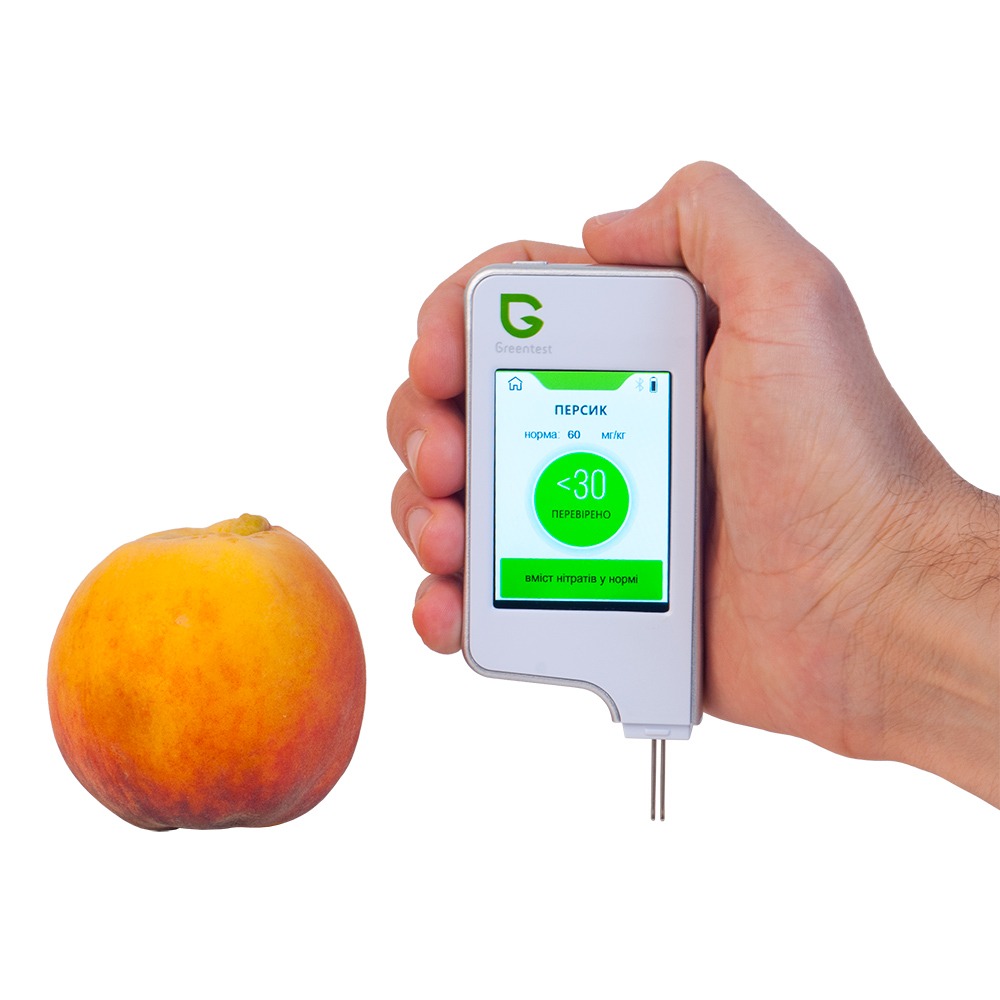
The device takes a measurement through the probe or probes inserted into the flesh. You then see:
- a reading in mg/kg;
- a color-coded assessment (roughly “OK / borderline / best avoided”);
- sometimes, brief on-screen guidance.
The stated measurement time is approximately 3 seconds, and the permissible error is up to 10%. That's normal for a consumer device, but it's also a reminder not to draw sweeping conclusions from a single test.
How to use it without getting misled
Here are the practical basics that really affect the result:
- First select the exact food in the menu, and only then insert the probe.
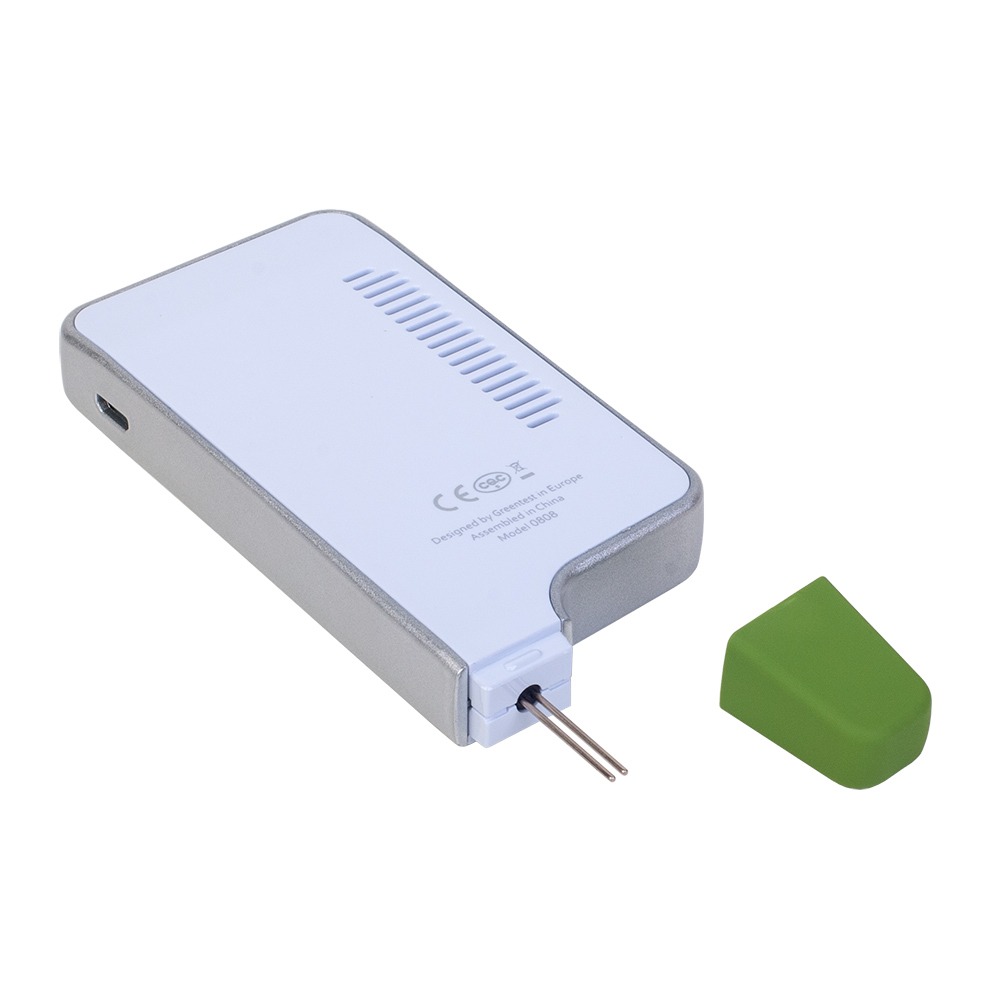
- Insert the probe a short way into the flesh (approximately up to 10 mm), avoiding any “dry” spots.
- Take 2–3 measurements at different points and use the average: nitrates are not distributed evenly.
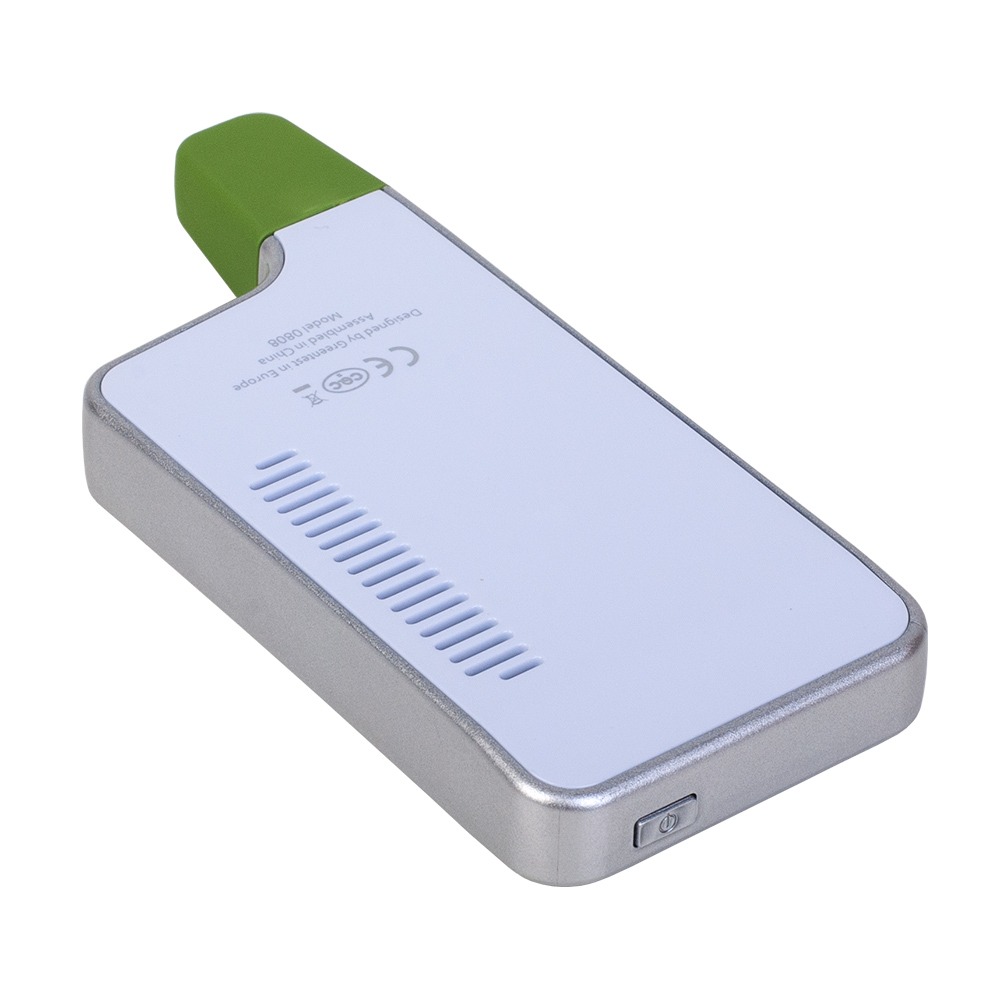
- After testing, wipe the probe with a dry tissue (or very carefully with an alcohol wipe), then put on the protective cap.
One more consideration: if you see a high reading in a particular area (near the stem, core, etc.), sometimes simply avoiding that part is enough. But if it's “red” almost everywhere, it's better to pass, no matter how good the food looks.


Screen, interface, and everyday speed
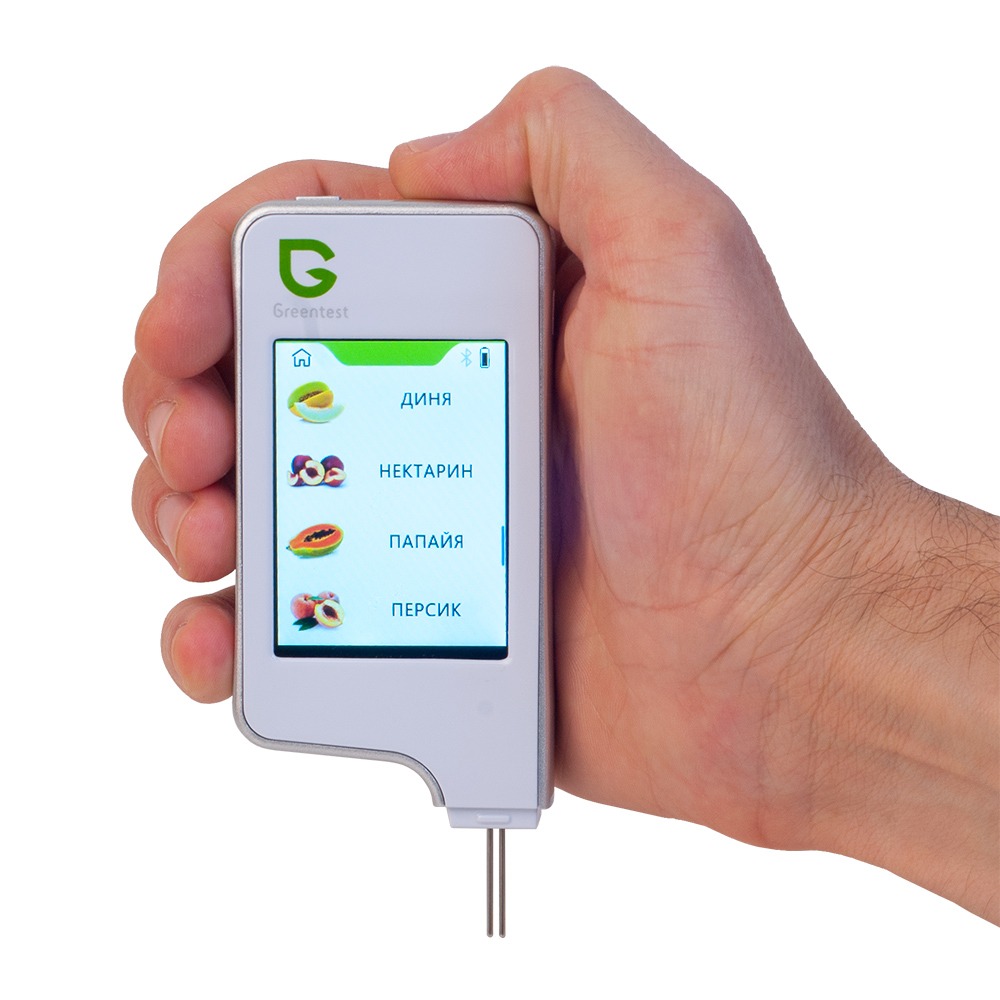
The Greentest-2 New has a color TFT touchscreen display (320×240). In everyday use, that means you can actually use it on the go without reading a 40-page manual. Select the food, insert the probe, and get the result. Another nice touch is the color indicator, which answers the question “is that a lot or a little?” for anyone who doesn't want to memorize nitrate limits for beets and strawberries at the same time.
Battery life and charging
Inside is a 720 mAh Li‑ion battery. It charges via USB (5 V). The stated operating time depends on settings and usage (brightness, auto shutoff, and how often you test), but the general idea is that this isn't a device that lasts just 10 minutes. It's a fully portable gadget you can carry in a bag and charge like a phone.
Who it's for
The Greentest-2 New is best suited to people who regularly buy food directly from sellers, at markets, or at seasonal stands, or who simply want an extra level of control for their family, especially if there are children at home. If you expect laboratory accuracy, a universal analysis for every possible contaminant, or a definitive verdict on food from a single test, it's better to think of this device as a quick household indicator rather than the final word.
Bottom line
The ANMEZ Greentest-2 New is a compact, fast, and easy-to-use nitrate tester with a touchscreen that provides immediate practical help when you're shopping. The best strategy is to take several measurements, look at the overall trend, and remember that it's about nitrates, not every chemical in the world.