Nitrate testers

ANMEZ Greentest-ECO-6
6899 ₴
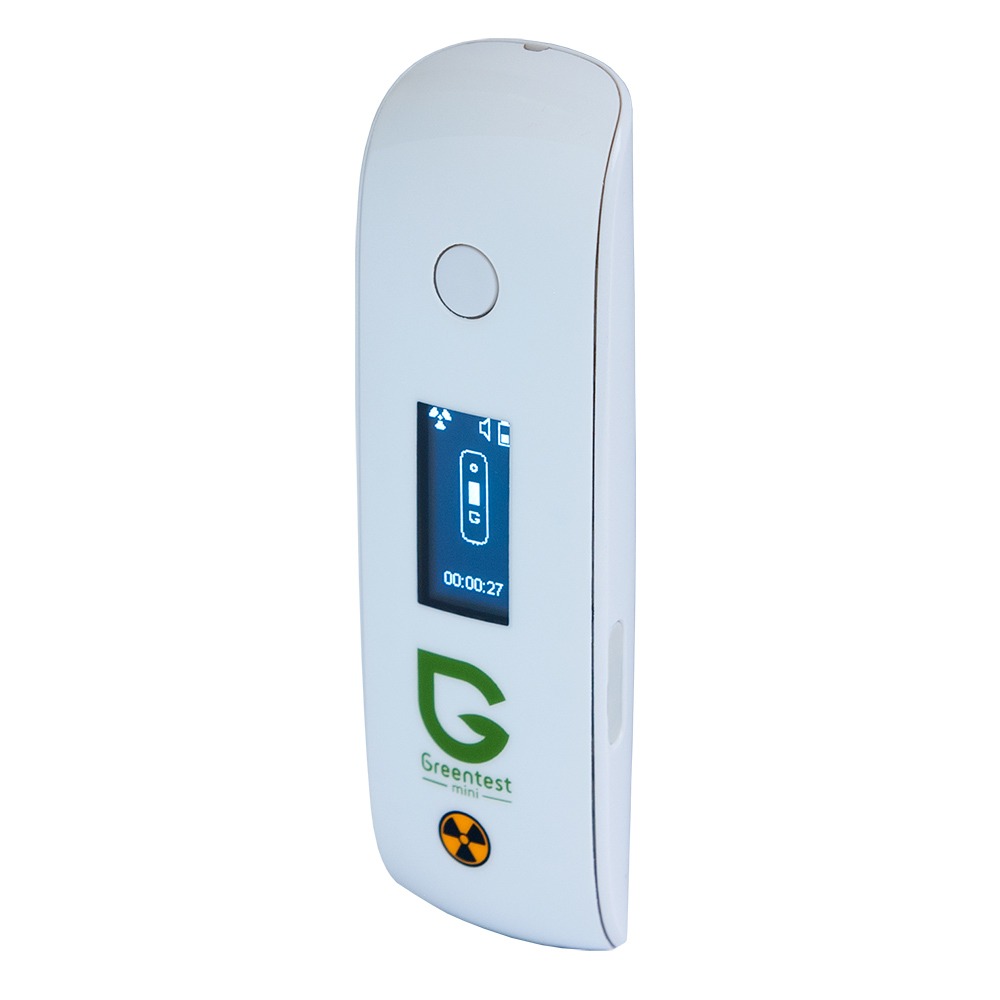
ANMEZ Greentest
from 5099 ₴
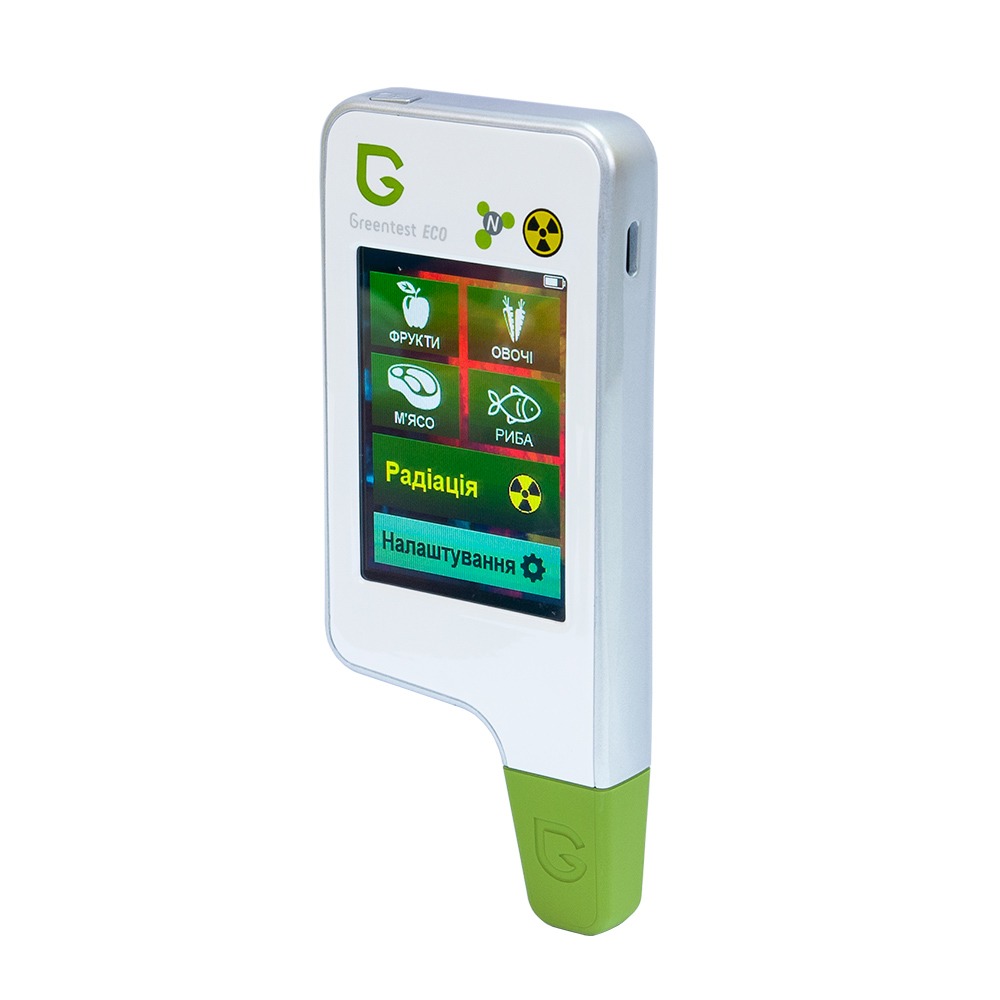
ANMEZ Greentest-ECO-4
8199 ₴
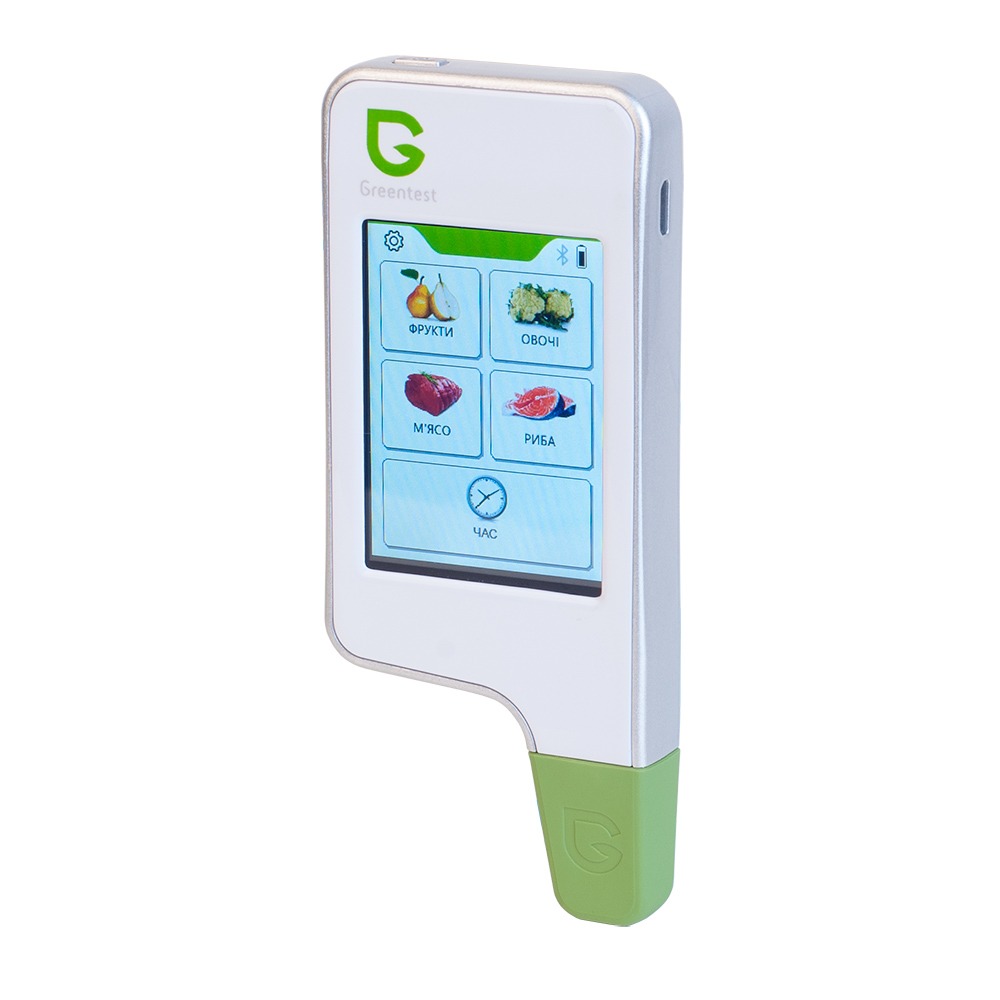
ANMEZ Greentest-2 New
5699 ₴
How to choose
A nitrate tester helps you quickly check vegetables, fruit, and other foods before buying or consuming them. This type of device is especially useful for people who regularly buy fresh produce, have children, or simply want to monitor food quality more closely at home.
What and how the device measures
Start with the basics: which measured parameters the device supports and its nitrate measurement range. This directly affects which foods the device is suitable for and whether it can correctly show results in the situations you need.
Also consider the measurement method. For the buyer, this matters less from a technical standpoint than for understanding how convenient, repeatable, and easy to understand the measurement will be in everyday use.
Probe and testing speed
For home use, it is important how easy it is to place or insert the probe into a food item. Available specifications include an integrated probe and a metal working part that contacts the food. This is convenient if you want an all-in-one device without separate replaceable parts.
Also evaluate the measurement time and recommended probe insertion depth. A value of 3 seconds means very fast testing, while a recommended depth of 10 mm suggests that measurement does not require deeply piercing the food. This is convenient for everyday checks in the kitchen or at the store.
How easy the result is to understand
If you do not want to interpret numbers every time, look at the result indication format. The specifications include options with a numeric value and a color scale. A number provides a more precise idea of the reading, while color indication helps you quickly get oriented without lengthy analysis.
The food selection mode and number of food product profiles in memory are also important for convenience. Menu selection is suitable for those who want to set the device for a specific type of food before testing. The available data lists 60 profiles, so the better the device is adapted to different foods, the easier it is to use at home. A consumer-class nitrate tester means that the device is intended for home rather than professional use.
Power and everyday convenience
Before buying, check what powers the device and what battery size it requires. This affects how easily you can replace the batteries if you often take the nitrate tester with you to the market, store, or countryside.
Auto power-off and a low battery indicator are useful for everyday use. The first feature helps avoid wasting power, while the second reduces the risk of getting an incomplete or inconvenient measurement at the wrong moment.
Accuracy and operating conditions
Evaluate the device not only by its speed, but also by its measurement accuracy (error). The available specifications state an accuracy of 10%, and this is an important guideline for understanding that a nitrate tester helps with everyday food assessment rather than replacing laboratory analysis.
If you plan to use the device in different conditions, consider the operating temperature range, allowable humidity, and Ingress Protection (IP rating). These parameters help you understand how well the device will handle storage, transportation, and use away from home.
Tips
- If you want to quickly check foods while shopping, choose a model with a short measurement time and simple menu-based food selection.
- For home use, it is more convenient when the result is shown not only as a number but also on a color scale.
- Before buying, check which batteries the device requires and whether it has a low battery indicator, so you are not left without a measurement when you need one.
- Do not treat a nitrate tester as a laboratory instrument: measurement accuracy is important, so view the result as a practical guideline for everyday monitoring.