Anemometers
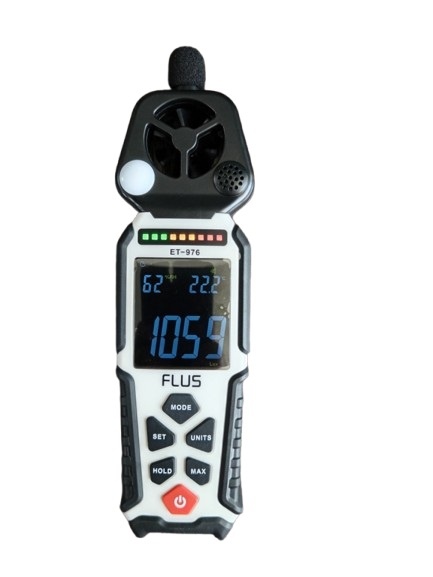
FLUS ET-976
5499 ₴
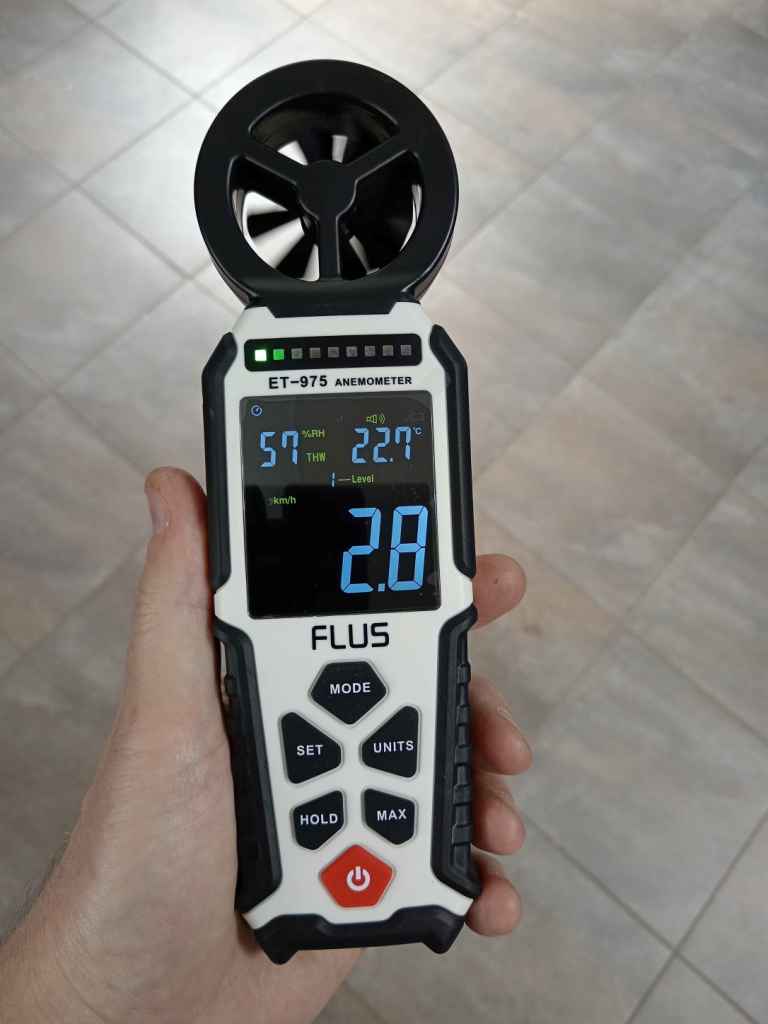
FLUS ET-975
3099 ₴
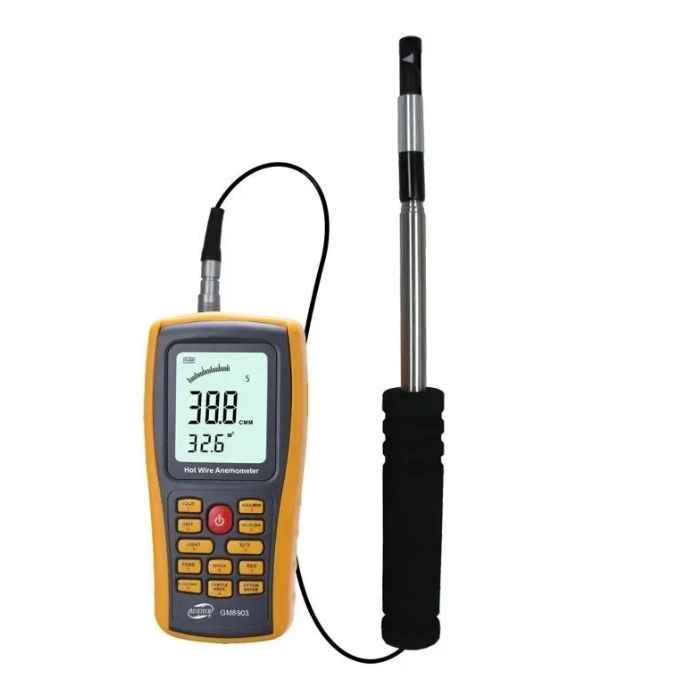
Benetech GM8903
8199 ₴
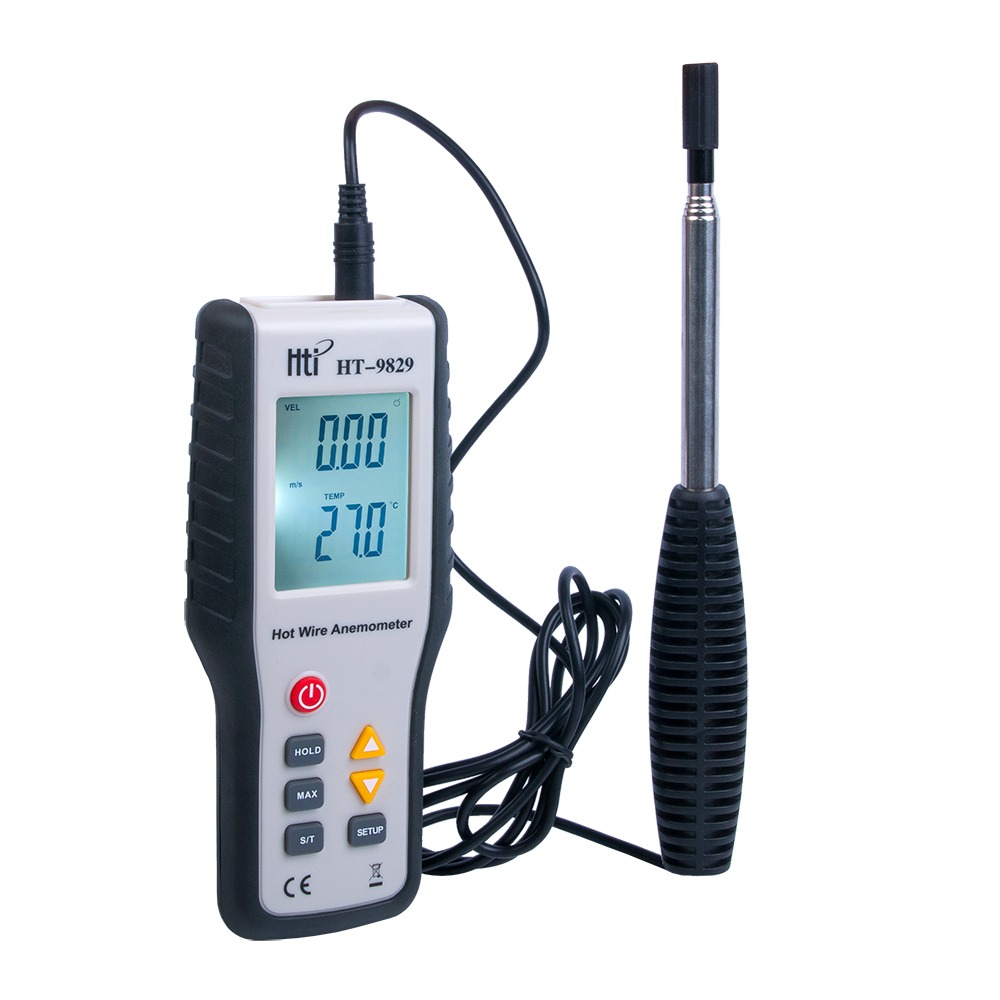
HT-9829 Xintest
4399 ₴
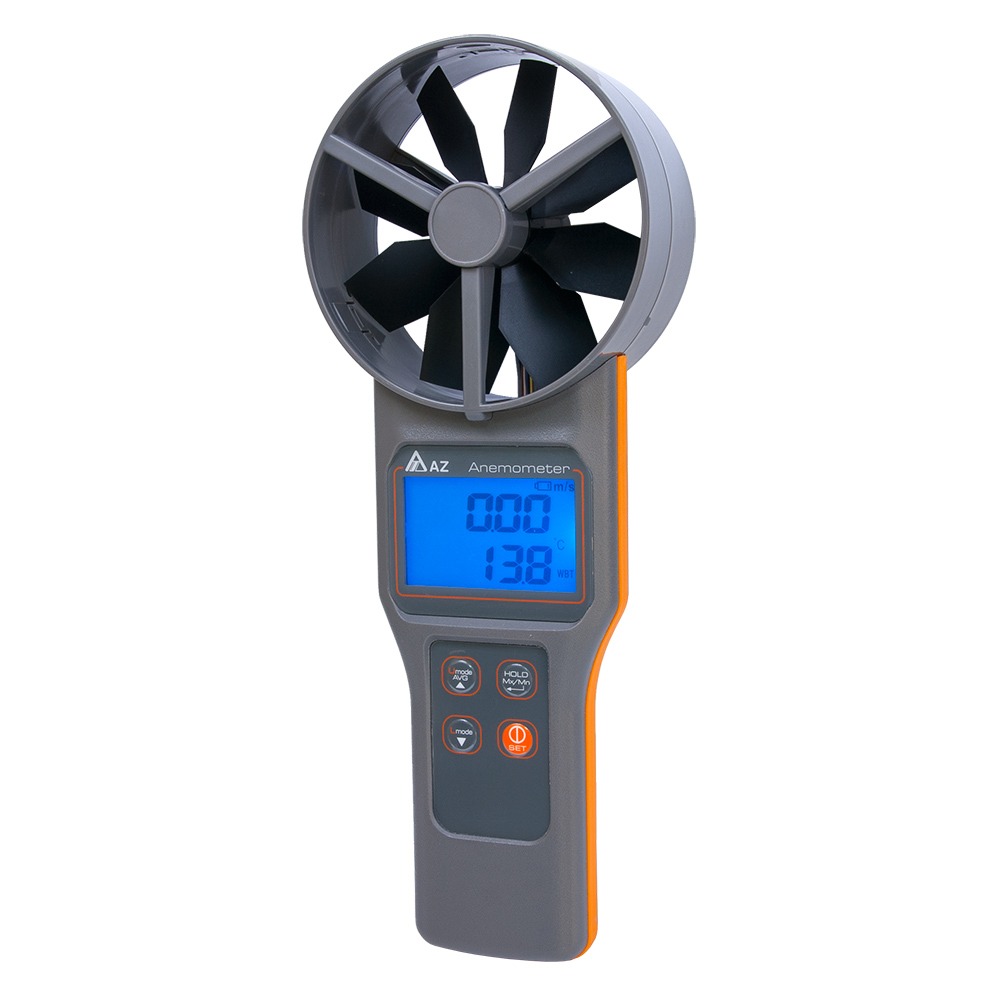
AZ-8919
29999 ₴
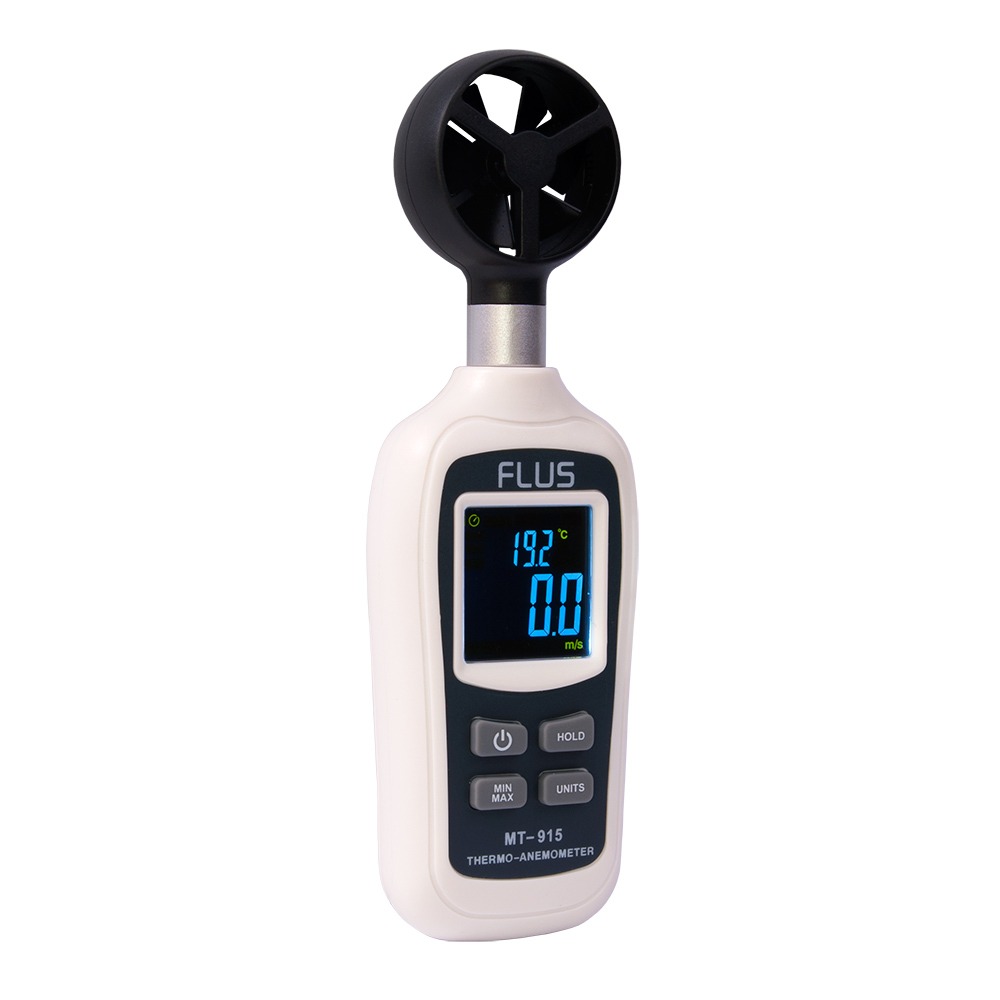
Flus MT-915
1299 ₴
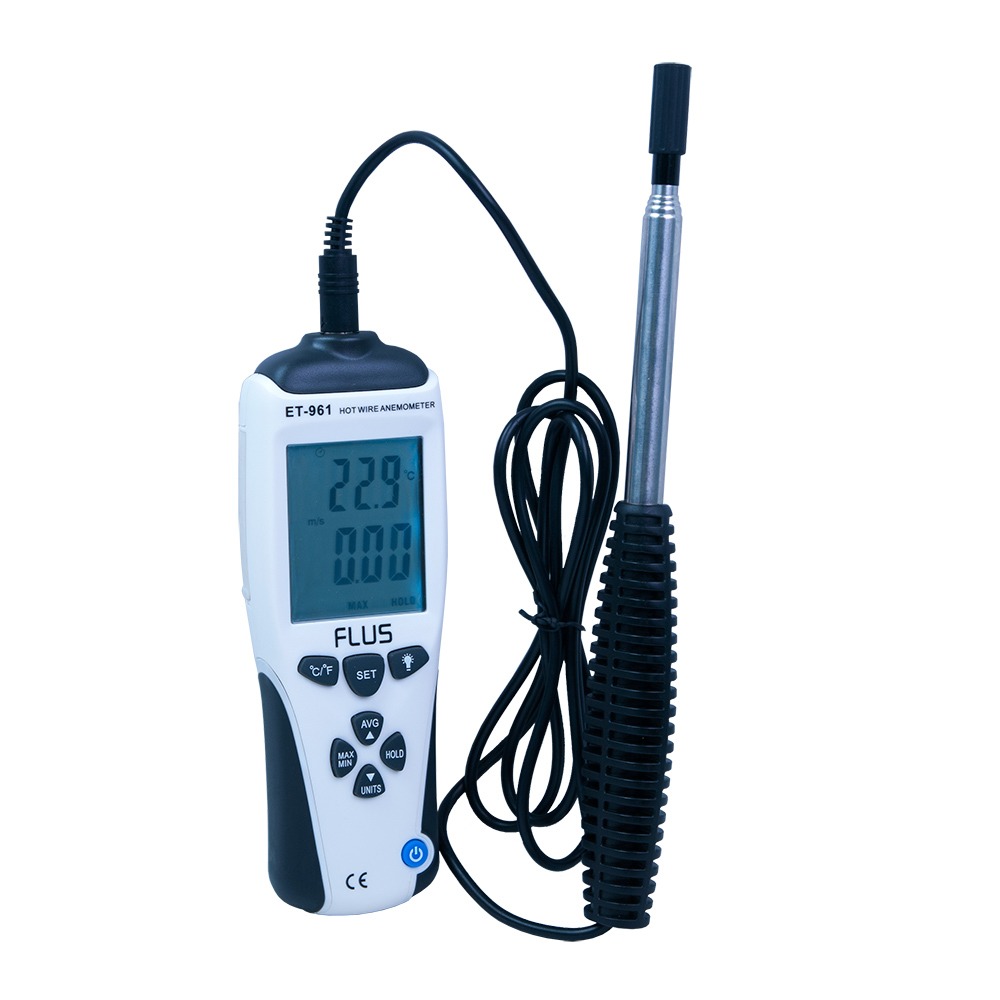
Flus ET-961
5599 ₴
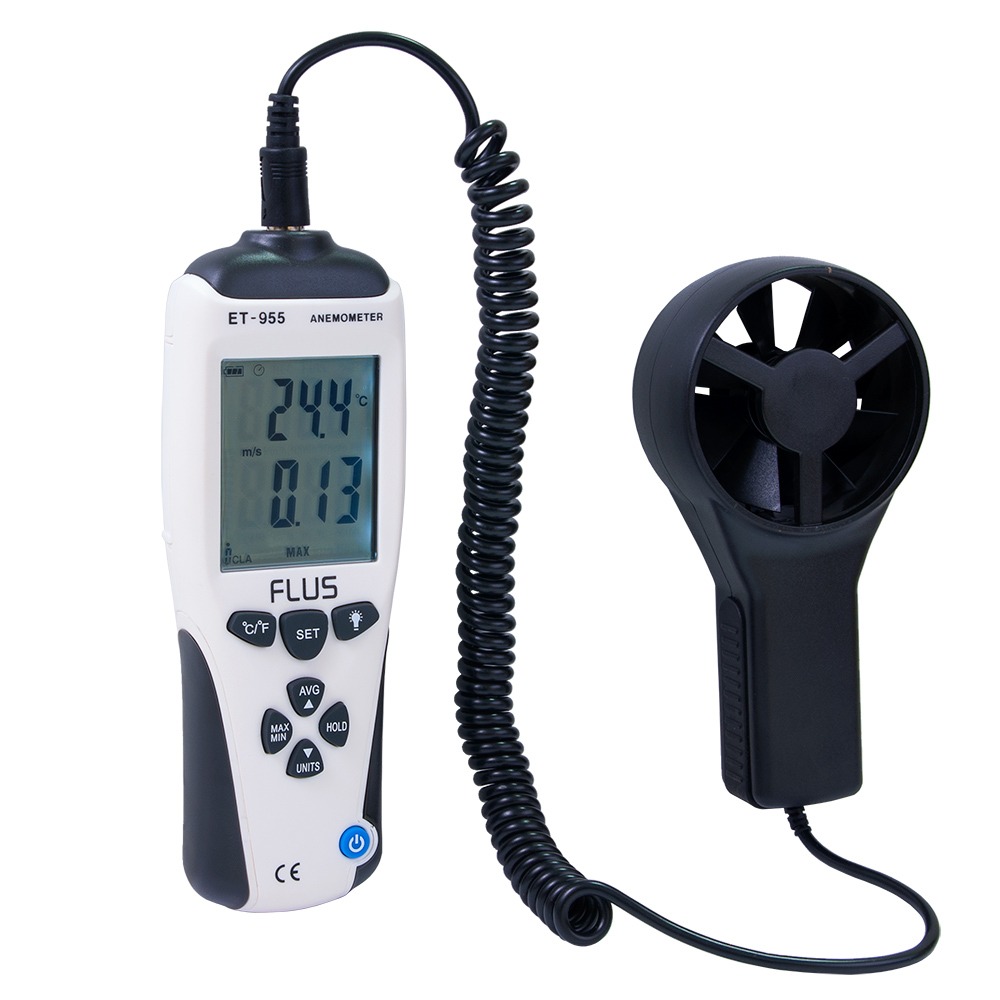
Flus ET-955
4599 ₴
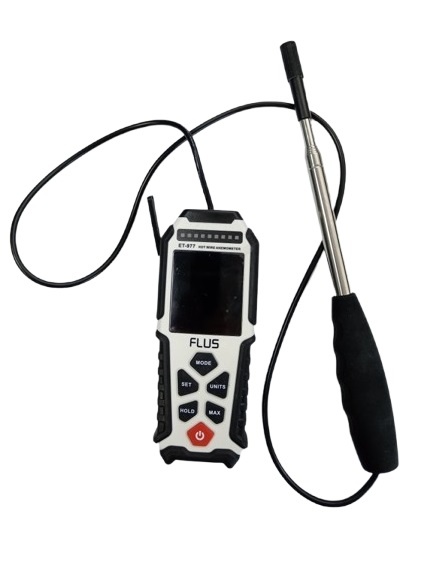
Flus ET-977
5299 ₴
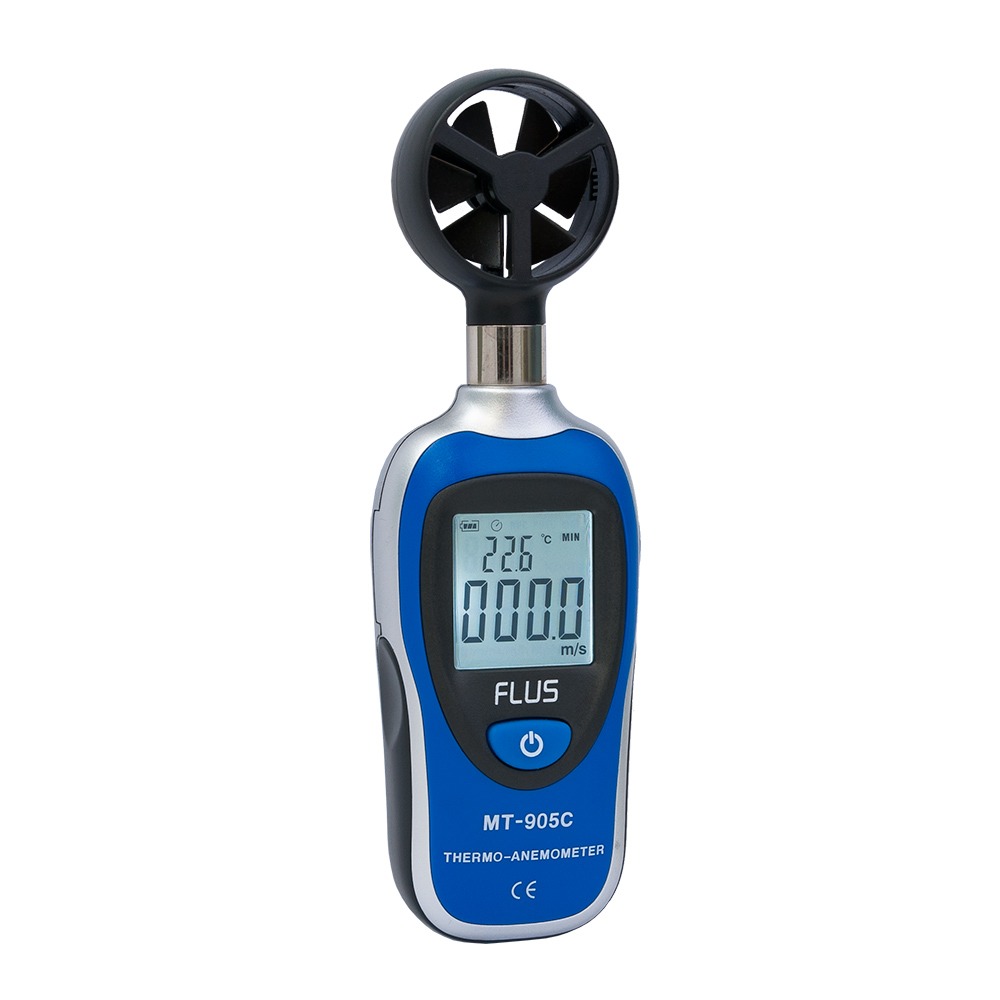
Flus MT-905C
2099 ₴
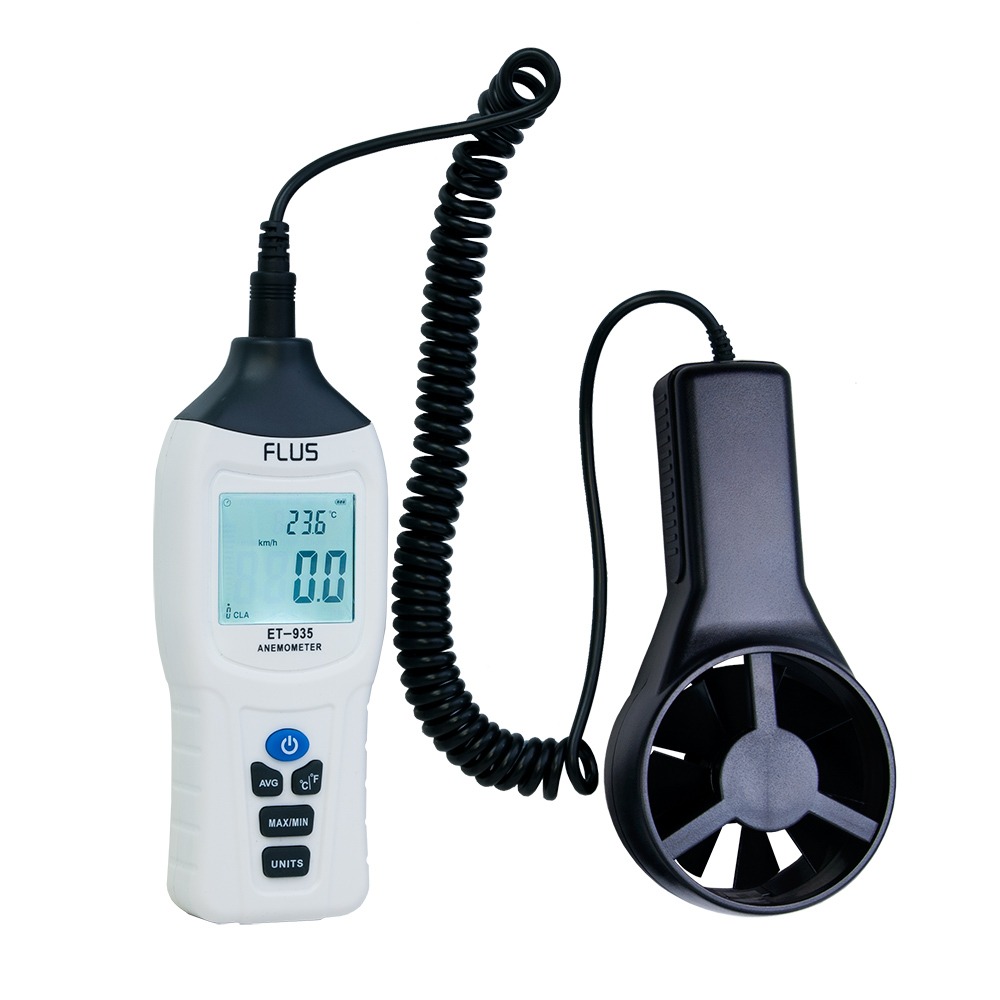
Flus ET-935
2499 ₴
How to choose
An anemometer is useful when you need to measure airflow or wind speed and monitor air temperature. This type of instrument is helpful for checking ventilation, working with air ducts, installing and servicing equipment, or taking field measurements. To choose a suitable option, consider not only its ability to measure, but also probe convenience, accuracy, display, and power source.
What the instrument measures
First, check which measured parameters the anemometer supports. This category includes models that measure wind speed and air temperature, so one instrument can handle several basic tasks at once.
If you are used to working in specific units, pay attention to the supported display formats. For speed, these may include m/s, km/h, mph, knots, or ft/min, while temperature units may include °C and °F. This is especially convenient if you need to compare results with technical documentation or share data with colleagues without converting it manually.
Probe and measurement method
The anemometer probe type determines where it will be convenient to use the device. A vane is well suited for direct airflow measurement, while a remote probe is more convenient when it is difficult to bring the entire instrument housing to the measurement point.
If you work with ventilation, air ducts, or tight spaces, sensor design often affects comfort just as much as the numbers on the screen. It is therefore worth deciding right away whether you need a compact option for quick checks or a more flexible solution with a remote element.
Accuracy and ease of reading measurements
For practical use, not only the measurements themselves matter, but also how easily they can be interpreted. Pay attention to the wind speed accuracy specification and wind speed and temperature resolution: a smaller display increment helps you see slight changes in airflow or temperature without rough rounding.
Additional measurement functions and statistics such as Max/Min, Average, Hold, and wind speed histograms can be useful. An LCD display makes readings easy to see, while backlighting is helpful in dark technical rooms or during field work. If you often rely on average values, also consider the averaging window.
Airflow calculation
If you need an anemometer not only for airflow speed but also for assessing ventilation efficiency, check whether it has a volumetric airflow measurement mode. In this case, the instrument can calculate the result based on the cross-sectional area.
This is especially useful when working with air ducts, where it is important to understand not just speed but the total volume of air passing through the duct. Before buying, make sure the instrument supports duct / cross-sectional area input in the required range and that you actually need this mode for your tasks.
Power source and field use
For field measurements, it is important for the instrument to operate independently and not require constant access to an outlet. Models with replaceable batteries are convenient because the power source can be replaced quickly, and it is best to check the battery size and quantity in advance so you do not have to look for a compatible option at the last minute.
Auto power-off and a low-battery indicator provide additional convenience. If you work for long periods or travel frequently, also consider the stated battery runtime and the instrument's weight: a lighter housing is easier to carry throughout the day.
Tips
- For ventilation and air ducts, choose a model with volumetric airflow measurement mode, not just a speed display.
- If measurements are taken in different unit systems, make sure the instrument supports the required wind speed and temperature units.
- For work in hard-to-reach places, an anemometer with a remote probe is more convenient than a model with the sensor located only on the housing.
- If you often work in dark rooms, look for an LCD display with backlighting and a hold function.
- For regular field trips, it is more convenient to choose an instrument with replaceable batteries, a battery indicator, and auto power-off.