Thermocouples and temperature sensors
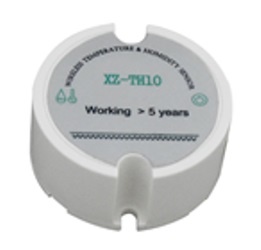
XZ-TH10
1599 ₴
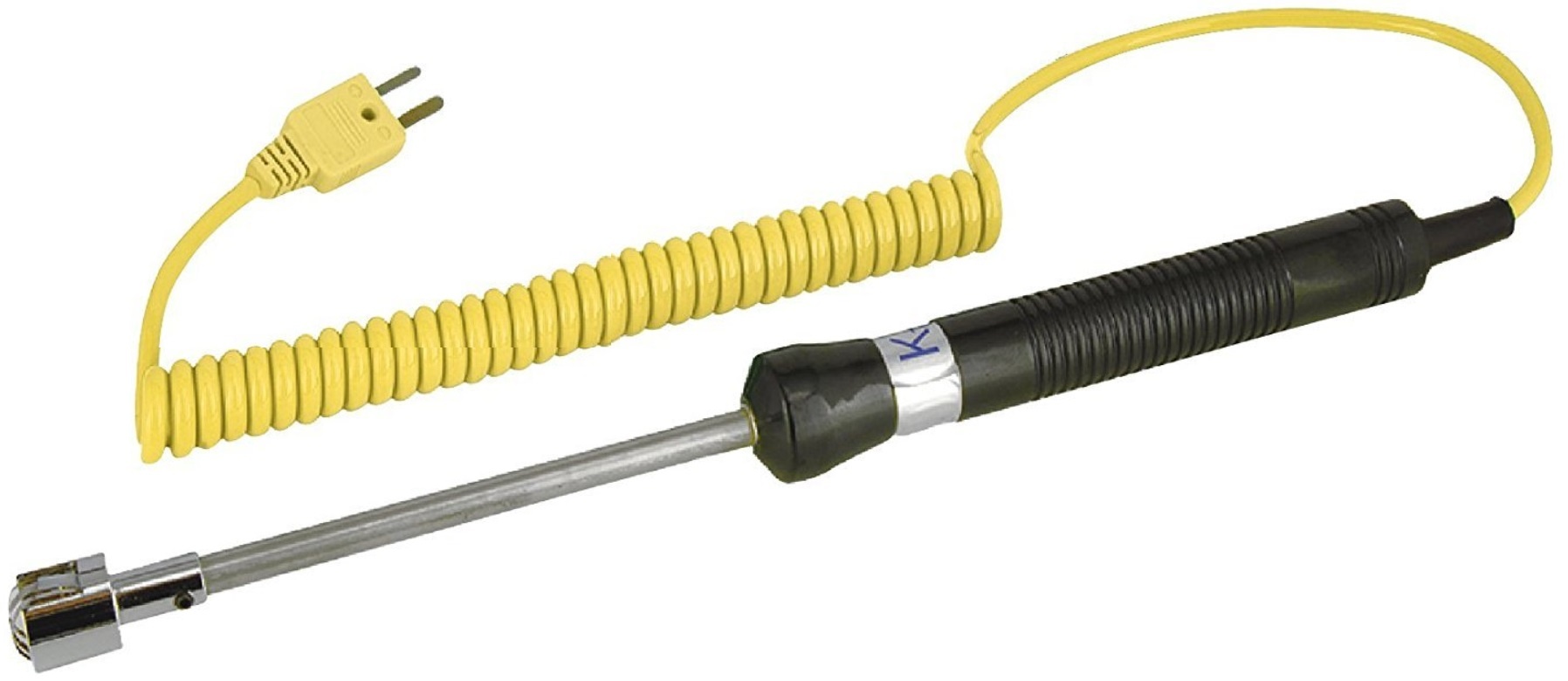
K-type straight thermocouple 150 mm
659 ₴
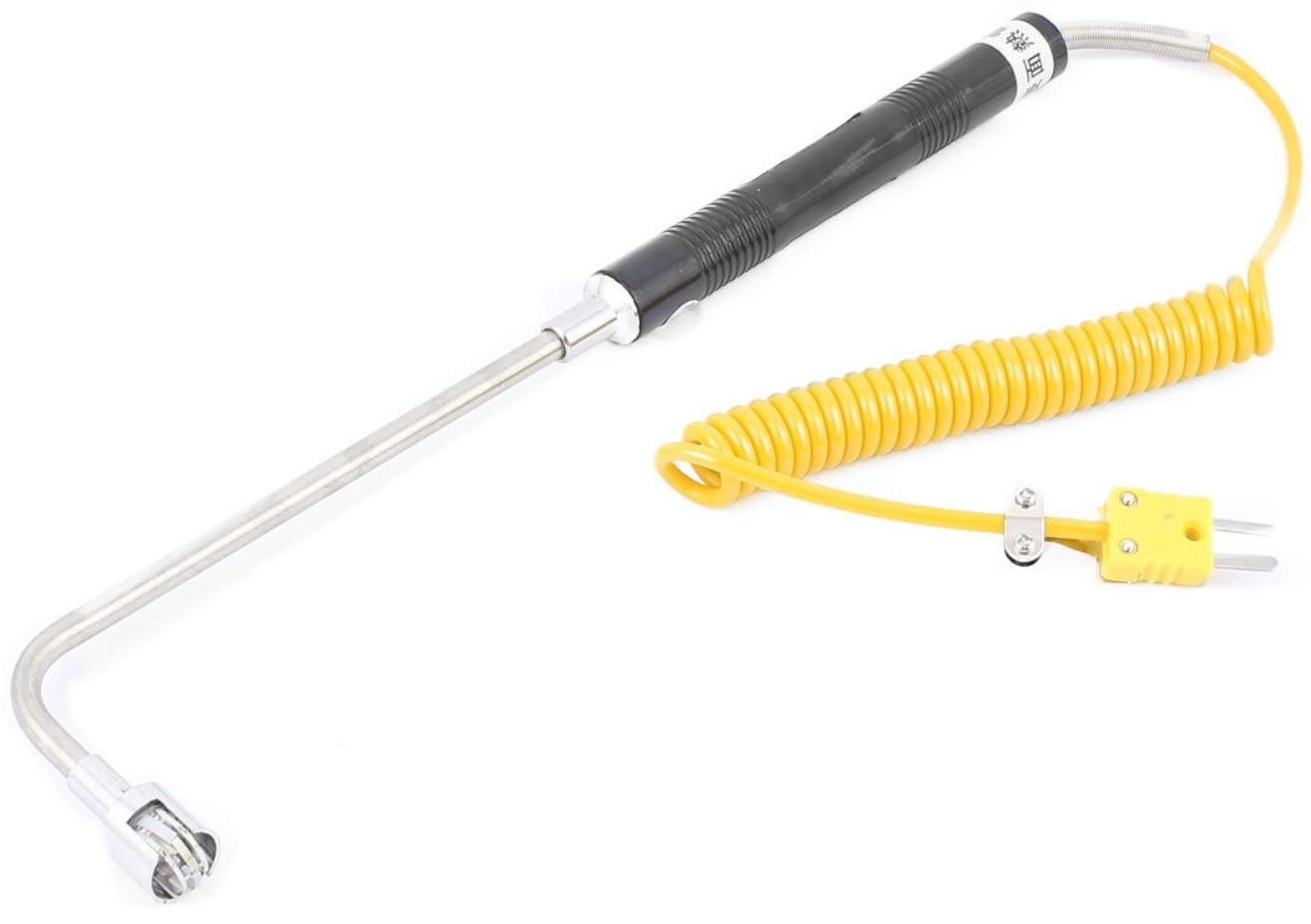
K-type angled thermocouple 150 mm with 15 mm diameter sensor
799 ₴
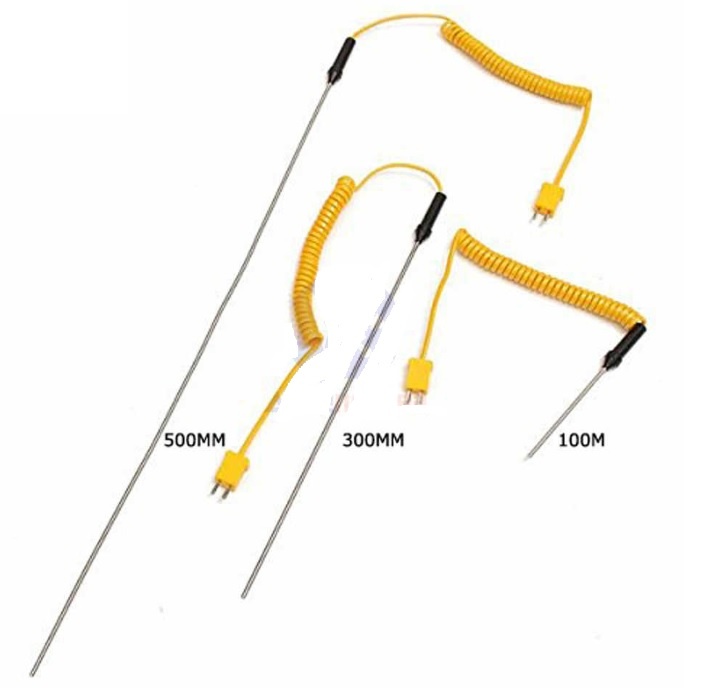
K-type thermocouple, straight, 300 mm
279 ₴
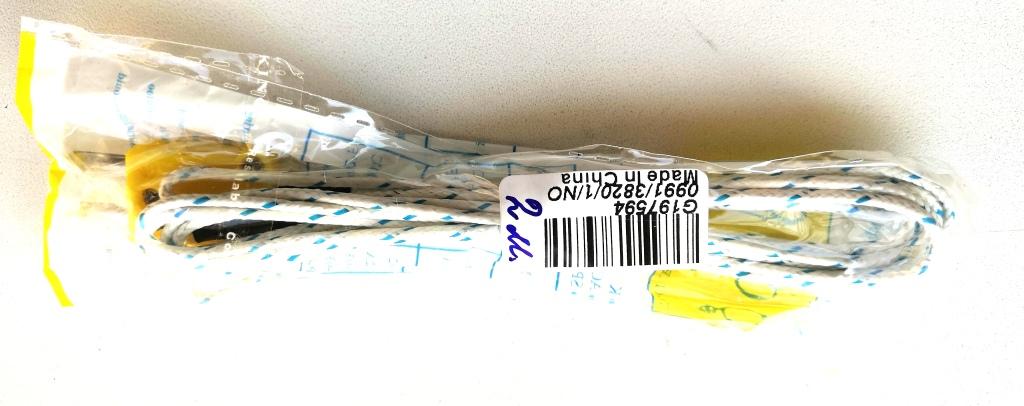
K-type flexible thermocouple with 2-meter lead wire
159 ₴
How to choose
Thermocouples and temperature sensors are needed by anyone who wants to connect an external sensor to an indicator, multimeter, data logger, or temperature controller. To make the right choice, first check compatibility with your device, the sensor construction, and the conditions in which it will operate.
Compatibility with your device
First, check which thermocouple type your measuring device supports. The available data lists supported type K, so this sensor will work only with equipment designed for this type of input.
It is also important to know which devices the sensor is intended to work with. The catalog for this category lists a temperature indicator, multimeter, data logger, and temperature controller, so before buying, check not only the connector type but also how your device operates.
Also pay attention to the cold junction compensation (CJC) requirement. If external CJC is required, the accuracy of the readings depends on whether your device provides this compensation.
Construction and connection convenience
The sensor construction affects where and how it can be installed. If a flexible version is specified, it is convenient for measurements in hard-to-reach places or where the cable needs to be routed neatly without rigid mounting.
Lead wire length determines how far from the device you can take measurements without additional extensions. The available data lists 2 m, which is convenient if the temperature monitoring point is not right next to the device.
Lead wire insulation is also practically important. Fiberglass braid is usually chosen where heat resistance and maintaining the wire's properties are important, but you should compare this feature with actual operating conditions.
Thermocouple type and reading accuracy
The thermocouple type is related not only to compatibility, but also to how readings are produced. The catalog option lists NiCr–NiAl alloys, meaning Chromel–Alumel, which corresponds to type K.
The specifications also list an approximate sensitivity of 41. For the buyer, this primarily indicates that the sensor has a specific thermoelectric profile that your measuring device must be able to handle correctly.
Another important point is compatibility with the IEC 60584 standard and the requirement for correct polarity. If the connection is reversed, readings may be incorrect, so carefully check the markings before first use.
What you are buying and where you will use it
Within this category, carefully check the product type and measured parameters. This helps avoid confusing a standalone sensor, replacement probe, or compatible accessory with a complete measuring device.
If you are choosing a solution for a specific environment, be sure to check the permitted operating conditions: operating temperature, humidity, pressure, and, if needed, the IP rating. These characteristics indicate whether the sensor is suitable for a workshop, production setting, field measurements, or long-term stationary installation.
Before placing an order, it is also useful to see what is included. This lets you immediately understand whether one sensor is enough to get started or whether additional accessories or a compatible device will be needed.
Tips
- If your device supports only a type K thermocouple, choose a sensor with the same specified type and do not ignore the external CJC requirement.
- For a remote measurement point, it is more convenient to choose a sensor with a 2 m cable so you do not need to look for an extension immediately after purchase.
- A flexible construction is suitable for difficult installation and measurements in narrow spaces where a rigid probe may be less convenient.
- Before connecting, check the polarity and compatibility with the IEC 60584 standard, especially if the sensor is connected to a multimeter or controller.
- If the sensor will operate in demanding conditions, do not rely only on the thermocouple type: also check the operating temperature, humidity, and protection of the housing or connection area.