EXOTEK MC-460 S-10P Paper
Delivery and payment
Choose your city or town to see the price with delivery there and when you can get it.
Pickup points
- Branch
- Parcel locker
Pros
- Range up to 140% H2O
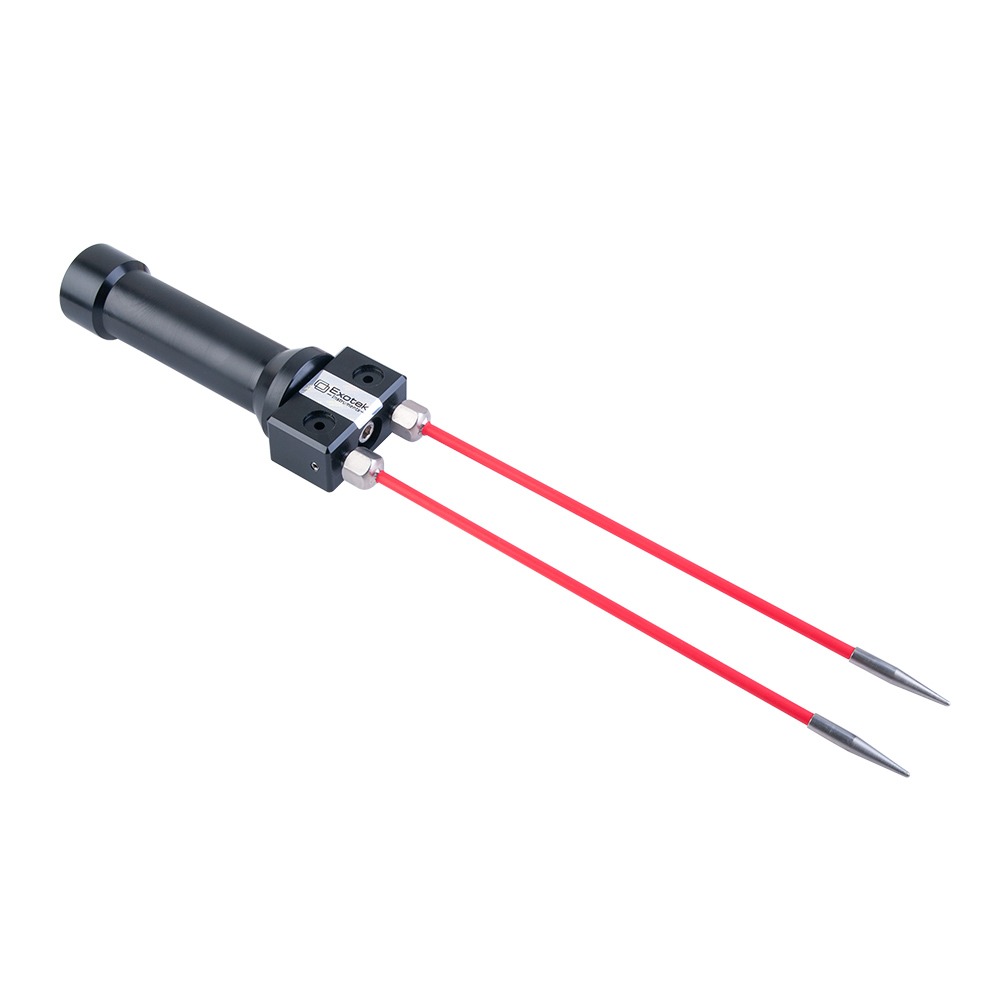
- S-30 hammer probe
- 264 species, 6 groups
- Polarization for wet wood
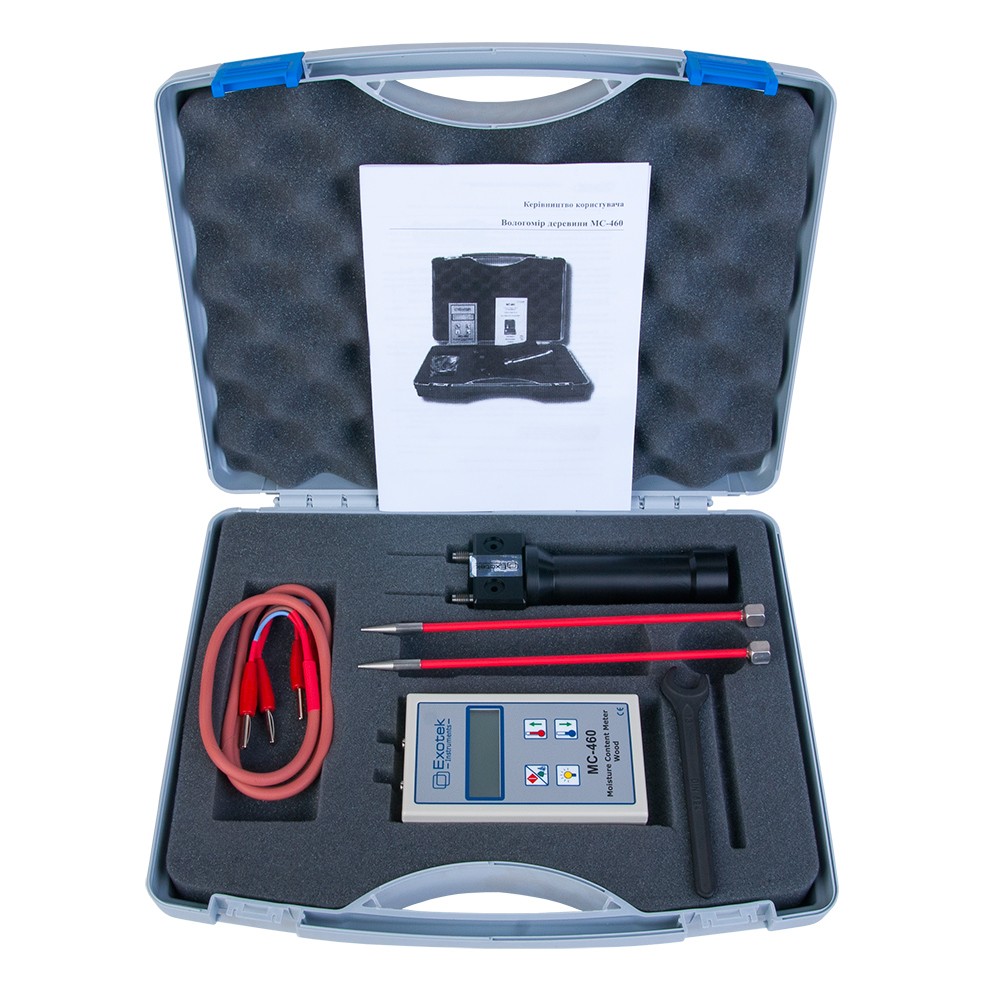
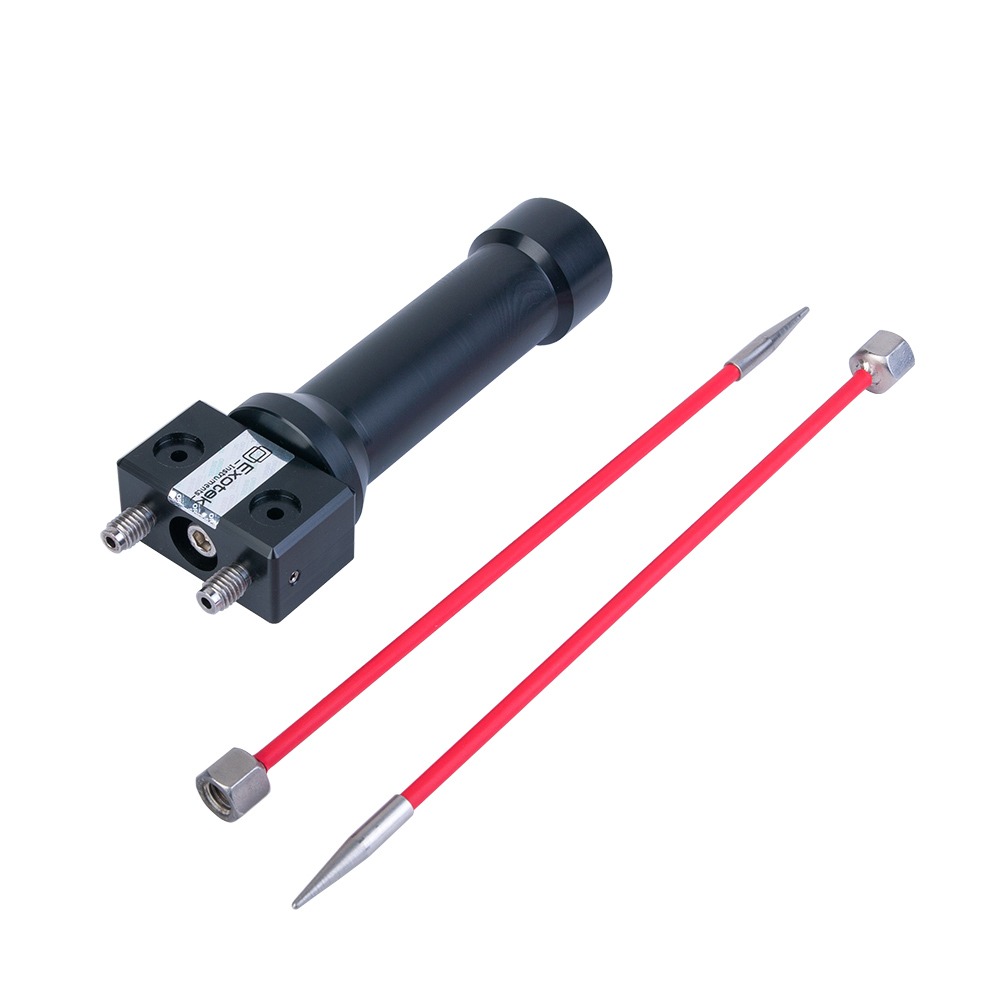
- Replaceable electrodes, hard case
Cons
- Leaves pinholes
- Temperature must be entered manually
- No Bluetooth or apps
EXOTEK MC-460 + S-30: when guessing moisture by eye is no longer funny
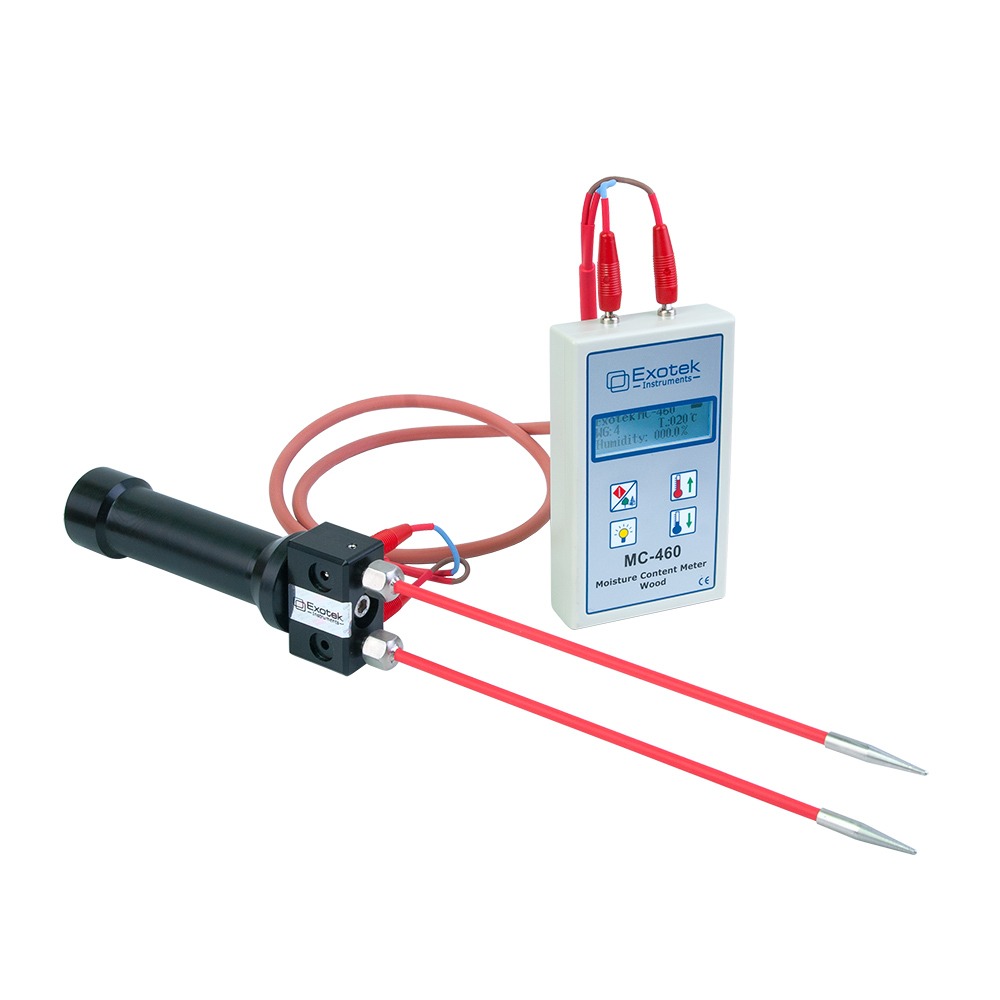
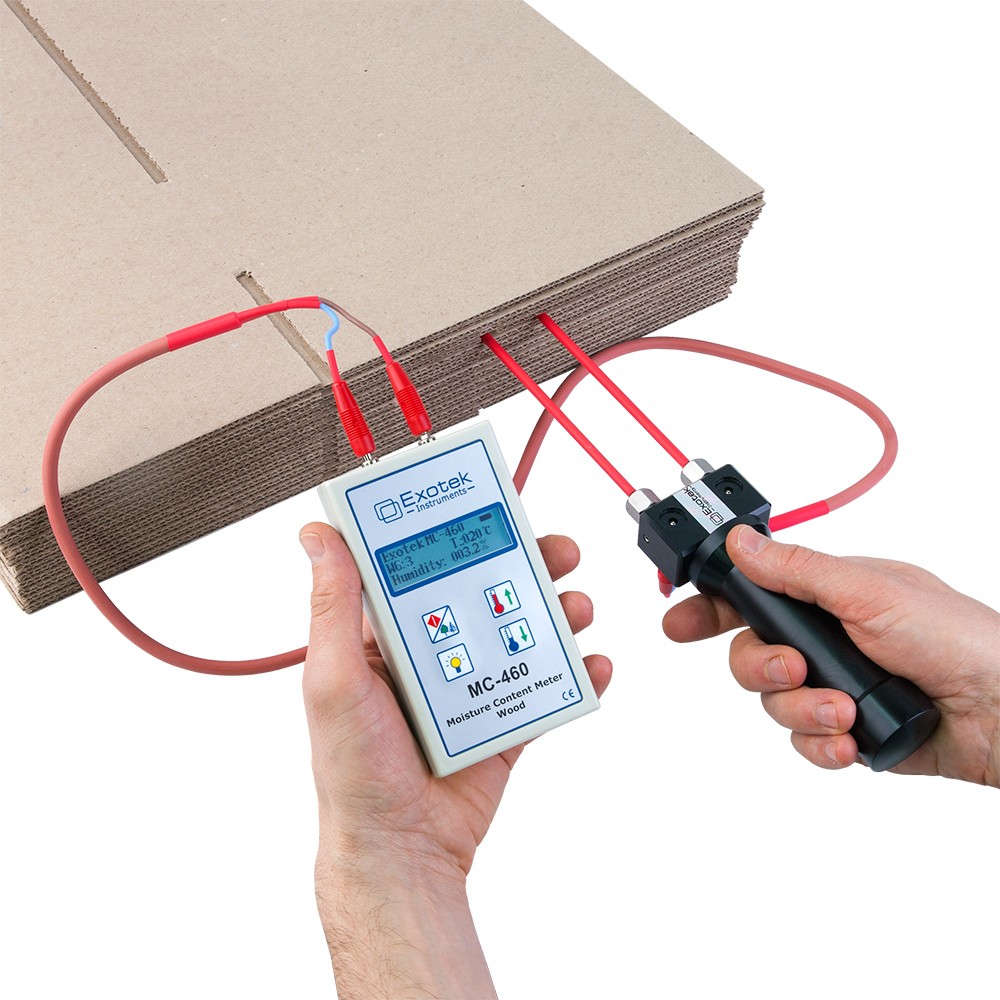
The EXOTEK MC-460 is a professional pin-type (invasive) moisture meter that measures wood moisture using electrical resistance. The included S-30 probe is a sliding hammer that lets you drive the electrodes into the material reliably and consistently, whether you're working with timber, boards, pallets, or hardwood stock rather than a thin piece of plywood.
This is a tool for those who would rather measure once than redo the job later: woodworkers, furniture makers, drying kiln operators, lumber receiving teams, and quality control staff.

How it measures and what it displays
The MC-460 sends a weak electrical signal between two pin electrodes and measures the material's resistance. The more moisture there is, the lower the resistance and the higher the percentage on the screen. The meter displays moisture in % H2O (on a dry basis), with a resolution of 0.1%.
The stated range for wood is very wide: approximately 3–140% H2O. In practice, that makes it useful for both dry woodworking lumber and wood fresh from the sawmill or a rain-soaked storage yard, where simpler moisture meters often start giving unreliable readings.
S-30 probe: the main reason for choosing this kit
The S-30 is more than just a different set of probes; it offers a completely different way to measure. The sliding hammer helps drive the electrodes quickly and with enough force to reach the required depth. It's especially useful when:
1) the wood is hard or dense; 2) you need to measure below the surface; 3) you need to take many readings per shift without exhaustion and swearing.
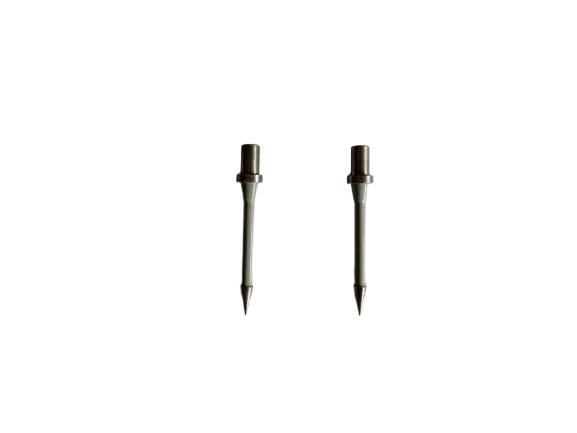
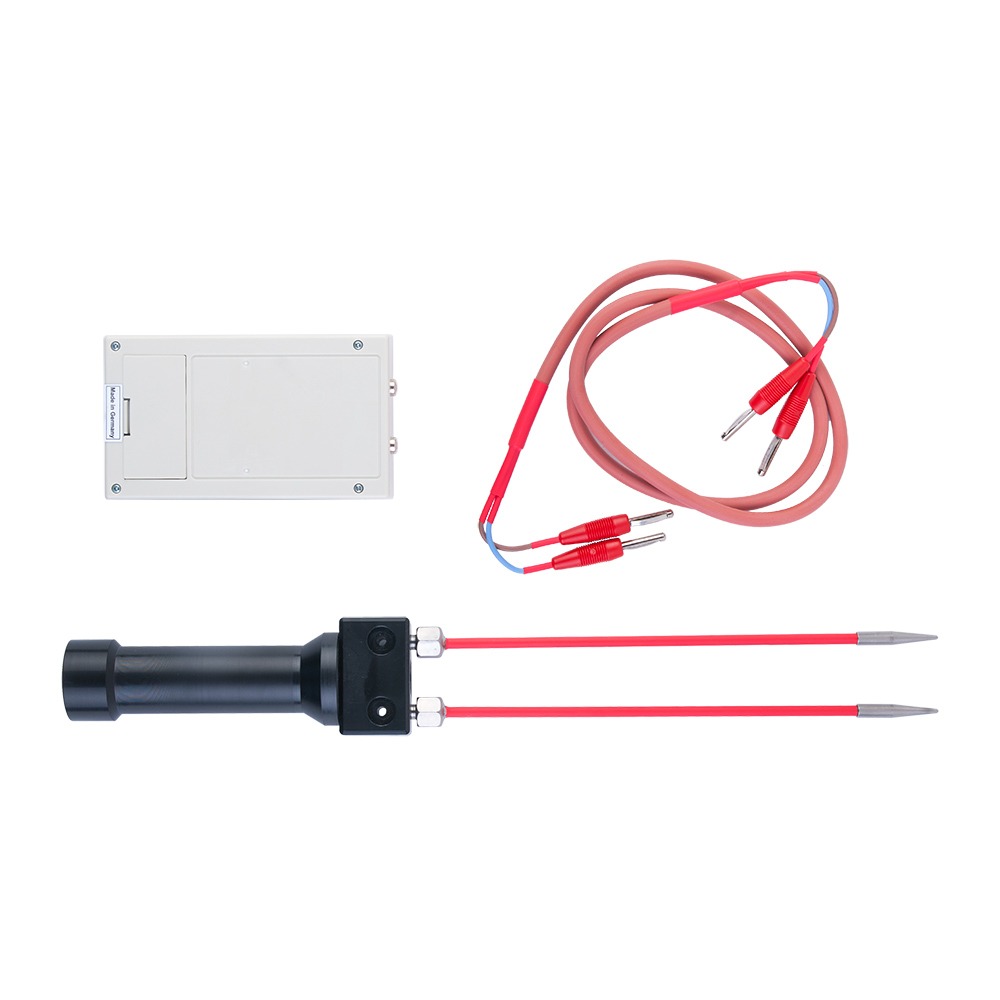
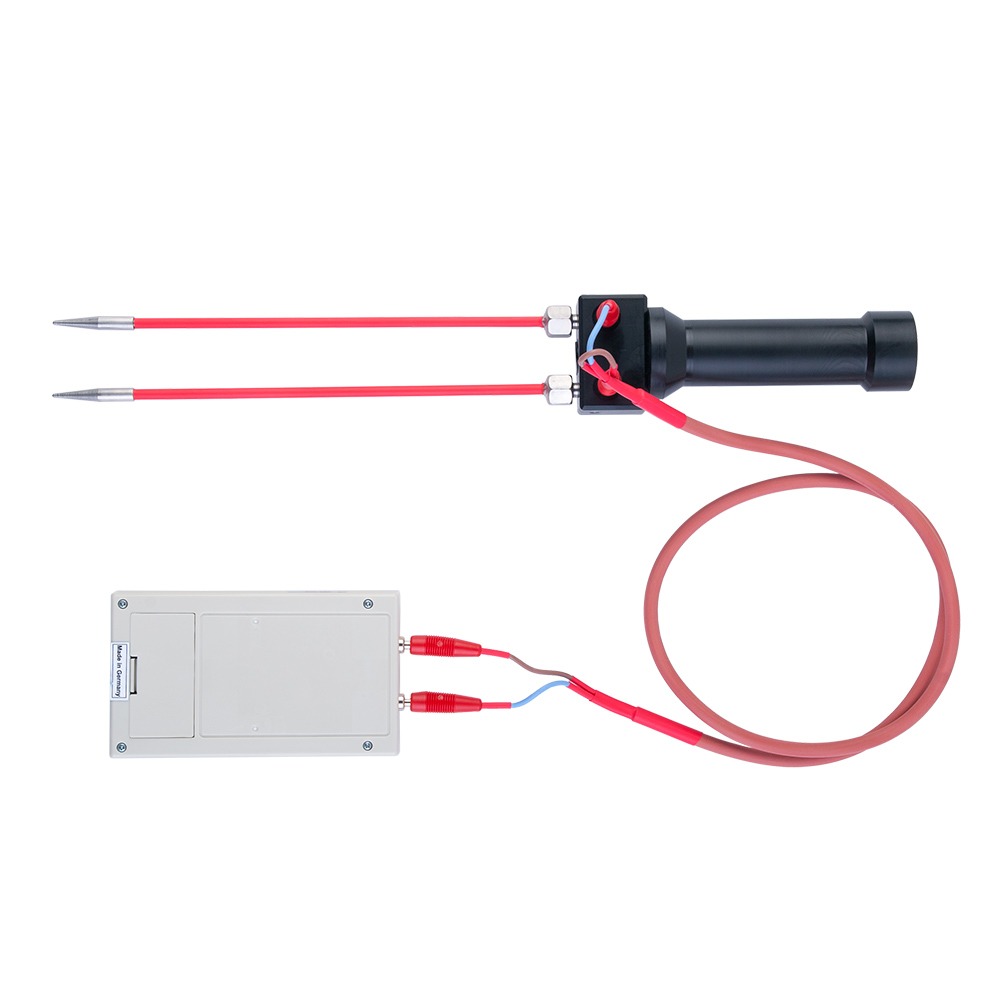
Another plus: the electrodes are replaceable. For the S-30 (as well as the S-10), steel pins are available in different lengths, along with Teflon-insulated pins for measuring deeper with less influence from surface moisture. Many MC-460/S-30 kits include a pair of Teflon-insulated electrodes with a working (measurement) depth of approximately 30 mm.


Wood species: 264 types, but the groups are what matter to you
The meter compensates for wood species: more than 264 species are stored in its memory, organized into 6 measurement groups (including special modes for pine/spruce within a certain moisture range). The idea is simple: select the appropriate group before measuring to get readings closer to the actual moisture content.
If you can't find your species in the table, the usual approach is to use an average group (typically WG3) and take several control readings or comparisons using reference samples.
Temperature compensation and polarization: two features that make a real difference
Temperature compensation is provided in 1°C increments: enter the wood temperature, not the air temperature somewhere nearby, and the meter adjusts the result. This matters in drying kilns and warehouses in winter.
Polarization is a mode that makes readings more stable and faster at high moisture levels (roughly when the wood is definitely not dry, often above ~15%). Think of it as a calming influence on the readings: fewer fluctuations make them easier to read and act on.
How to get useful readings, not just nice-looking numbers
A few quick rules can greatly improve the accuracy of any pin-type moisture meter, including the MC-460:
— Take a series of readings (at least 3–5 points), not just one supposedly definitive number.
— Insert the electrodes across the grain to better account for the different densities of earlywood and latewood.
— If the surface is wet from rain or washing, either remove the surface layer or use insulated electrodes and measure deeper.
— On thick stock, don't limit measurements to the surface: moisture in the core can be radically different.
— Don't forget to set the species group and wood temperature.
Conclusion: who should buy the MC-460/S-30
This kit makes sense if you need a working tool for a workshop or warehouse, not a home gadget for a single repair. The S-30 makes measuring thick and hard wood much more practical, while the wide range and polarization provide added confidence where budget models often fall short.
One caveat: this is an invasive method, so the pins will leave holes. If leaving no marks is essential, look at non-contact (pinless) options instead, though those have different limitations in terms of depth and the types of tasks they can handle.