Wood moisture meters
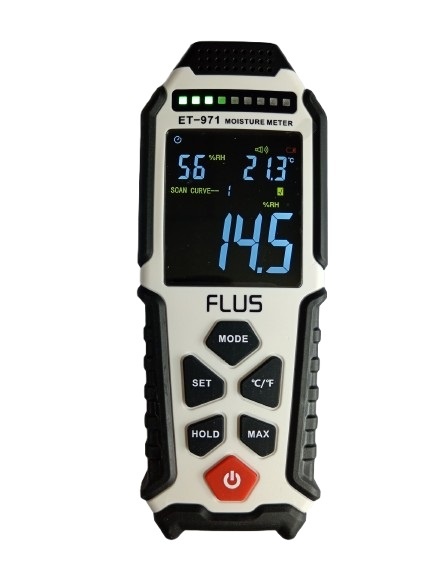
Flus ET-971
3099 ₴
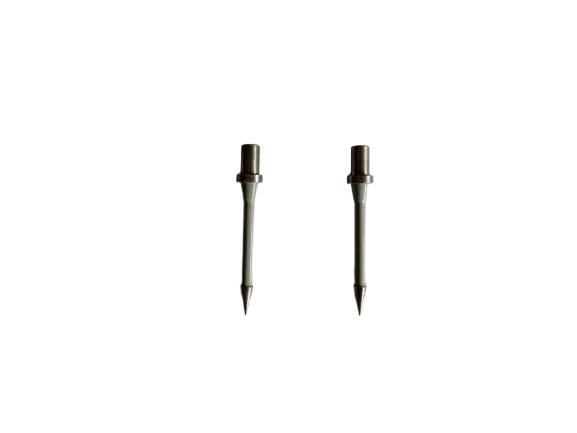
Metrinco M140W, M141W
669 ₴
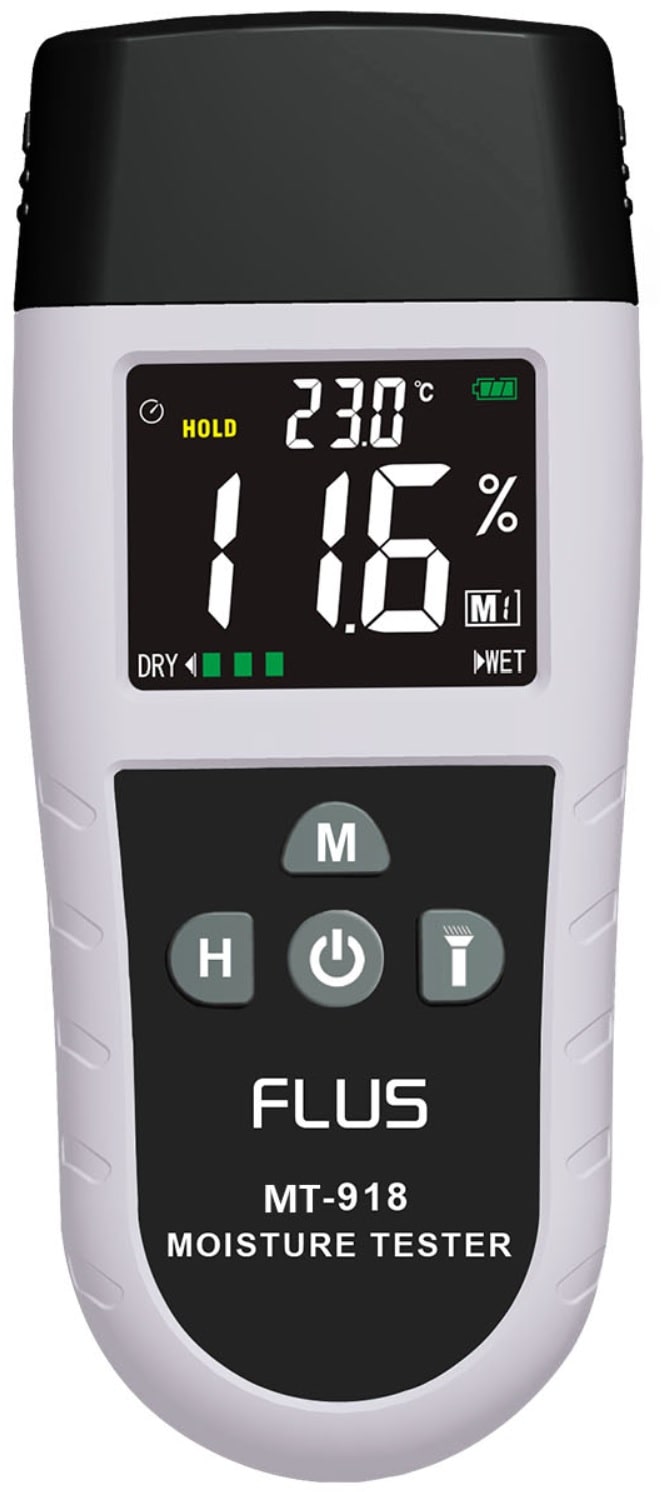
Flus MT-918
1499 ₴
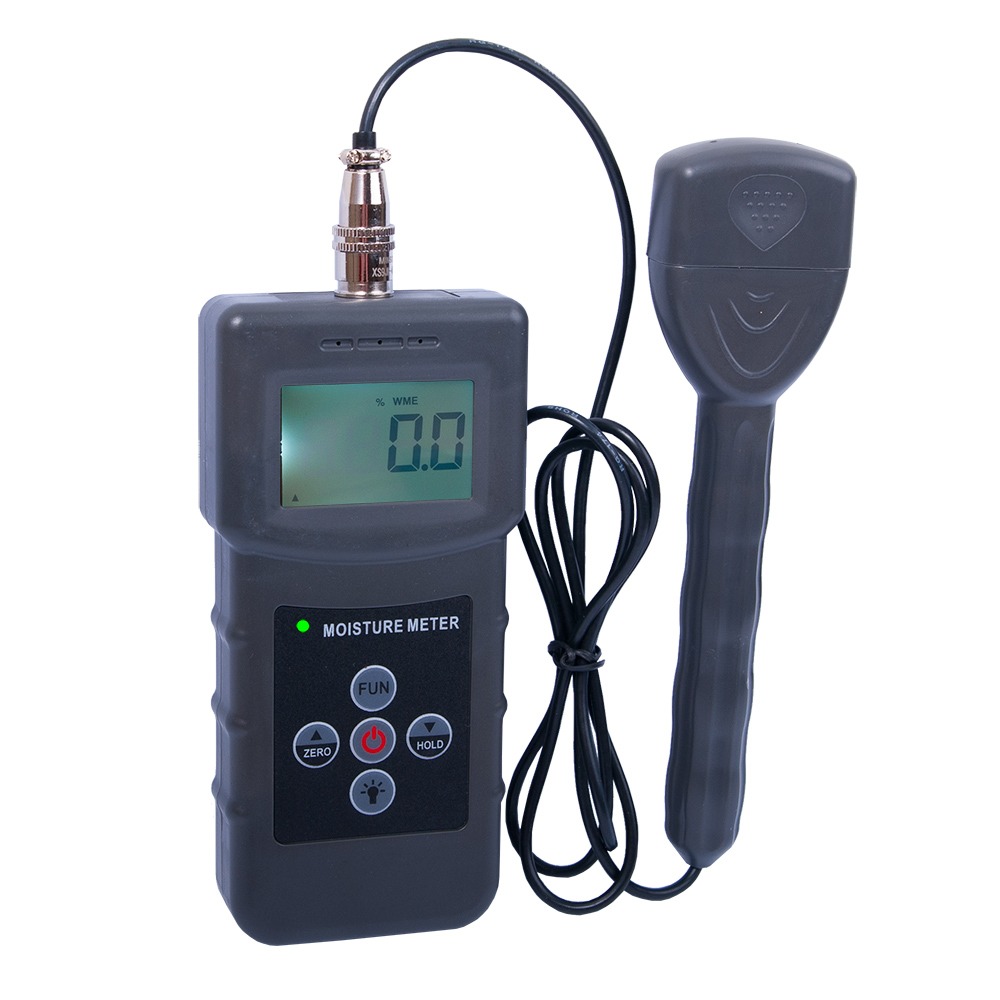
MS360
6099 ₴
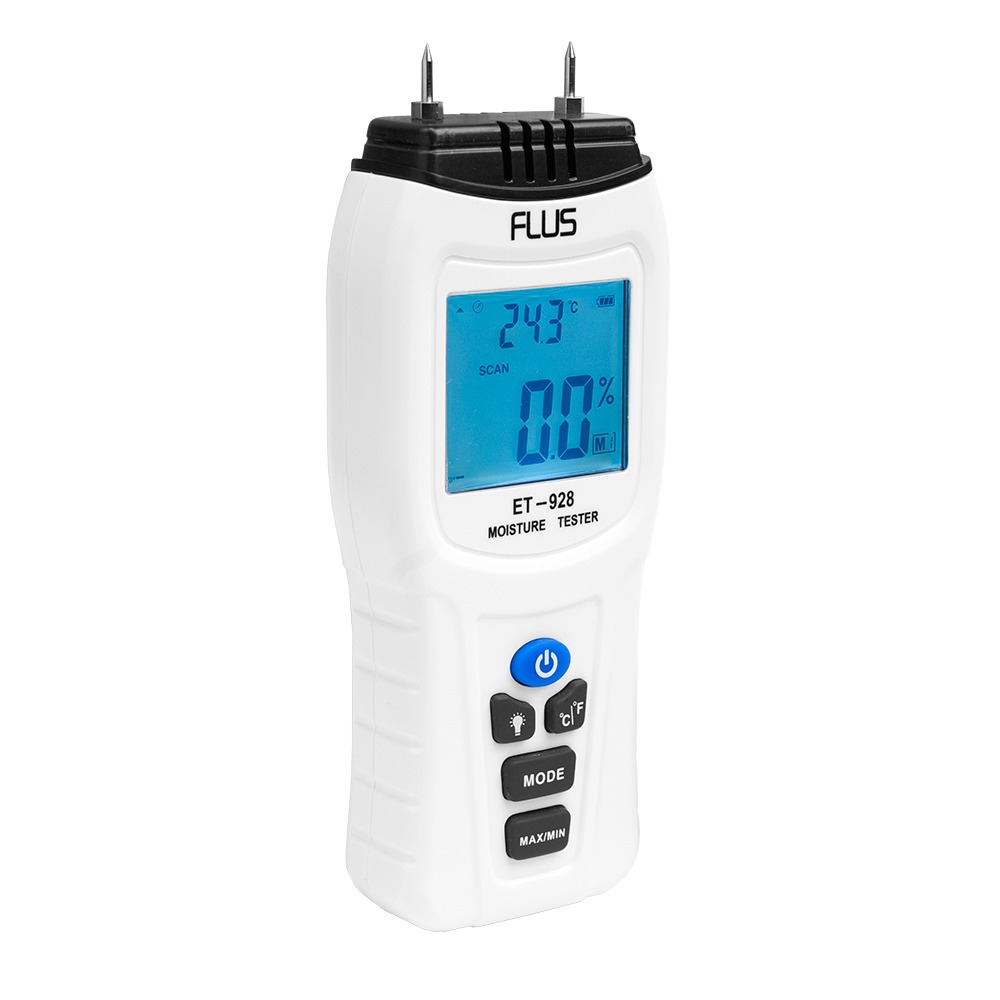
Flus ET-928
1599 ₴
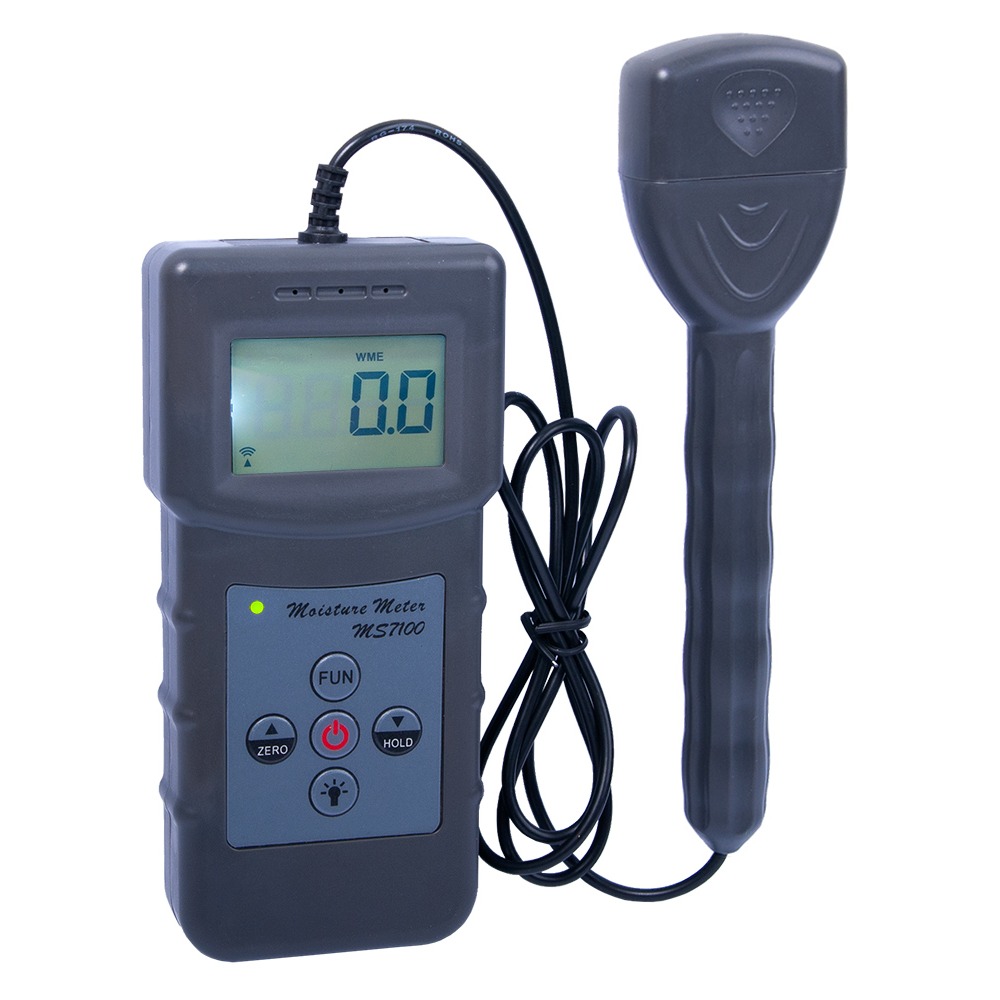
MS7100
3099 ₴
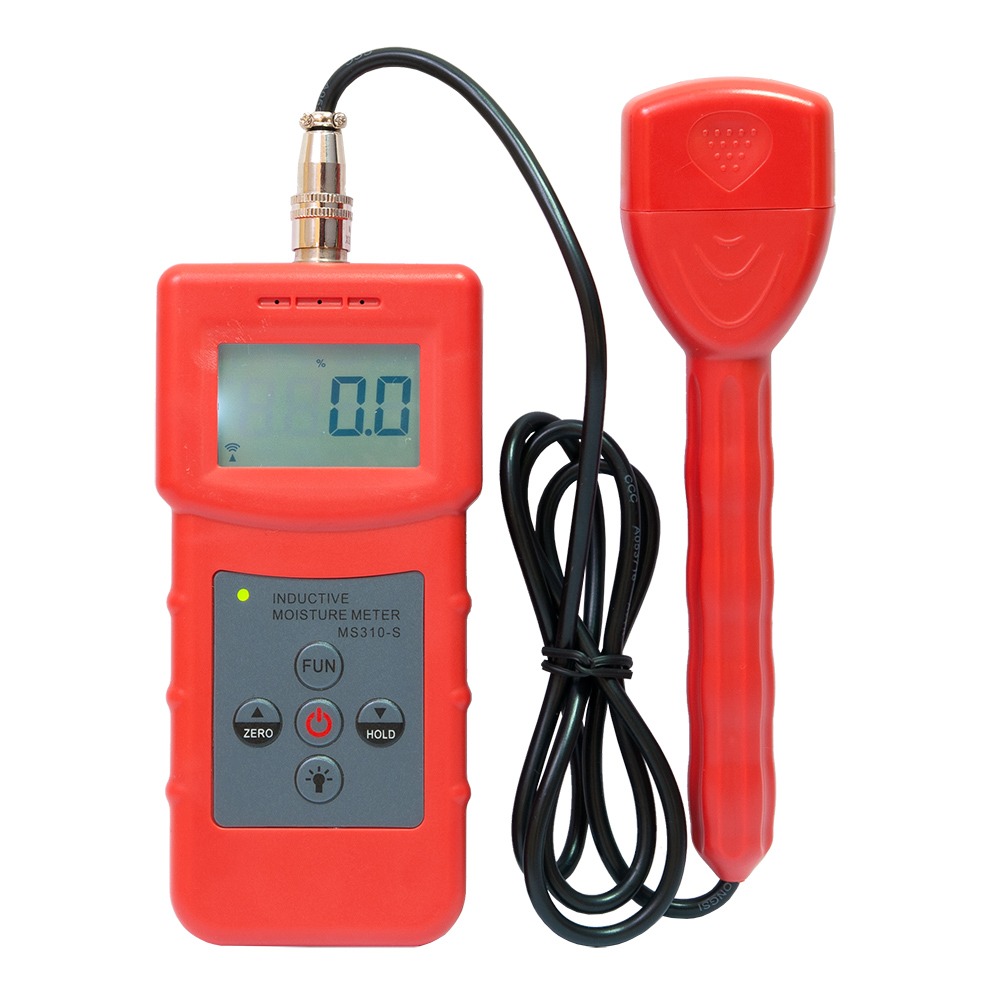
MS310S
5599 ₴
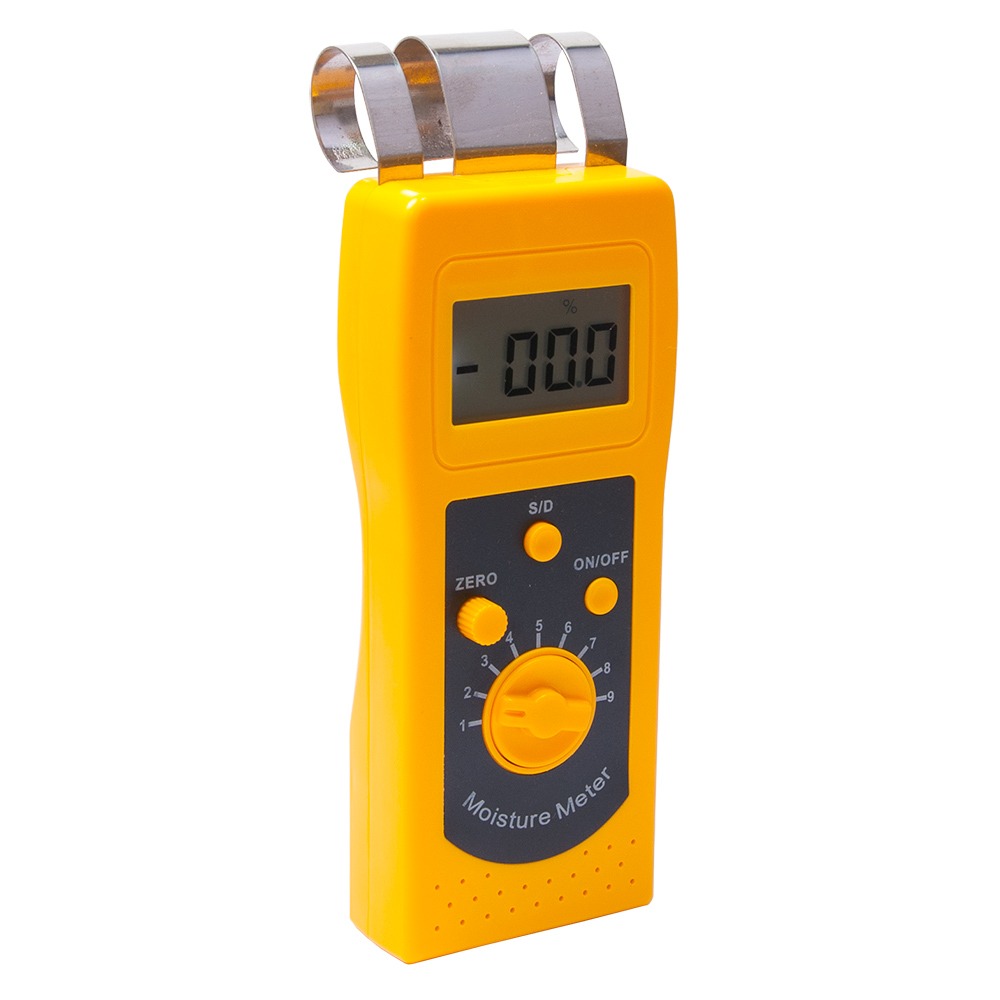
DM-200W
6499 ₴
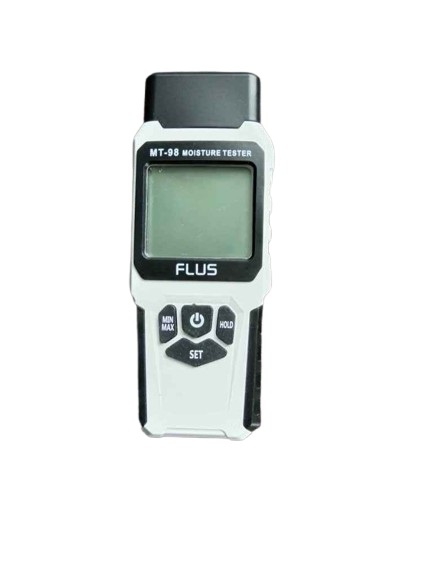
Flus MT-98
1399 ₴
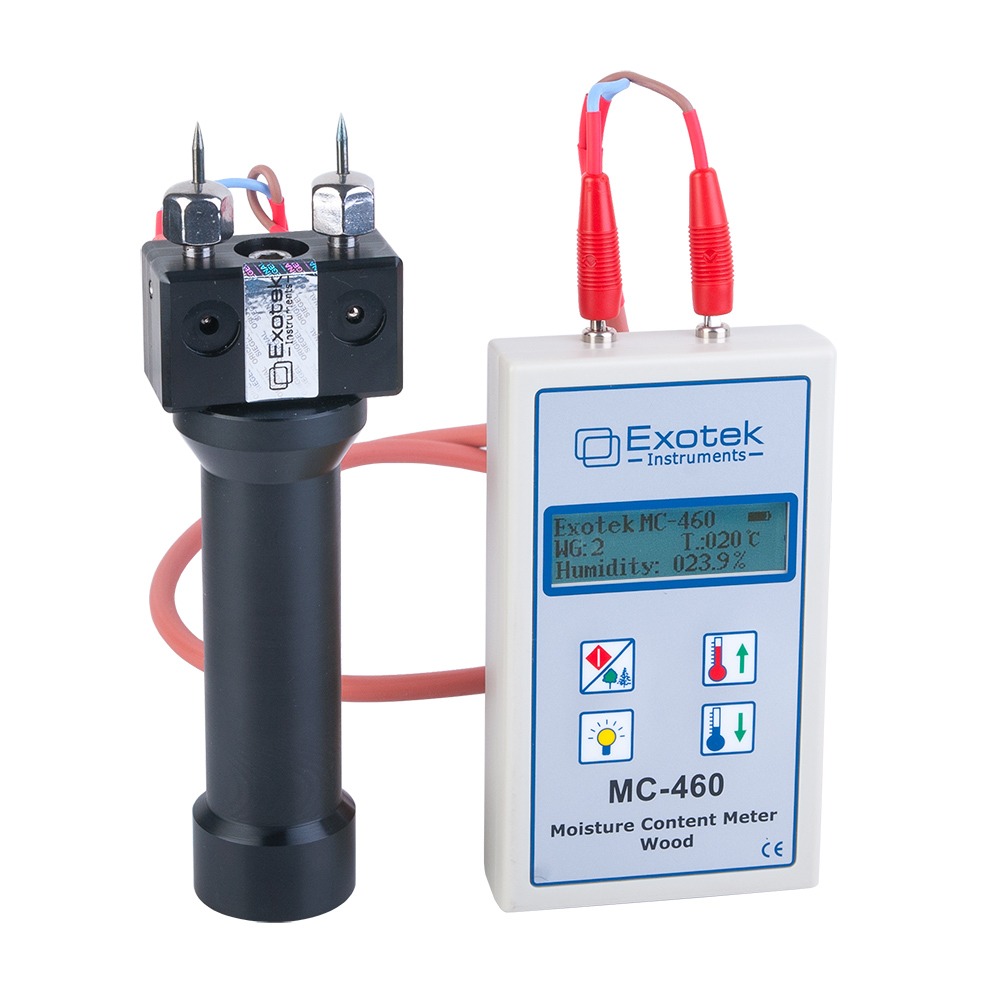
EXOTEK MC-460
from 22999 ₴
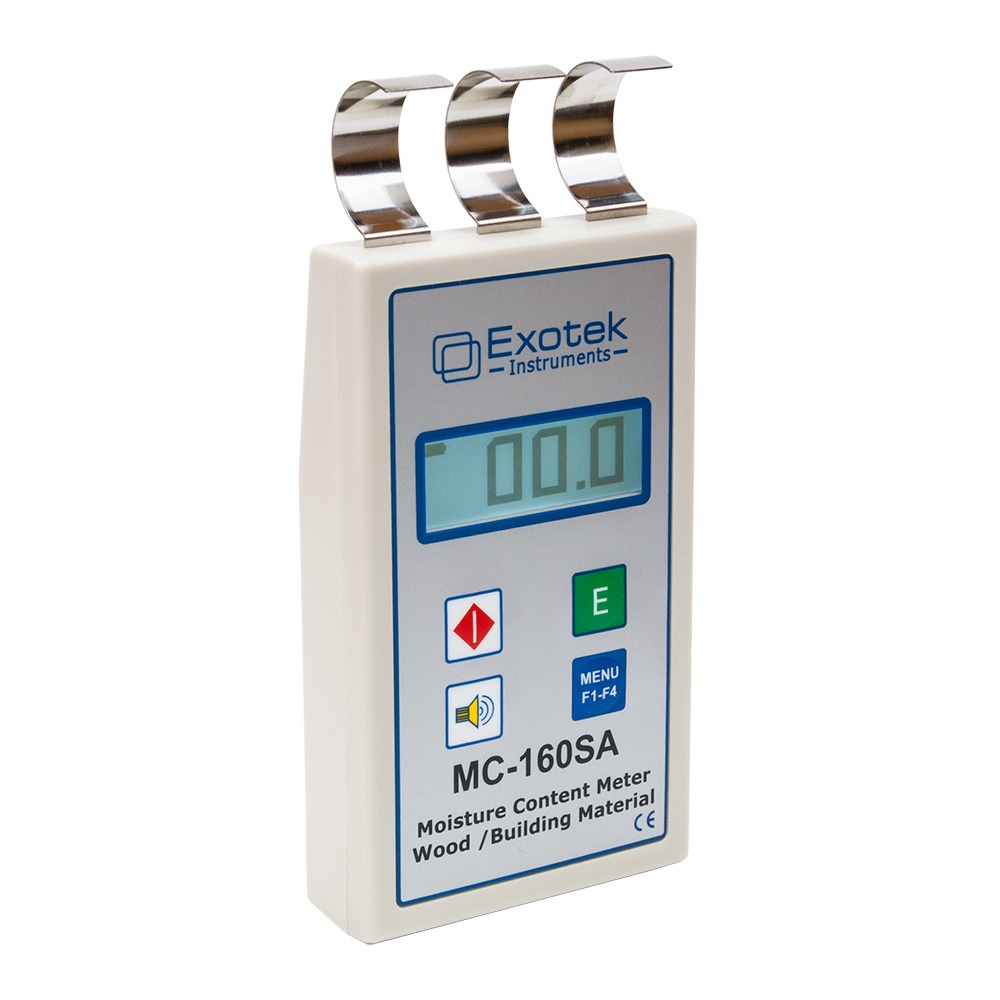
Exotek MC-160SA
13499 ₴
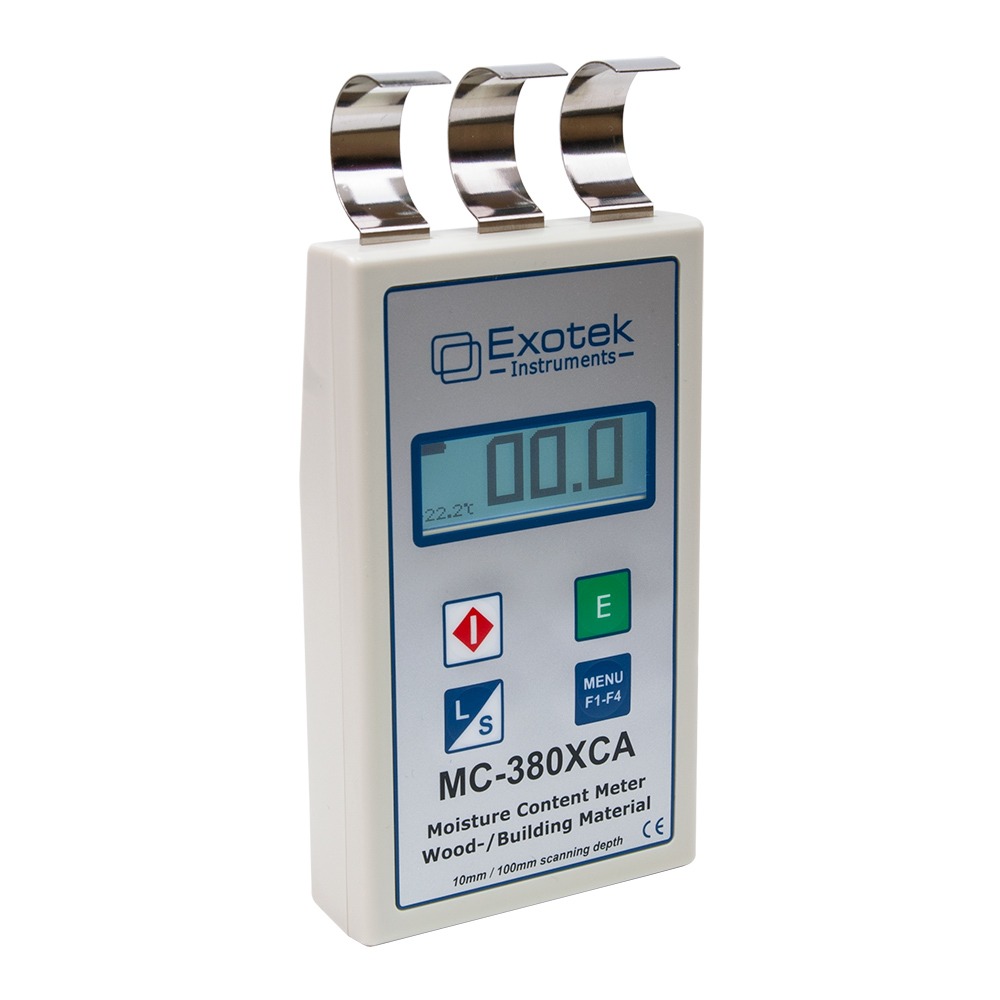
Exotek MC-380XCA
16899 ₴

Walcom MD-918 Non-contact Wood Moisture Meter
2899 ₴
How to choose
A wood moisture meter helps you check whether a board, timber, or other workpiece is ready for installation, woodworking, or storage. When choosing one, it is important to understand which materials you work with, how precisely the device needs to be adjusted for the wood species, and under what conditions it will be used.
What materials and tasks the device is needed for
First, check whether the device is designed specifically for wood and whether it has a separate moisture measurement range for wood. This matters because the measurement limits determine whether it is convenient to monitor both well-dried workpieces and wetter material.
If you work not only with wood but also with other materials, pay attention to the target materials and measured parameters. Some models may also support modes for building materials, so one device can sometimes cover both woodworking and repair tasks.
Compensation for wood species
For wood, one of the key factors is proper species compensation. The catalog includes models with compensation by density groups and by species groups: the first option is convenient when you use the material's density as a reference, while the second is useful when it is important to quickly select a similar species from a list.
Also compare how many species and groups the device supports. Based on the available data, the number of supported wood species in this category ranges from 230 to 264, while the number of wood density adjustment steps ranges from 10 to 50. The more flexible the adjustment and the more compensation groups available, the easier it is to adapt measurements to a specific type of wood.
Electrodes and the way they contact the wood
The probe design affects both convenience and the measurement process itself. This category includes spring contacts, a reverse hammer, and an integrated surface pad. The choice depends on whether you need quick checks or more reliable contact with the material during regular measurements.
If the device has replaceable electrodes, it is easier to adapt to different tasks. Supported electrode lengths in the catalog include 12 mm, 19 mm, 26 mm, 30 mm, 45 mm, 56 mm, and 100 mm, so before buying, compare the penetration length with the thickness of your workpieces and your usual work scenario.
Calibration and reading correction
If you need more than occasional checks and work consistently with different batches of wood, user calibration support will be useful. It lets you adjust the device more precisely to your conditions, while custom scale or curve creation is a benefit for specific materials or your own established method.
The zeroing function makes it easier to quickly prepare for measurement, while the temperature compensation mode helps reduce the effect of temperature on readings. This may be less critical under consistent workshop conditions, but it is a practical advantage for work in different rooms or on-site.
Everyday ease of use
Everyday convenience often matters just as much as the measurement range itself. The display type, backlight, and audible alerts affect how easily you can read the result in a darker room, near a workbench, or during a series of quick checks.
If the device supports an adjustable moisture alarm threshold, you can more quickly sort out workpieces that do not meet your threshold. This is especially convenient when you are not focused on an individual number but on a simple decision: whether the material is ready for work or not yet.
Power and operating conditions
Pay attention to the power source and battery size, especially if you plan to take the device with you often. The easier it is to find the required battery, the less likely you are to be left without a meter when you need it.
Auto power-off helps save battery power, and the operating temperature range will show whether a model is suitable for a cold warehouse, an unheated workshop, or summer use. If you measure irregularly, these details have a positive effect on actual ease of use.
Tips
- If you only check boards, timber, or wooden workpieces, do not pay extra for additional modes for other materials if you do not need them.
- For working with different wood species, models with compensation by species groups or a larger number of supported wood species are more convenient.
- If you measure workpieces of different thicknesses, check the electrode lengths and the availability of replaceable electrodes right away.
- For workshop, warehouse, and on-site work, a backlight, audible alerts, temperature compensation, and auto power-off are especially useful.