Electromagnetic radiation detectors
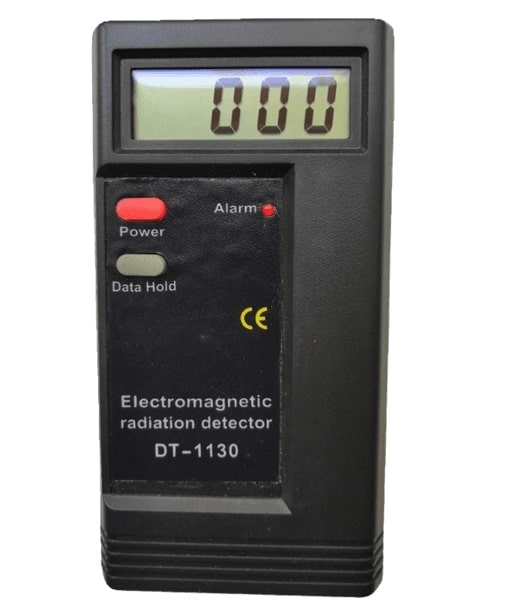

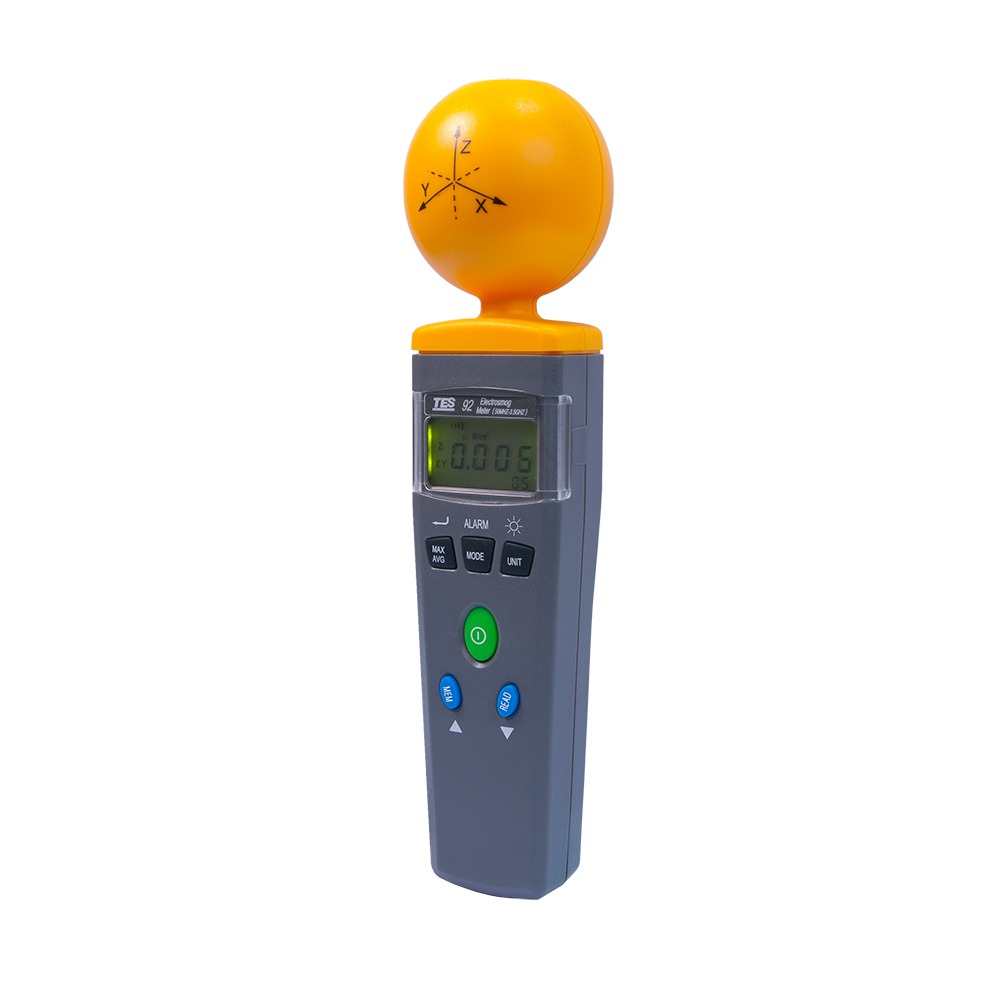
How to choose
An electromagnetic radiation detector is useful when you want to check the level of a radio-frequency field and, depending on the model, an electric field, magnetic field, or power density. To make the right choice, compare what exactly the device measures, which ranges it operates in, and how convenient it is to read the results.
Which parameters you need
Start with the basics: check the product type and the list of measured parameters. They show whether the device suits your needs, since one shopper may need to monitor RF radiation, while another also needs electric field, magnetic field, or power density readings.
Also pay attention to the measurement method and sensor / detector technology. These characteristics help you understand how the device obtains readings and whether its capabilities match your intended use at home, in an office, or near equipment.
Measurement ranges
One of the main selection criteria is the operating ranges. The RF frequency range indicates which radio-frequency signals the device can detect, while the ranges for E, H, and S show the measurement limits for electric field, magnetic field, and power density.
If you plan to check different radiation sources, it is better to choose a model with these ranges clearly stated on the product page. This makes it easier to understand whether the values you need will exceed the device's capabilities.
Sensor orientation and reading accuracy
The sensor axis configuration and axis selection options affect how you assess a field in space. If the device lets you view X, Y, Z, or combined XYZ, it is convenient for more precise analysis and for comparing readings in different positions.
Isotropic deviation and absolute measurement accuracy are equally important. The lower these values are, the more confidence you can have in the results. The available data for these parameters specifies 1 dB, so be sure to compare them when evaluating products.
Display, modes, and alerts
For everyday use, how the device displays results is very important. The display type affects how easy it is to read, while result / display modes help you quickly see not only the current value but also maximum or average readings. In this category, the available modes include Instant, Max., Avg., and Max/Avg.
Audible alerts and an adjustable alarm threshold are useful if you do not want to watch the display constantly and instead want to receive a warning when a set level is exceeded. This is especially convenient when walking through a room or searching for a signal source.
Power and battery life
Before buying, check what powers the device and how many batteries it needs. The power source, battery size, and number of batteries affect both ease of use and future operating costs.
Auto power-off is useful for saving battery power, especially if you often take the device with you or use it irregularly. It is a simple feature, but it noticeably adds convenience in real-world use.
Use in different conditions
If you plan to use the detector not only in a room but also in a workshop, warehouse, or while traveling to different locations, look at the allowed operating conditions. The operating temperature range, storage temperature range, and operating humidity range will indicate whether the device may be too sensitive to environmental conditions.
The low battery indicator should not be underestimated either. It helps you replace batteries in time and avoid questionable readings caused by a depleted battery.
Tips
- First, check whether the measured parameters match your task: RF, electric field, magnetic field, or power density.
- For finding a signal source, it is more convenient when you can view the X, Y, and Z axes separately, as well as the combined XYZ mode.
- If you do not want to keep looking at the display, choose a model with audible alerts and an adjustable alarm threshold.
- For regular trips and long checks, auto power-off and a low battery indicator are useful.