Conductivity meters and water salinometers
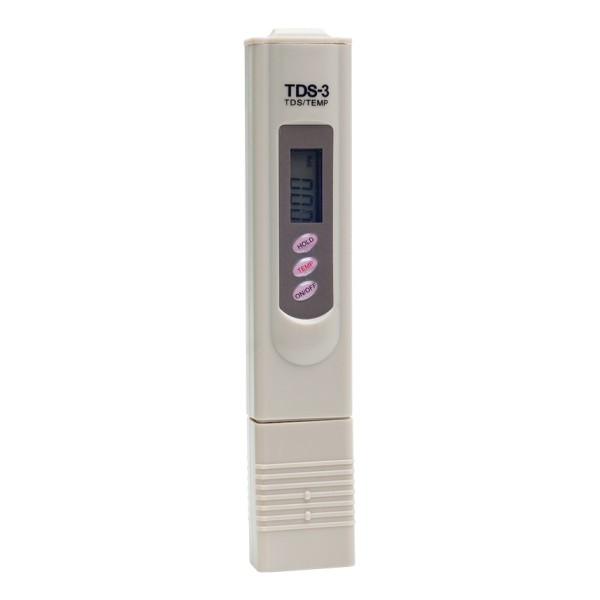
BROM TDS-3
229 ₴
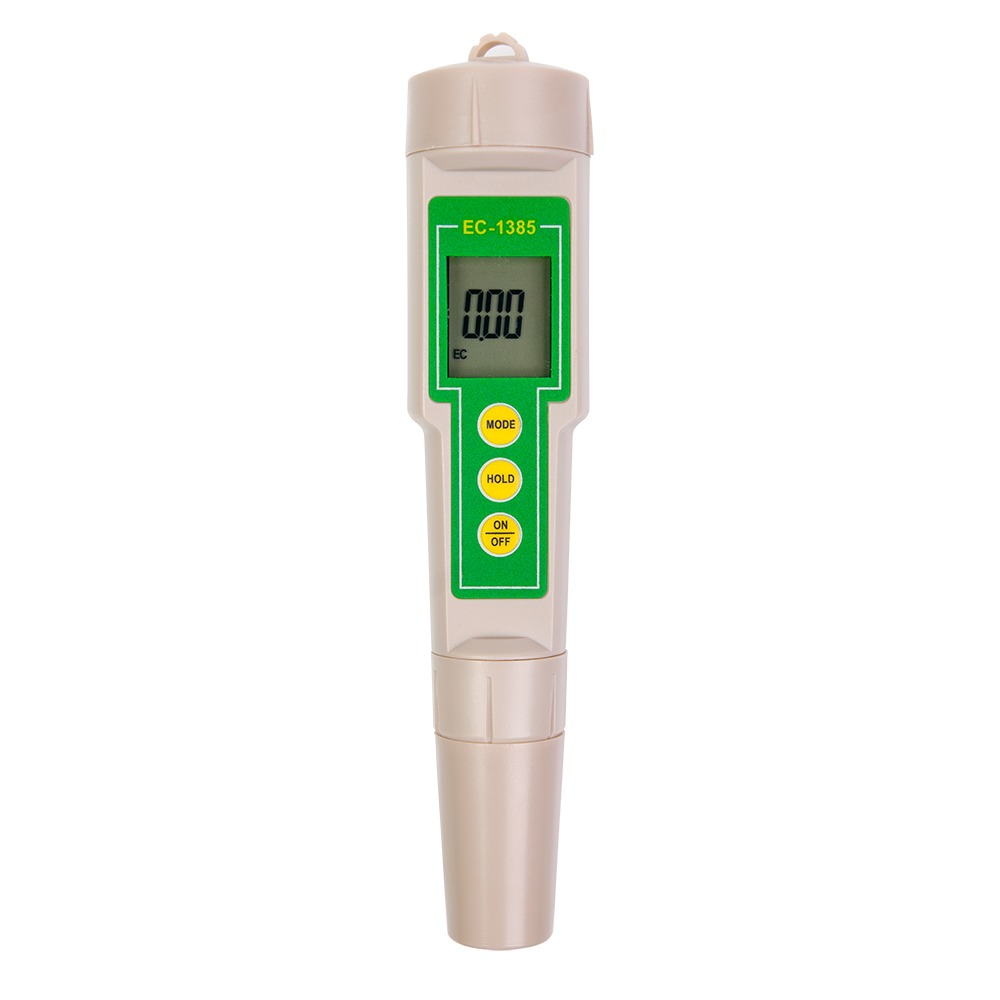
Kelilong EC-1385 Conductivity Meter
2199 ₴

EZODO 7021 Waterproof Conductivity/TDS/Temperature Meter with ATC
Price on request
How to choose
Conductivity meters and water salinometers help you quickly check TDS, electrical conductivity, salinity, and water temperature without complicated laboratory procedures. Such a device is suitable for anyone who needs to monitor water quality regularly and get readings directly on site.
Parameters and measurement ranges
First, determine which parameters you want to monitor. In this category, TDS, electrical conductivity (EC), salinity, and temperature may be important, but not every buyer needs all of these measurements at the same time.
Check the measurement ranges for EC, TDS, and salinity separately. They indicate whether the device can handle your water samples without going beyond the scale; if a range is not listed on the product page, it is worth clarifying before purchase.
Accuracy and reading increments
Accuracy indicates how close the result will be to the actual value, while resolution shows the smallest change you will see on the screen. This is one of the main specifications when comparing models, especially if you monitor small variations.
In the current catalog, EC accuracy is listed as ±2% of full scale, while the minimum step for EC, TDS, and salinity is 1 in the lowest range. If you need to monitor small changes, look not only at accuracy but also at the minimum measurement step.
Temperature and automatic compensation
Temperature directly affects electrical conductivity, TDS, and salinity readings, so it is convenient when a device not only displays temperature but can also account for it. This is what automatic temperature compensation, or ATC, is for.
Before choosing, pay attention to the temperature measurement range of the probe, the ATC working temperature range, and the supported temperature units. If you are used to working in both °C and °F, it is more practical to choose a model that supports both.
Convenience for daily use
Ease of use often depends not on the main numbers but on how simple it is to take readings in real conditions. Automatic range selection, reading hold, and MIN/MAX review can be useful because they reduce the number of manual actions.
Before buying, also look at the display type, whether there is a backlight, and the control type. If measurements are taken in different lighting conditions or on the go, these details noticeably affect convenience.
Power and battery life
For a portable device, it is important to know what powers it and how easy it is to keep it operating. The catalog includes models powered by replaceable AAA batteries, which is convenient for quick replacement without waiting for charging.
Automatic power-off and a low battery indicator are additional advantages. These features help you avoid missing the time to replace batteries and prevent wasting power between measurements.
Probe, calibration, and protection
The probe / measurement design affects serviceability and device durability. A replaceable electrode module is convenient because if it becomes worn or damaged, you can replace the working part rather than the entire device.
The ability to calibrate is also important for stable readings. The catalog lists EC calibration points of 0, 1413 µS/cm, and 12.88 mS/cm, and IP57 is among the available ingress protection ratings; if you work near open water, also check whether the device floats in water after an accidental drop.
Tips
- First, determine exactly which parameters you need: EC, TDS, salinity, or temperature.
- If the water may be at different temperatures, it is useful to choose a model with automatic temperature compensation.
- For regular use, devices with replaceable AAA batteries and automatic power-off are more convenient.
- If durability is important, pay attention to the replaceable electrode module, calibration points, and IP rating.