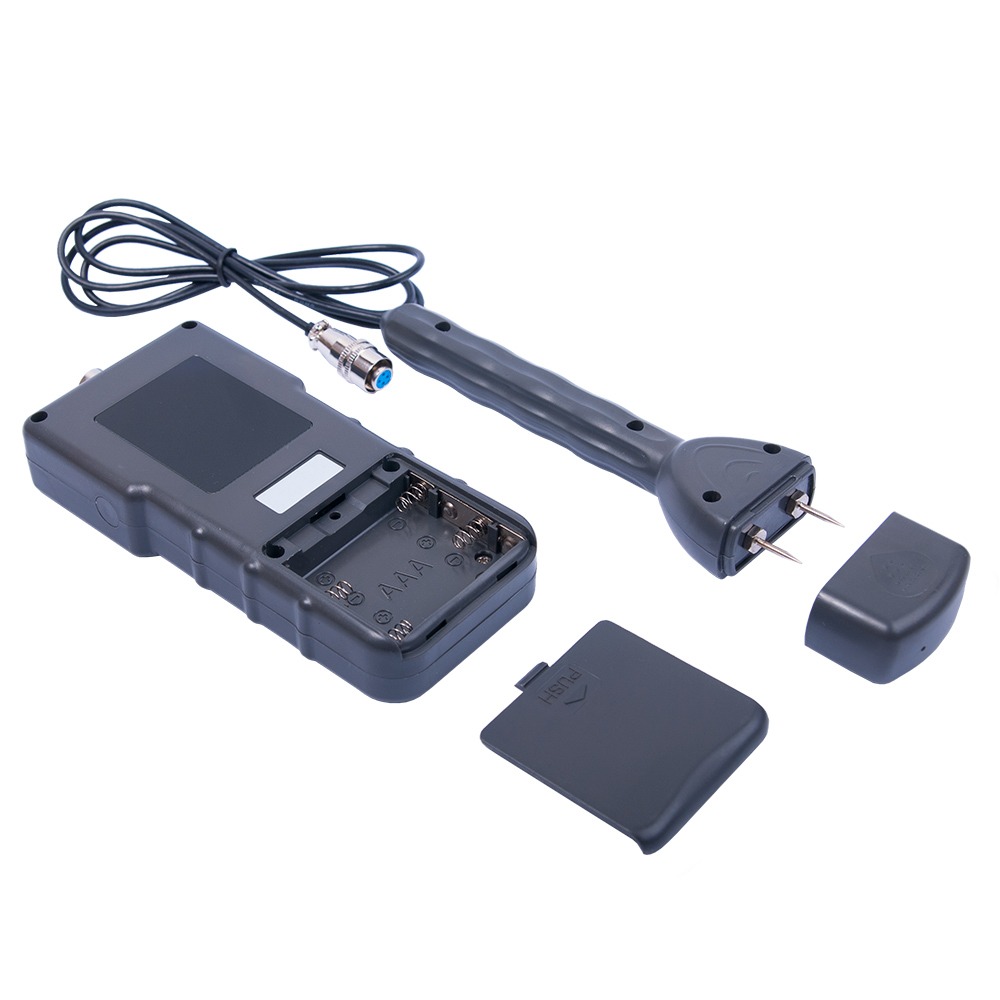
MS360
Delivery and payment
Choose your city or town to see the price with delivery there and when you can get it.
Pickup points
- Branch
- Parcel locker
Pros
- Two moisture measurement methods
- Non-contact scanning without punctures
- Remote pin probe
- 20 calibrations for different materials
- Case and spare pins
Cons
- Pins leave small holes
- Requires selecting the correct calibration
- Does not replace laboratory analysis
MS360: When one moisture meter isn't enough
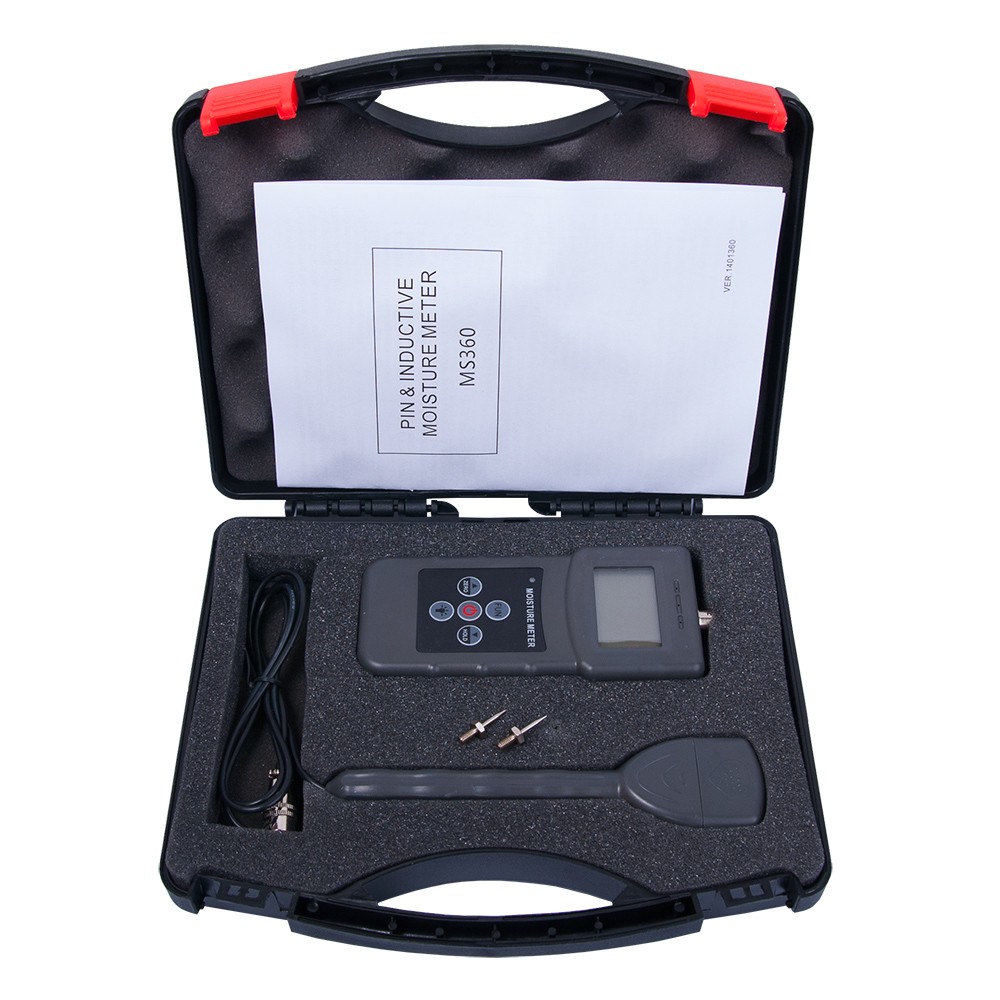
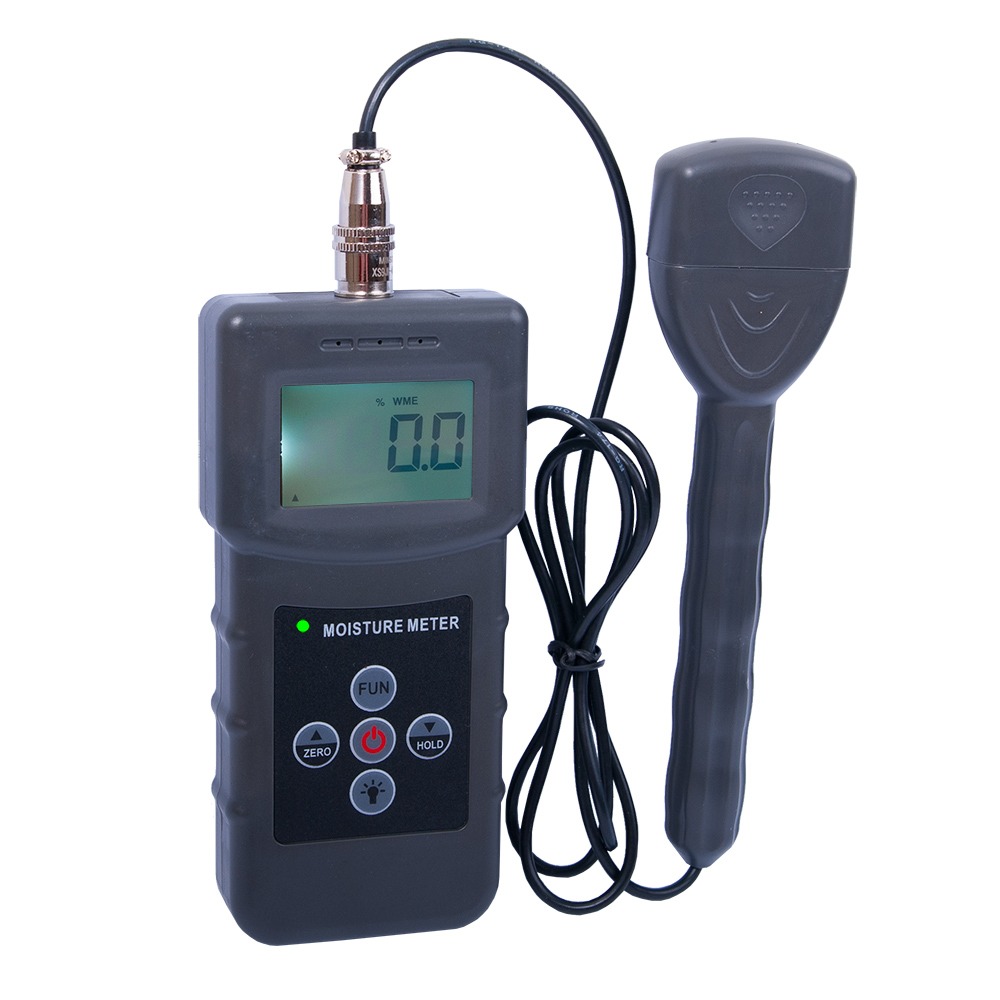
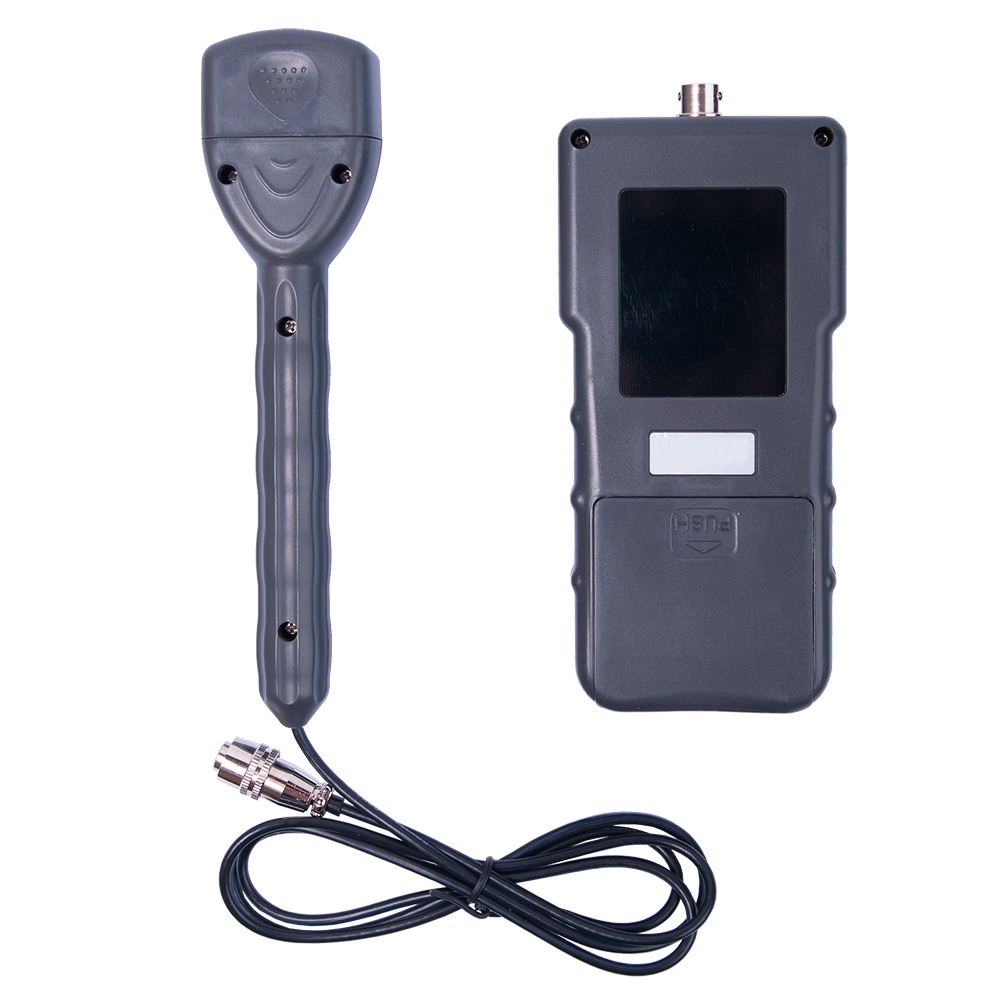
The MS360 is a combination moisture meter for wood, building materials, and some soft or fibrous materials. Its main advantage is not just a number on the screen, but the ability to choose a measurement method for the task at hand. Need to quickly check a board, parquet flooring, a screed, or a sheet of particleboard without damage? Use the flat inductive sensor. Need more precise contact with unfinished wood, lumber, or cardboard? The remote two-pin probe comes into play.
This design is especially convenient for carpenters, furniture makers, builders, lumber sellers, and anyone who doesn't want to discover moisture in wood only after it has twisted like a propeller.
Two modes: Check the surface or look deeper
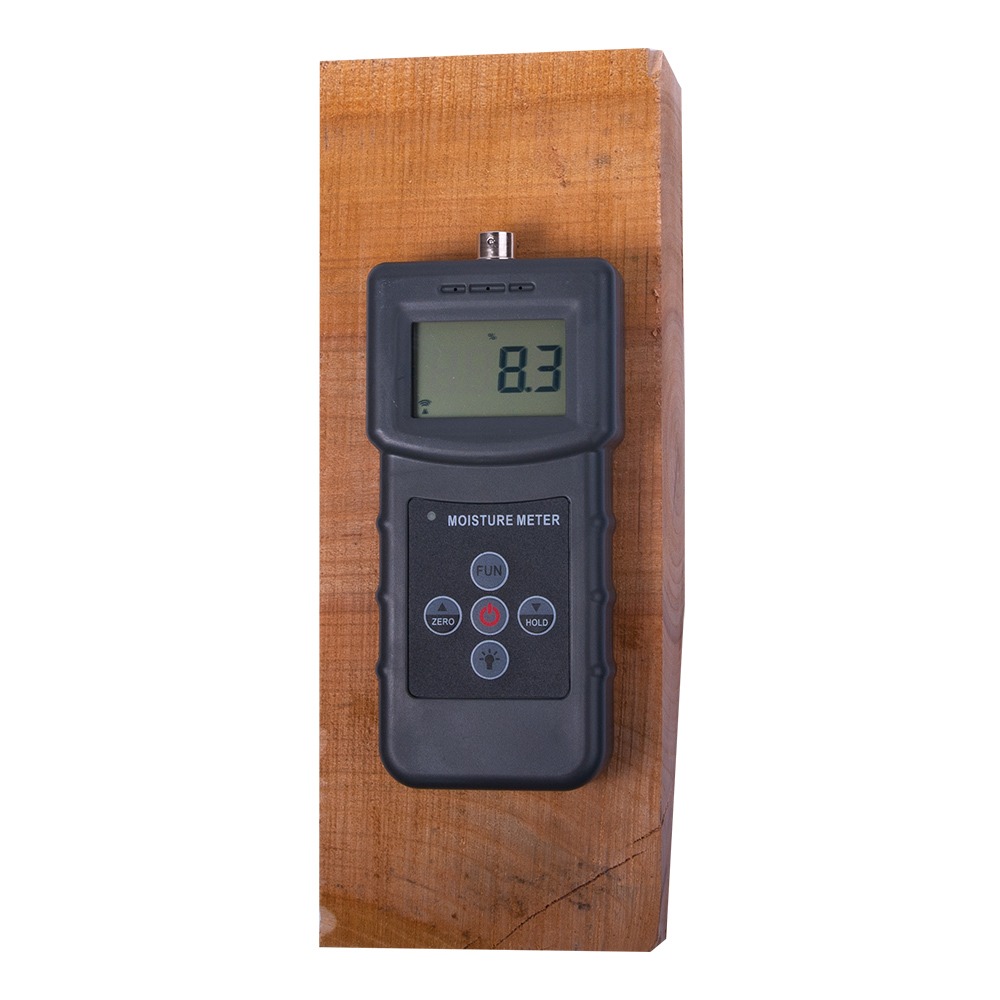
Inductive mode works through a flat sensor on the back of the unit. Simply press the meter firmly against the surface and move it slowly along a board, wall, concrete screed, sheet of plywood, or other material. It's a convenient way to quickly find damp spots, compare several areas, or monitor drying without punctures or marks.
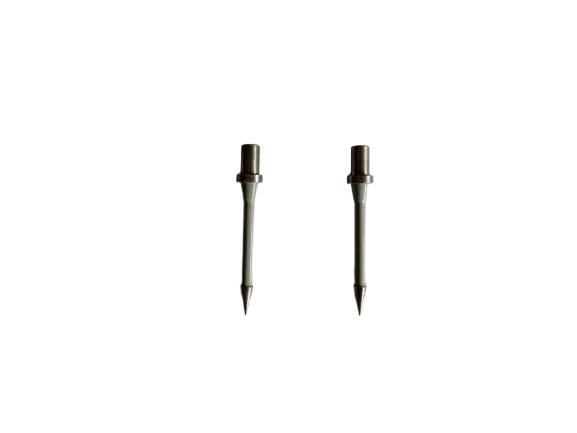
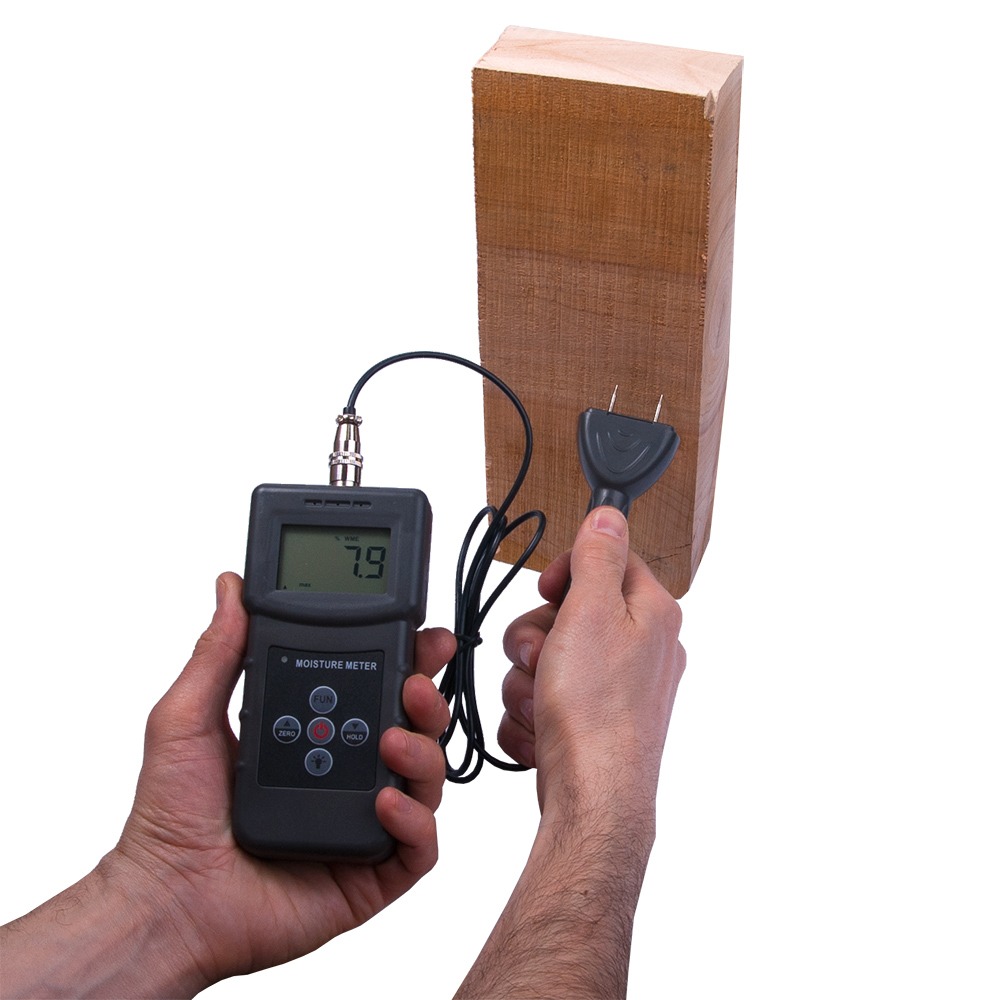
Pin mode uses an external probe on a cable. Two thin pins are inserted into the material, and the meter then measures moisture by contact. You can hold the probe at the desired angle, work in hard-to-reach places, and keep the display in view. For rough boards, timber, firewood, or unfinished building materials, this is much more practical than pressing the entire meter against the surface.
Keep in mind that the pins leave small holes, so it's best to start with non-contact mode for finished furniture, veneer, painted cabinet fronts, and visible surfaces.
Materials and calibration
The MS360 is designed for use with wood and lumber, bamboo, paper, cardboard, concrete, textiles, sheet materials, and some loose materials. However, the moisture meter doesn't magically guess the sample type: before measuring, you need to select the appropriate calibration from the table. This accounts for differences in material density, structure, and electrical conductivity.
There are 7 calibration groups available for the pin method and 20 for the inductive method. This makes the meter more versatile than basic household models with a single setting for wood in general. But measuring a pine board with the setting for dense concrete is still a bad idea, even if the display shows a very confident-looking number.
Ranges, display, and useful features
In pin mode, the MS360 measures moisture from 0–80%; in inductive mode, it measures from 0–90%. The four-digit LCD shows readings in 0.1% increments, and the backlight makes it easier to work in a poorly lit room, a warehouse, or an unfinished building.
The ZERO button is used for initial zeroing, which is especially important before non-contact measurement. The HOLD/MAX function holds readings and helps capture the maximum value when scanning a large surface. There is also a low battery indicator and auto power-off after approximately 5 minutes of inactivity.
What's included and everyday use
The meter comes in a hard plastic case with space for the measuring unit, remote probe, protective cap, and spare pins. The moisture meter itself is compact, weighs about 175 g without batteries, and runs on four AAA batteries, which are easy to find even when the electronics store is already closed.
The MS360 is best regarded as a working tool for quick checks, not as a laboratory instrument for expert analysis. Results are affected by correct calibration, material temperature and density, coatings, metal components, and measurement conditions. Used thoughtfully, both modes help the moisture meter quickly show where material is already dry and where a renovation, woodworking project, or warehouse stock still needs patience.