Xintest HT-201 Android
Delivery and payment
Choose your city or town to see the price with delivery there and when you can get it.
Pickup points
- Branch
- Parcel locker
Pros
- 320 × 240 pixel IR sensor
- Measurement range up to 330 °C
- Powered directly by your smartphone
- JPG photos and MP4 videos
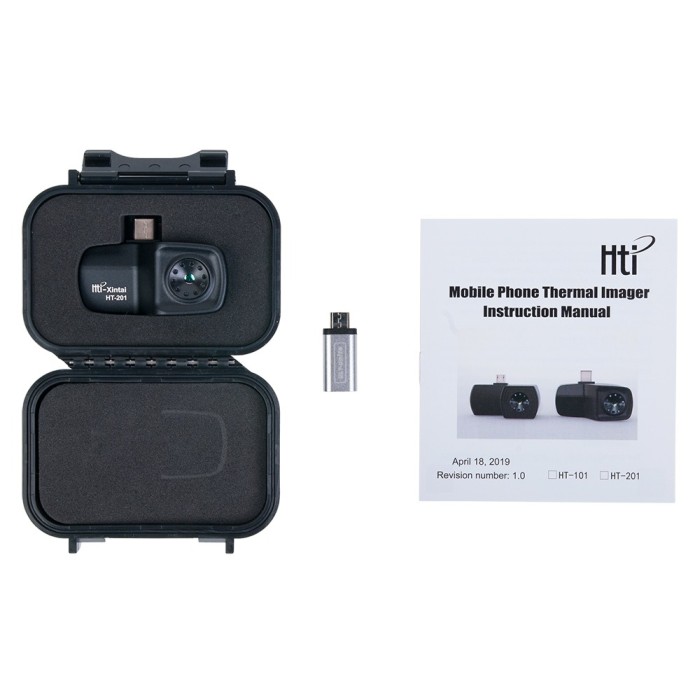
- Compact case included
Cons
- Only 9 frames per second
- Requires an Android device with USB OTG
- Compatibility with recent Android versions should be checked
Turn your smartphone into a thermal imager
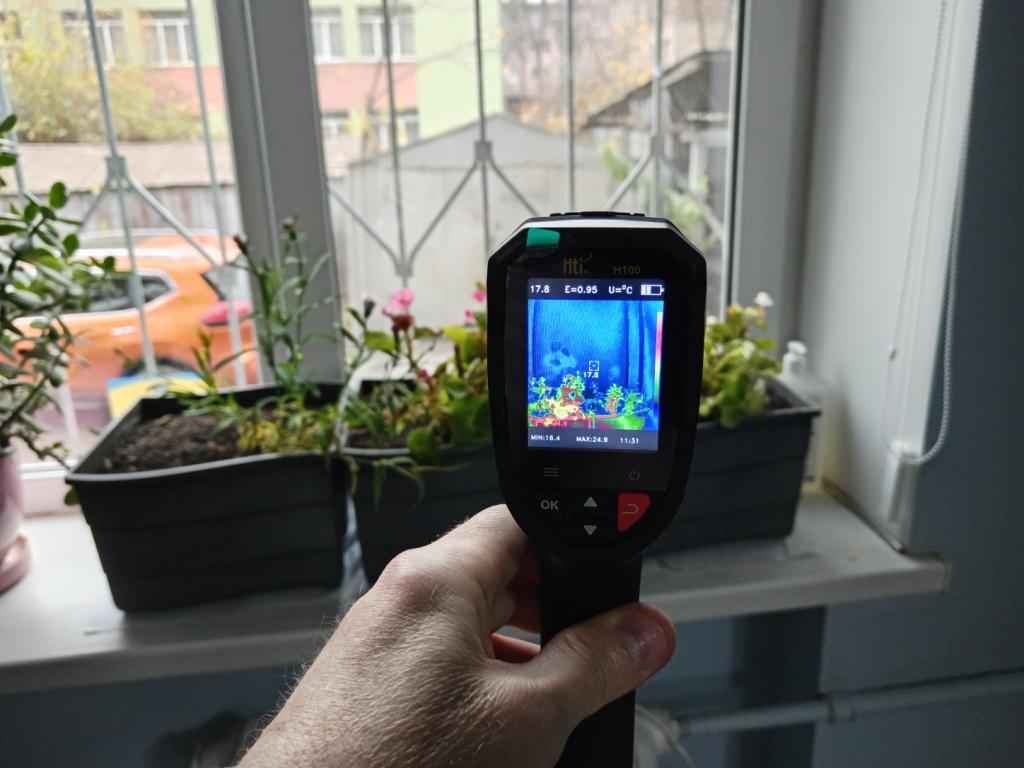
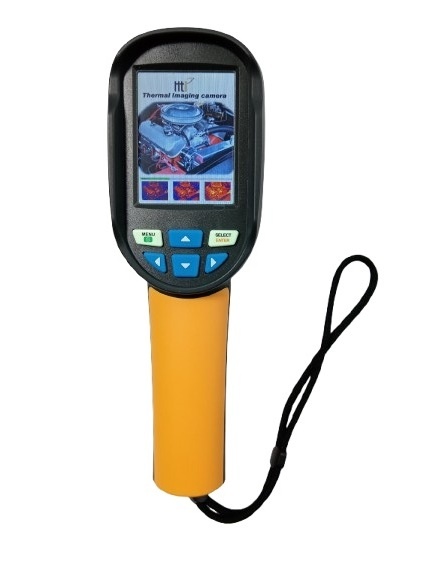
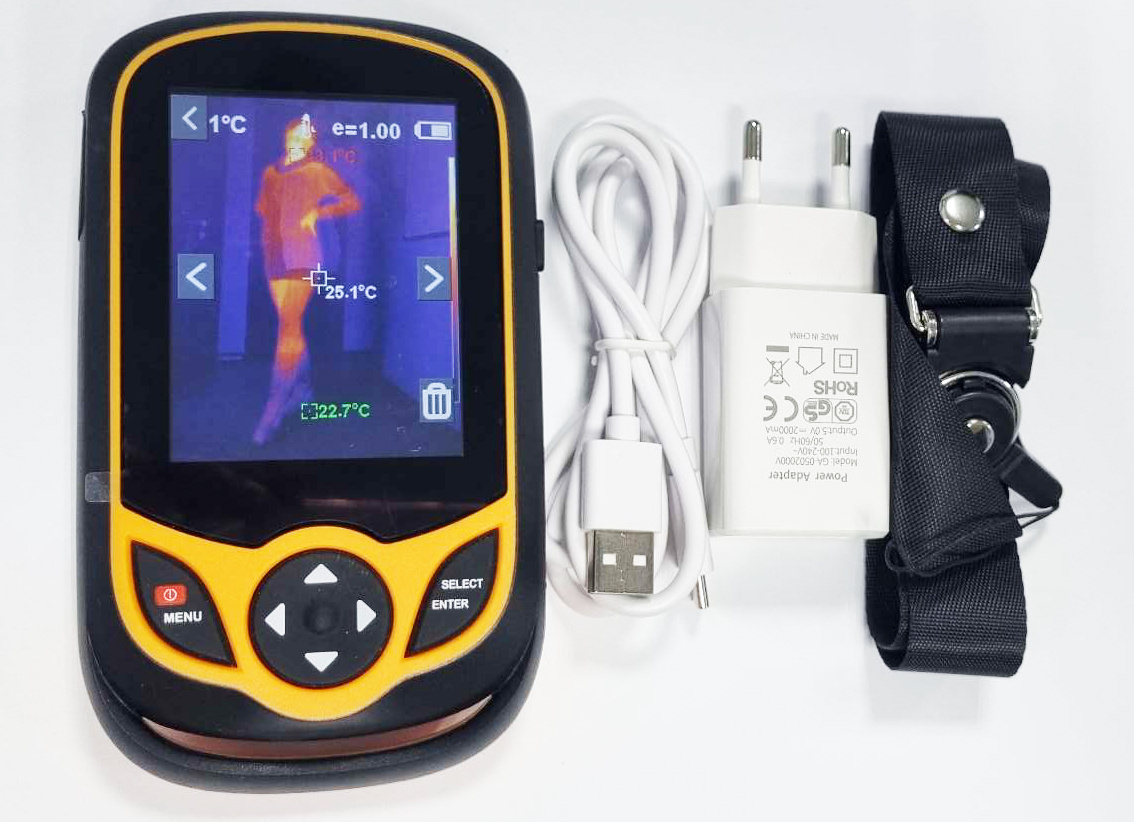
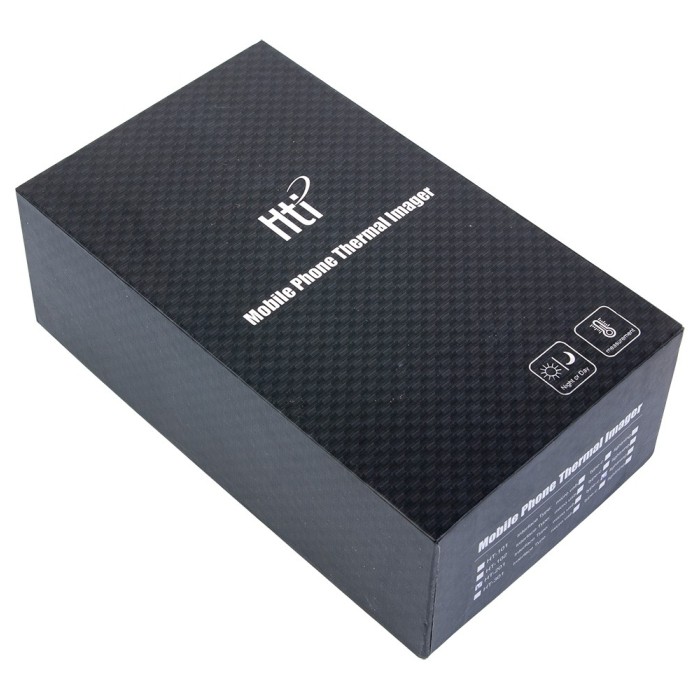
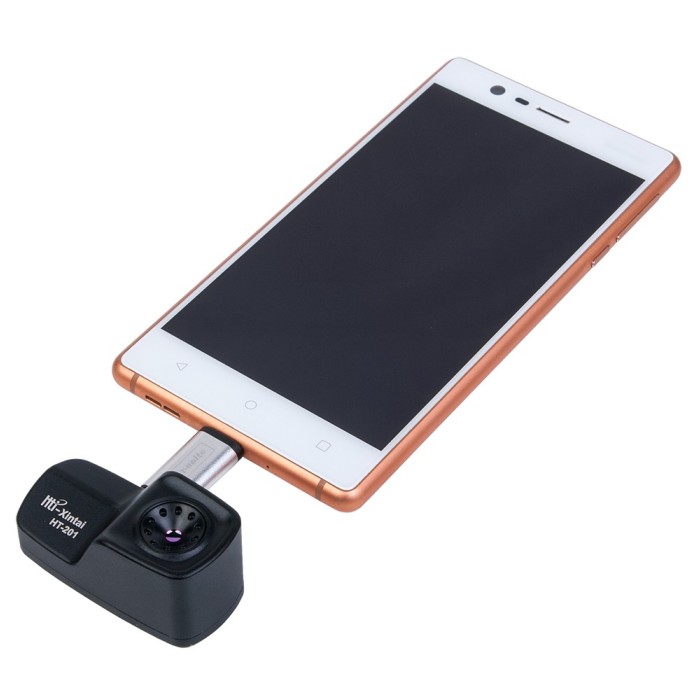
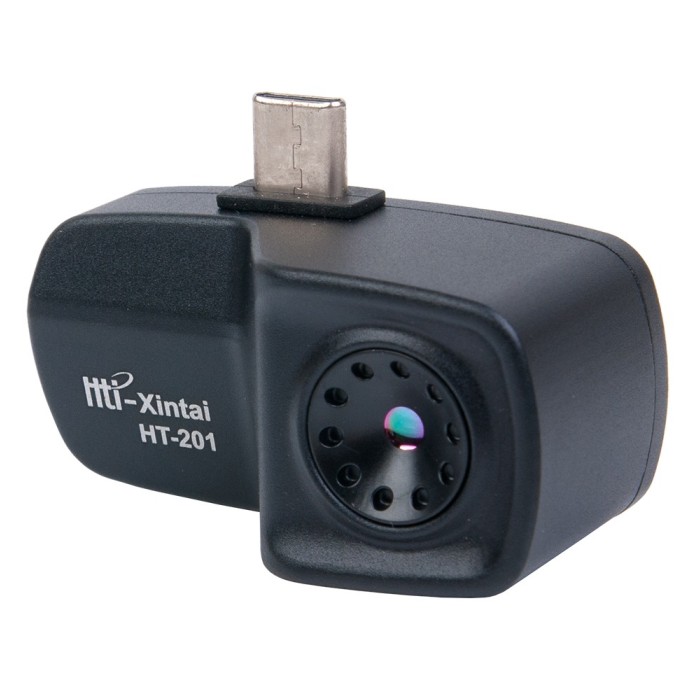
The Xintest HT-201 Android is a miniature thermal camera that connects to a smartphone and uses its screen as a viewfinder, its controls to operate the camera, and its storage to save images and videos. This format is much more practical than a standalone thermal imager for home inspections, energy audits, and electrical, heating, or ventilation work: take it out of the case, plug it in, and start looking for cold corners, overheating contacts, or a pipe hidden behind a wall.
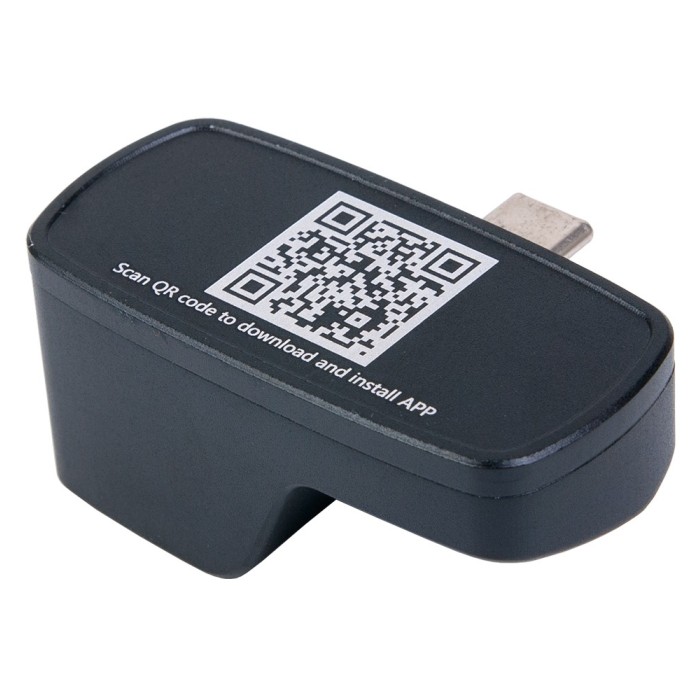
The main connector is USB Type-C, and a Micro-USB adapter is included. The camera draws power from your phone, so there is no need for a separate battery, charging cable, or another device you might forget to charge. However, the thermal imager does noticeably drain your smartphone's battery, so a power bank is a good idea for longer inspections.
320 × 240 pixels: enough to see the problem
The 320 × 240 pixel IR sensor produces a detailed image for its class. The HT-201 does more than just show that “something is warm around here”: it helps pinpoint a hot terminal in an electrical panel, a thermal bridge around a window or door reveal, an area with poor insulation, uneven floor heating, or a suspect component in a motor.
The device operates in the 8–14 µm long-wave infrared range and measures surface temperatures from -40 to 330 °C. Its 0.08 °C thermal sensitivity is particularly useful for detecting small temperature differences, such as when comparing neighboring areas of a wall or spotting one contact heating up relative to the others.
The 26° × 34° field of view is wide enough to inspect a room, facade, electrical panel, or mechanism from a short distance. Focus is fixed, and the minimum distance is 0.15 m: you can examine small components up close, but you should not bring the camera too close.
More than color patterns: actual measurements
In the Hti-Xintai app, you can see the temperature at the center point and automatically identify the hottest and coldest areas in the frame. Emissivity can be adjusted from 0 to 1, which is important for more accurate readings on different materials. Matte metal, plastic, a painted wall, and shiny stainless steel emit infrared radiation differently, so the same settings do not always produce equally accurate results.
There are six palettes: White Hot, Black Hot, Rainbow, Iron, Cold, and Lava. Rainbow is convenient for a quick inspection, while monochrome modes often reveal subtle temperature transitions more clearly. When needed, the app also displays the regular image from your smartphone's camera alongside the thermal image, making it easier to identify the object in the frame.
Photos and videos for a report or technician
You are not limited to viewing results live. The Xintest HT-201 saves thermal images in JPG format and records MP4 video directly to your phone's storage. This is useful for documenting a defect before repair, comparing equipment condition over time, or preparing a report after an energy audit.
The refresh rate is 9 Hz. That is sufficient for inspecting a house, electrical systems, HVAC equipment, pipes, or stationary machinery. For fast-moving objects, however, the image will not be as smooth as on more expensive professional models with higher frame rates.
Compatibility: check before you buy
The device requires an Android smartphone or tablet with USB OTG support and the ability to power an external USB device. The Hti-Xintai app is available on Google Play; the manufacturer also publishes the latest installation file on the HT-201 support page.
This model belongs to an earlier generation of phone thermal imagers, so check that it works with your particular smartphone before buying, especially if it runs a recent version of Android. Not every phone works properly with USB accessories, even if it has a physical Type-C port.
Who is the Xintest HT-201 Android for?
This is a useful tool for an electrician, air conditioning technician, service specialist, energy auditor, or homeowner who wants to see thermal anomalies rather than guess by touch. The HT-201 is especially useful for finding heat loss, checking radiators and underfloor heating, diagnosing electrical panels, monitoring heat in machinery, and inspecting pipes.
It is important to remember that a thermal imager measures surface temperature and shows heat distribution; it does not see through walls. It can quickly indicate where to look for a problem, but any final conclusion should be supported by the measurement conditions and, when necessary, other instruments.