EZODO 7200
Pros
- Replaceable electrode modules
- IP57 rated, splash-resistant
- Quick 3-point calibration
- Large display + temperature
- Auto-ranging for EC/TDS/salinity
Cons
- Electrodes are consumables
- Regular calibration required
- ORP is highly dependent on conditions
EZODO 7200: a “Swiss Army knife” for water (and more)
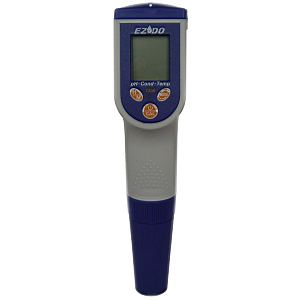
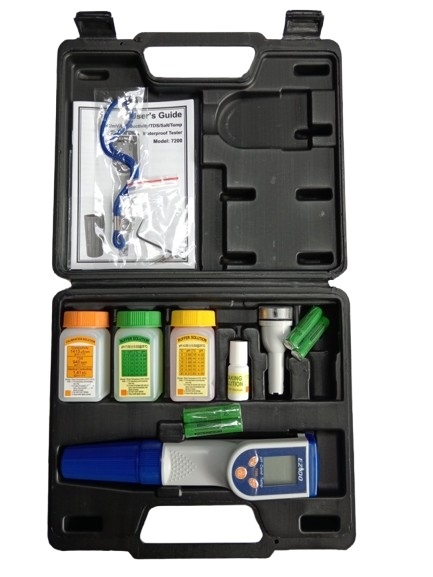
The EZODO 7200 is a multifunctional pen meter with replaceable electrode modules. One body can work as a pH meter, conductivity meter (EC), TDS and salinity meter, thermometer, and, with a separate electrode, an ORP meter in millivolts. It’s made for fieldwork: pack it in the case, go, measure, rinse, and get on with your day.
Options: what you’re actually buying
The meter comes in two versions, differing primarily in the electrode/module:
- “pH electrode + conductivity meter” is for checking acidity and the “concentration” of dissolved substances (EC/TDS/salinity). It’s a typical choice for hydroponics, aquariums, reverse osmosis, household filters, and laboratory solutions.
- “ORP electrode” is for measuring oxidation-reduction potential (ORP, mV). It’s most often used in pools and spas (for disinfection monitoring), water treatment, industrial processes, and sometimes food production.
Construction and field-ready design
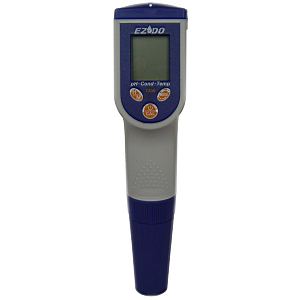
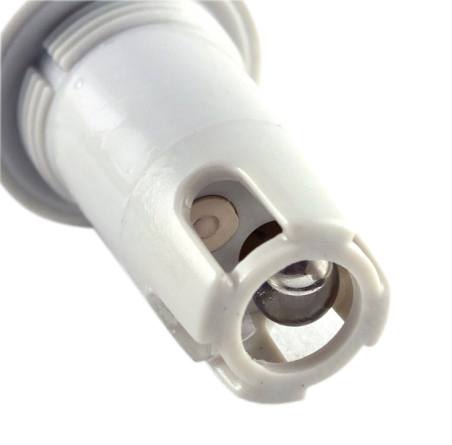
The body has an IP57 water-resistance rating and, especially handy in real life, the meter floats (so it won’t become an underwater artifact at the first “oops”). The body has textured grip areas, and the electrode module is replaceable: if it wears out or you need a different type of measurement, swap the module and carry on.
Display and controls: no unnecessary fuss
The idea is simple: the display shows the parameter reading and temperature at the same time. Useful field features include reading hold (Hold), Max/Min, a battery indicator, and automatic shutoff after inactivity (so the meter doesn’t drain the batteries in the case).
What it measures and how: the essentials
pH ranges from “acidic” to “very alkaline,” and the EZODO 7200 is often used with a flat pH electrode. Its advantage is that it makes it easier to measure small volumes and samples that aren’t always “perfectly clean water” (semiliquid or semisolid samples, samples with impurities, and so on).
EC / TDS / salinity measurements have auto-ranging, which matters: you don’t have to guess which range to select manually. For everyday tasks, these are among the most practical parameters: you can quickly see whether a solution has changed, whether a reverse osmosis system has drifted out of spec, or whether unwanted salts have appeared.
ORP (mV) is useful, but it has its quirks. ORP can change significantly depending on pH, temperature, water chemistry, and the type of oxidizer or disinfectant. It’s therefore more of a “system indicator” under specific conditions than a universal truth. On the plus side, ORP often provides very quick feedback in pools and water treatment.
Calibration: not scary, but essential
To get accurate readings, the meter needs calibration. On the EZODO 7200, this is done with buttons, without any elaborate rituals:
- pH: reference points 4.00 / 7.00 / 10.01.
- Conductivity (EC): 0 / 1413 µS/cm / 12.88 mS/cm.
Practical tip: make a habit of doing a “quick check” before a series of measurements, especially for pH. It takes minutes and saves hours of wondering “why are the plants unhappy?” or “why is the water strange?”
Electrode care: how to extend the meter’s life
An electrode is a consumable, but you don’t have to wear it out prematurely:
- After measuring, rinse it (preferably with demineralized or distilled water) and gently shake off the droplets.
- Store the pH electrode in the recommended solution (not dry).
- Don’t scrape the glass or membrane, and don’t rub it dry.
- If readings become slow or drift, calibration and proper storage often help; if not, it’s easier to replace the module.
Which version should you choose?
Choose “pH + conductivity meter” if your questions sound like: “What’s the pH?”, “Is the solution too concentrated?”, “What about mineral content and salts?”, or “Is the filter or reverse osmosis system still working?” This is the most versatile kit for everyday water monitoring.
Choose “ORP electrode” if you need to monitor oxidation potential, often for pools, disinfection, or industrial processes. But remember: ORP isn’t magic; it’s a reading that makes sense in context (pH, temperature, reagents, stabilizers, and so on).
Conclusion
The EZODO 7200 is a portable meter that really feels like a tool rather than a “one-season toy.” Water resistance, replaceable modules, useful ranges, and straightforward calibration make it a good choice for people who want to measure water parameters regularly and get repeatable results.