Water quality analyzers
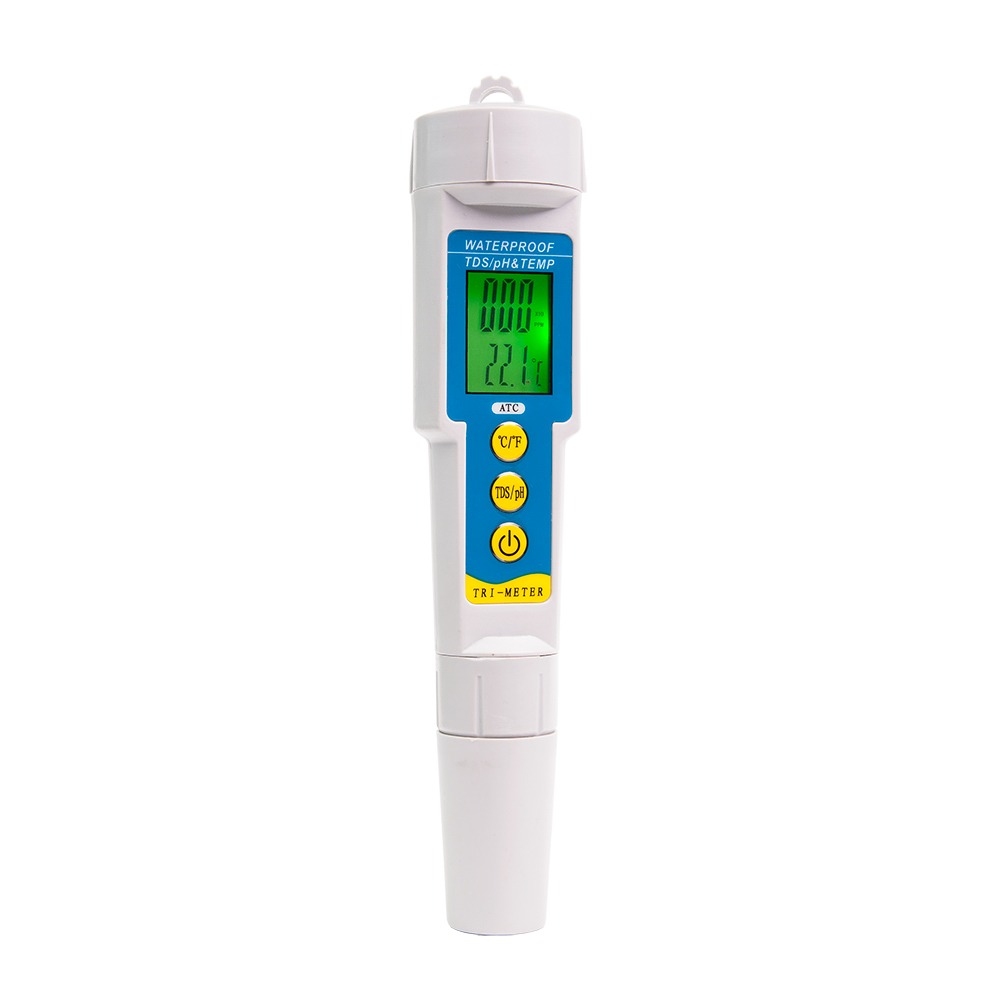
BROM pH/TDS-986 Water Quality Analyzer
1699 ₴

AZ-86031 4-in-1 DO/pH/conductivity/salinity meter
25999 ₴
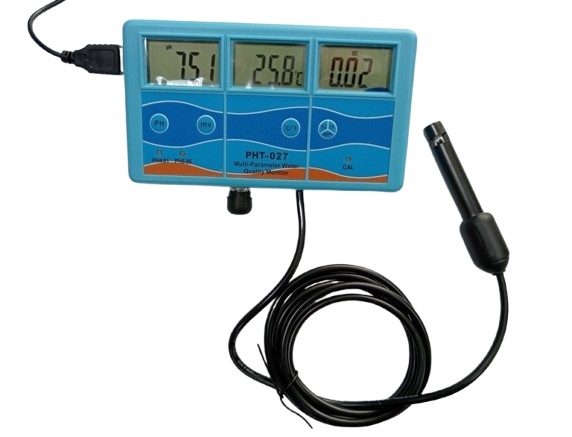
Kelilong PHT027 Water Quality Monitor
6199 ₴
EZODO 7200
from 6199 ₴
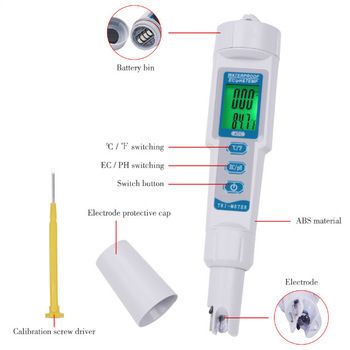
pH/EC-983 Water Quality Analyzer
1799 ₴
How to choose
Water quality analyzers are for anyone who wants to monitor the composition and condition of water based on specific measurements rather than by appearance. In this category, start by choosing what exactly you plan to measure, how often you will use the device, and under what conditions, rather than by brand.
What measurements you really need
First, determine which water parameters matter to you. This category includes models for measuring pH, TDS, electrical conductivity (EC), dissolved oxygen (DO), salinity, and temperature. For basic monitoring of drinking or utility water, pH, TDS, or EC is often enough. If you work with aquariums, hydroponics, or brackish water, you may need a broader set of parameters.
Also consider the form factor. Portable and pen-style models are convenient for quick on-site checks and spot measurements, while a Wall/Panel option makes more sense for stationary monitoring in one location.
Measurement ranges without surprises
After choosing the parameters you need, check whether the measurement ranges suit your tasks. This is especially important for pH, EC, TDS, and salinity: the device should confidently cover the values you actually work with, not merely reach them on paper.
If you plan to measure different types of water, a model with broader working coverage is more practical. If your measurements are similar, you can focus less on the maximum range and more on ease of use and accuracy in the range you need.
Accuracy and reading increments
Do not confuse resolution with accuracy. Resolution shows the smallest increment you can see on the screen, while accuracy indicates how close the result is to the actual value. Among the available products, pH resolution is 0.01, while stated accuracy can range from ±0.01 to ±0.1.
For EC, the catalog includes resolution from 0.01 to 10, while EC/TDS/salinity accuracy is stated at 1 to 2% of full scale. If you need monitoring for a rough check, extremely precise values are not always critical. But for regularly adjusting processes where small deviations matter, pay close attention to accuracy and reading increments.
Probe, calibration, and temperature
The probe/electrode system affects both maintenance convenience and compatibility with consumable components. Specifications may include a BNC connector, replaceable probe module, glass pH electrode, platinum EC/TDS electrode, platinum ORP electrode, and KCl gel electrolyte. If you plan to use the device for a long time and frequently, look for solutions where probe maintenance or replacement does not create unnecessary difficulties.
Calibration is important for stable results. The catalog lists pH 4.00, pH 7.00, and pH 10.01 calibration points, and for EC, 1413 µS/cm, 12.88 mS/cm, and EC 0. Automatic temperature compensation (ATC) is also useful, especially if measurements are not always taken at the same water or air temperature.
Convenience for everyday use
Even a device with good specifications can be frustrating if it is inconvenient to use every day. Available products include an LCD display, and some models may have backlighting and audible alerts. These details may seem minor at first: backlighting makes work easier in low light, while an audible signal can be useful during setup or when confirming actions.
Also pay attention to how many values are displayed simultaneously. The catalog includes an option with 3 simultaneous display values, which is convenient when you want to see several parameters without switching between screens.
Power and durability
If you need the device for regular checks in the field or at different locations, look at the power source. This category includes models with replaceable AAA batteries, using 4 batteries. This option is convenient because you can replace the batteries quickly without waiting for charging.
For use in a wet environment, enclosure protection is important. Available values include IP67, which is worth considering if the device will often come into contact with splashes or drops, or be used near water containers.
Tips
- First identify the 1–3 key parameters you will measure regularly, and only then compare the other specifications.
- For occasional or on-site checks, a portable or pen-style format is more convenient; for a permanent monitoring location, consider Wall/Panel.
- If repeatable results matter to you, check not only the range but also the accuracy, resolution, and availability of clear calibration points.
- For regular work near water, it is more practical to choose a model with enclosure protection and commonly available AAA battery power.