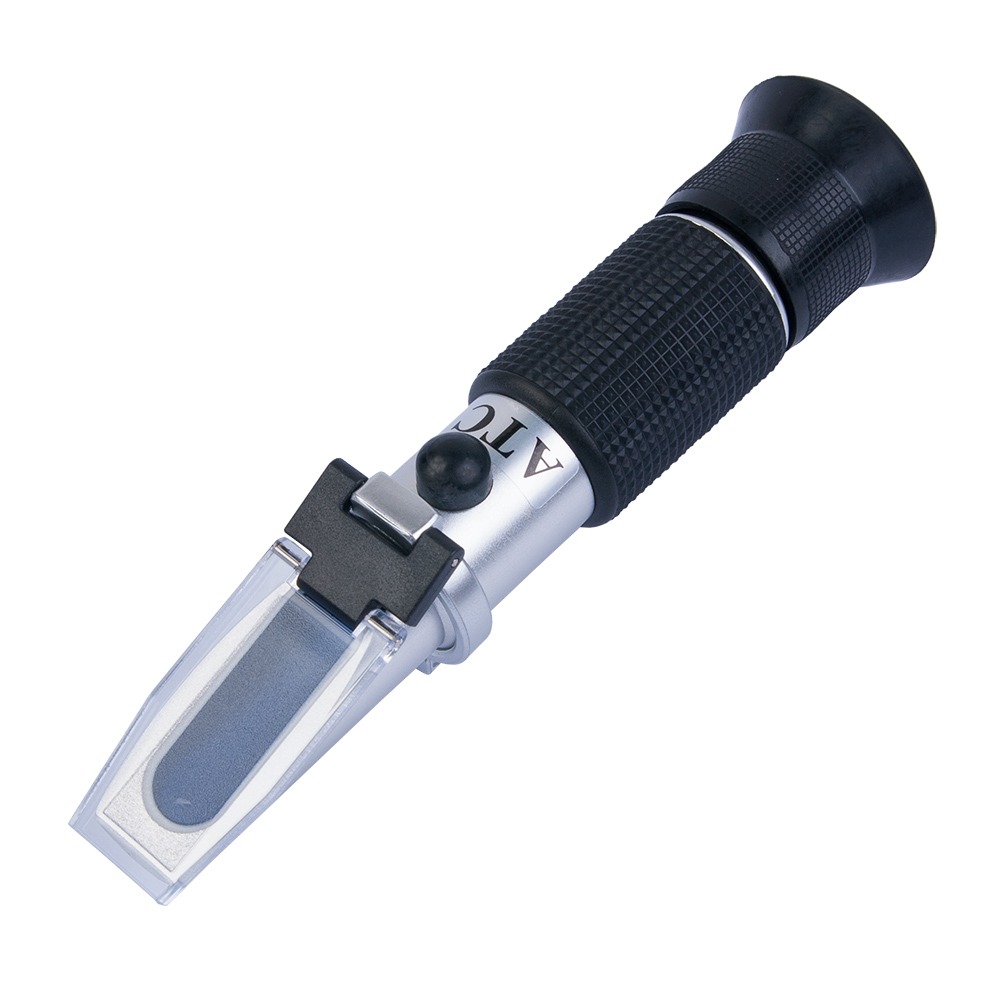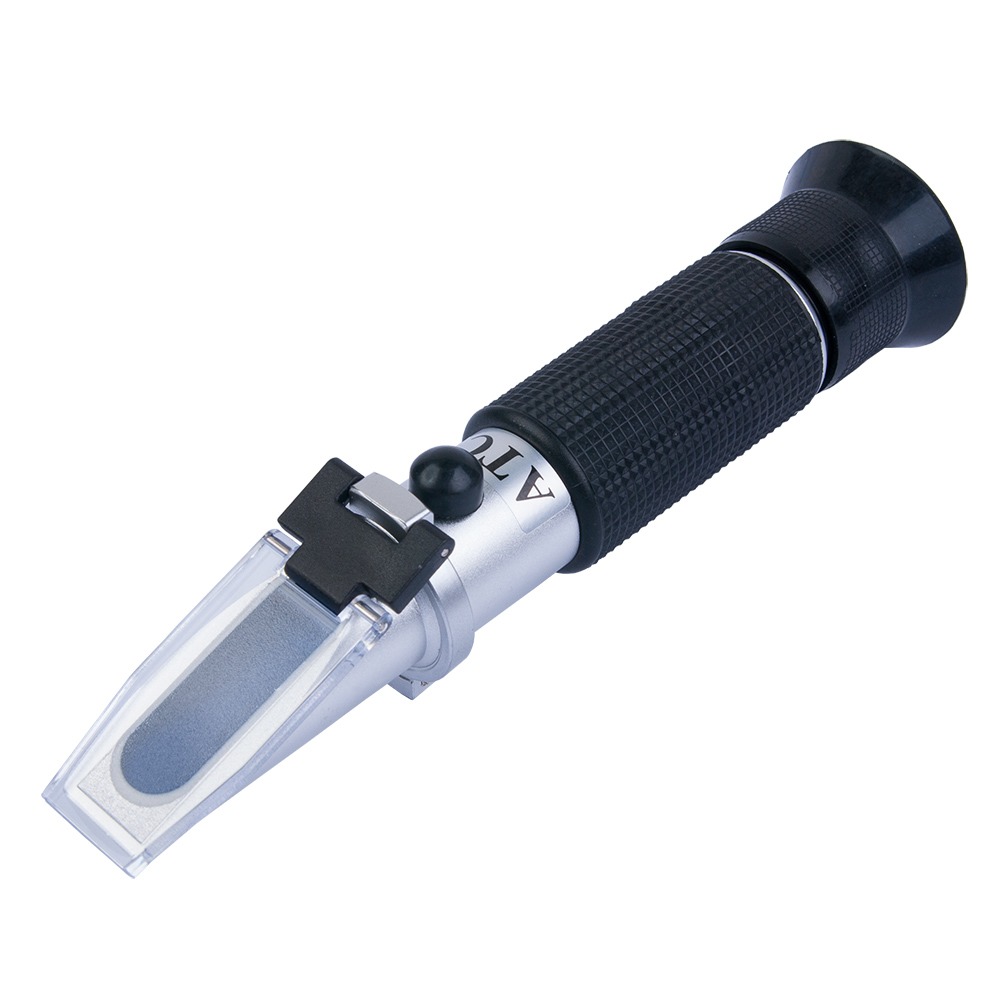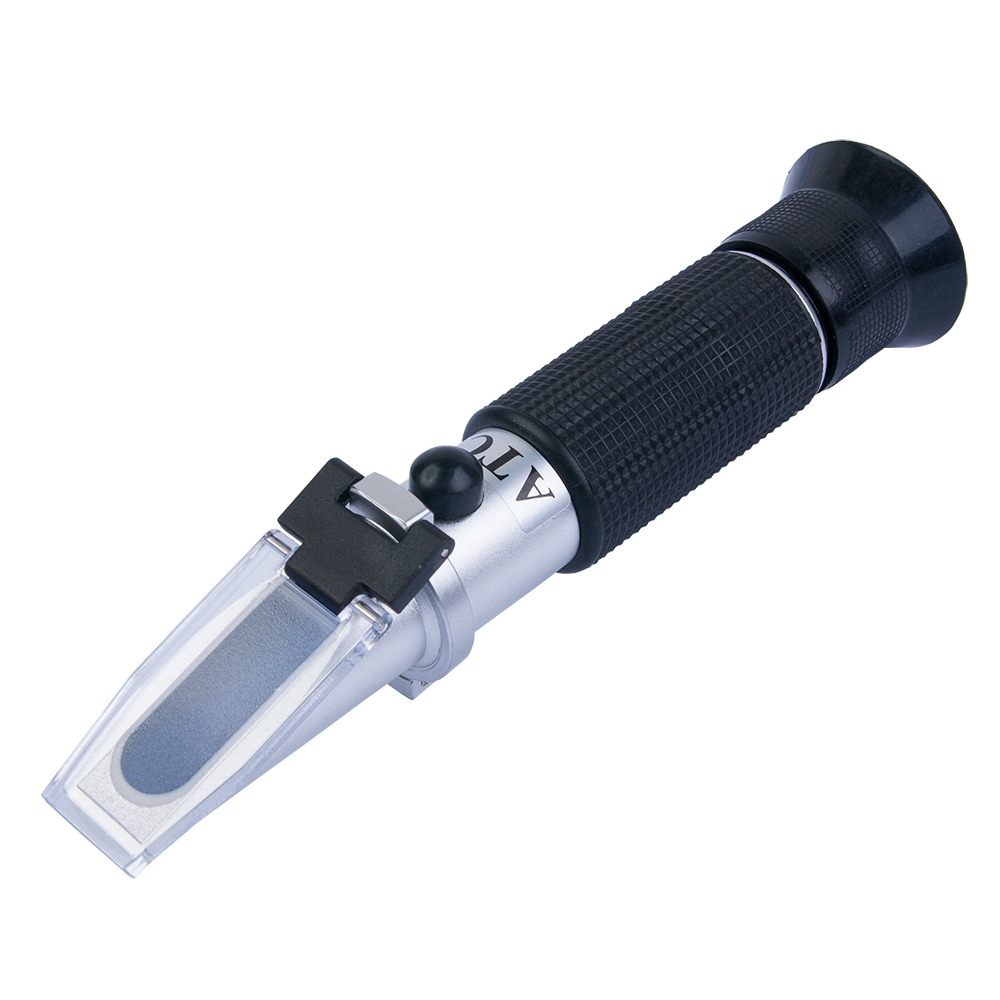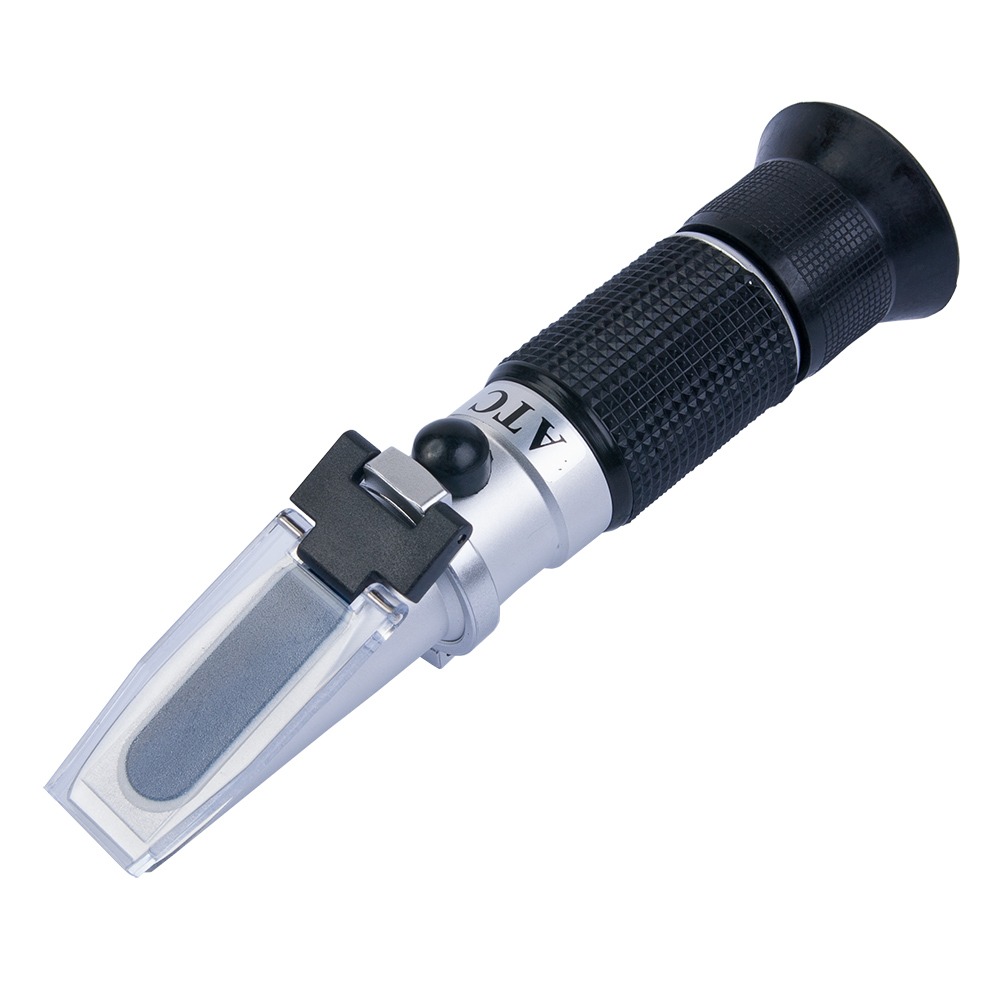
HT-412
Delivery and payment
Choose your city or town to see the price with delivery there and when you can get it.
Pickup points
- Branch
- Parcel locker
Pros
- Three useful automotive scales
- No batteries required
- ATC in the 10–30 °C range
- Quick measurements with just a few drops
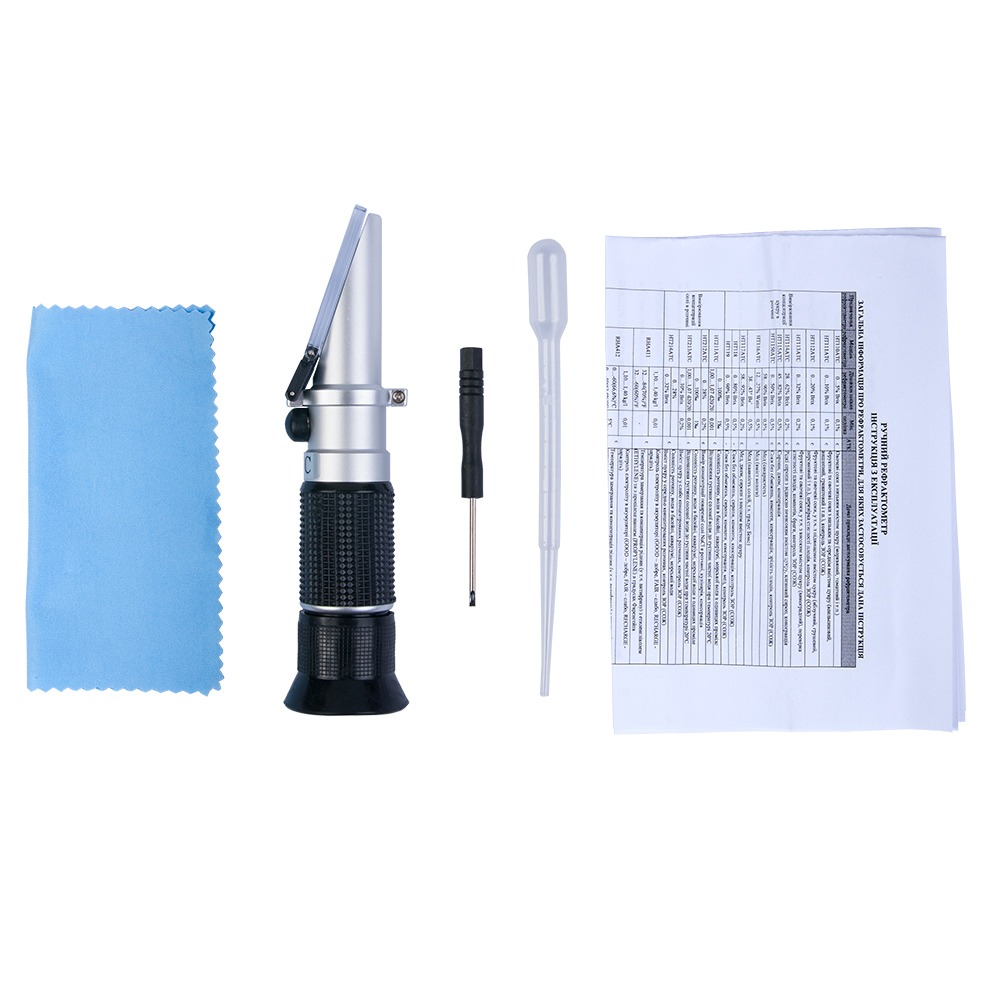
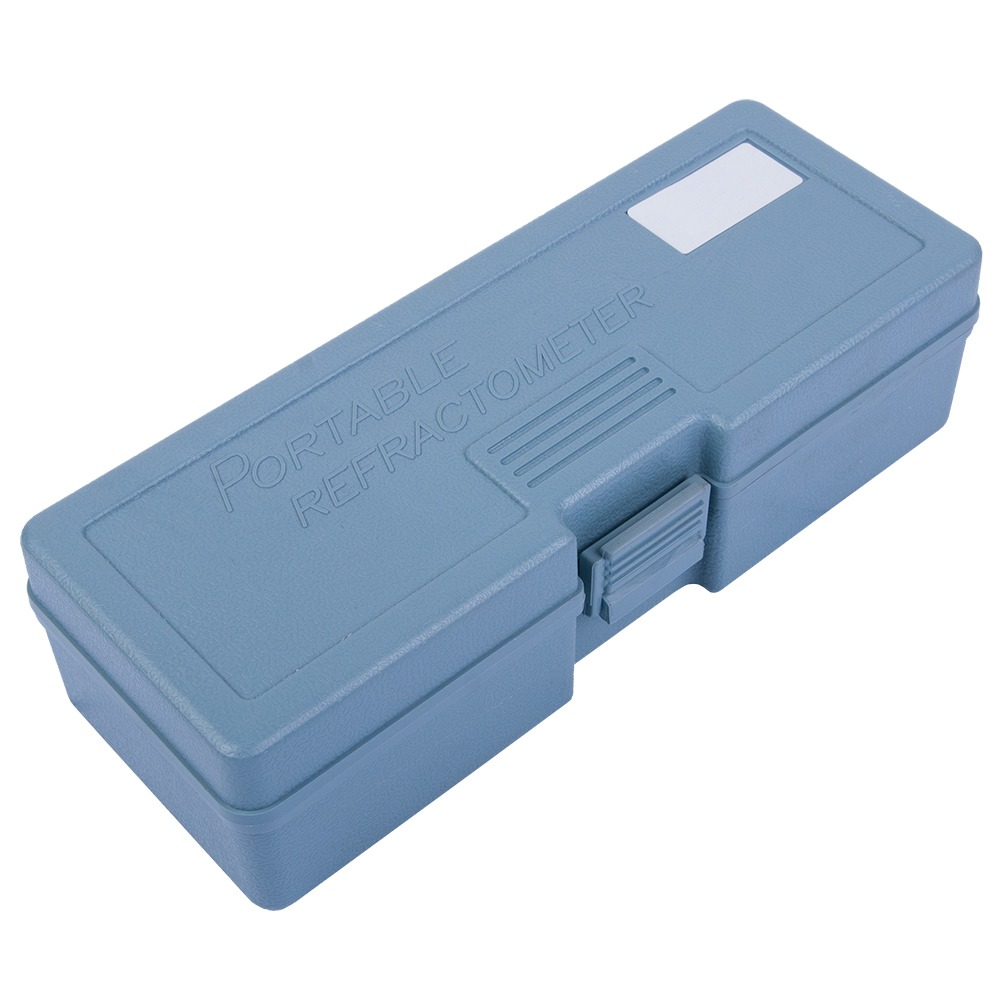
- Case and everything you need included
Cons
- Margin of error up to ±5 °C
- Only for accessible electrolyte
- Scale must be read manually
HT-412: a quick check before big problems arise
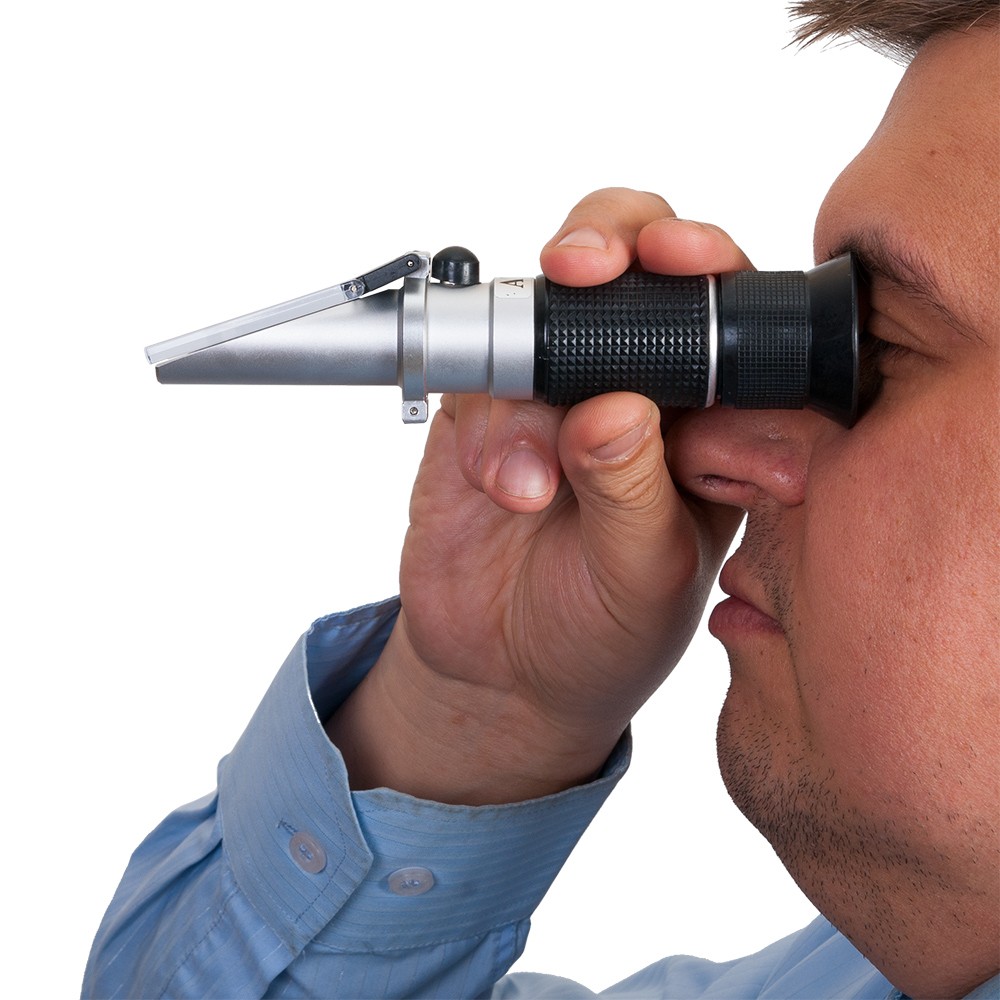
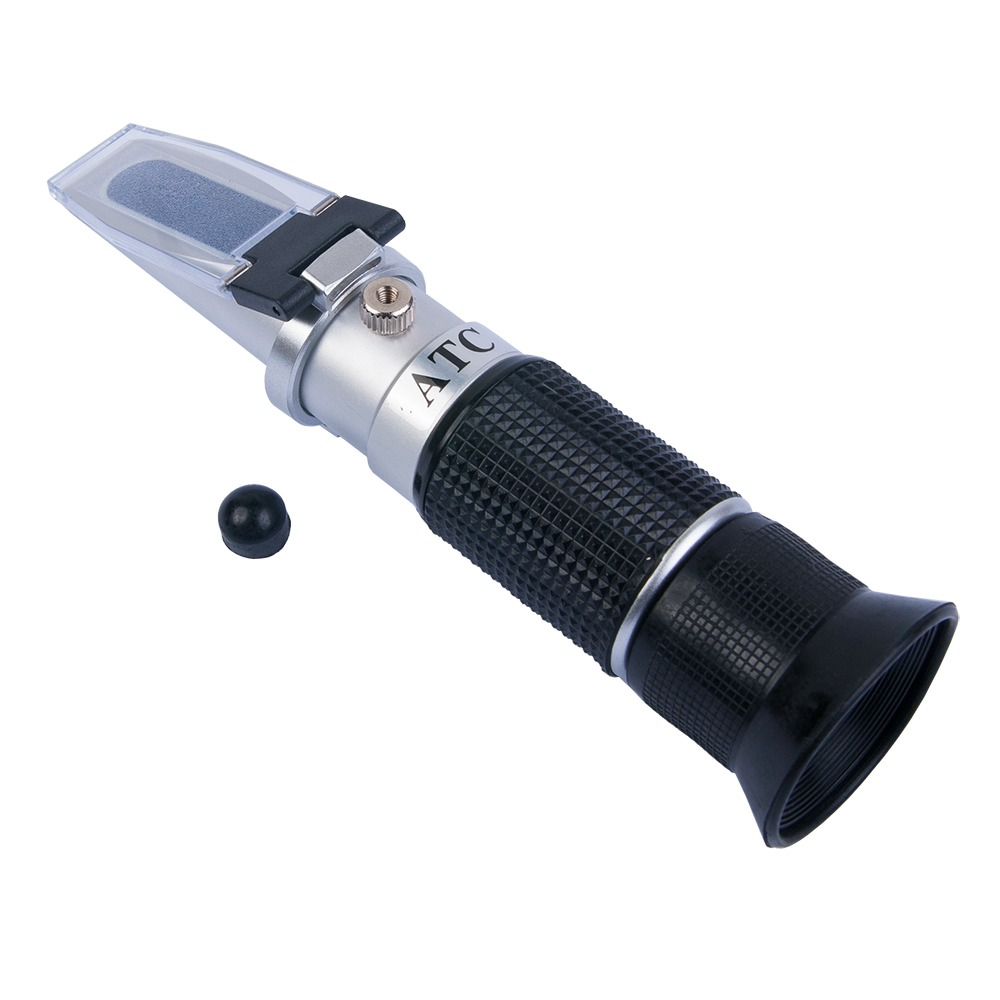
The HT-412 is a handheld optical refractometer for quickly checking antifreeze and lead-acid battery electrolyte. It doesn't scan for errors through OBD, replace cooling system diagnostics, or make coffee. But in just a few seconds, it shows whether your coolant provides enough freeze protection and whether your electrolyte has an acceptable specific gravity.
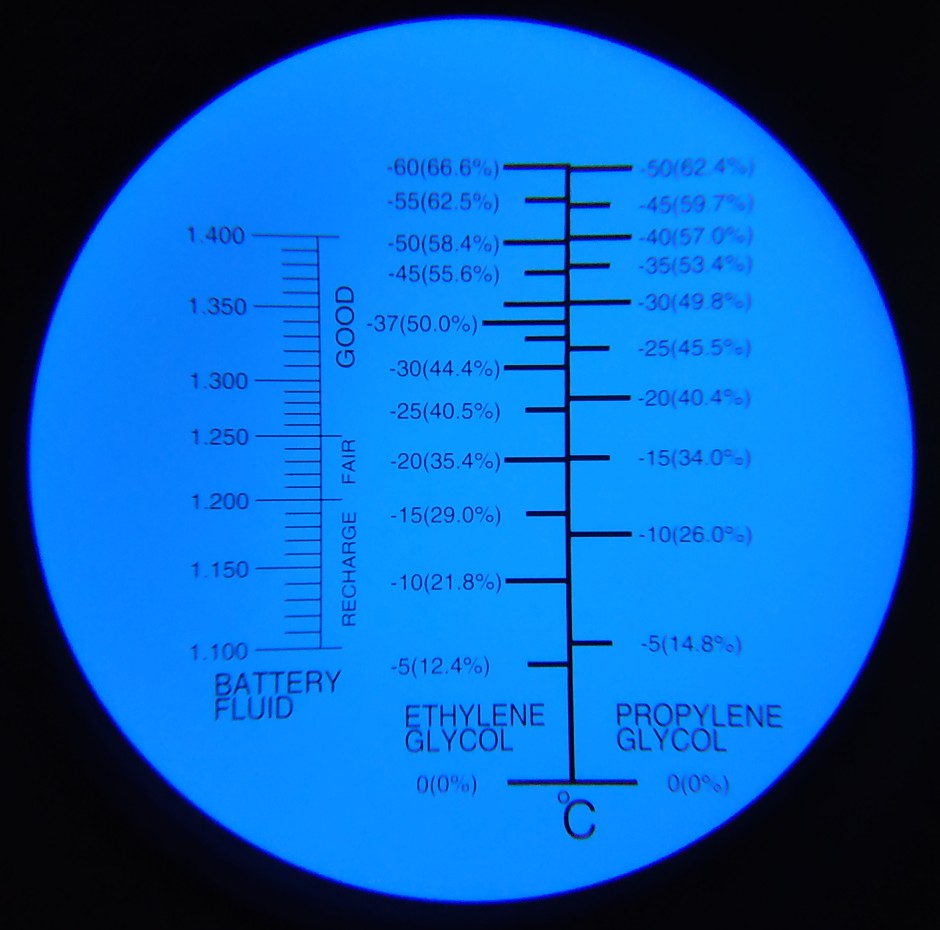
The device has three scales: one for ethylene glycol antifreeze, one for propylene glycol fluids, and one for determining the specific gravity of battery electrolyte. The result is visible directly through the eyepiece, where the boundary between the blue and light areas crosses the relevant scale.
What it measures
For ethylene glycol antifreeze, the HT-412 shows the freezing point from 0 to −60 °C and an approximate glycol content of up to 66.6%. The propylene glycol scale covers a range from 0 to −50 °C and a concentration of up to 62.4%.
The third scale is for electrolyte: the 1.100–1.400 SG range has clear RECHARGE, FAIR, and GOOD markings. It comes in handy for serviceable lead-acid batteries where the electrolyte is accessible. This test method cannot be used for sealed AGM, GEL, or conventional maintenance-free batteries.
How it works: no electronics, just the essentials
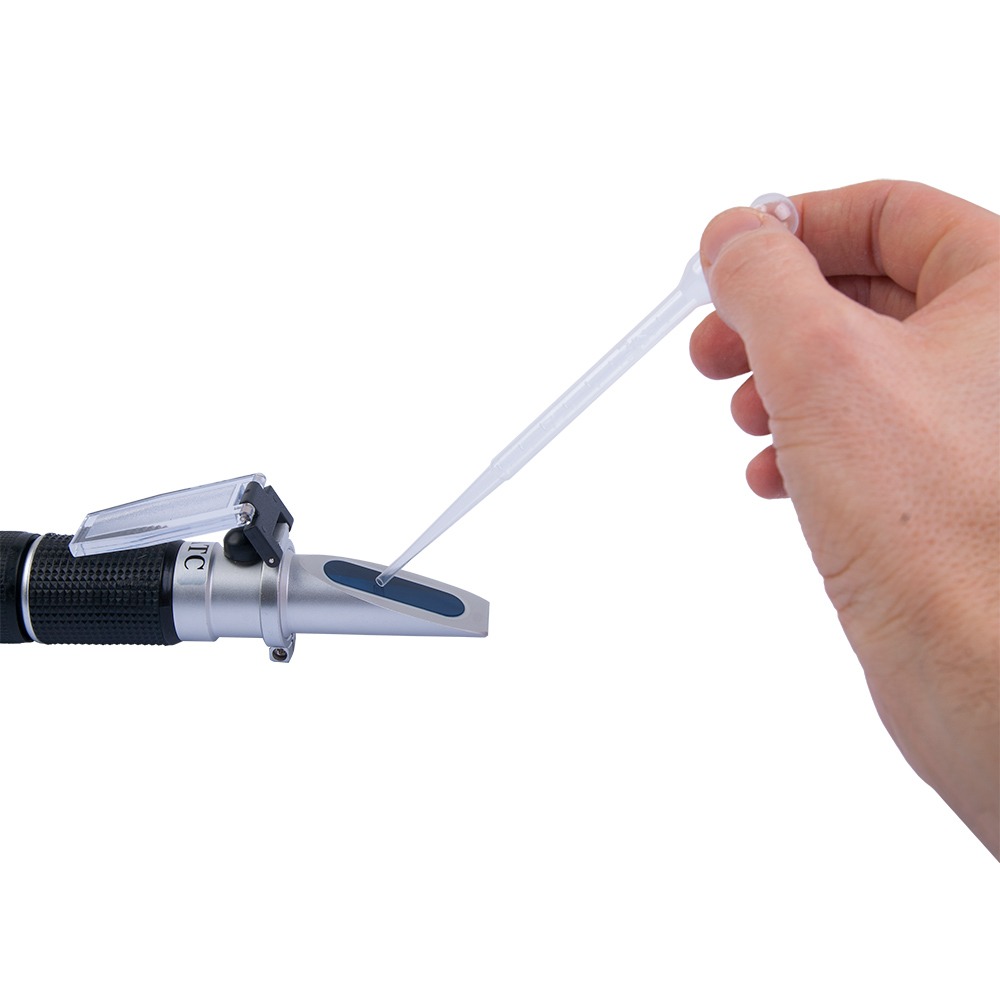
Lift the clear prism cover, use the dropper to apply 2–3 drops of liquid, close the cover, and look through the eyepiece toward a bright light source. If needed, adjust the focus by turning the eyepiece. The dividing line between the blue and white areas gives the reading, with no menus, cables, or batteries running out at the worst possible moment.
Automatic temperature compensation works in the 10–30 °C range, and the recommended measurement temperature is around 20 °C. It reduces the effect of temperature on the result, but it doesn't turn the device into a laboratory analyzer: the minimum scale division and stated accuracy for the antifreeze scales are 5 °C. This is a practical tool for service checks, not a way to argue over a single degree.
How to use it correctly
Before taking important measurements, check the calibration with distilled water and, if necessary, adjust it with the included screwdriver. Wipe the prism and cover with a soft cloth after each test: traces of the previous liquid can easily spoil the next result.
Take antifreeze samples only from a cooled system. Hot coolant is under pressure and can cause burns. Wear gloves and eye protection when working with electrolyte: it's acid, not just “battery water.”
Who the HT-412 is for
This is a useful tool for car owners, mechanics, mobile service technicians, and small workshops. It helps you check a new mixture before winter, assess antifreeze after adding water, or monitor electrolyte in a serviceable battery. The compact refractometer doesn't take up much space, and the case protects its optics from dust and accidental impacts.
It's important to use the HT-412 only with the fluids its scales are designed for: ethylene glycol and propylene glycol coolants and battery electrolyte. Windshield washer fluid, AdBlue, brake fluid, and motor oil require other measuring instruments.