RH504ATC
Delivery and payment
Choose your city or town to see the price with delivery there and when you can get it.
Pickup points
- Branch
- Parcel locker
Pros
- Six scales for automotive fluids
- No batteries required
- ATC from 10–30 °C
- Calibrates with distilled water
- Case and accessories included
Cons
- You need to know the fluid's composition
- Scales have moderate resolution
- Does not replace laboratory analysis
One device instead of a set of testers
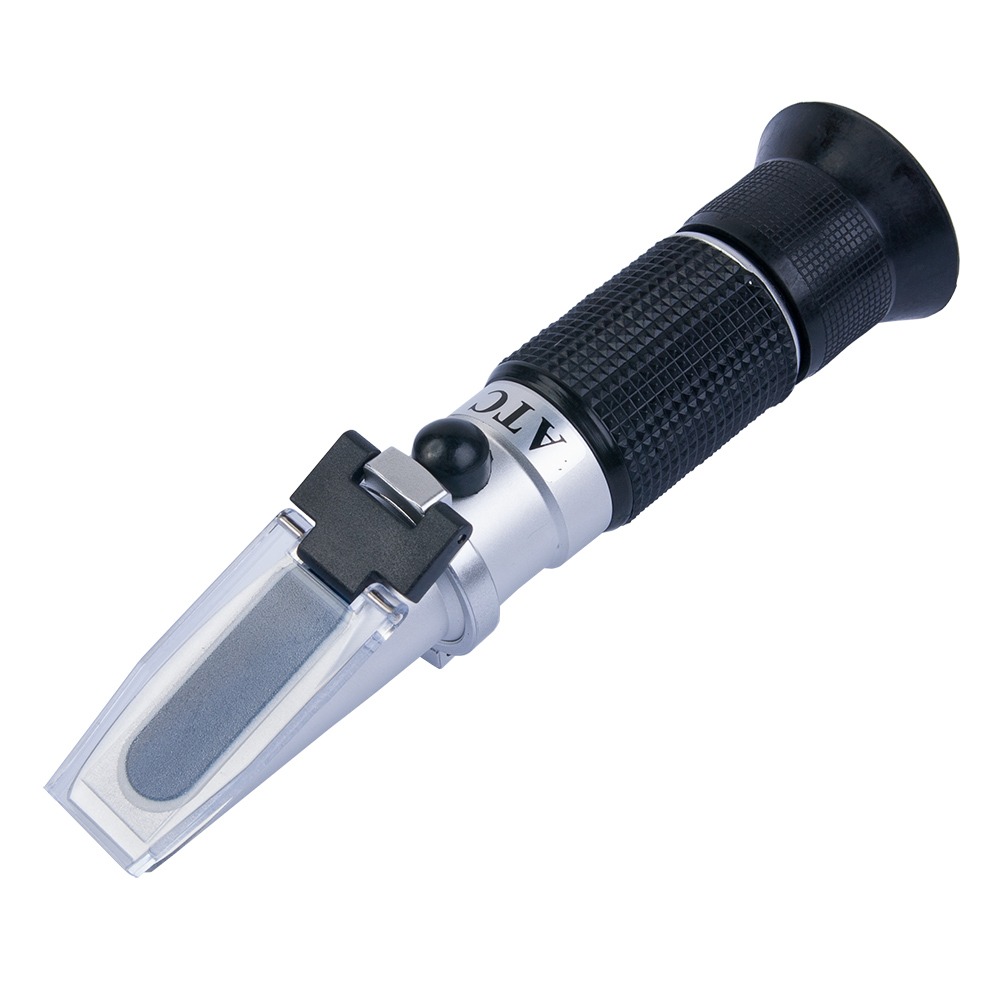
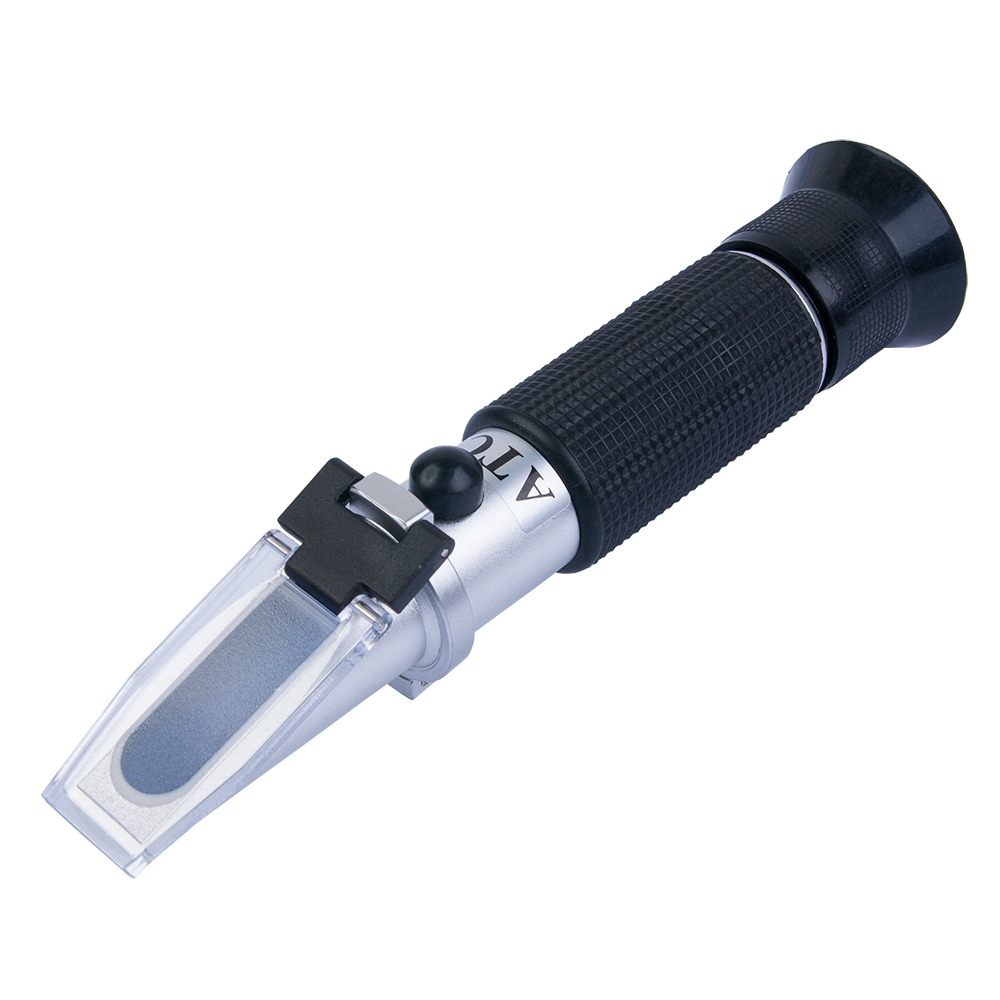
The RH504ATC is a handheld optical refractometer for quickly checking essential automotive fluids. It comes in handy for garage owners, auto repair technicians, or drivers who would rather find out about a weak battery or antifreeze that's too much of a “summer blend” before the first frost, not after.
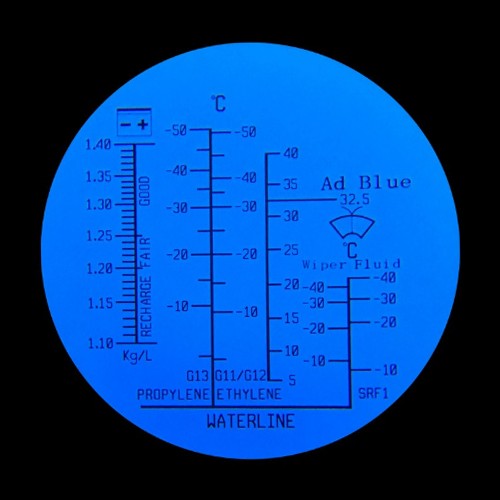
The device combines six scales: one for lead-acid battery electrolyte density, two for ethylene glycol and propylene glycol antifreeze, two for types of windshield washer fluid, and one for AdBlue. No batteries, app, or dramatic pause before an “error” message are required. Just a few drops of fluid and daylight are enough.
What the RH504ATC measures
The battery electrolyte scale covers densities from 1.10 to 1.40 kg/L and has clear GOOD, FAIR, and RECHARGE markings. It is a useful guide for serviceable lead-acid batteries from which an electrolyte sample can be safely taken. This method is not used for sealed, maintenance-free batteries.
Two antifreeze scales let you separately determine the freezing point of ethylene glycol coolant, typically used for G11/G12, and propylene glycol coolant, often associated with G13. The range is 0 to –50 °C in both cases. This matters: antifreezes have different bases, so you need to read the appropriate scale, not the one that looks more optimistic.
The refractometer also checks the freezing point of windshield washer fluid from 0 to –40 °C, using scales for ethylene- and isopropyl alcohol-based fluids. A separate AdBlue scale shows urea concentration from 5 to 40%; the reference value for the standard solution is about 32.5%.
How to use it: no magic, just a clean prism
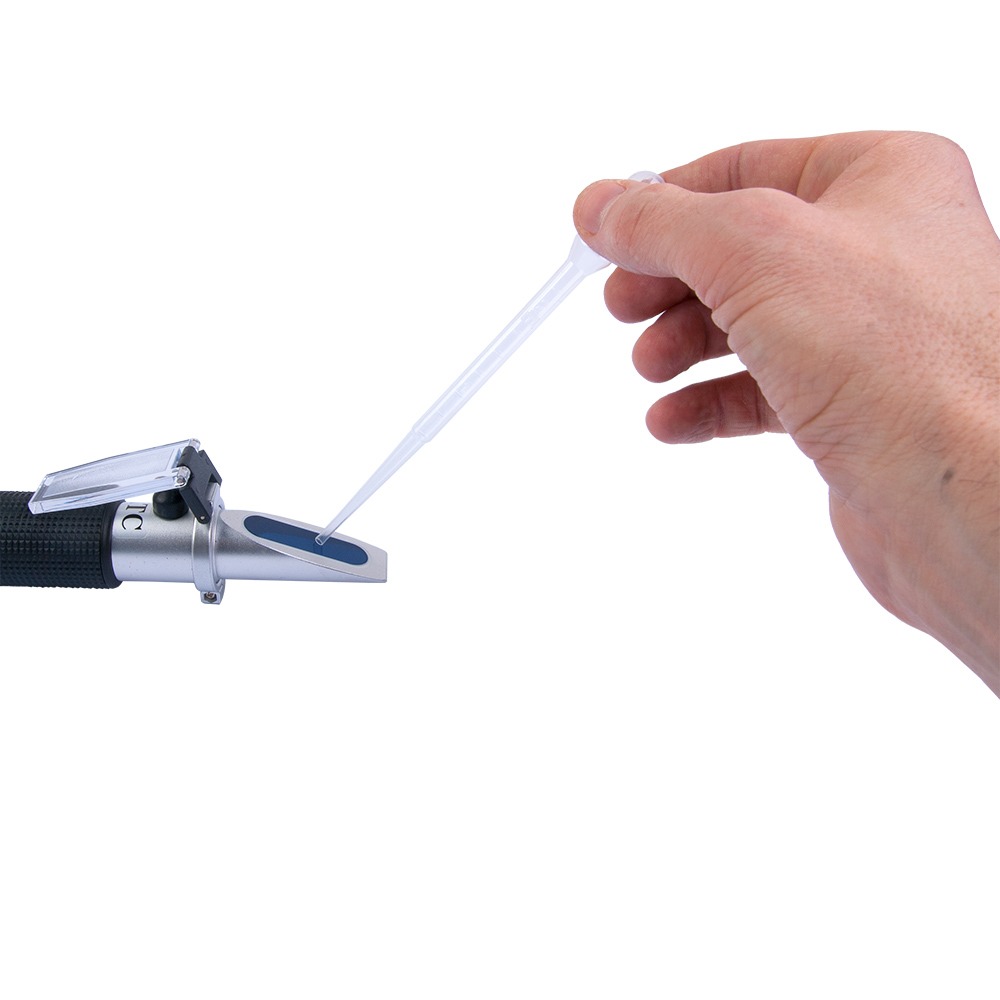
Open the transparent prism cover, apply 2–3 drops of the sample with the pipette, close the cover, and make sure the liquid has spread without bubbles. Then point the refractometer toward bright, diffused light, look through the eyepiece, and focus by turning its rubber ring. The boundary between the blue and light areas shows the reading on the appropriate scale.
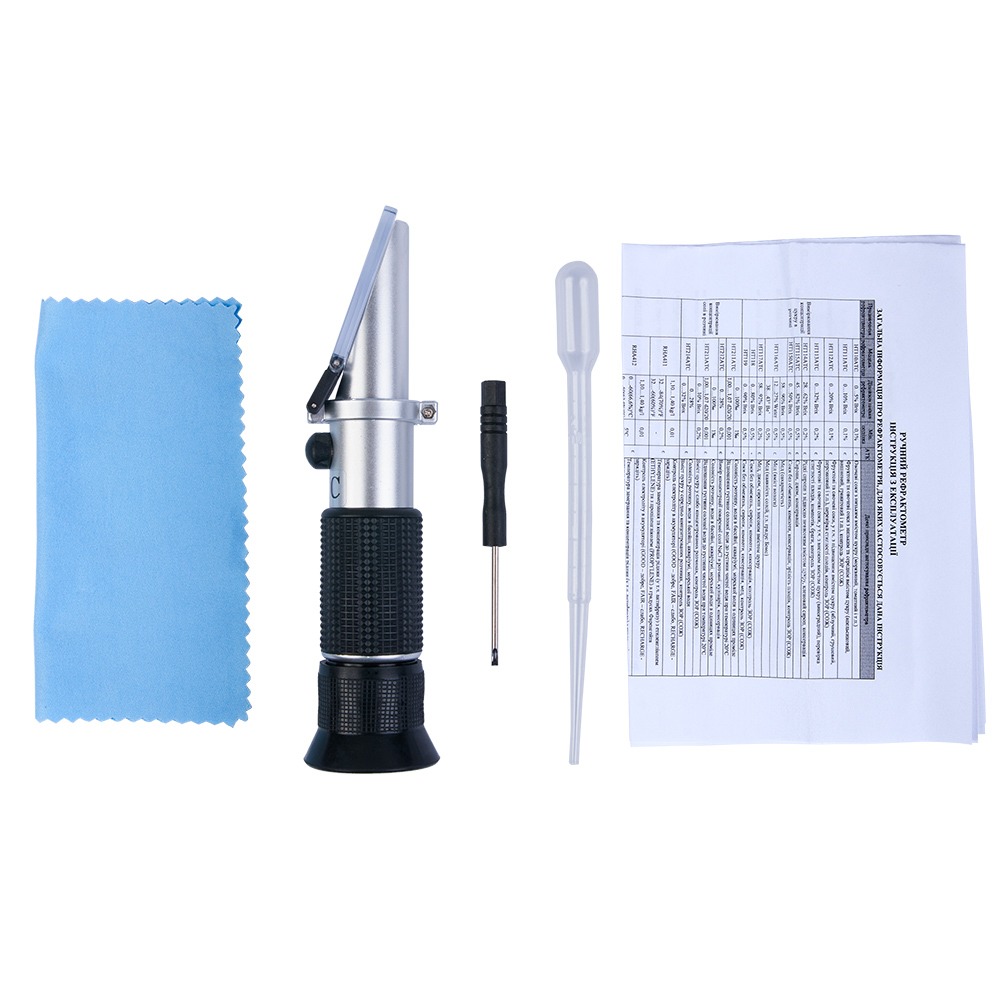
Check the device with distilled water before first use and periodically thereafter. It should read zero; if necessary, adjust the scale using the included screwdriver. Wipe the prism with a soft cloth after each measurement. Take particular care not to leave electrolyte or AdBlue on it: a measuring instrument likes precision, not dried-on surprises.

ATC: useful compensation, not a pass for any conditions
ATC stands for automatic temperature compensation. The RH504ATC is designed to operate at ambient temperatures from 10 to 30 °C, and calibration and measurements are best performed at a temperature close to 20 °C. Compensation reduces the effect of normal temperature fluctuations, but it doesn't replace common sense: let freshly drained hot fluid or an icy sample from outside reach the measurement conditions first.
The scale divisions are designed for quick technical diagnostics, not laboratory analysis. Electrolyte is read in 0.01 kg/L increments, antifreeze in 5 °C increments, windshield washer fluid in 10 °C increments, and AdBlue in 5% increments. That's enough to assess the fluid's condition, charge the battery in time, replace the washer fluid, or check whether the coolant mixture will make it through winter.
A compact tool for the garage and auto repair shop
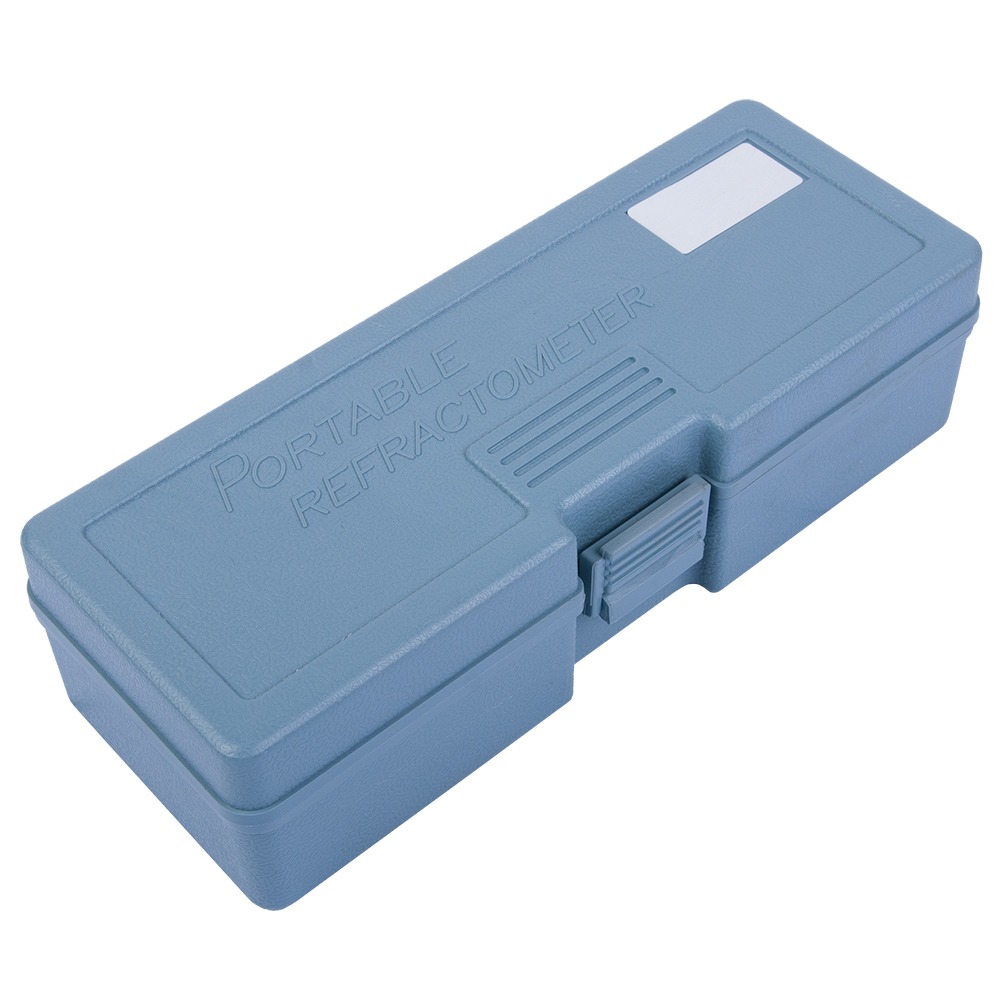
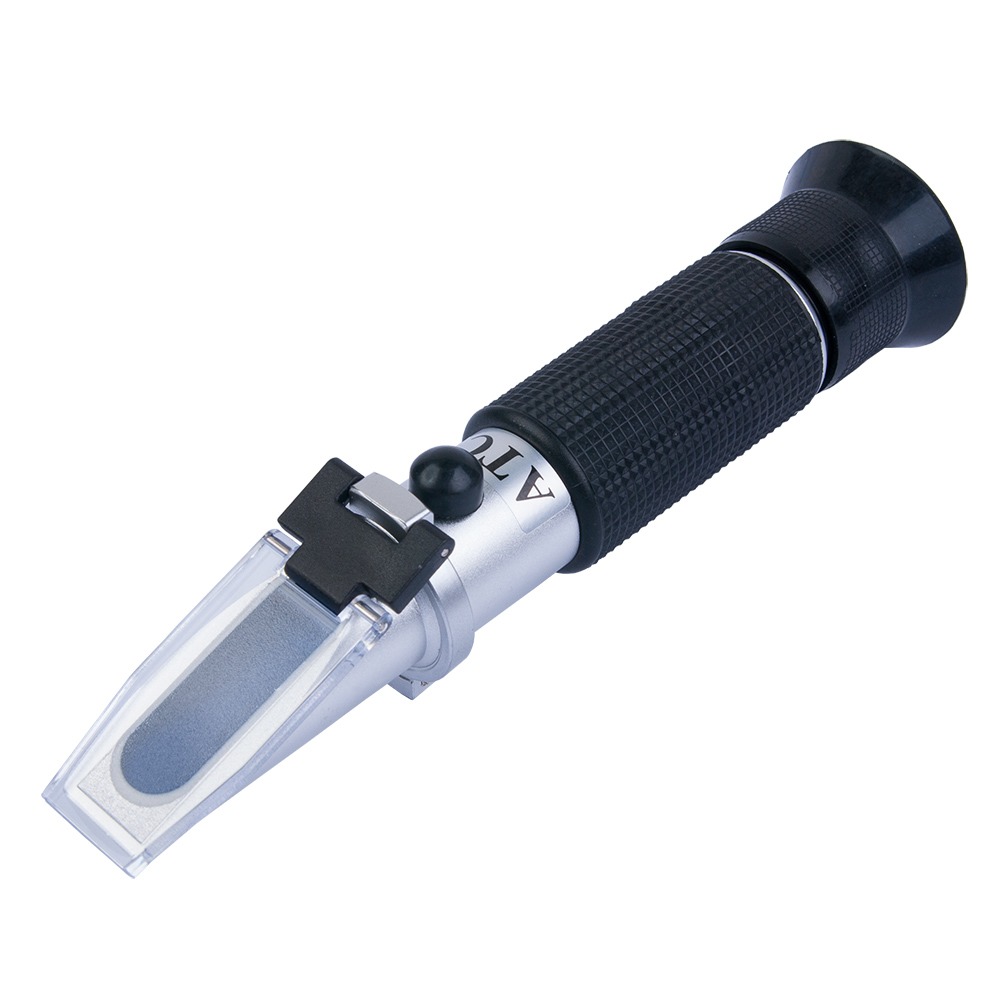
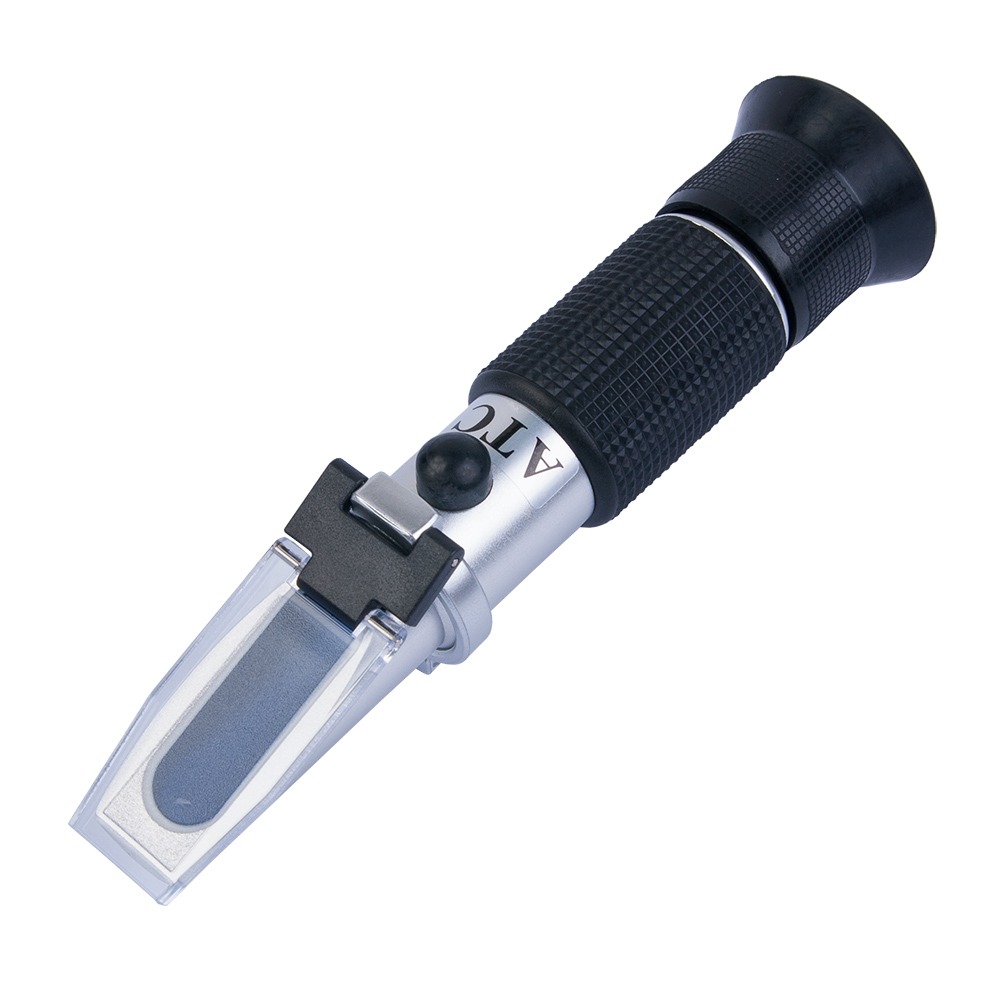
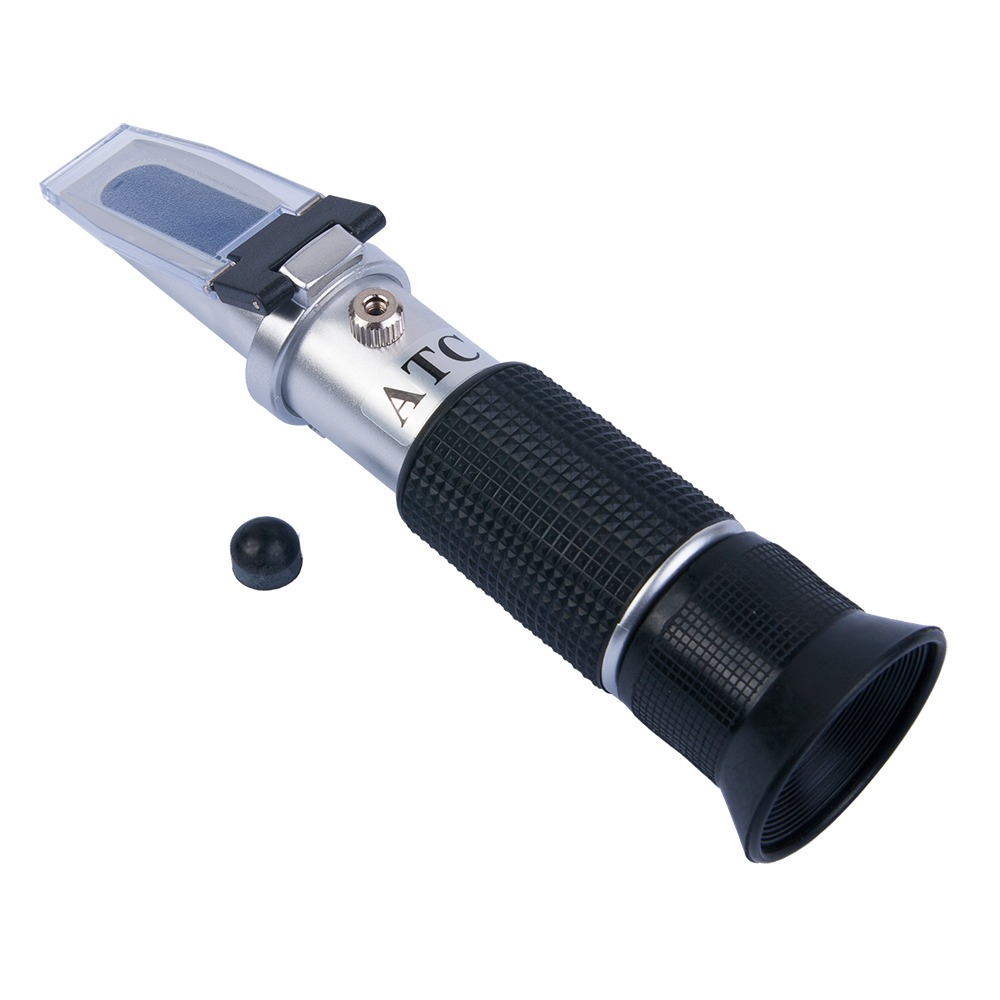
The RH504ATC has an aluminum measuring section, a ribbed rubber grip, and a soft eyecup. At just 14.5 cm long and weighing about 85 g, it easily fits in a glove compartment, toolbox, or work coverall pocket. It comes with a sampling pipette, calibration screwdriver, cloth, instructions, and plastic case.
The RH504ATC is especially useful for regular seasonal checks of automotive fluids. It won't tell you why your car is malfunctioning or turn an old battery into a new one, but it will quickly give you actual readings instead of guesswork.