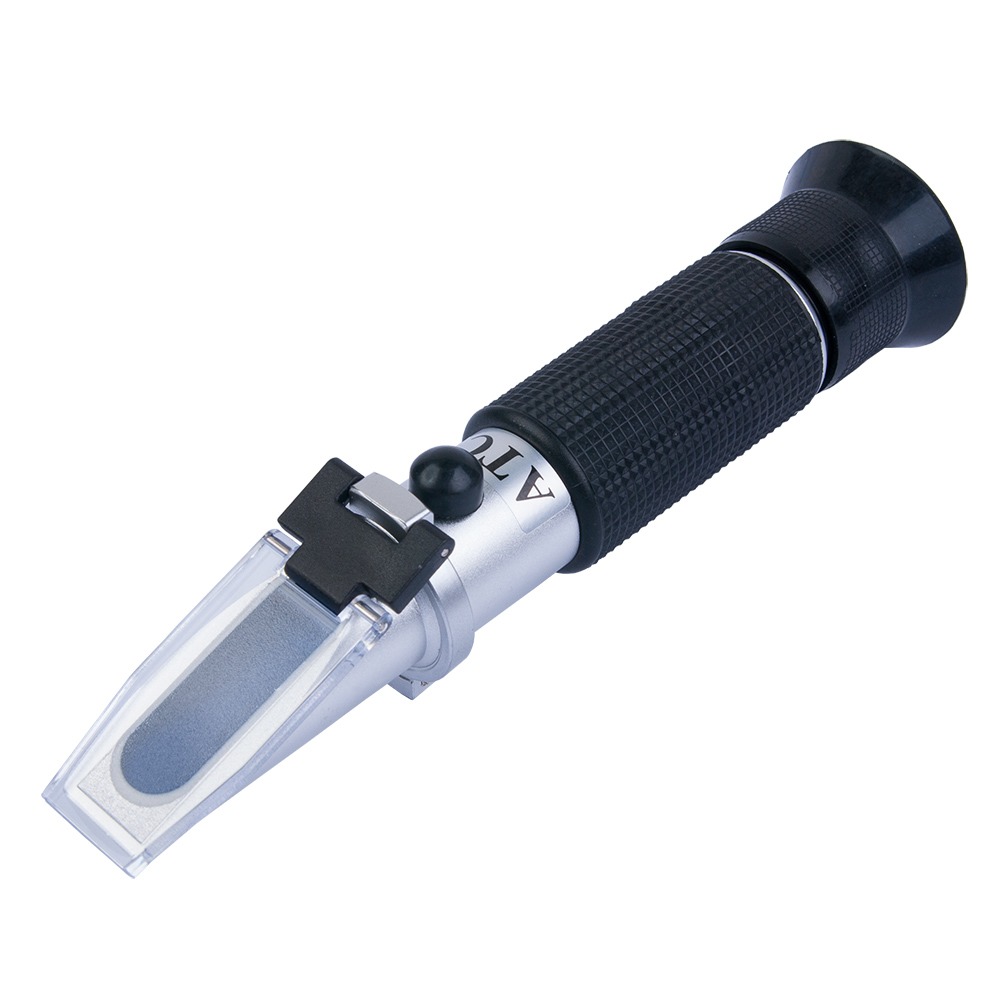
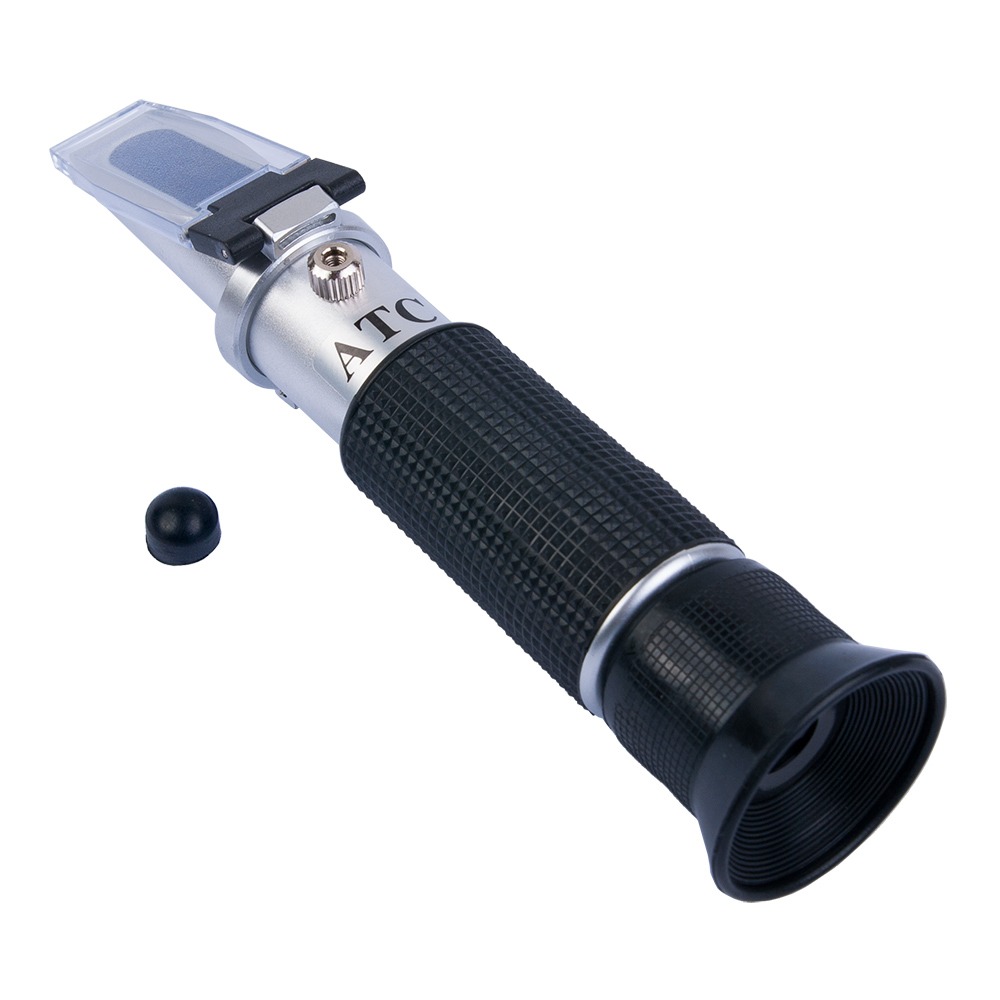
HT515ATC
Delivery and payment
Choose your city or town to see the price with delivery there and when you can get it.
Pickup points
- Branch
- Parcel locker
Pros
- Two scales for wort
- Only a few drops needed
- ATC from 10–30 °C
- No batteries required
- Case and calibration tool included
Cons
- Scale must be read manually
- Correction required after fermentation
- Not a replacement for a precise laboratory instrument
Quick wort checks without a large sample
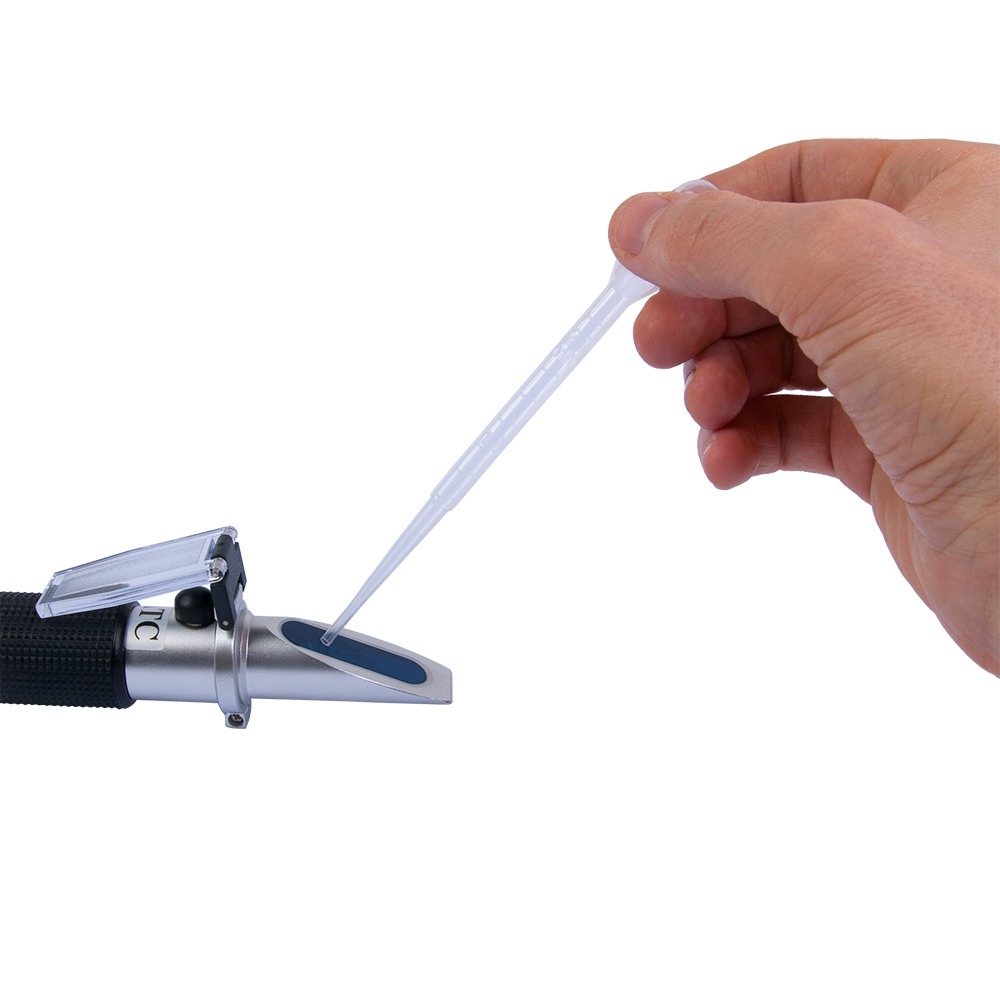
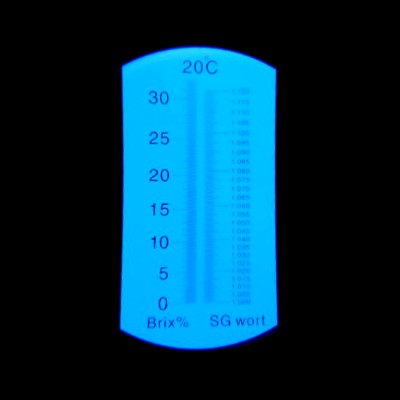
The HT515ATC is a handheld optical refractometer for homebrewing, winemaking, and checking sweet juices. It measures sugar concentration on the Brix scale and displays the specific gravity of beer wort on the SG Wort scale. The main advantage is simple: there is no need to fill a measuring vessel as you would with a hydrometer. Just 2–3 drops of liquid are enough, making it easy to check wort during mashing, grain rinsing, or before adding yeast.
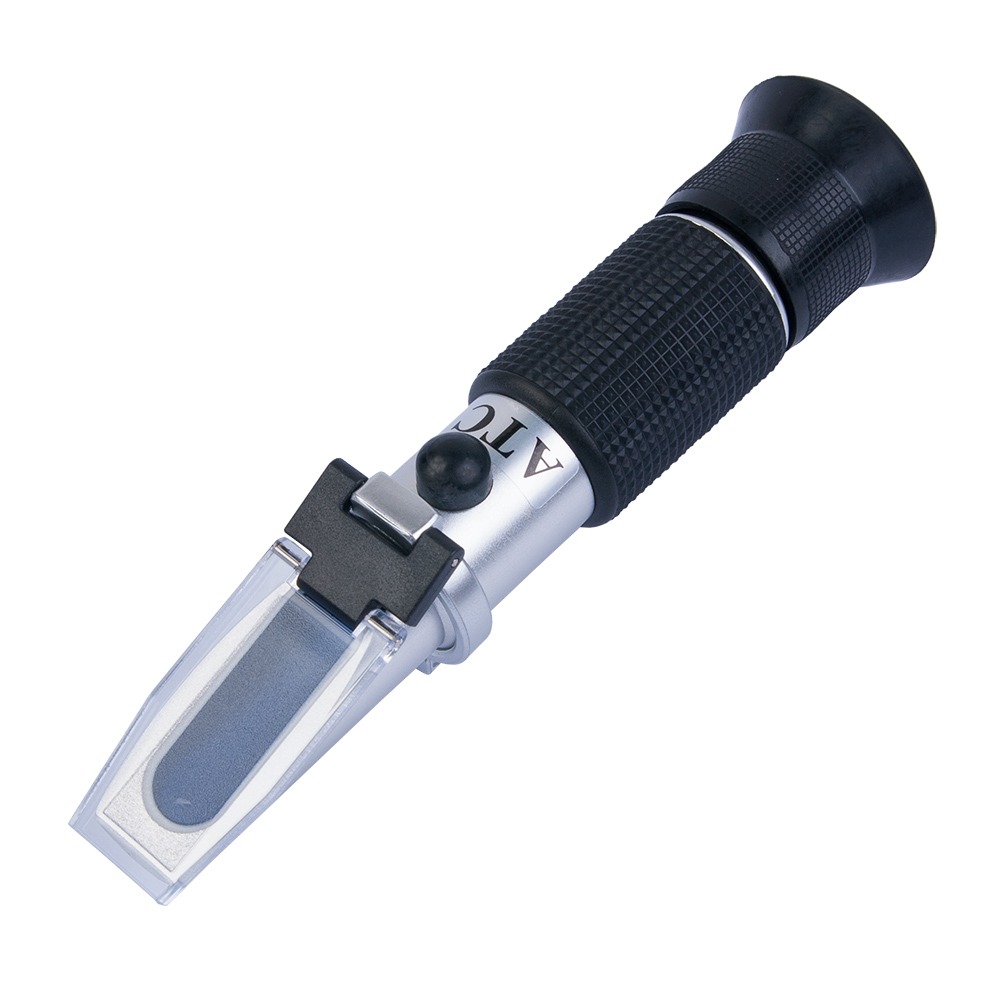
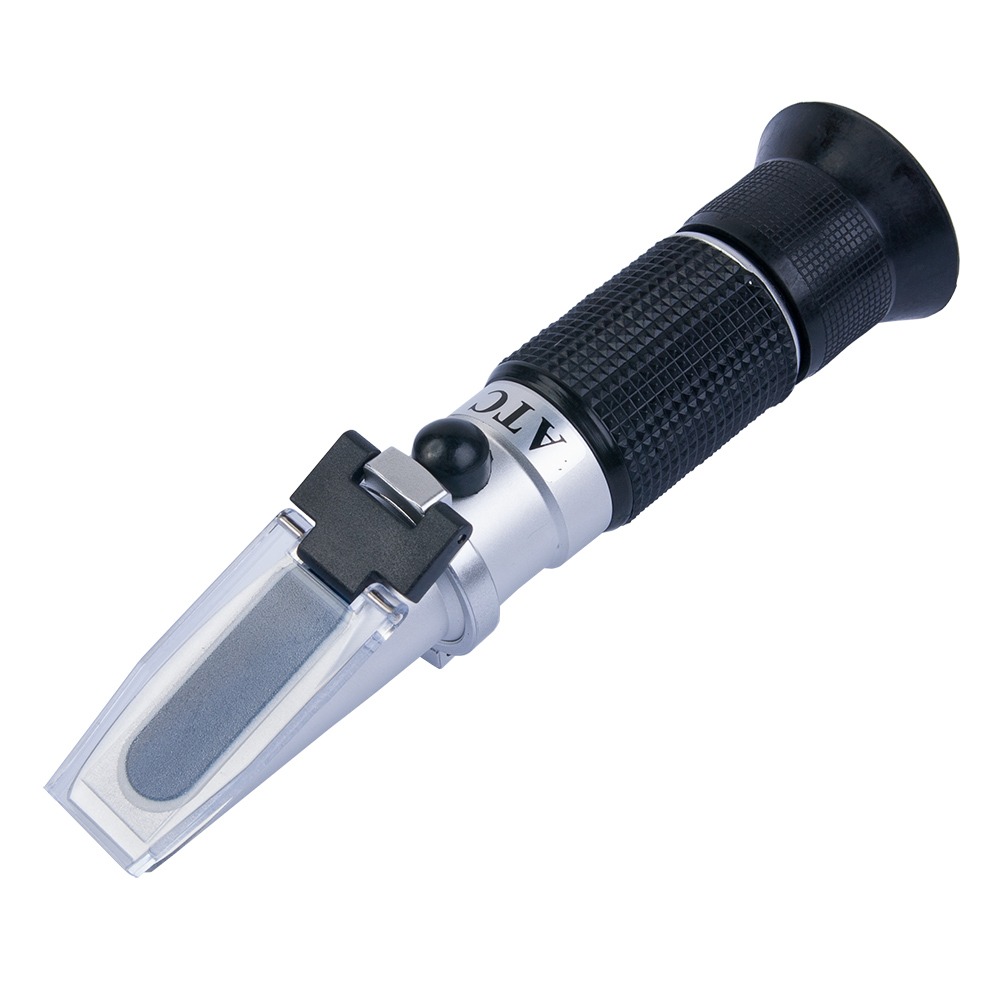
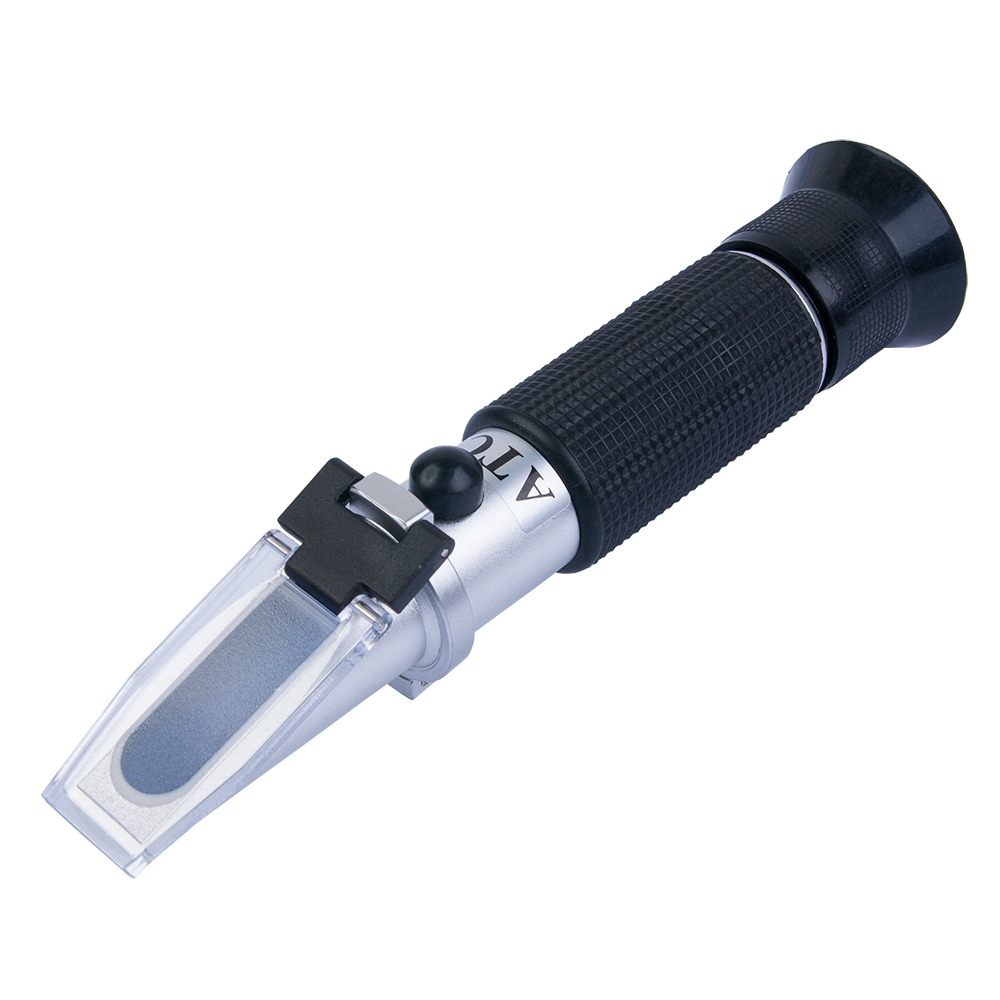
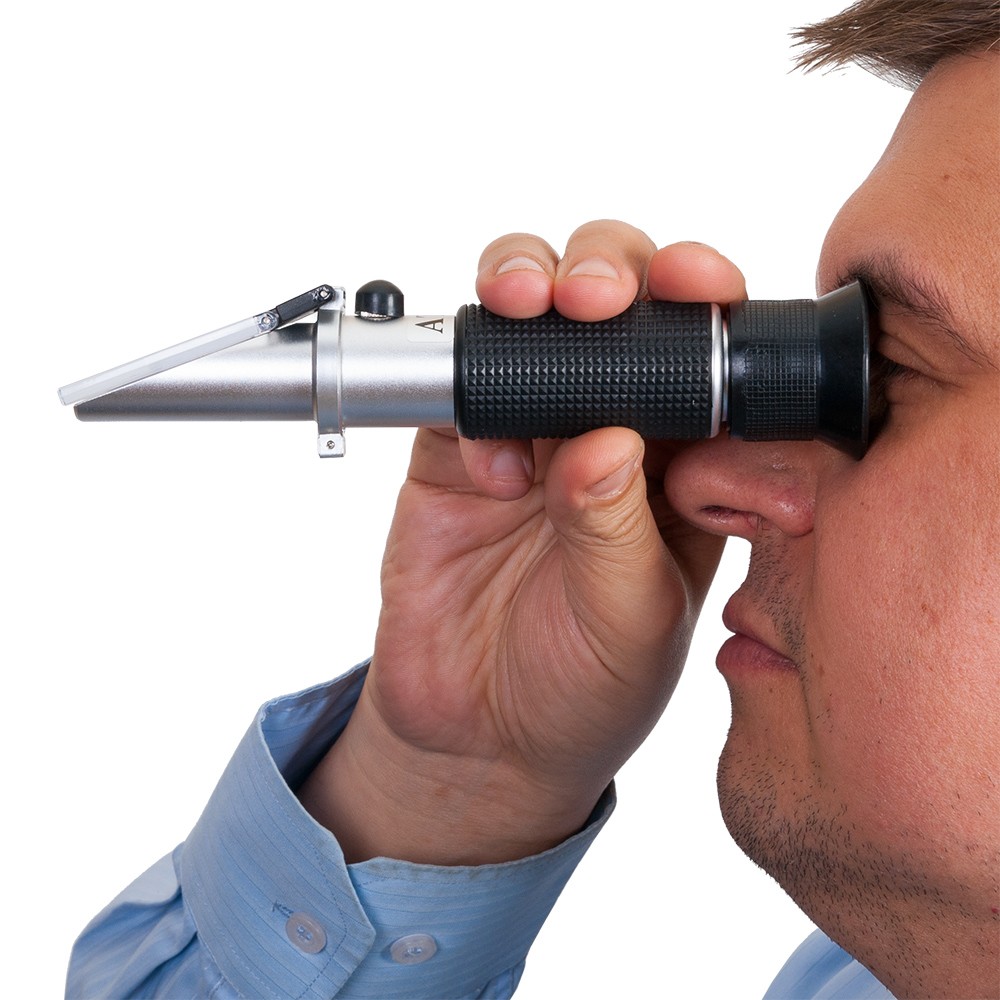
There are no electronics, batteries, or menus to get lost in. Place a drop on the blue prism, lower the transparent cover, point the instrument toward a light source, and look through the eyepiece. The boundary between the blue and light areas on the scale shows the result. Turn the eyepiece to adjust the focus.
Two scales: Brix and SG Wort
The Brix scale covers values from 0 to 32%. It indicates the approximate sucrose content of a solution: for example, 12 °Bx corresponds to approximately 12 g of sucrose per 100 g of solution. For juices, it is a direct way to assess sweetness, while for winemakers, it also provides an indication of fruit ripeness and the potential of the finished drink.
The second scale is SG Wort, or wort specific gravity, from 1.000 to 1.120. It allows you to quickly assess the extract concentration of unfermented wort without converting Brix to specific gravity. The smallest scale divisions are 0.2% Brix and 0.001 SG, making the instrument suitable for regular practical process checks rather than laboratory work.
ATC is helpful compensation, not magic
ATC stands for automatic temperature compensation over a range of 10 to 30 °C. It reduces the effect of the sample and instrument temperatures on readings, but you should not put wort straight off the heat onto the prism. Let the sample cool to the working range and allow a few seconds for its temperature to equalize with the prism for a more stable result.
Before first use and periodically during use, check the refractometer with distilled water: the boundary should be at zero. If it is not, the scale can be easily adjusted with the included screwdriver using the calibration screw under the rubber cap.
An important consideration for brewers
The HT515ATC works best with unfermented wort. Once fermentation begins, alcohol affects the refraction of light, so the direct reading on the scale no longer reflects the true final gravity. To monitor fermentation, use a correction for the refractometer reading that accounts for the initial Brix, or check the final result with a hydrometer. This is not a flaw of this particular model, but a characteristic of the optical method.
A compact tool for regular measurements
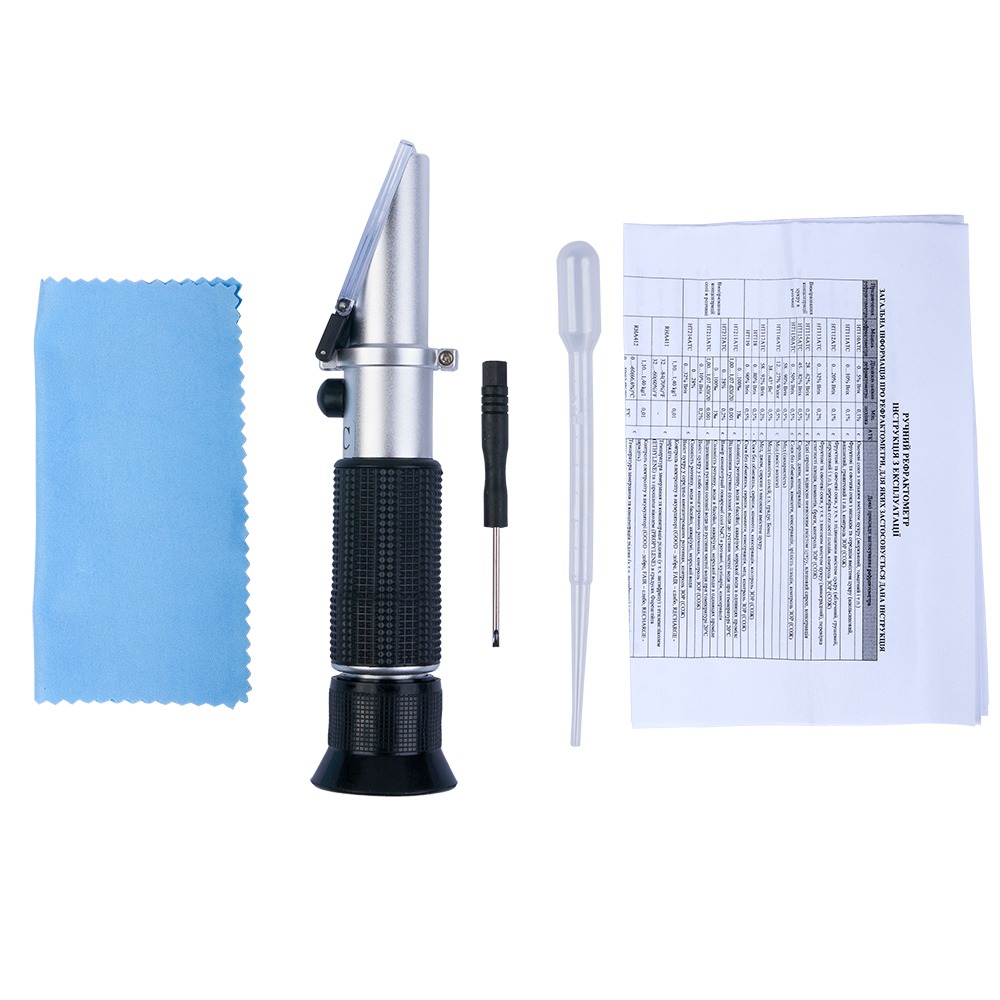
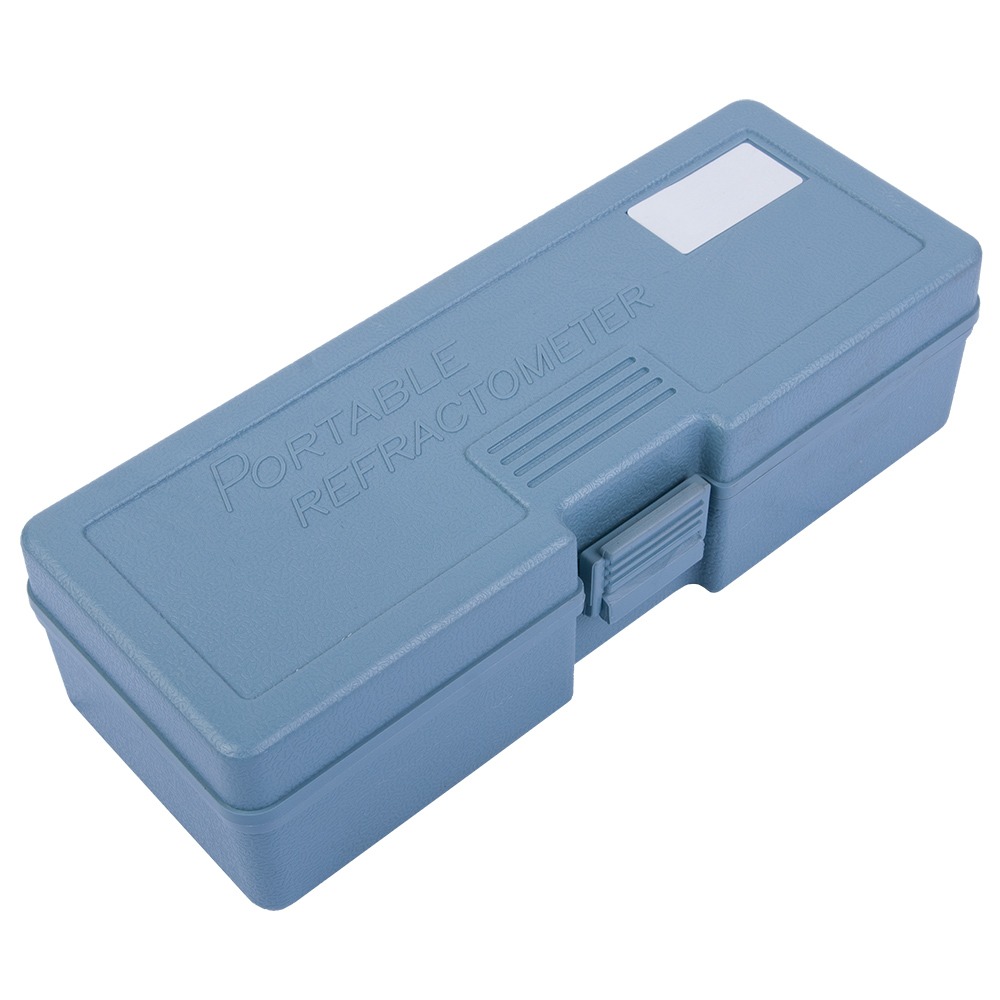
The instrument has a compact body, requires no power, and comes with a plastic pipette, a cloth, a calibration screwdriver, instructions, and a hard plastic case. After measuring, wipe the prism and cover immediately with a soft, damp cloth, especially after using sticky wort, juices, or mash.
The HT515ATC is a good choice for anyone who wants to check juice sugar content and initial wort gravity frequently and quickly without using a large sample each time. It is a simple, self-contained, easy-to-use tool that lets you brew beer with more than guesswork.