HT213ATC
Delivery and payment
Choose your city or town to see the price with delivery there and when you can get it.
Pickup points
- Branch
- Parcel locker
Pros
- Three scales in one device
- No batteries required
- ATC for temperatures of 10–30 °C
- Quick measurements with just a few drops
- Case and accessories included
Cons
- Brix scale only goes up to 10%
- Scale must be read manually
- Does not replace laboratory analysis
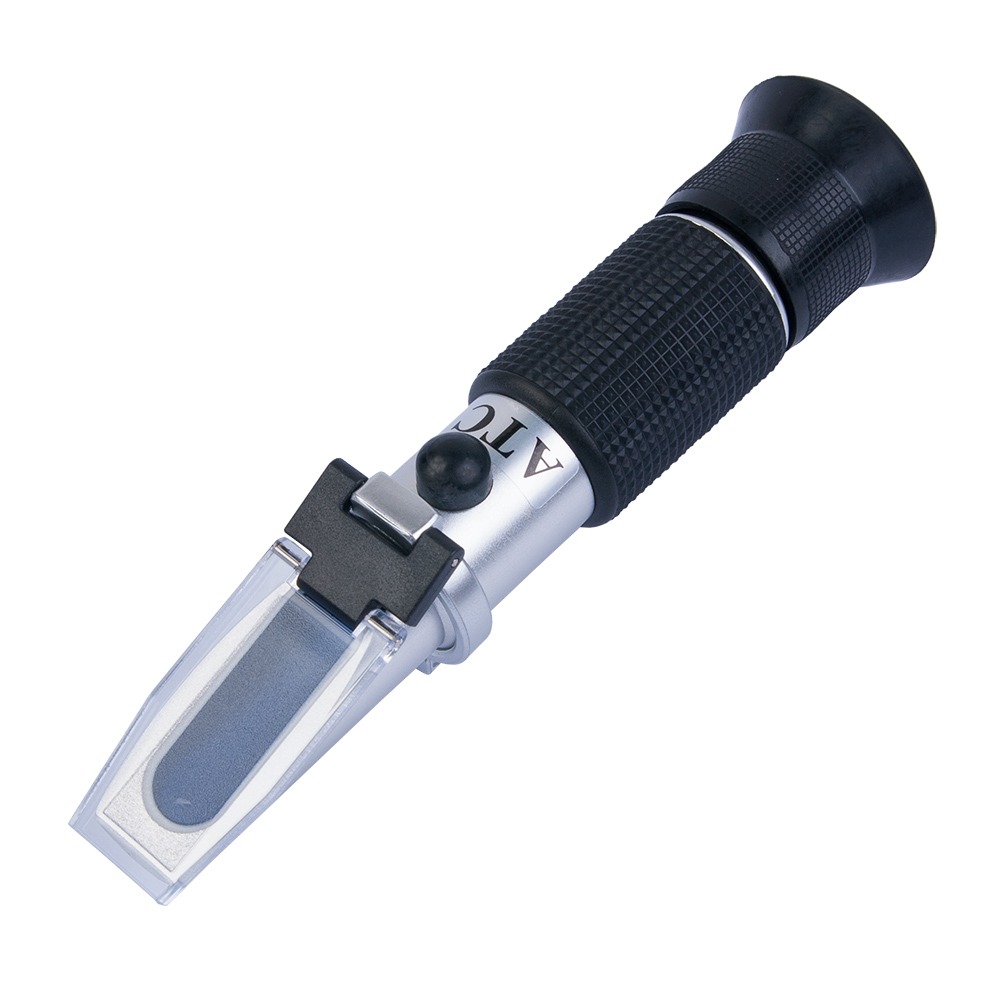
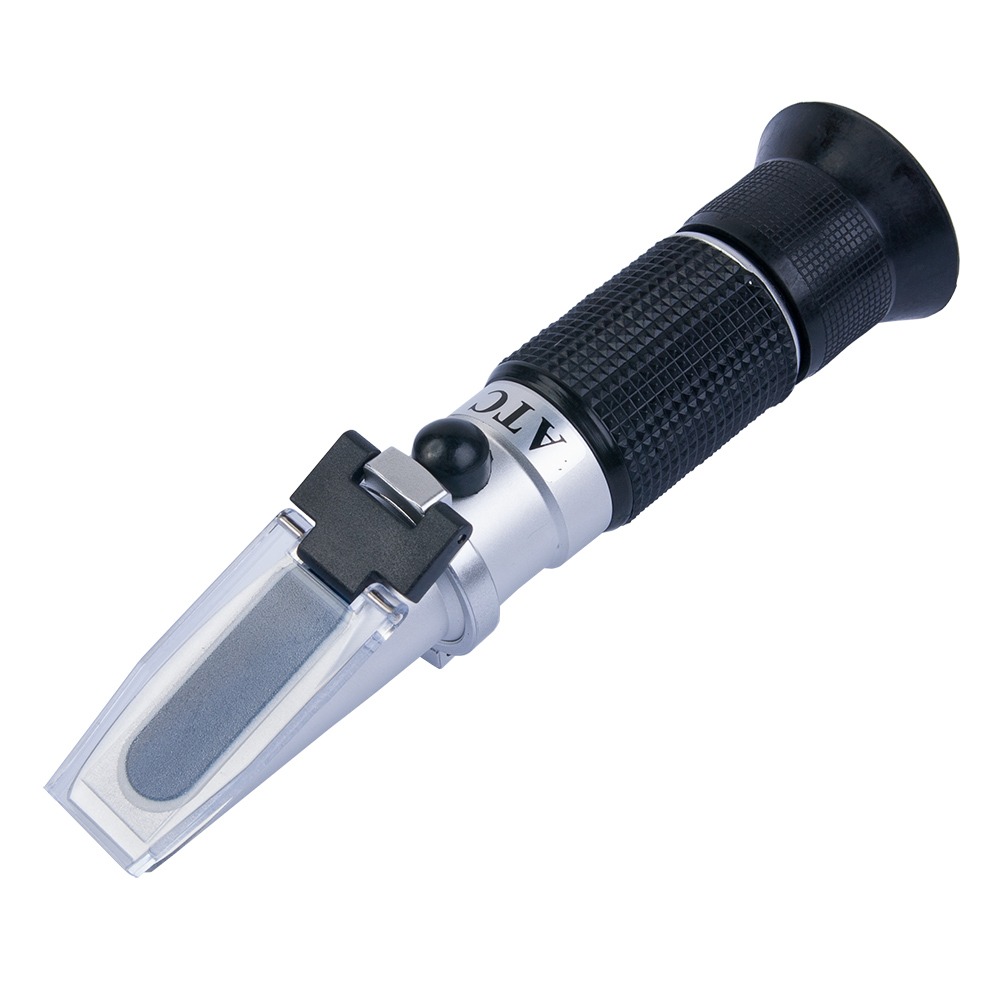
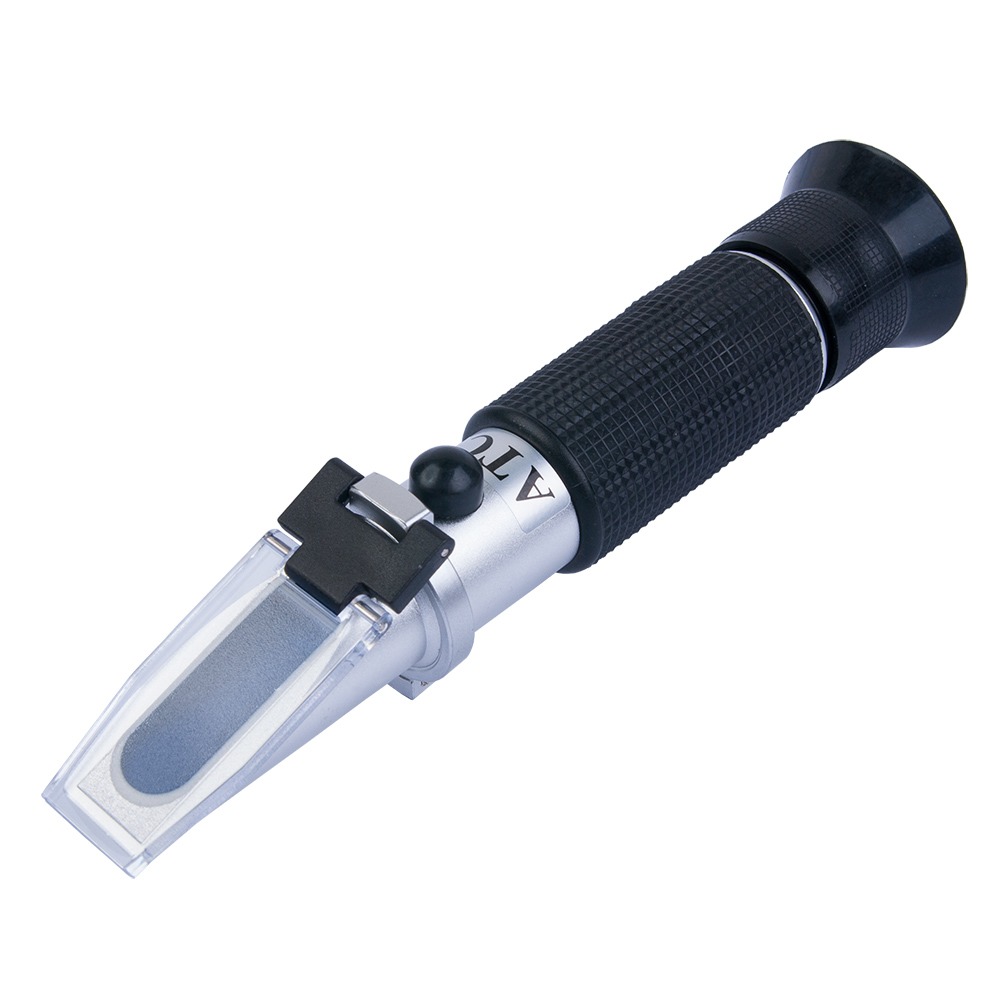
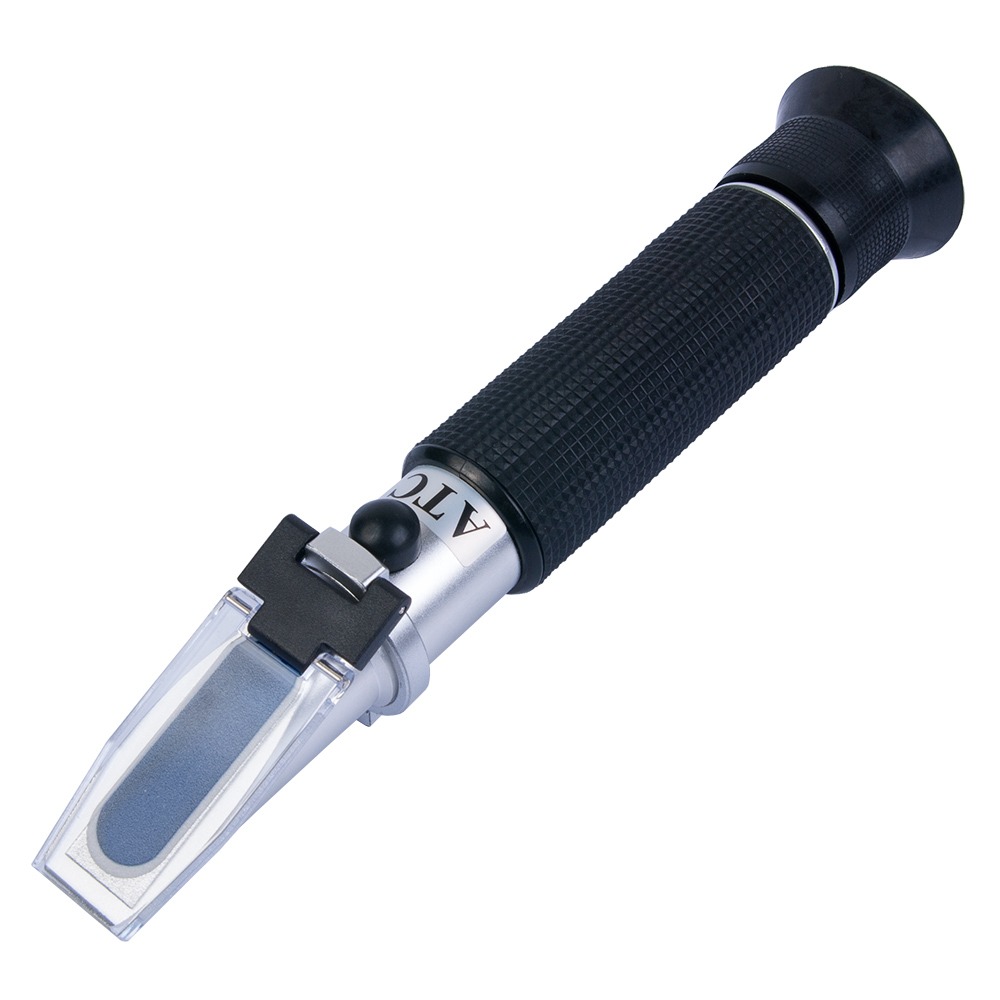
HT213ATC: compact salinity, density, and sugar content tester
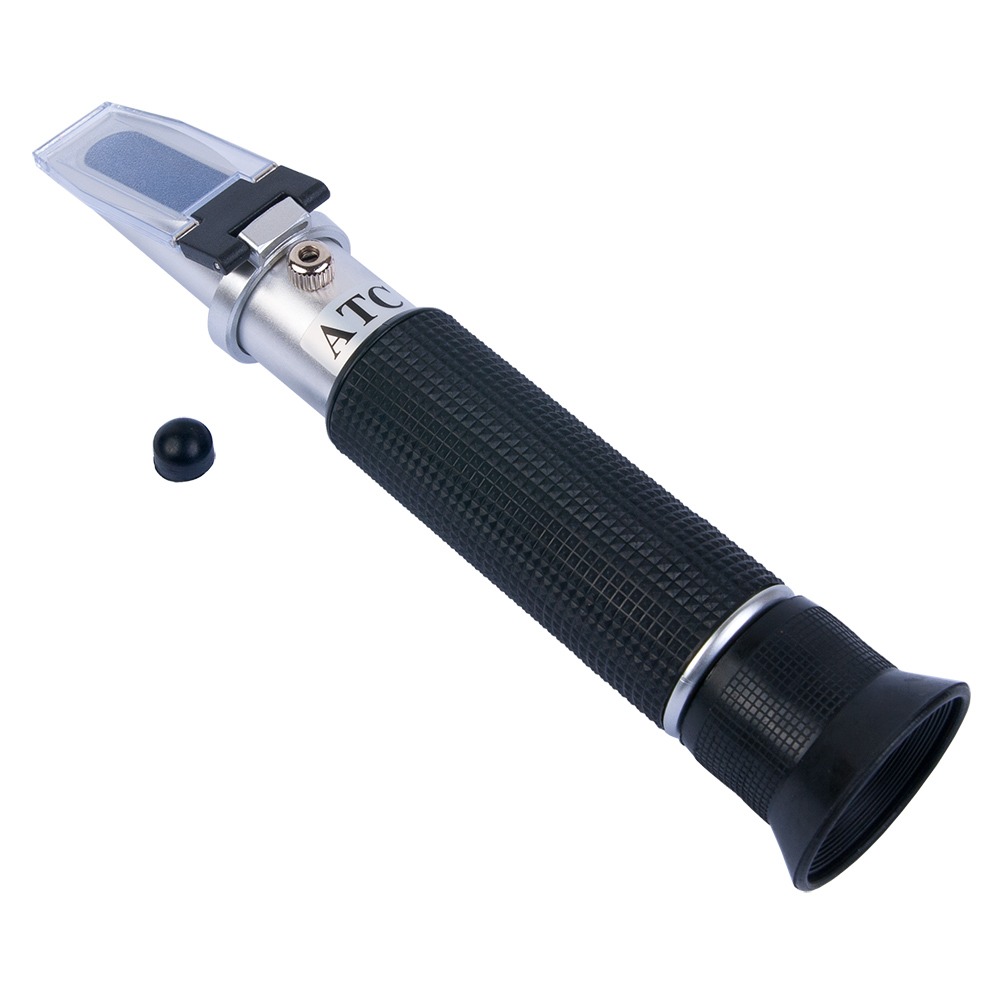
The HT213ATC is a handheld optical refractometer for those times when you need an answer right now, not somewhere in a lab report. It measures the salinity of aqueous solutions, specific gravity, and Brix, an indication of dissolved substance concentration on a scale calibrated for sucrose. It is useful for aquarium enthusiasts, saltwater aquarium owners, juice producers, home winemakers, and anyone working with moderately concentrated salt or sugar solutions.
No power is needed: just a few drops of the sample, daylight or a lamp, and a glance through the eyepiece. There are no menus, Bluetooth, or passwords to forget, just optics, scales, and a clear result.
Three scales, one drop of sample
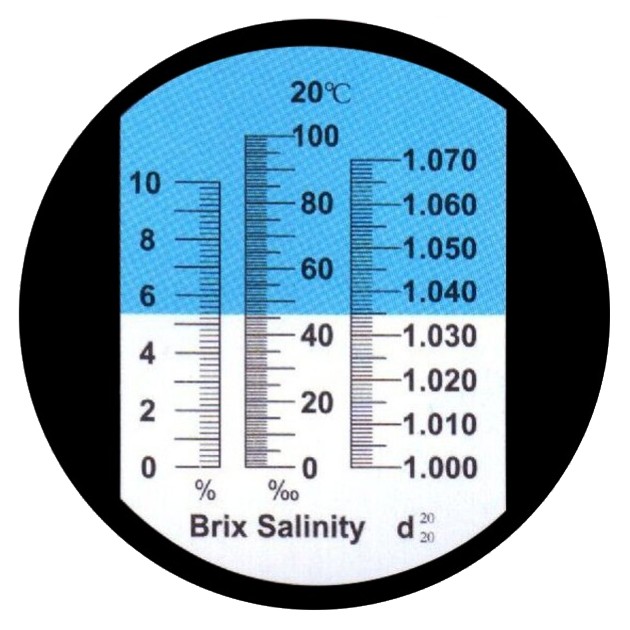
The HT213ATC's main strength is its versatility. The Salinity scale covers a range of 0–100‰ and helps monitor water salinity, including in saltwater aquariums or salt solutions. The d20/20 scale from 1.000 to 1.070 shows the ratio of the sample's density to that of pure water at 20 °C. It is useful as an additional reference for aqueous solutions.
The 0–10% Brix scale is intended for liquids with a low sugar content: fruit and vegetable juices, drinks, and light syrups. An important detail: Brix does not literally show the amount of sugar in every liquid. It measures light refraction converted to a sucrose scale. Acids, salts, and other dissolved components can affect the reading, so for complex mixtures it provides a quick check rather than a chemical profile of the sample.
How to use it
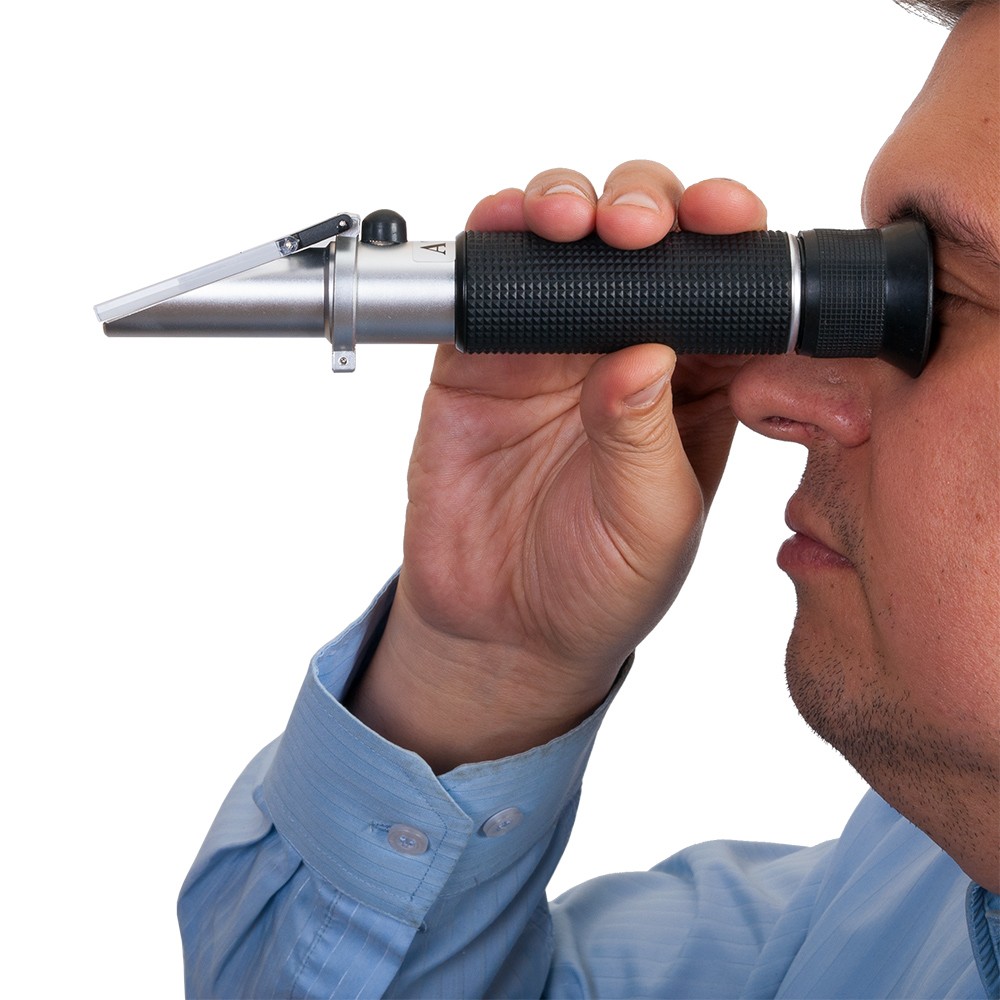
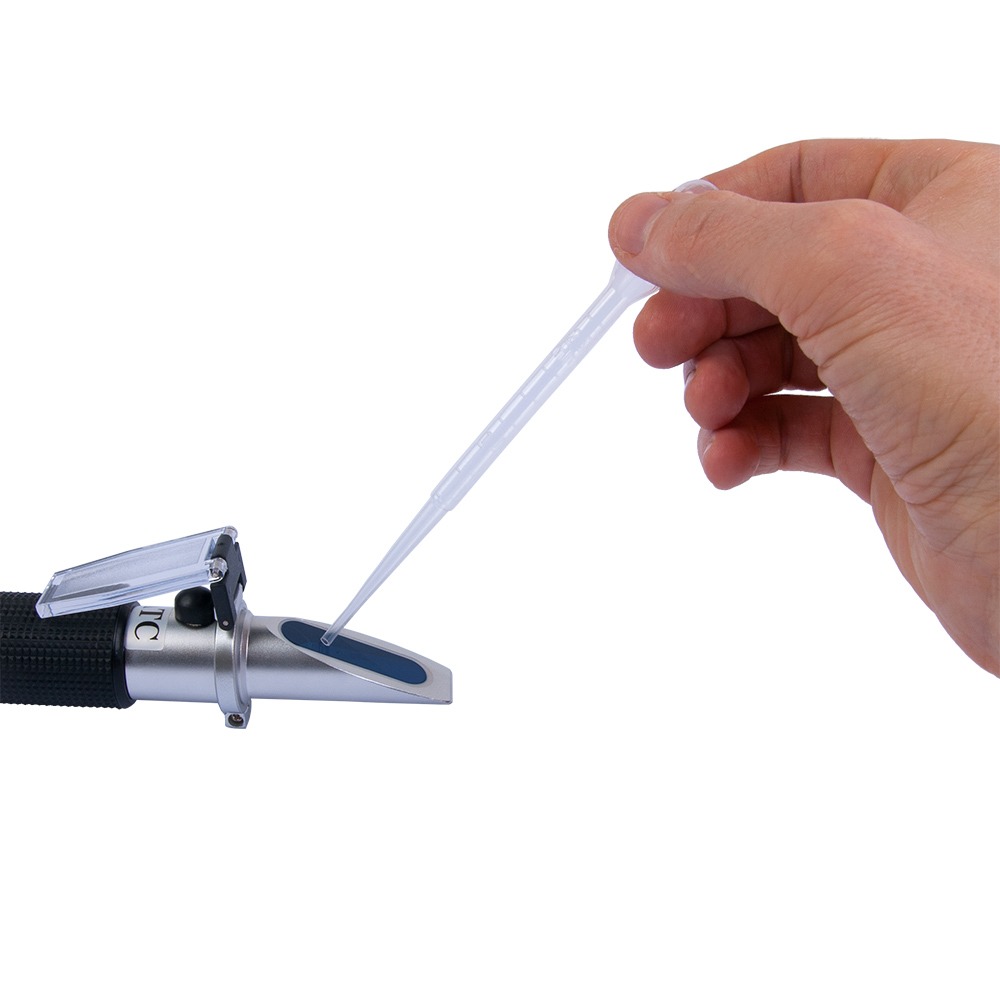
Open the transparent prism cover, use the dropper to apply 2–3 drops of the sample to its surface, and close the cover so the liquid spreads evenly without bubbles. Point the refractometer toward a light source, adjust the eyepiece focus, and read the value at the boundary between the blue and light areas. That's all there is to the magic, or rather, the physics of light refraction.
Before first use and periodically thereafter, calibrate the device with distilled water: the boundary between the colors should line up with the zero mark. After measuring, gently rinse the prism and cover with clean water and wipe them with a soft cloth. Do not immerse the body in water or scratch the optical surface; this is not a tool that likes a quick wash under the tap.
Automatic Temperature Compensation
ATC stands for Automatic Temperature Compensation in the range of 10–30 °C. It reduces the effect of temperature on the result when the sample or the device is slightly above or below the reference temperature of 20 °C. For the most stable readings, let the refractometer and liquid sit in the same room for a few minutes, especially if the sample has just been in the refrigerator or in the sun.
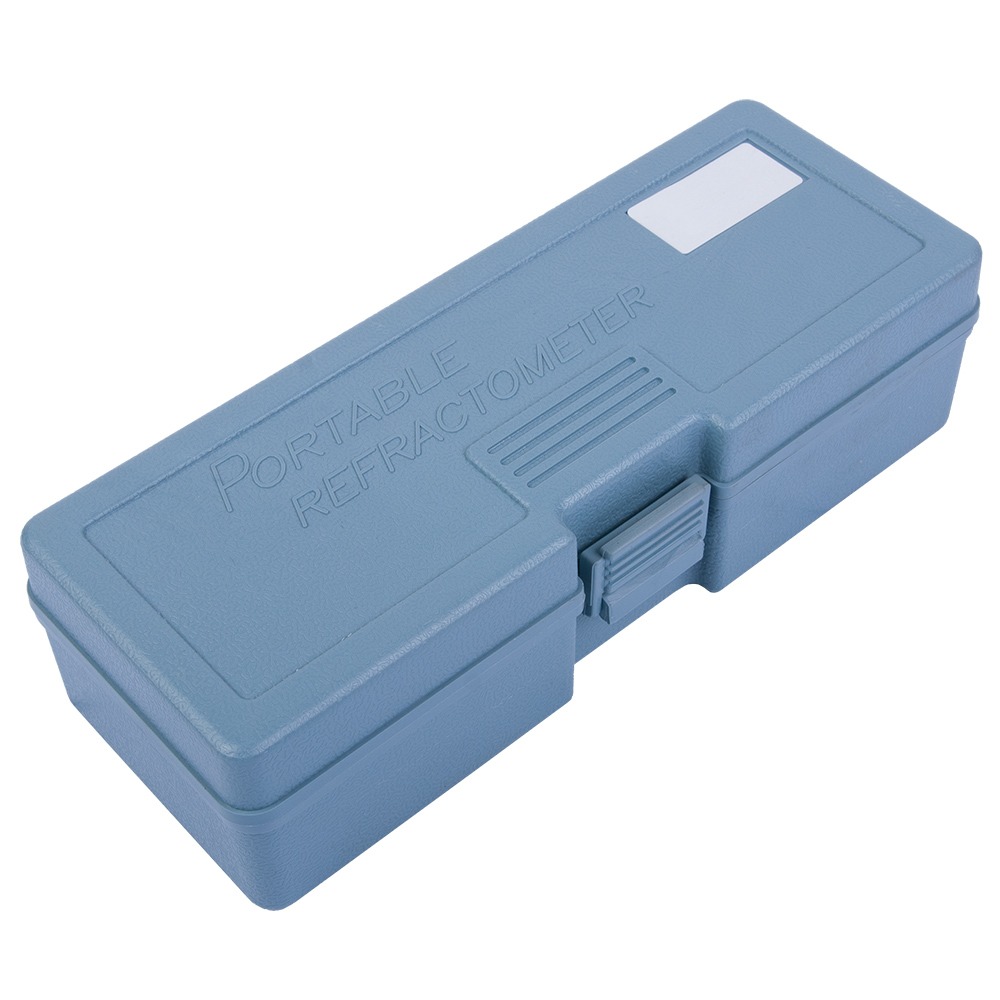
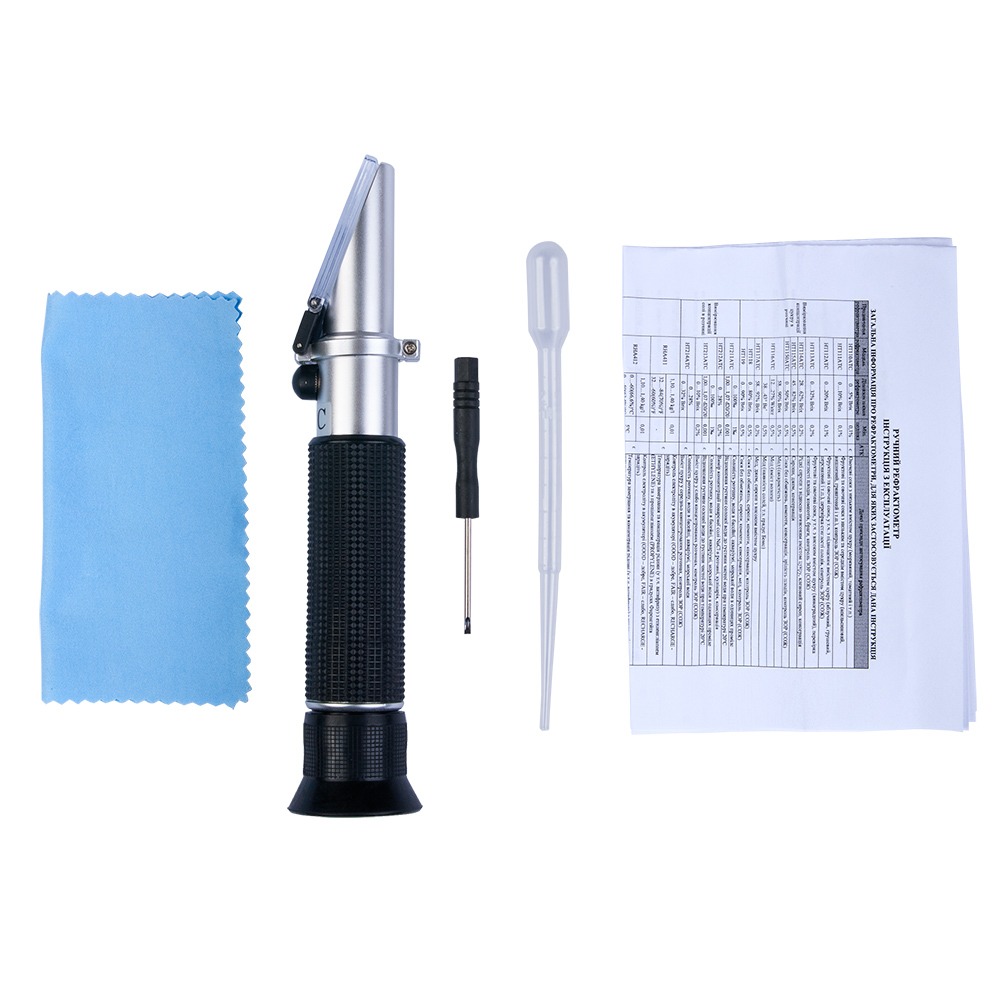
The HT213ATC weighs just 105 g, is 19.5 cm long, and comes in a protective plastic case. A sample dropper, calibration screwdriver, cloth, and instructions are included with the device. The only things you may need to buy separately are distilled water and, of course, something interesting to measure.
Who it's for
This is a good choice for regular home or semi-professional monitoring of salinity and sugar content in aqueous solutions. The HT213ATC is at its best when speed, independence from a power source, and the ability to check a sample on site matter. If you need to measure highly concentrated syrups, must, or brines, choose a specialized refractometer with a wider range on the relevant scale.