Household radiation dosimeters

Ecotest MKS-05 TERRA P+ Updated Radiation Dosimeter
15499 ₴
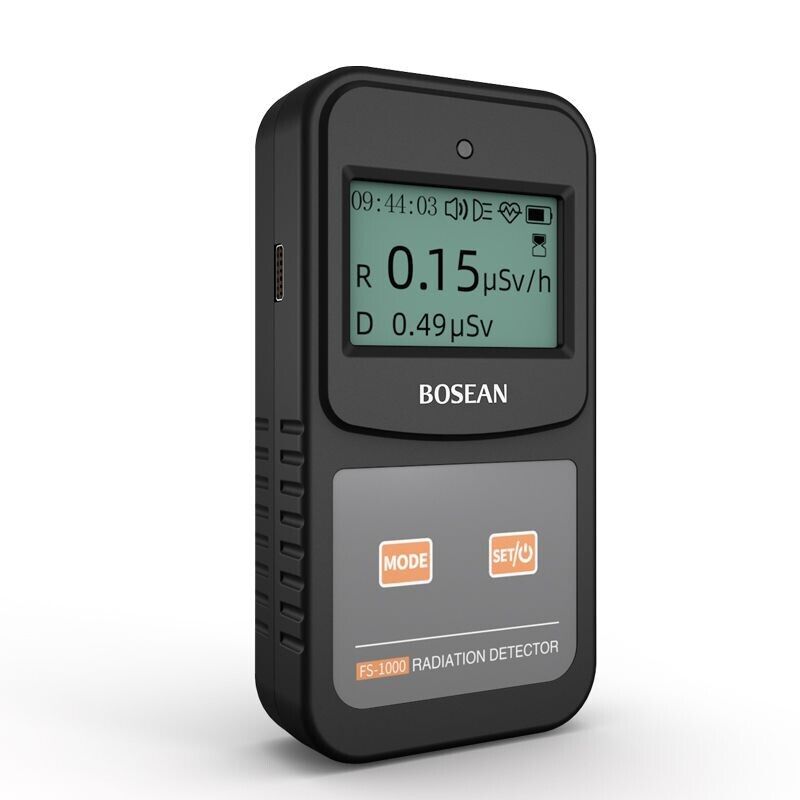
BOSEAN FS-1000
7599 ₴

GM-100M X-ray and Gamma Radiation Dosimeter
14899 ₴
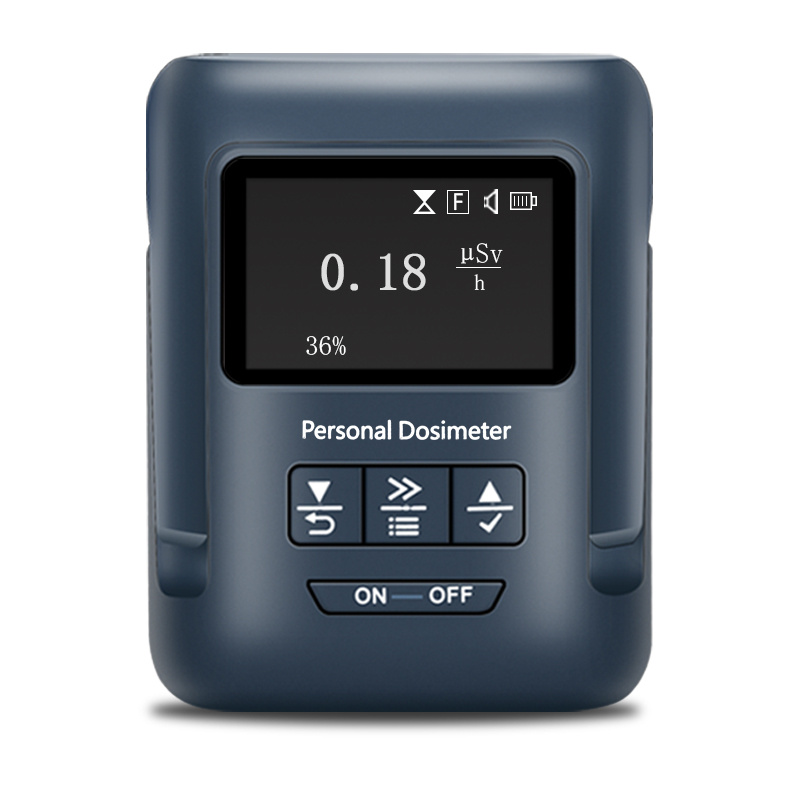
GM-100H
14599 ₴
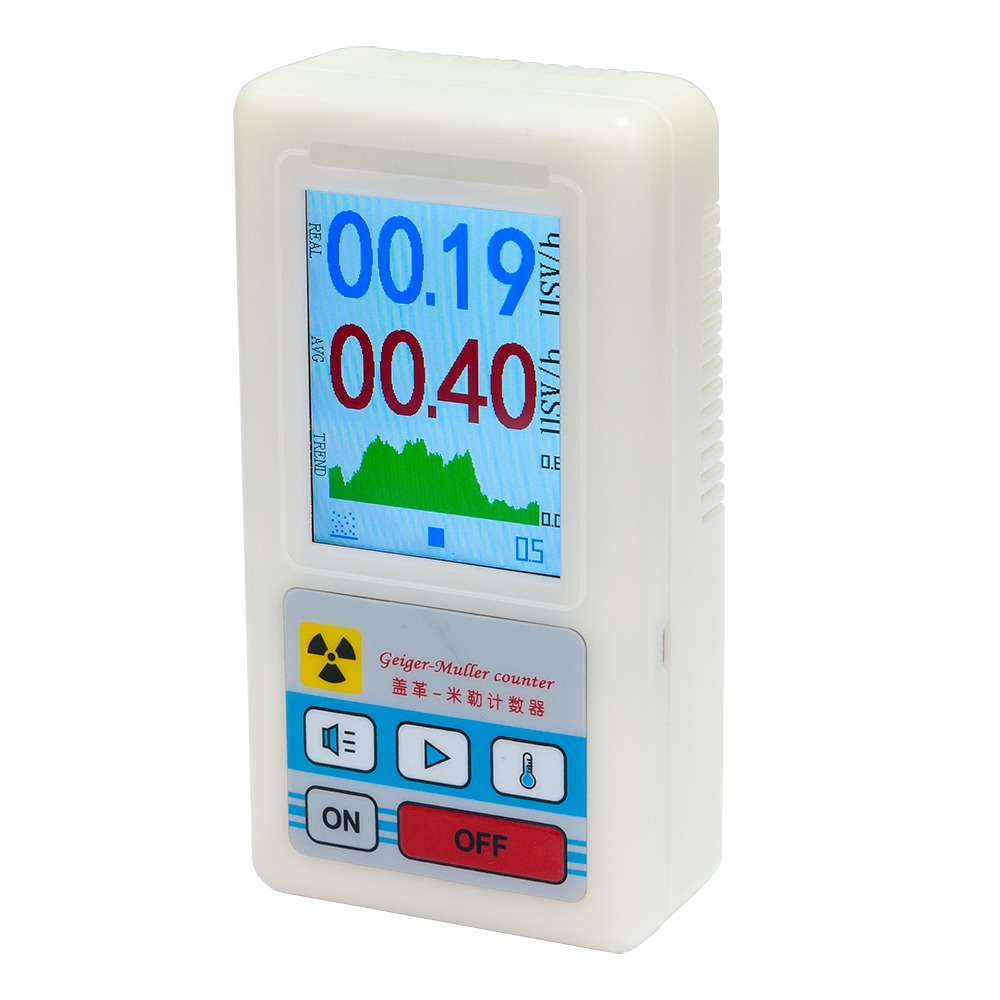
BR-6
4999 ₴
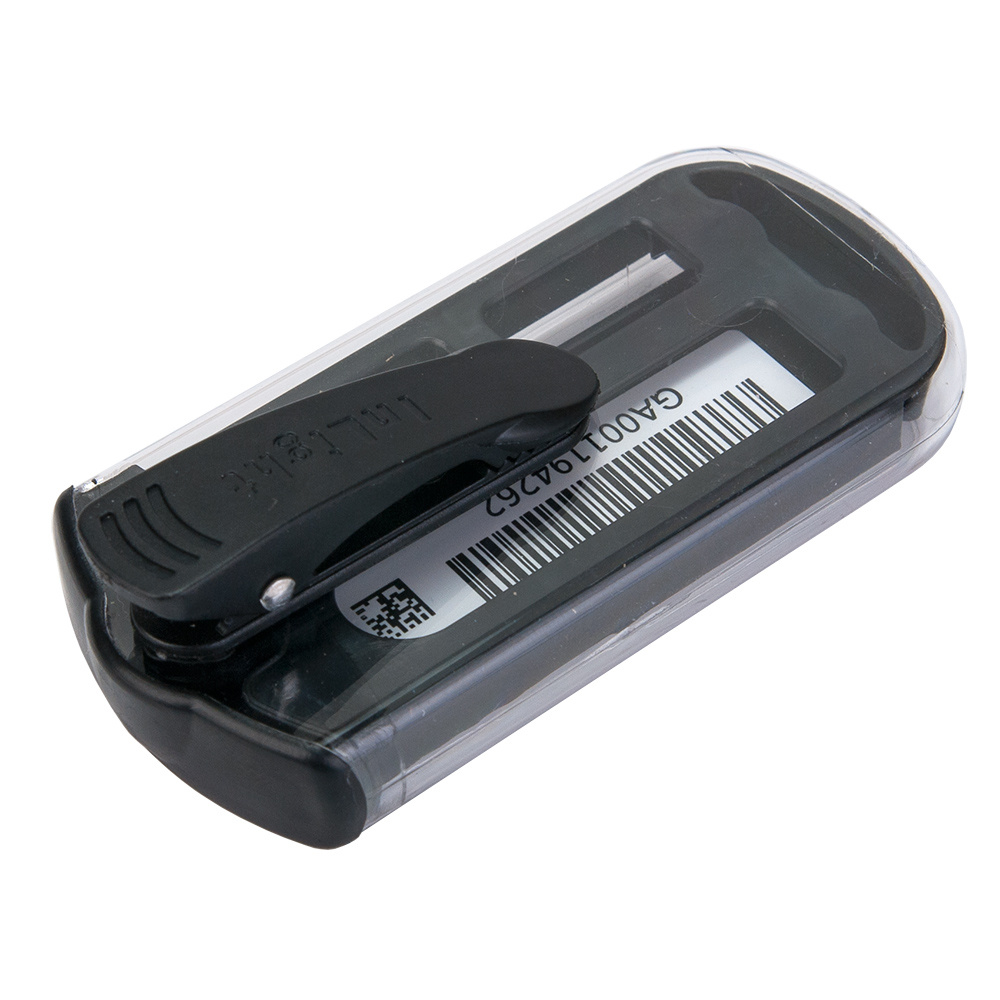
InLight LANDAUER
5799 ₴
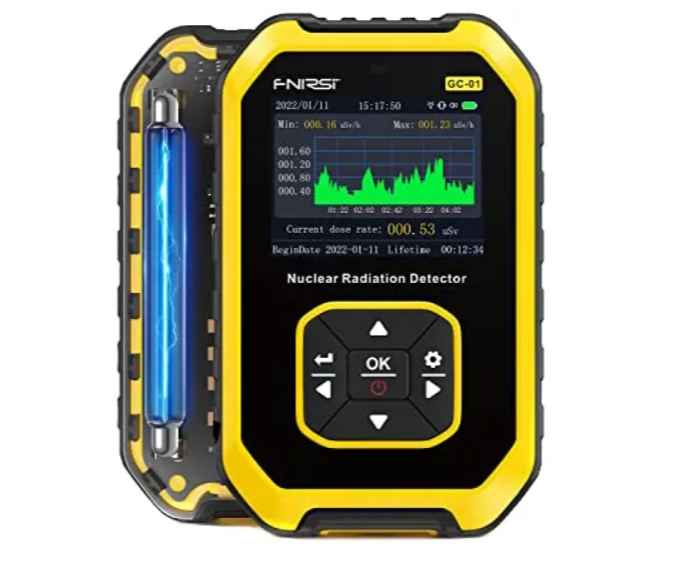
FNIRSI GC-01 Original
4299 ₴
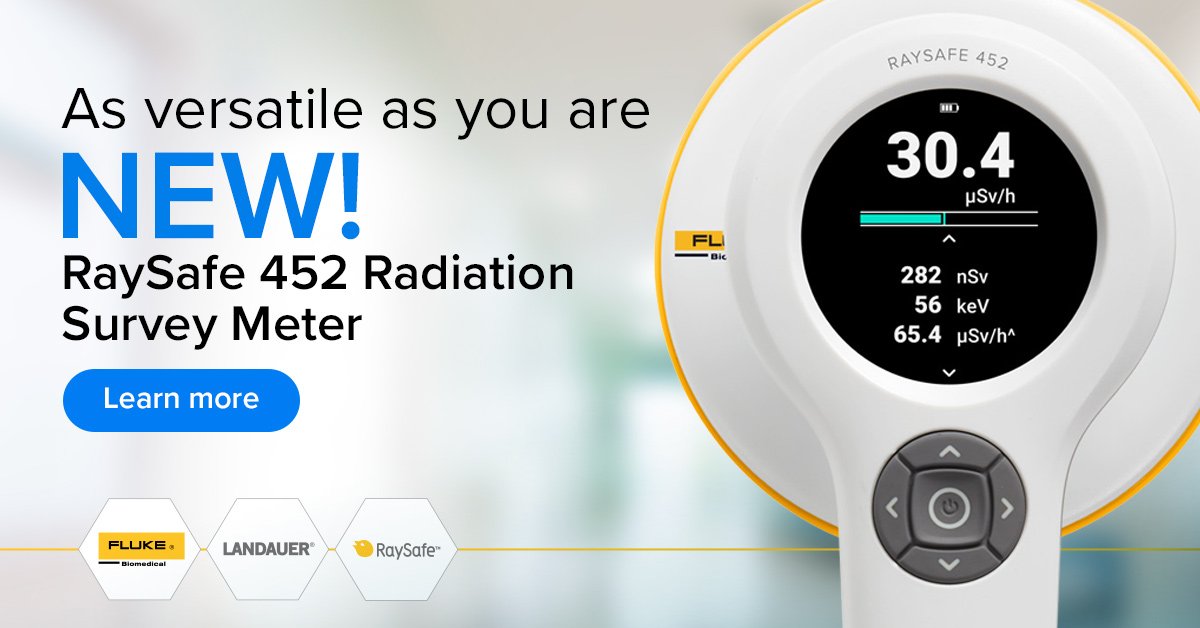
RaySafe 452
396999 ₴
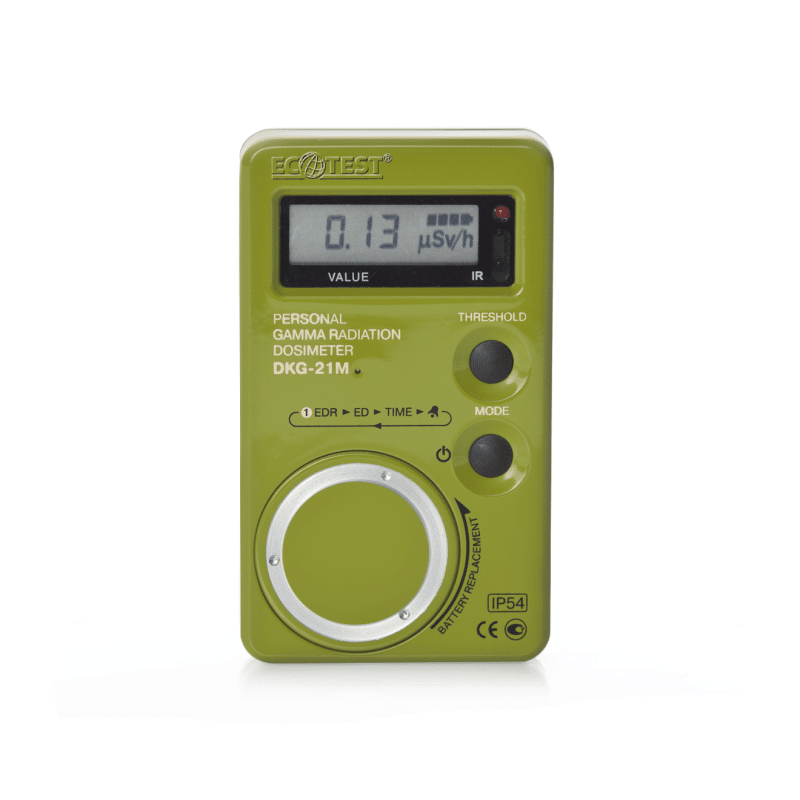
Ecotest DKG-21M Dosimeter
16599 ₴
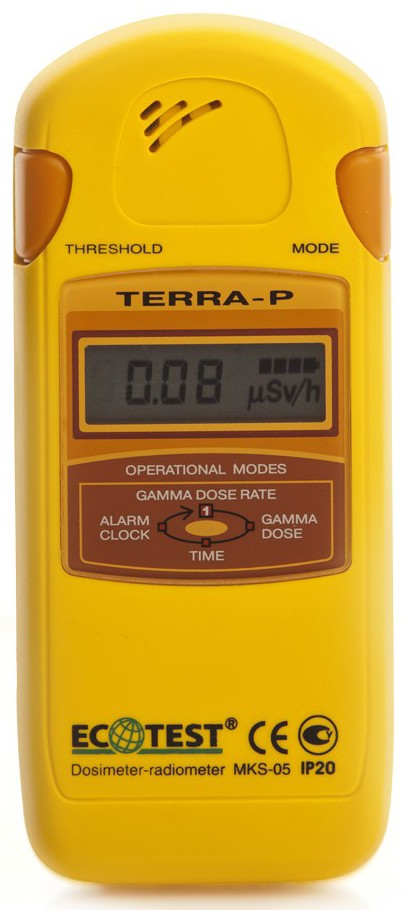
Ecotest MKS-05 TERRA-P Dosimeter
11499 ₴
How to choose
A household radiation dosimeter helps you monitor the radiation background around you and notice dangerous deviations in time. This type of device is suitable for home use, travel, checking items, and locations where it is important to get a quick, clear assessment of radiation levels.
What the dosimeter should measure
First, check which readings the device supports. The measured parameters attribute indicates whether the dosimeter displays dose rate, accumulated dose, or other related values, while supported radiation types helps you understand which tasks it is primarily suited for.
If monitoring the current background level is important to you, pay attention to the dose rate measurement range (DER). If you want to track total exposure over a certain period, the accumulated dose measurement range (DE) will be useful. For household use, it is convenient when a device covers both tasks: a quick assessment of conditions and dose accumulation.
Accuracy and response speed
For everyday use, not only what the device measures matters, but also how reliably it does so. The dose rate accuracy and accumulated dose accuracy attributes indicate the maximum stated error: the lower it is, the more confidently you can rely on the readings, especially if you plan to compare results regularly in different locations.
Also pay attention to measurement update / averaging time. Faster updates are more convenient for quick checks, while longer averaging may provide a more stable picture without sudden fluctuations in the readings. If accuracy with different sources of photon radiation is important to you, energy dependence (energy response) is also a useful indicator.
Alarm signals and notification visibility
With a household dosimeter, it is very important that it not only displays numbers but also clearly warns you when a threshold is exceeded. Audible alerts are easy to hear, a visual (light/LED) alarm is convenient in a noisy place, and a vibration alert is useful where you do not want to draw attention or might miss a sound.
If the device lets you set alarm limits, it makes use more flexible. The programmable alarm threshold range (DER) is especially useful for those who want to decide at what level the dosimeter should warn them about a change in the radiation background.
Viewing history and transferring data
If you plan not only to check the background level once but also to track changes over time, look at the options for saving and exporting information. Data logging shows whether the dosimeter can record history, while internal memory capacity (records) helps estimate how long you can use it before clearing or transferring the log.
For those who want to view results on a phone or computer, data interfaces and smartphone app support are important. These features are convenient for keeping an archive of measurements, comparing readings on different days, and exporting data more easily.
Battery life and conditions of use
For home use and use away from home, it is important to know how the device is powered and how long it operates without battery replacement or recharging. Power source and continuous operation time directly affect convenience: some users look for easy battery replacement, while others prefer longer independent operation.
If the dosimeter is needed not only for indoor use but also for travel, outdoor checks, or storage in different conditions, pay attention to the Ingress Protection (IP rating) and operating temperature range. This will help you understand how ready the device is for dust, moisture, and temperature changes.
Tips
- For quick household checks, it is more convenient to choose a model that displays dose rate and has noticeable alarm signals.
- If you want to monitor changes over time, look for data logging, sufficient internal memory, and a convenient data transfer interface.
- For regular carrying or travel, not only measurements matter, but also battery life, power source type, and resistance to environmental conditions.
- When flexible control is needed, pay attention to the ability to set alarm thresholds for your own usage scenario.