Portable gas analyzers
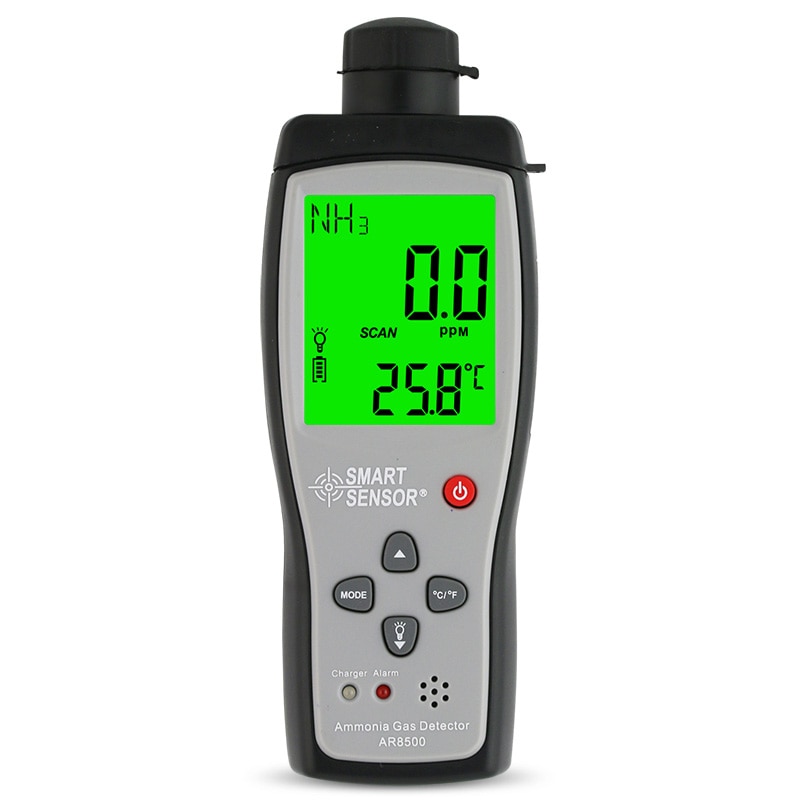
smart sensor AR-8500
18399 ₴
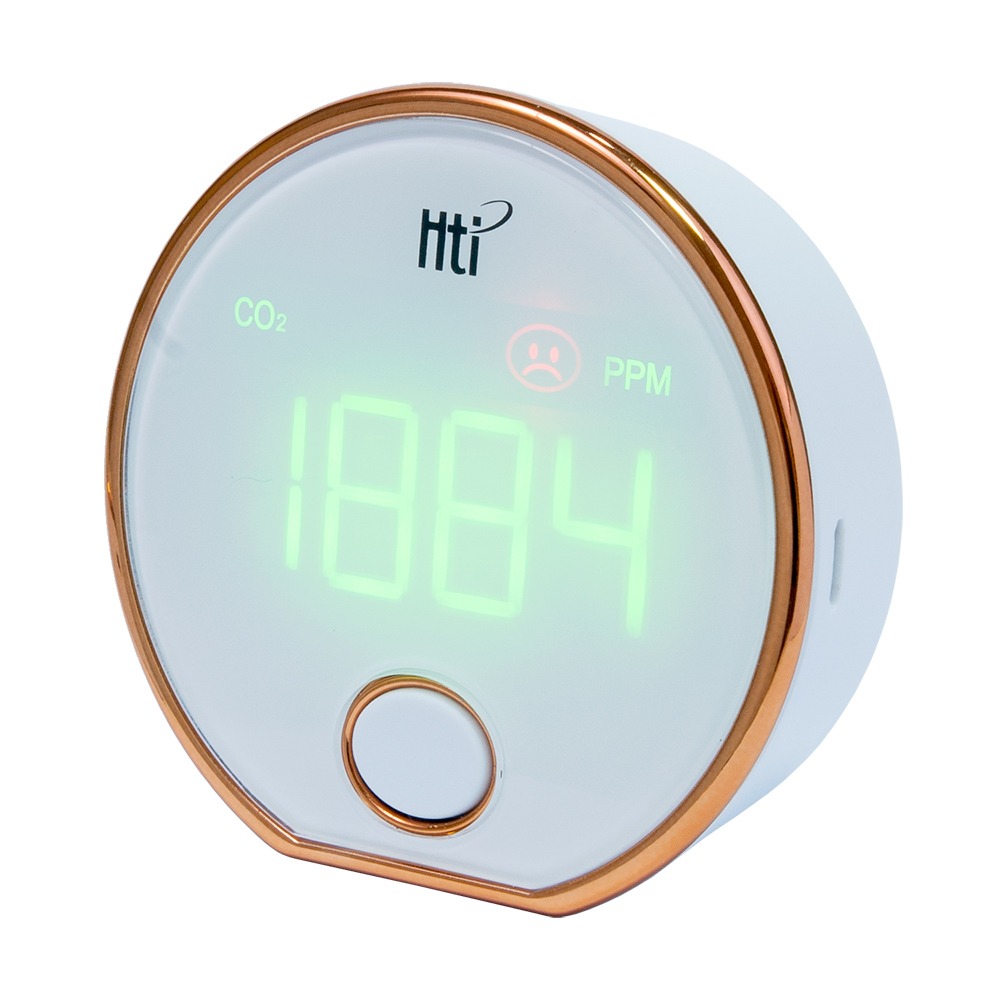
Xintest HT-401
3099 ₴

Xintest HT-501
3399 ₴
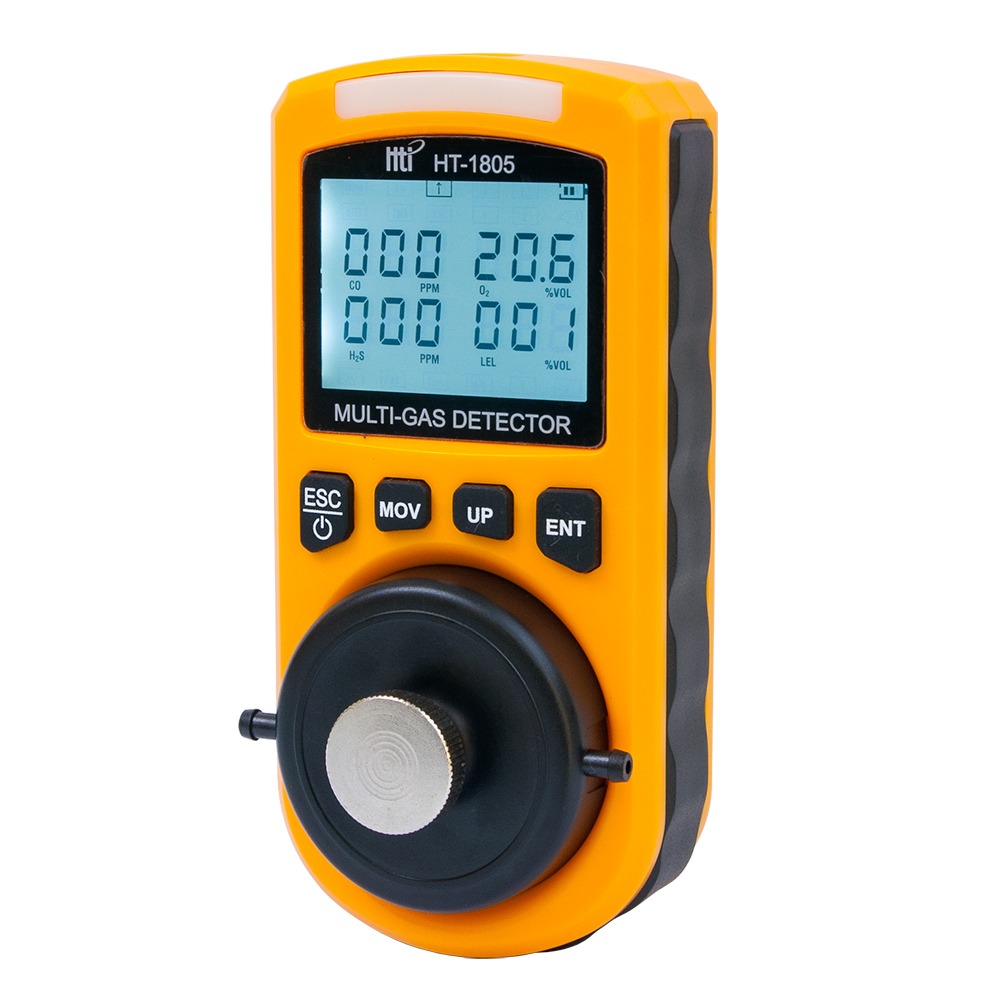
HT-1805
9099 ₴
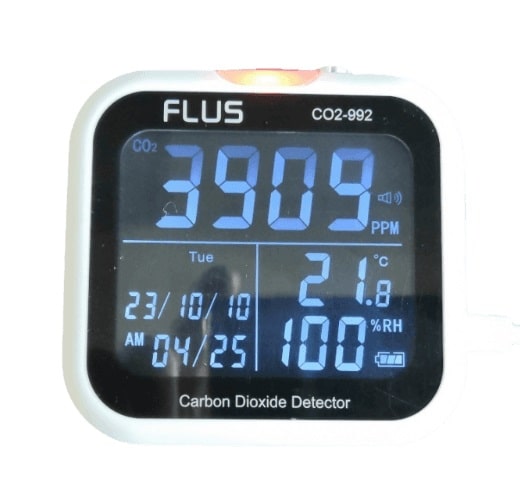
Flus CO2-992
4899 ₴

AZ Instrument AZ-77597 USB Portable Gas Analyzer/Thermohygrometer
29999 ₴
How to choose
A portable gas analyzer is needed when you need to quickly check air quality and detect hazardous gas concentrations indoors or in the field. When choosing one, consider not only the list of measurements, but also response speed, power options, the convenience of alerts, and data logging capabilities.
What the device measures
First, determine which parameters you actually need. This category may include measurements of CO, CO2, air temperature, relative humidity, dew point, and wet-bulb temperature, so one device can cover both safety tasks and microclimate monitoring.
The direct detection method is convenient when you need prompt current readings without complex preparation for measurement.
CO and CO2 ranges
For CO and CO2, the main question is simple: does the device cover your operating concentrations? Before buying, compare the measurement range for both gases and separately check whether you can set the CO alarm threshold for your intended use.
CO2 pressure compensation is also important. If it is manual, the user needs to pay closer attention to the setting so readings are more accurate under specific conditions.
Response speed and readable results
If you need quick checks, look at resolution and response time. Available specifications list a CO2 resolution of 1 and a T90 response time of 30 s, while CO has a resolution of 1 and a T90 of 60 s, so CO2 readings update faster.
This matters for short control measurements and for tracking changes in the air in real time. For CO, allow a little more time for the result to stabilize before drawing a conclusion.
Display and alarms
For everyday use, an easy-to-read LCD display is convenient, especially if you need to check current values frequently. If measurements are taken in poorly lit locations, check whether there is a backlight.
Audible alerts are useful where you cannot constantly watch the screen. If a model includes an alarm, an 80 dB sound level will be more noticeable in a work environment.
Power and battery life
Replaceable batteries are convenient for field work, while AC power may also be useful for longer checks in one location. The catalog includes a configuration with 4 AA batteries, so replacement batteries are easy to find and replace.
If you plan extended measurements without access to an outlet, consider battery runtime. Available specifications list up to 24 hours from a set of batteries.
Logging and data transfer
If you need more than just seeing a number on the screen and want to save a measurement history, look at logging capabilities. Available specifications include auto-logging memory for 32000 records and up to 99 manual records, so the device is suitable for both longer monitoring and recording individual results.
A USB (Mini USB) interface is useful for transferring data to a computer. Also check which auto-logging interval you need, because it determines how detailed the recorded picture of changes will be.
Tips
- If the device is needed for safety, choose a model that lets you set the CO alarm threshold for your operating conditions.
- For quick checks, keep in mind that CO2 reaches T90 in 30 s and CO in 60 s, so do not take readings too early.
- For field work, replaceable AA batteries are more practical, especially if you do not have constant access to an outlet.
- If you plan to keep a measurement log, check the required auto-logging interval in advance and whether memory for 32000 records is enough.
- For tasks where accuracy is important, find out right away whether you are prepared for manual calibration and the use of reference gas or salt solutions.