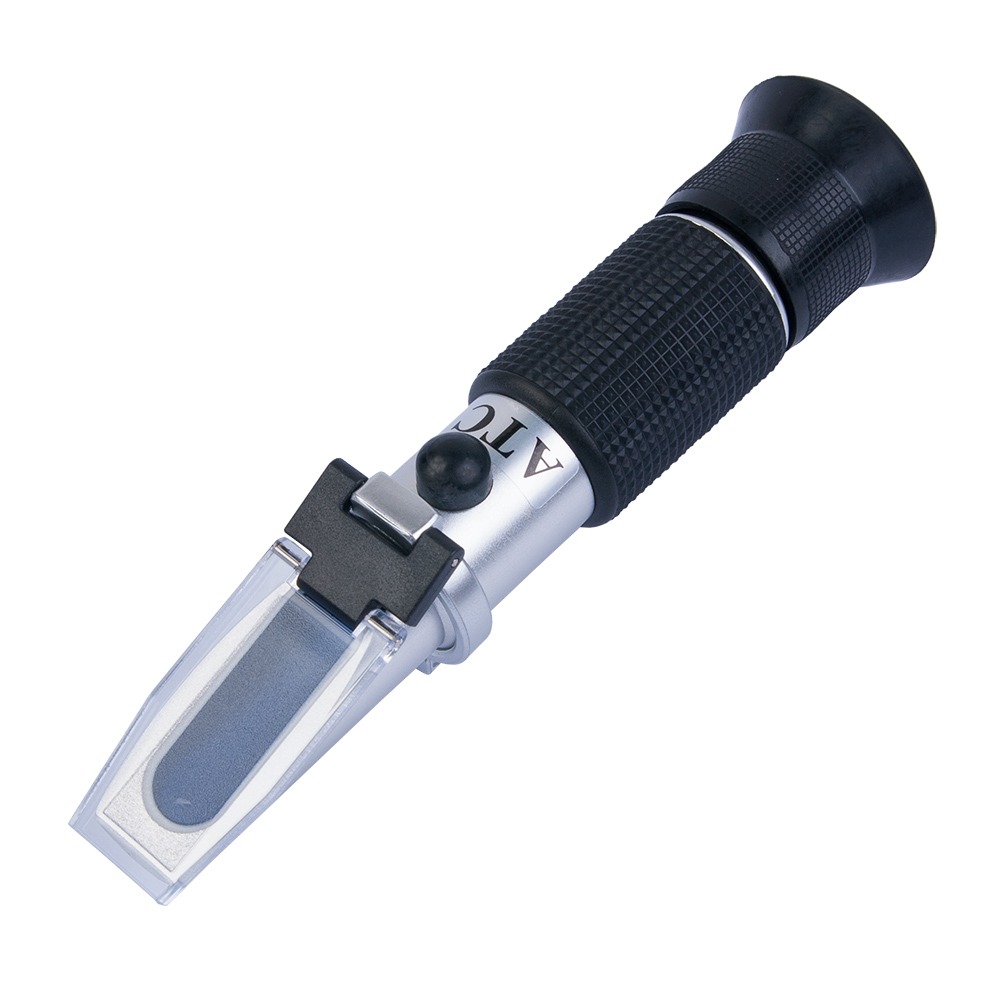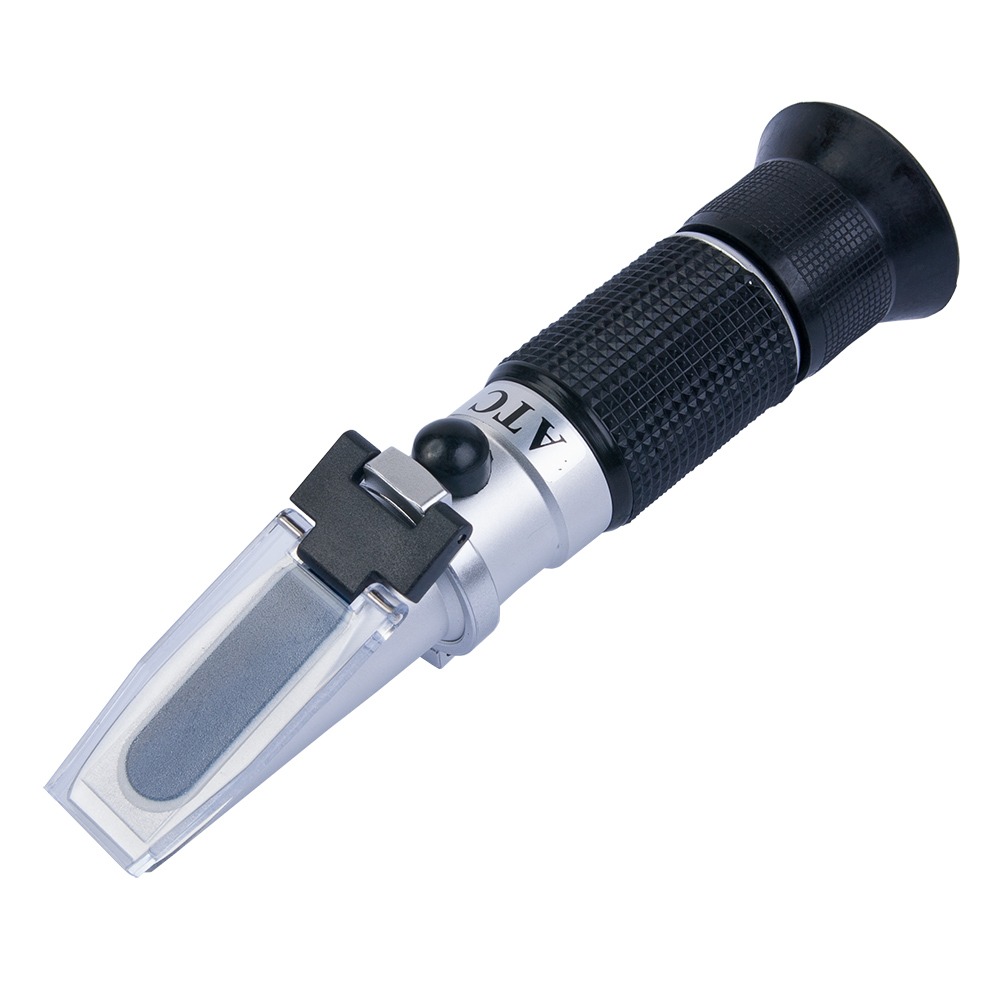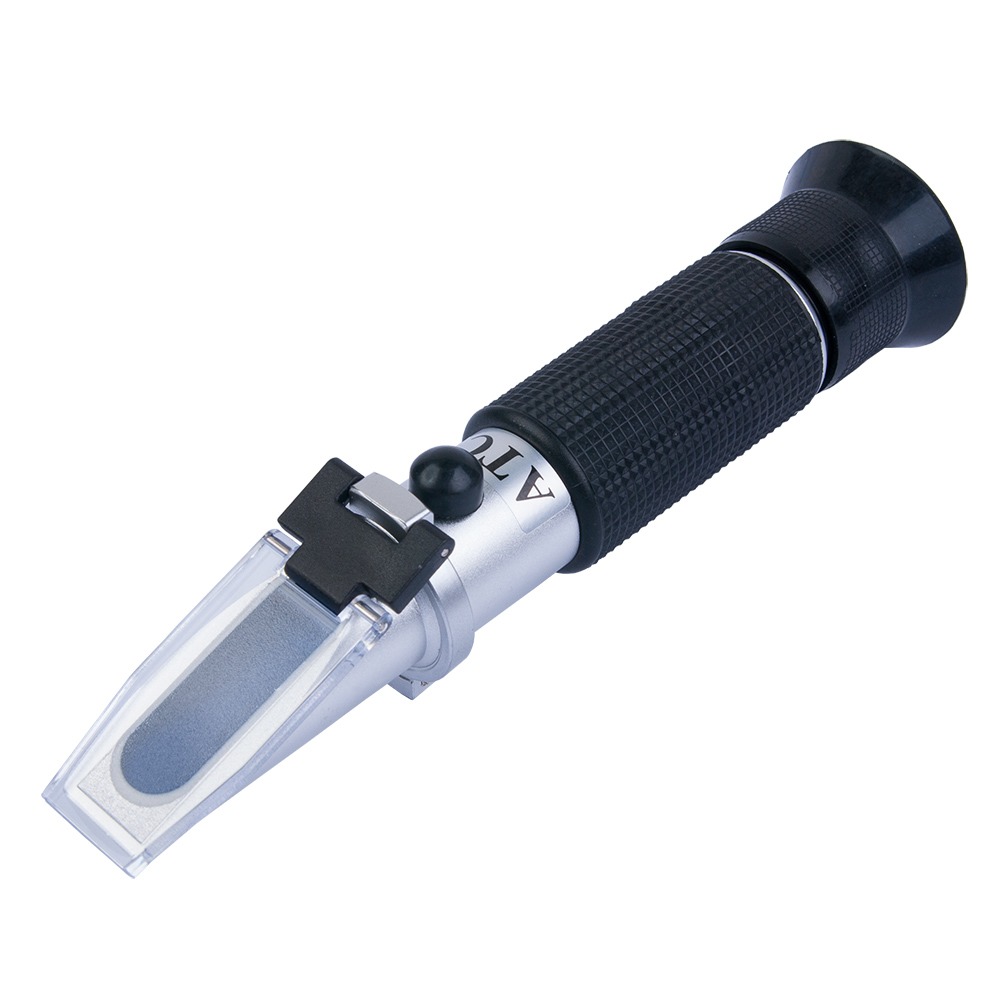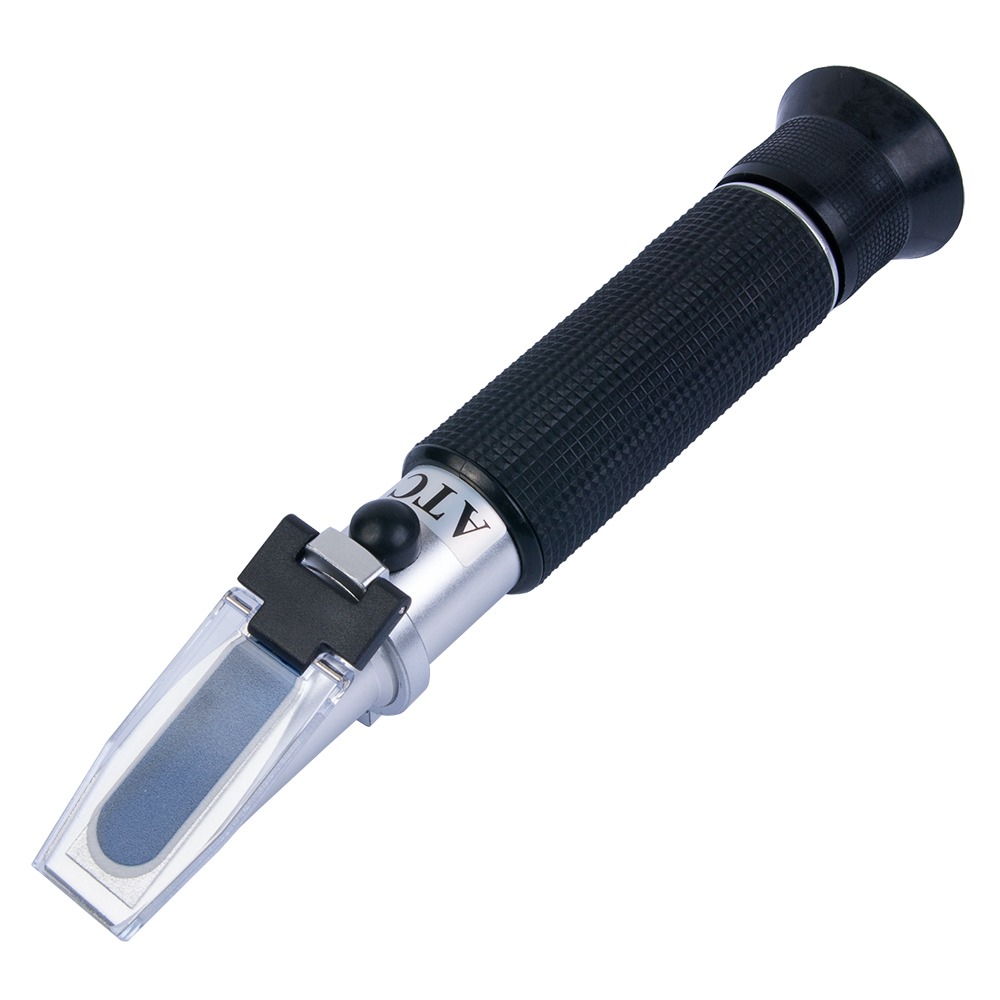

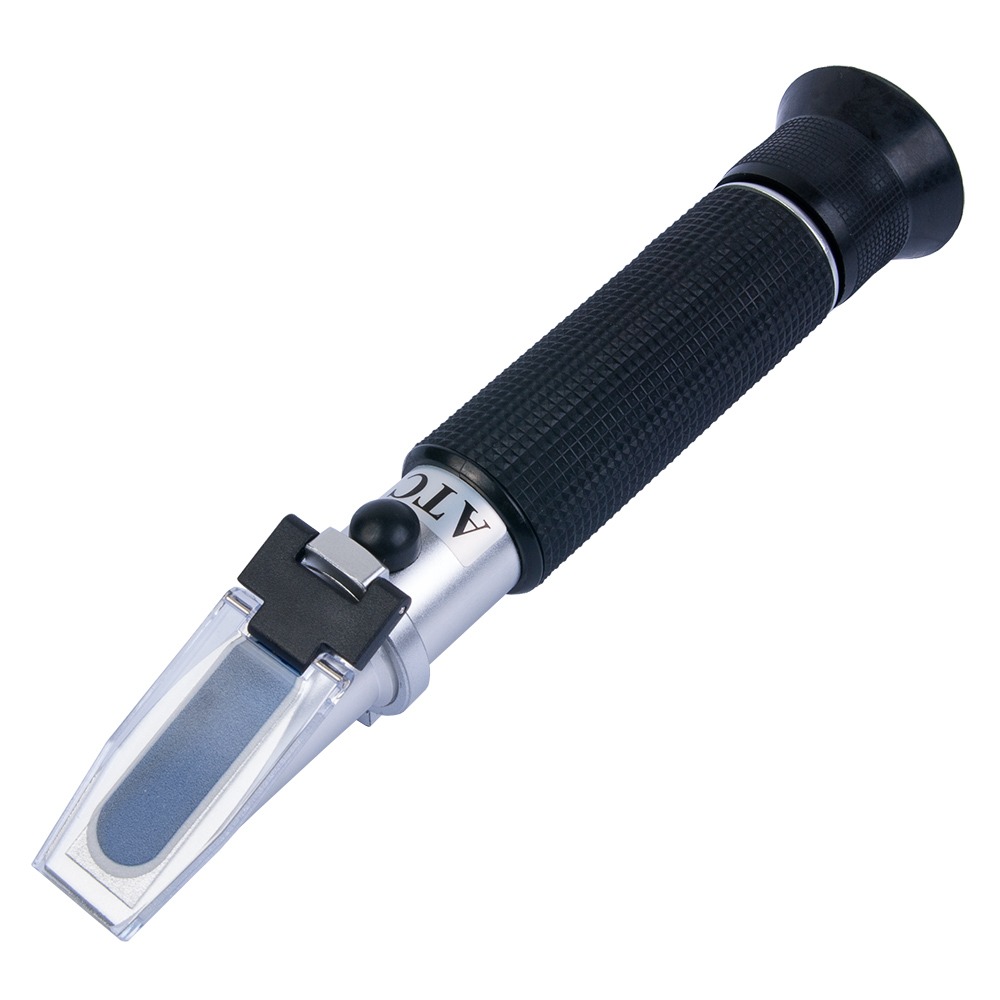
Walcom HT211ATC Salinity Refractometer
Delivery and payment
Choose your city or town to see the price with delivery there and when you can get it.
Pickup points
- Branch
- Parcel locker
Pros
- No batteries or charging required
- Two scales in one
- ATC in the 10–30 °C range
- Minimal sample: 2–3 drops
- Quick results on the spot
Cons
- Range only goes up to 100‰
- Periodic calibration required
- Cloudy solutions distort readings
HT211ATC: what it is and why you need it
The HT211ATC is a handheld optical refractometer for measuring salinity (NaCl concentration) in aqueous solutions. Its strength is that it delivers results in 10–20 seconds, needs no power, and works wherever you need it: in the kitchen, by the aquarium, at a production facility, or in everyday lab work.
Typical uses include checking brines during salting and preserving, testing seawater or brackish water, aquarium keeping, pools, and any task that calls for a quick salinity check without the hassle of test tubes.
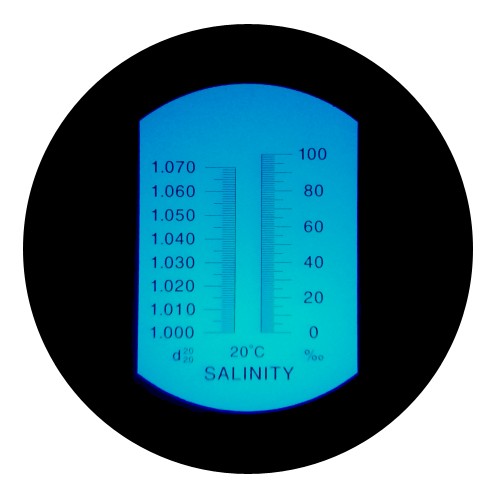
Two scales: salinity (‰) and specific gravity (d20/20)
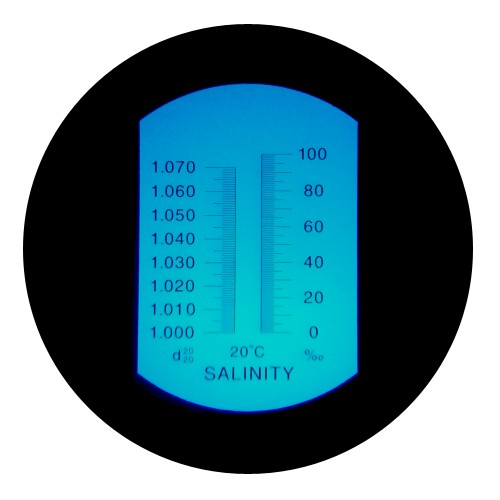
Inside the eyepiece, you'll see two scales:
- SALINITY 0–100‰ measures salinity in per mille (‰). An important point: 100‰ = 10%. That means this instrument is for solutions up to ~10% salt, not highly concentrated salt solutions.
- 1.000–1.070 d20/20 is the specific gravity scale, useful, for example, for an approximate check of seawater (typical values for a marine aquarium are often around 1.023–1.026).
Resolution is typically 1‰ for salinity and 0.001 for d20/20. Simply put, this is a tool for quick checks, not for extremely precise measurements.
ATC: what it compensates for and what it doesn't
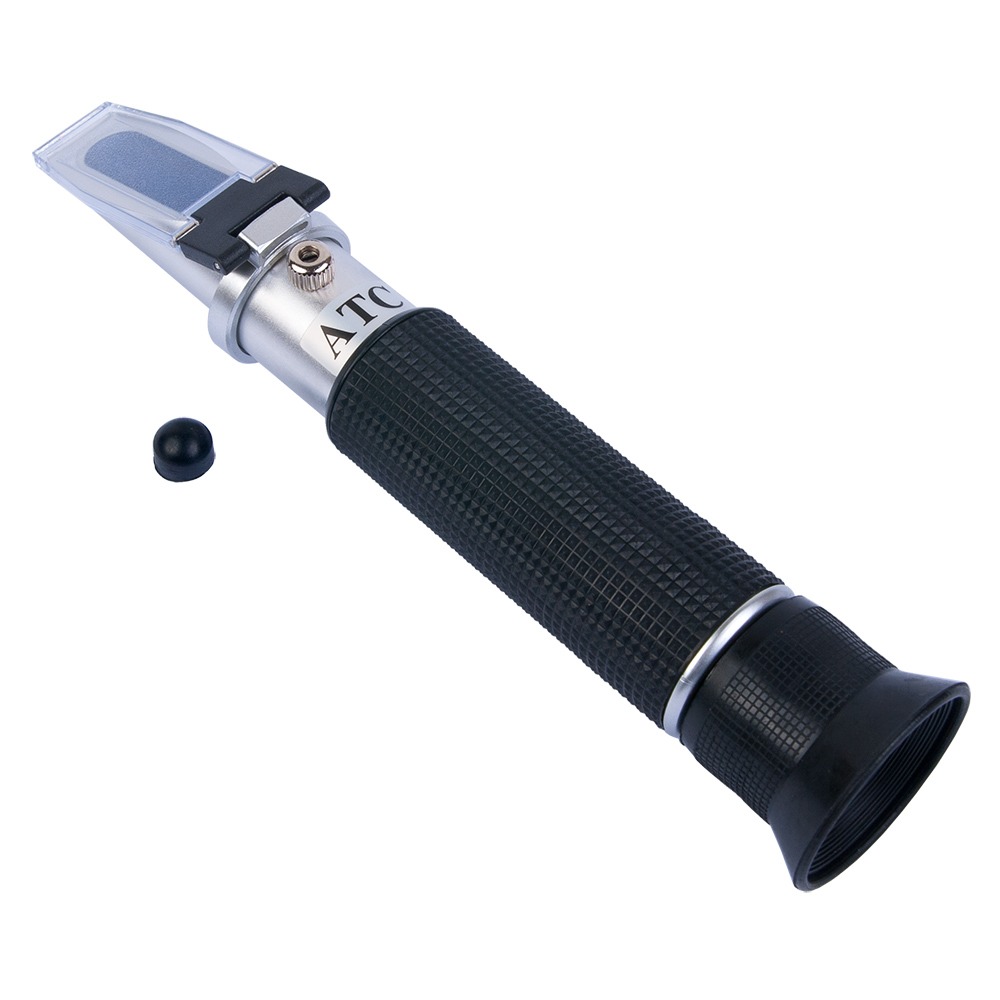
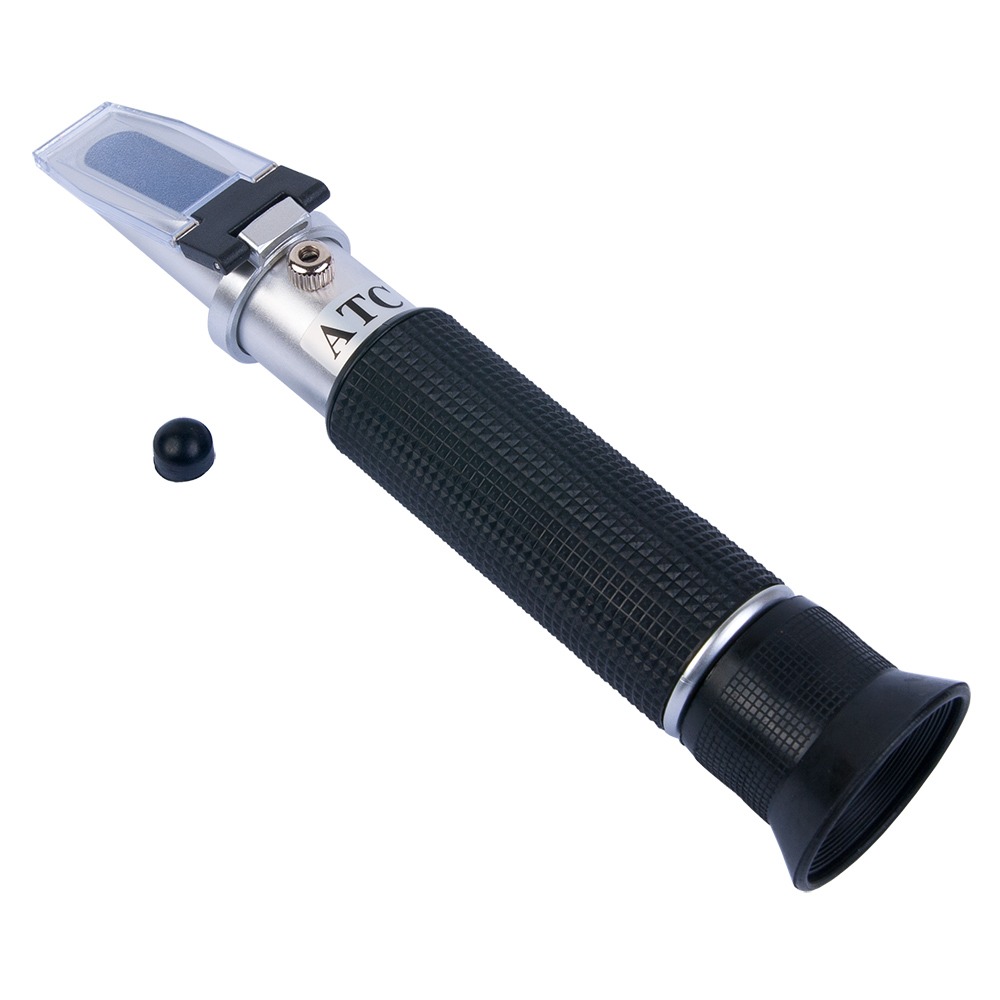
The ATC marking stands for automatic temperature compensation in an operating range of approximately 10–30 °C. This is convenient when the ambient temperature fluctuates slightly.
But ATC isn't magic: if you've just collected a hot solution or brought the instrument in from freezing temperatures, don't expect perfect accuracy. The best practice is to give the sample and instrument 1–2 minutes to reach similar temperatures (with 20 °C often used as a reference).
How to measure: a straightforward quick guide
- Open the prism cover (the flap with the window).
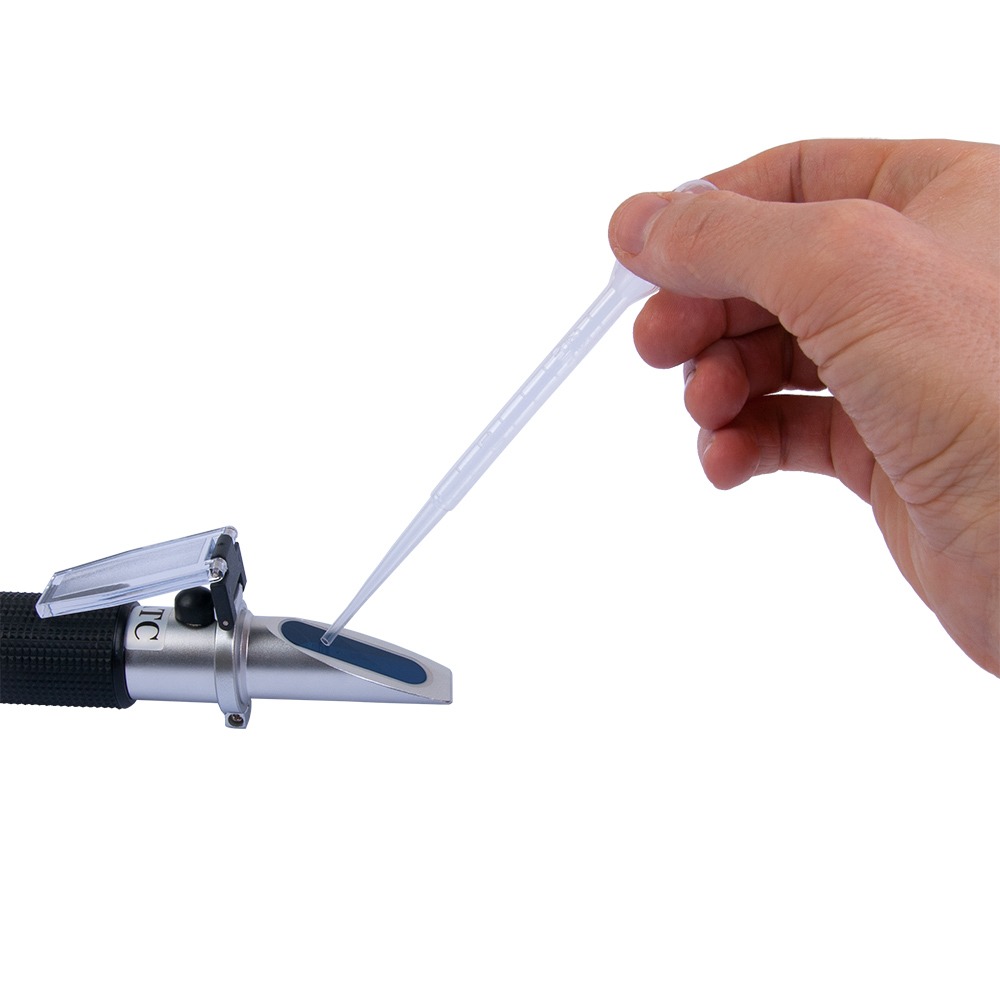
- Use a pipette to place 2–3 drops of solution on the prism.
- Close the cover so the solution spreads into a thin, even layer without bubbles.
- Focus by rotating the eyepiece.
- Look at the boundary between blue and white and read the value where it crosses the scale.
- After measuring, be sure to rinse or wipe away any residue and dry the prism thoroughly.
Tip: measure in daylight or normal artificial light. In the dark, any refractometer can give unreliable readings.
Calibration: when zero matters more than intuition
Refractometers of this type often arrive already calibrated, but a 30-second check can save you hours of uncertainty.
- Place distilled water on the prism.
- Close the cover and focus the eyepiece.
- The boundary should read 0‰ (or 1.000 on the d20/20 scale).
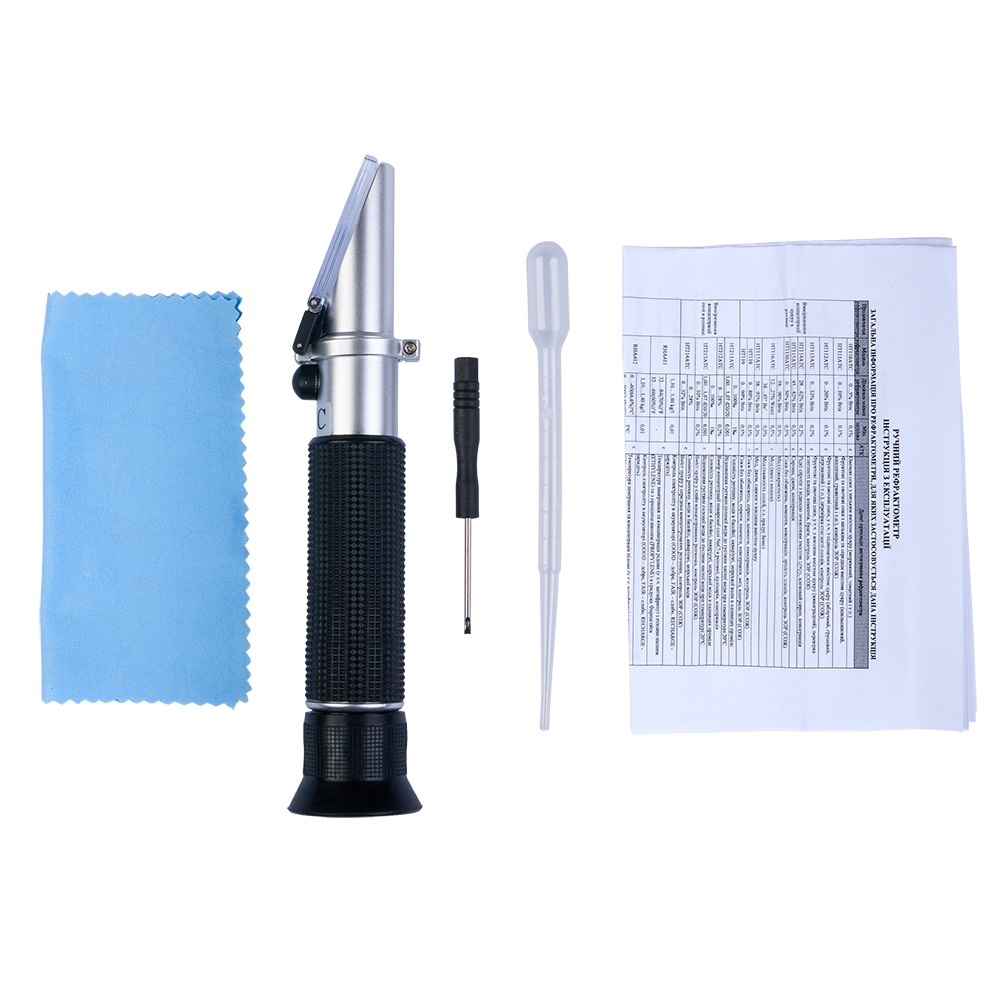
- If it doesn't, adjust the calibration screw with the included screwdriver.
If you're measuring seawater and want better practical accuracy around ~35‰, it's better to calibrate not just at zero but with a special 35‰ calibration solution, if needed and available. This isn't essential for everyday tasks, but it's useful for aquariums.
What this refractometer isn't designed for
- Strong brines above 10% (100‰) require a different model or range (for example, 0–28% for salt).
- Complex solutions with additives that affect refraction (sugar, syrups, alcohols, lots of spices) can produce skewed readings.
- Dirt or scratches on the prism reduce accuracy and cause frustration. Handle the prism gently.
Conclusion: who the HT211ATC is for
The HT211ATC is a reliable workhorse if you need quick salinity checks within 0–100‰ and don't want to rely on batteries. It's simple and easy to use, with a useful second d20/20 scale and ATC within the operating temperature range.
If you regularly work with very concentrated brines or want maximum accuracy specifically for a reef aquarium, consider instruments with a different range or digital solutions properly calibrated for your task.