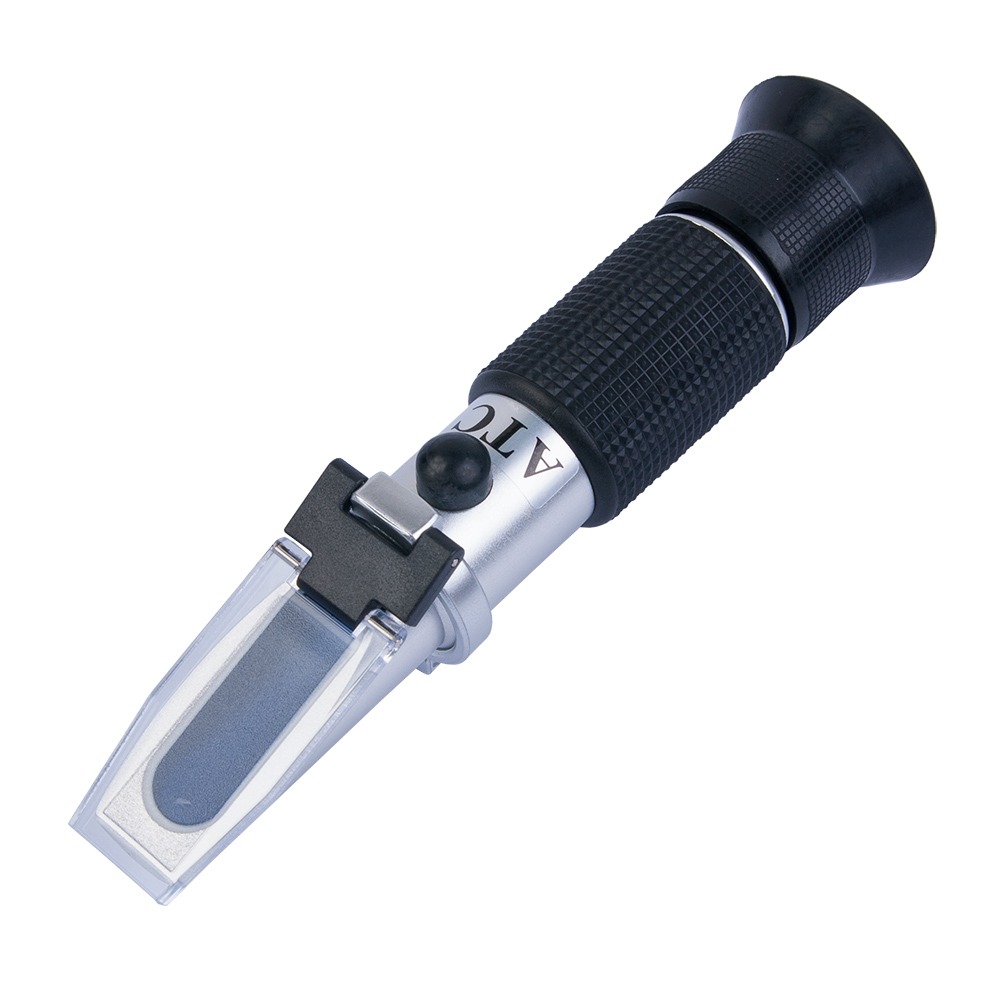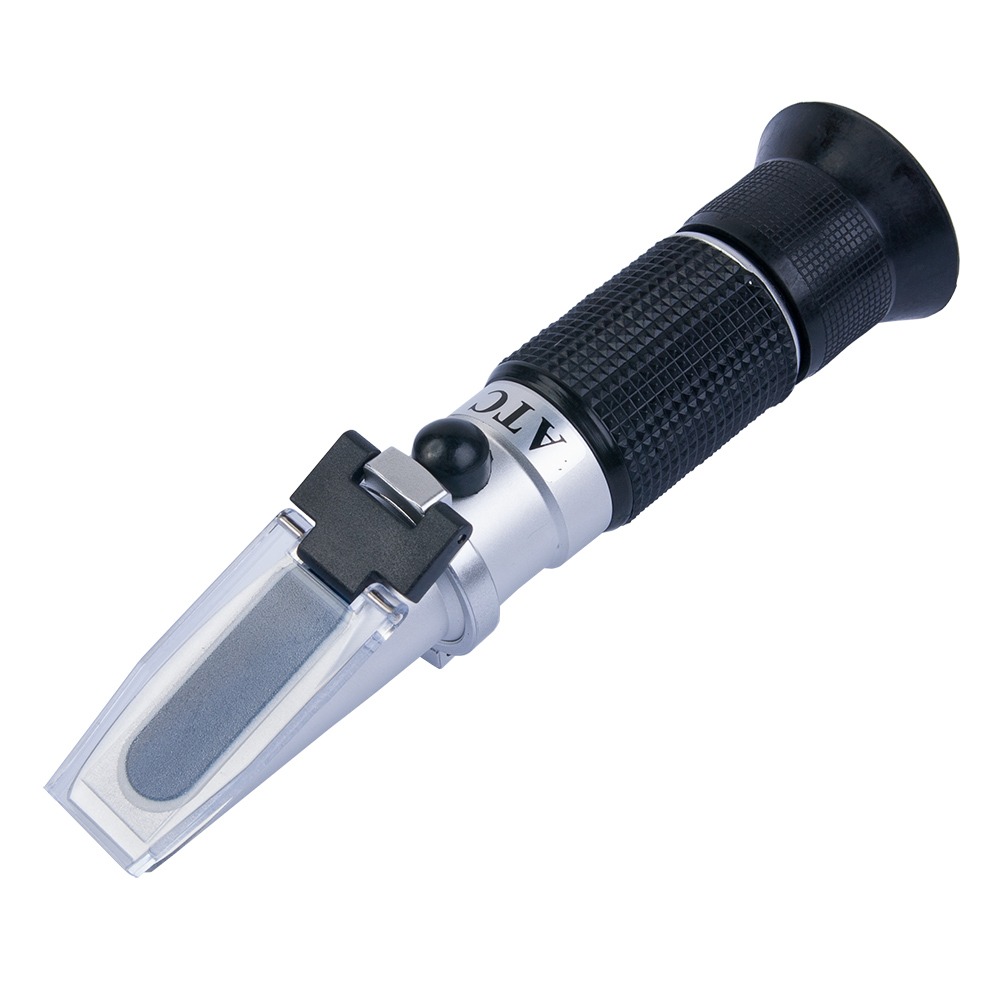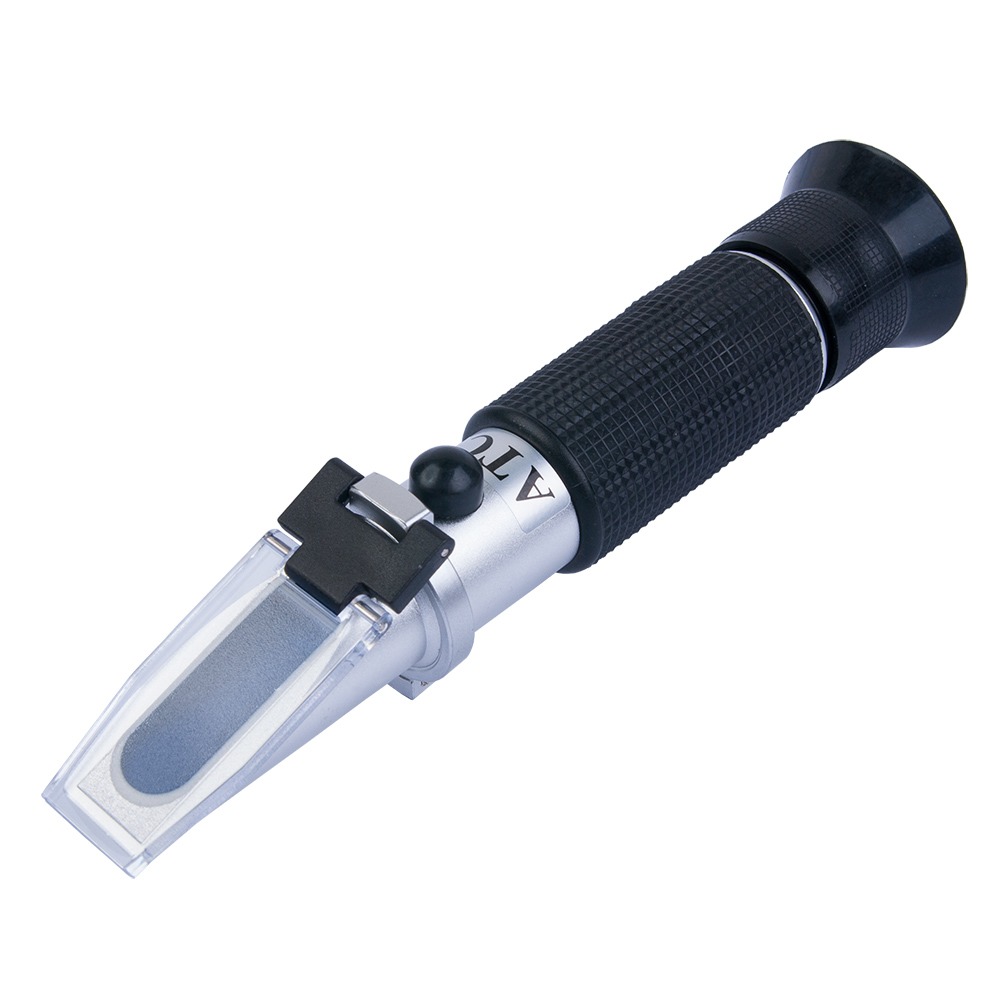
Walcom HT414ATC Refractometer
Delivery and payment
Choose your city or town to see the price with delivery there and when you can get it.
Pickup points
- Branch
- Parcel locker
Pros
- Five scales for common fluids
- Automatic temperature compensation (ATC)
- No batteries required
- Quick measurements with just a few drops
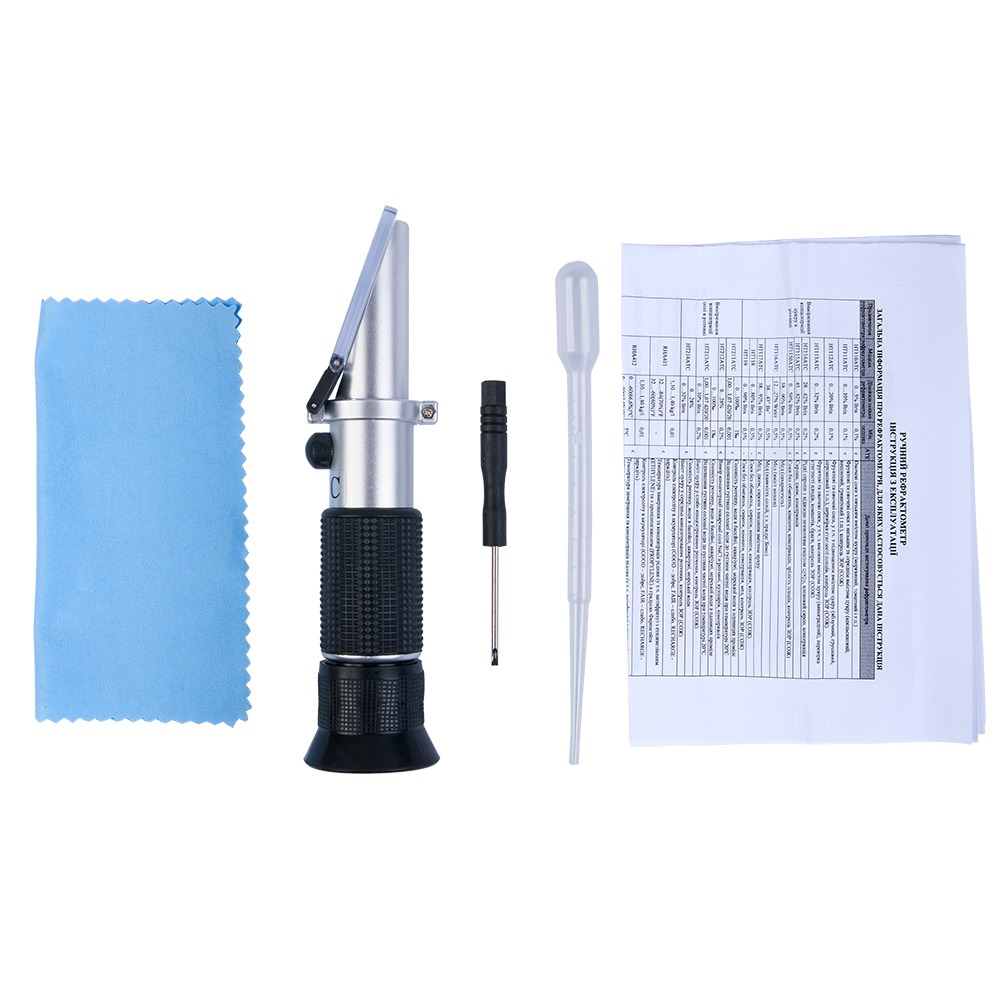
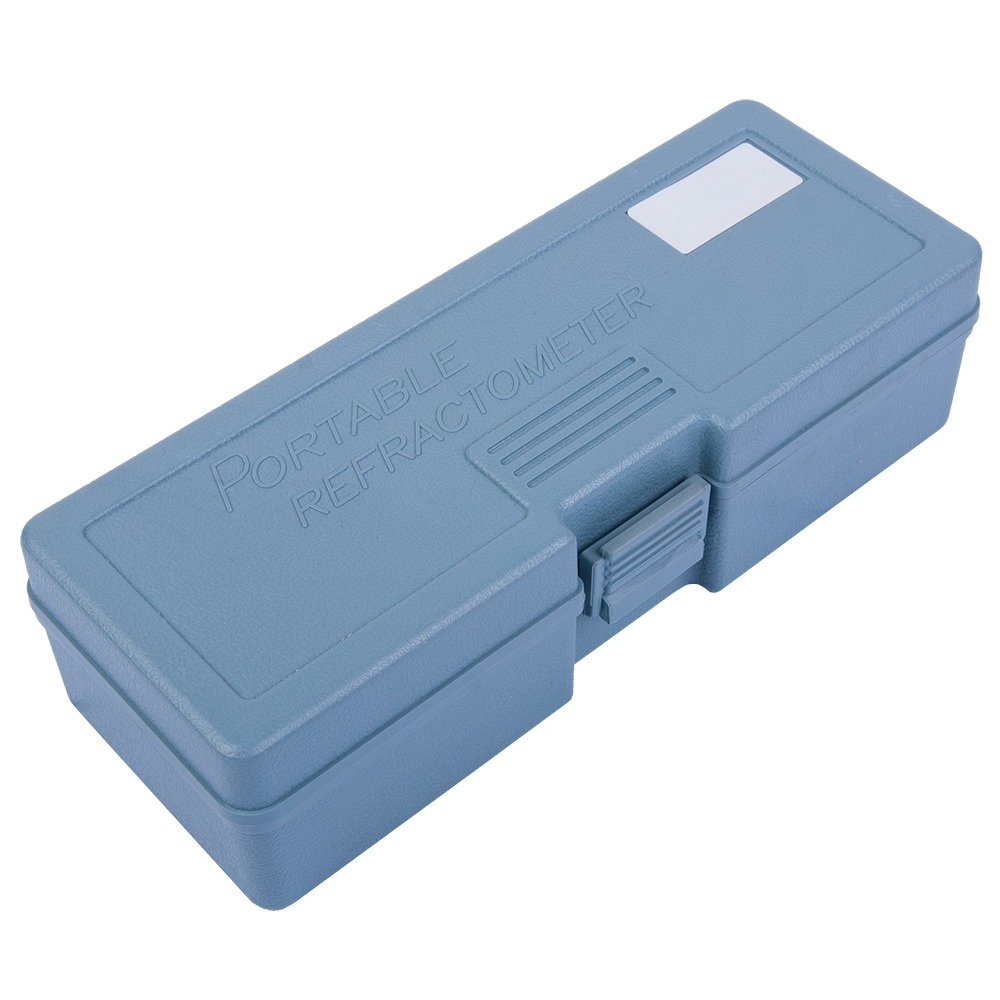
- Case and accessories included
Cons
- You need to know the fluid's base
- Washer fluid scale has 5°C increments
- Prism must be washed after measurement
A small device that doesn't judge by color
HT414ATC is a handheld optical refractometer for checking automotive fluids. It measures the density of electrolyte in a serviceable lead-acid battery and the approximate freezing point of antifreeze or windshield washer fluid. It comes in handy in a garage, at an auto repair shop, in a vehicle fleet or before a winter trip, wherever “it still looks fine” isn't a convincing enough answer.
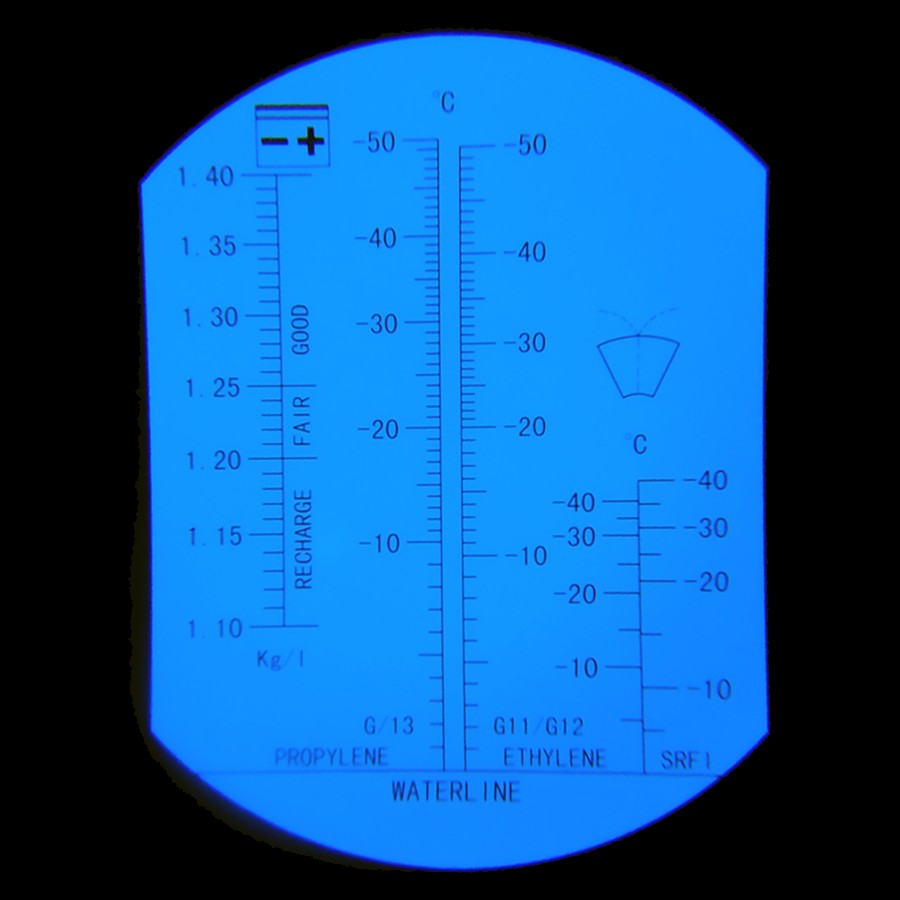
The refractometer works without electronics or a power source: all you need is a drop of fluid, daylight or a bright lamp, and a few seconds. Looking through the eyepiece, you'll see a scale where the boundary between the light and blue areas shows the result.
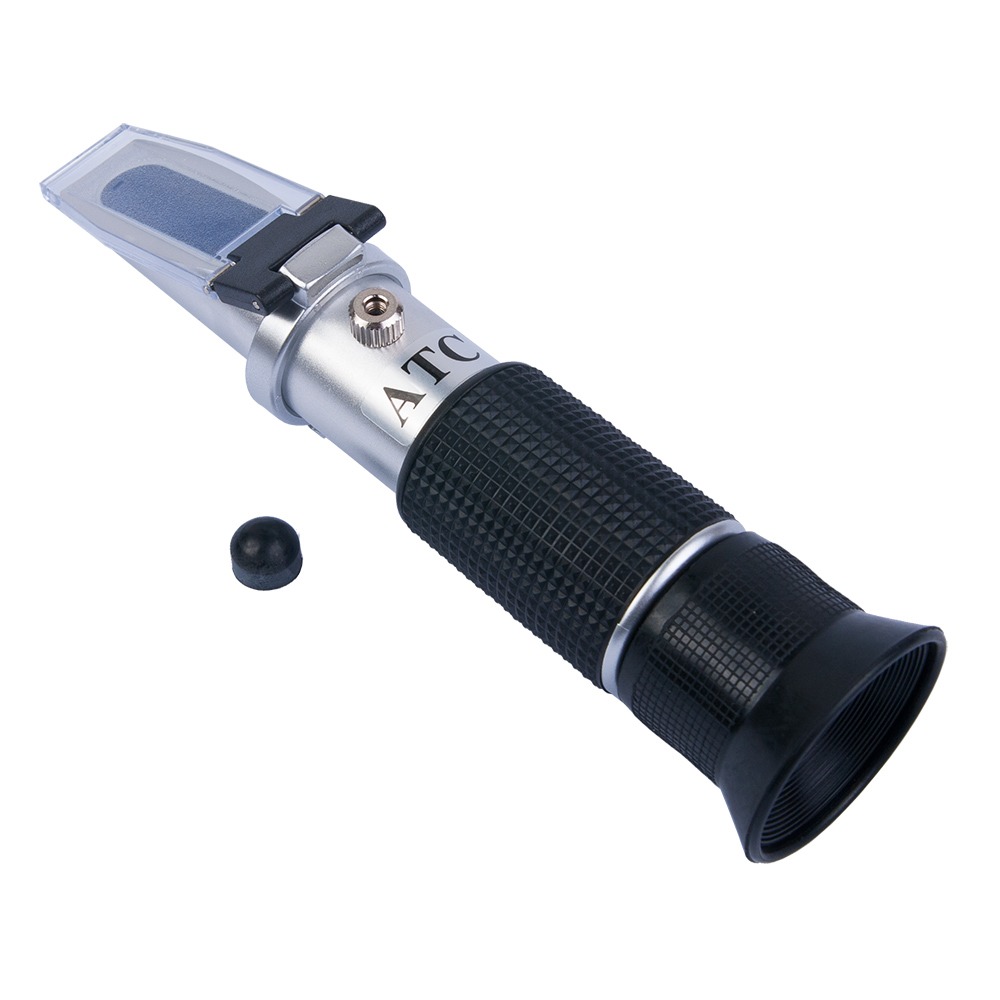
Five scales: antifreeze, electrolyte and two types of washer fluid
The strength of HT414ATC is its versatility without unnecessary menus and buttons. One scale measures electrolyte specific gravity from 1.10–1.40 kg/L and has RECHARGE, FAIR and GOOD indicators. This is convenient for an initial check of the charge in the cells of a serviceable battery.
Two other scales are for coolants: one for ethylene glycol-based formulations and one for propylene glycol-based formulations, with a freezing point range from 0 to −50°C. Two more scales assess the freeze protection of ethanol- and isopropyl alcohol-based windshield washer fluid, down to −40°C.
An important detail: the color of the container or a label in large letters doesn't always tell you the fluid's chemical base. Before measuring antifreeze or washer fluid, check the label or technical documentation. The G11, G12 or G13 designation alone is no substitute for information about the composition.
How to use it: no magic, just optics
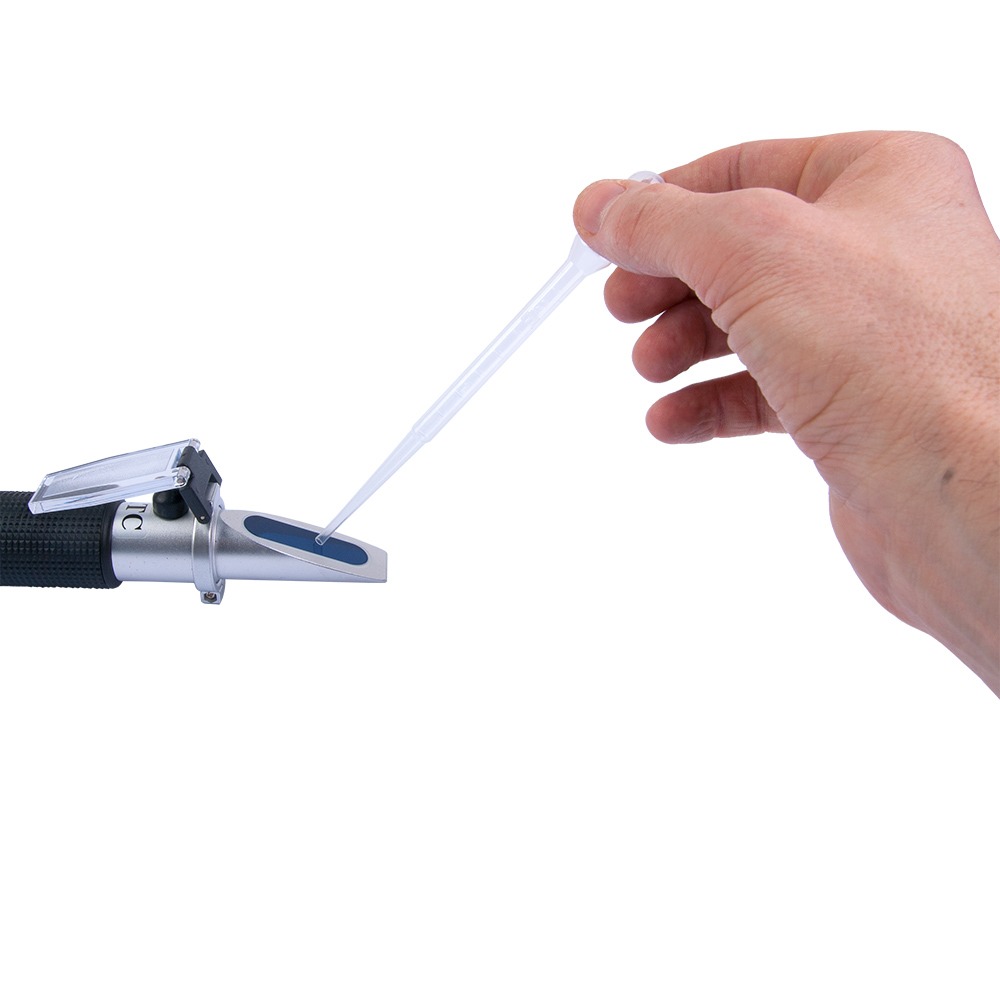
Open the transparent prism cover, use the dropper to apply two or three drops of the sample, and close it so the fluid spreads evenly in a thin layer without bubbles. Point the device toward a light source, look through the eyepiece and turn the focus ring if needed. Read the result where the boundary between the light and blue areas crosses the relevant scale.
Automatic temperature compensation (ATC) works within a range of 10–30°C. It compensates for normal differences between the sample and ambient temperatures, but it doesn't override the laws of physics: don't measure hot antifreeze that has just been drained. Let the fluid cool and allow the device to adjust to room temperature.
Before first use and periodically thereafter, check the calibration with distilled water. The boundary should align with the WATERLINE mark; if it doesn't, use the included screwdriver to adjust the screw. After each measurement, rinse the prism with clean water and wipe it with a soft cloth.
What it can and can't tell you
HT414ATC is good at answering practical questions: whether antifreeze is concentrated enough for freezing weather, whether winter washer fluid has been diluted and whether a serviceable battery needs charging. It's much more convenient for these checks than estimating by eye and doesn't require a large volume of fluid like a traditional hydrometer.
However, the refractometer doesn't assess the condition of the antifreeze's additive package, its acidity or boiling point, or the battery's performance under load. Measure electrolyte density only in batteries with accessible cells, and wear safety glasses and gloves. Never disassemble a sealed battery for this check.
Conclusion
HT414ATC is a practical testing tool for a driver, mechanic or small workshop. It's compact, needs no batteries, gives quick readings and covers the fluids most likely to cause winter surprises. It's most useful when used regularly: check, rinse and put it back in the case, and you'll have numbers instead of guesswork.