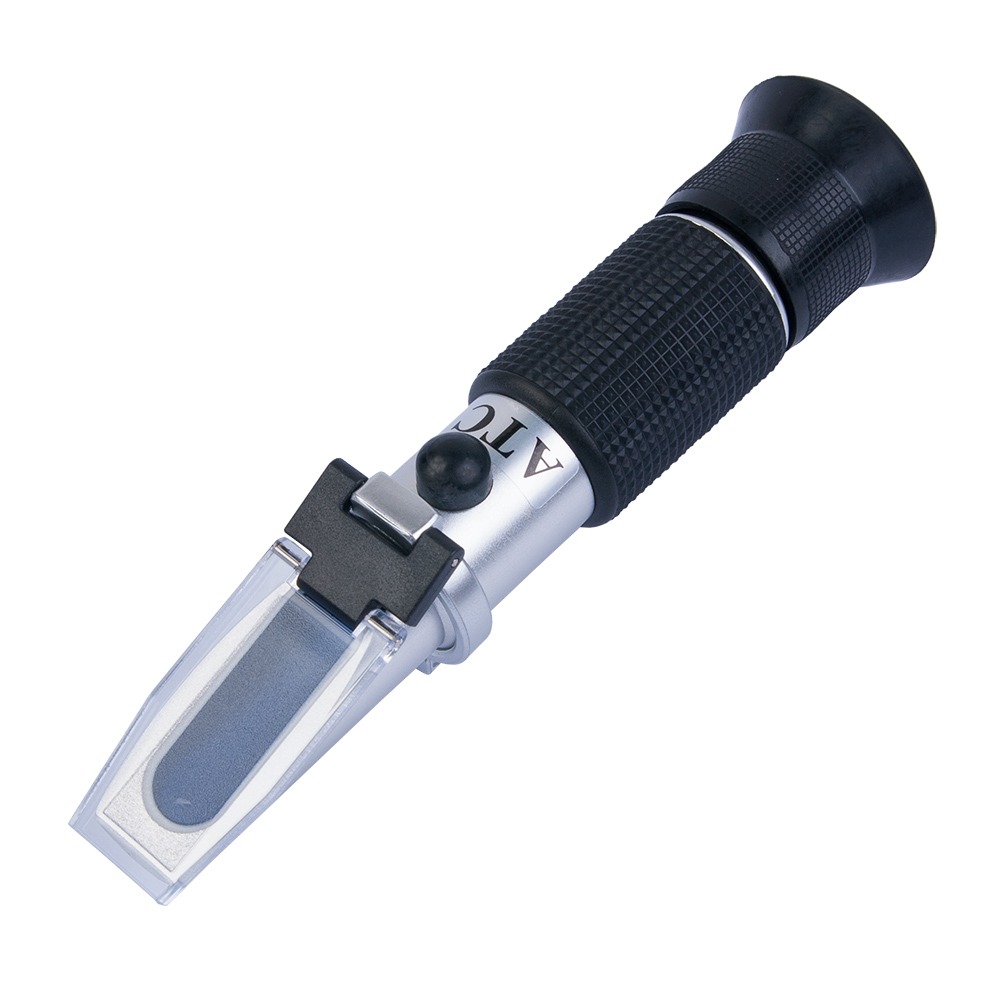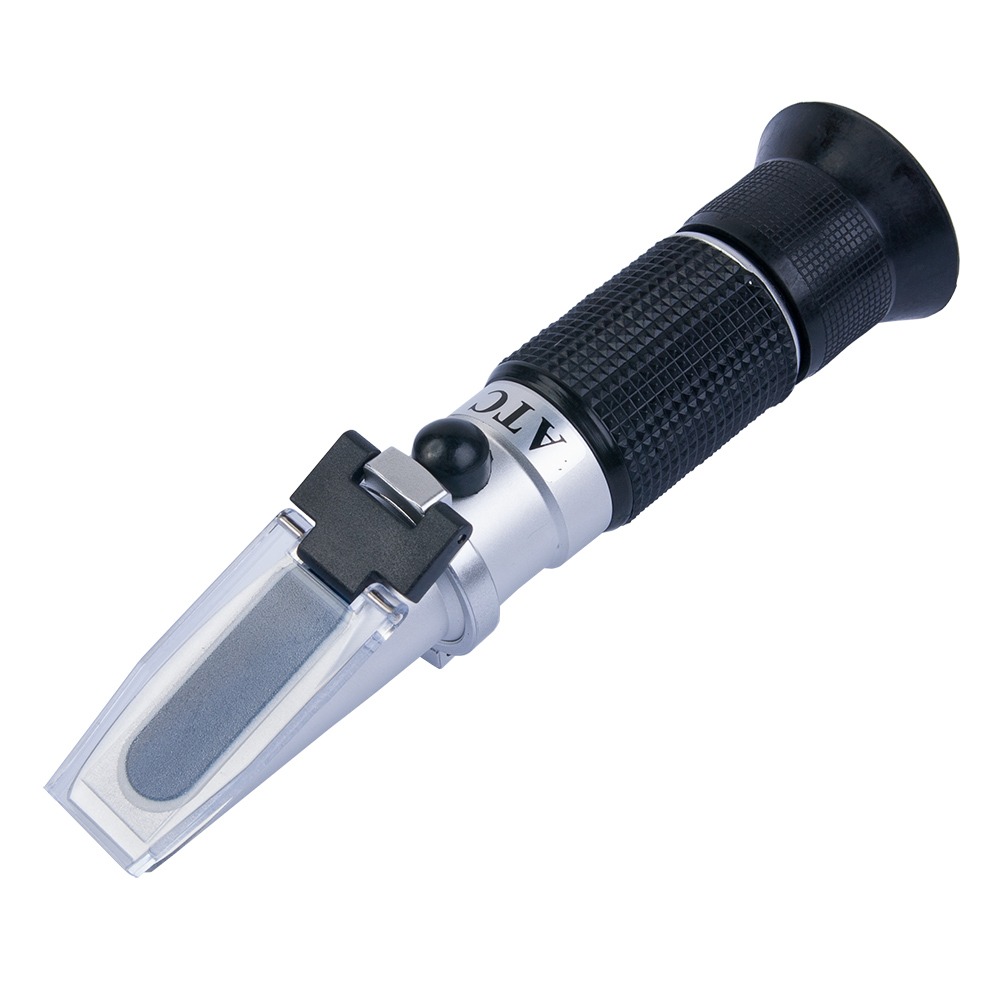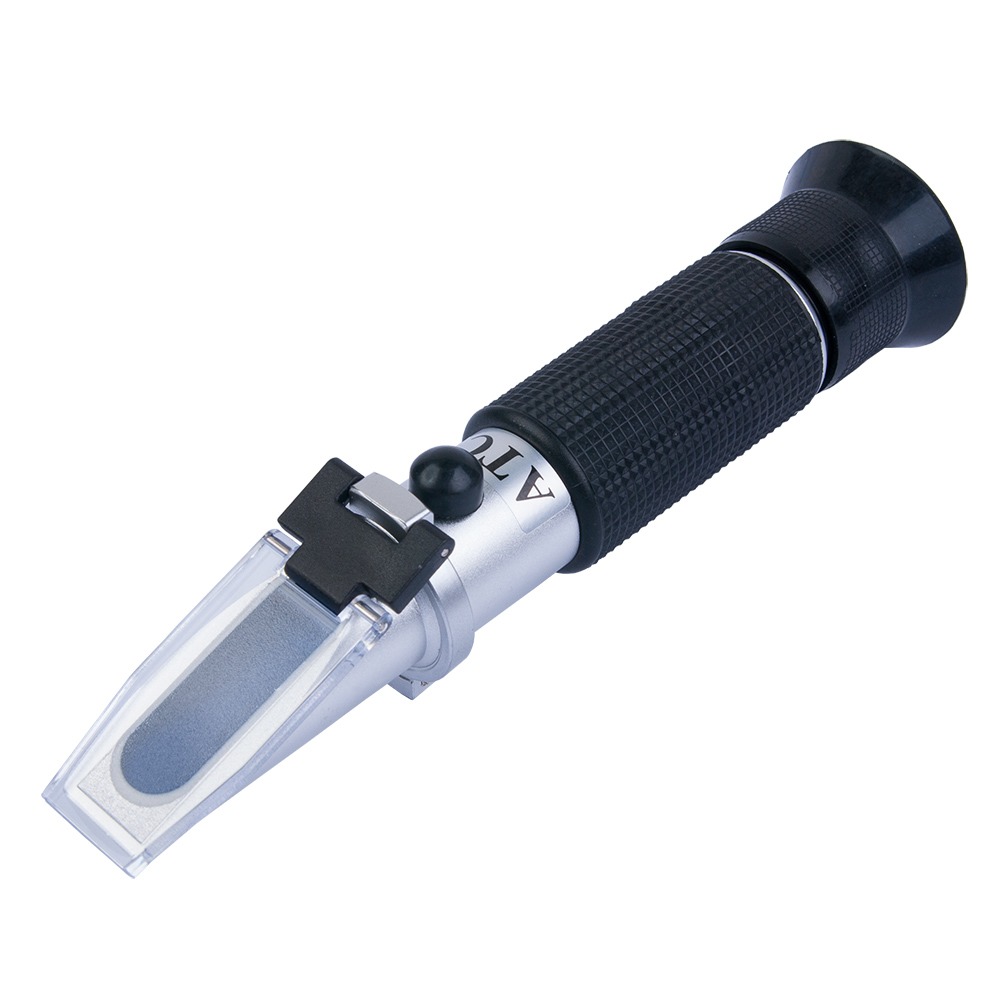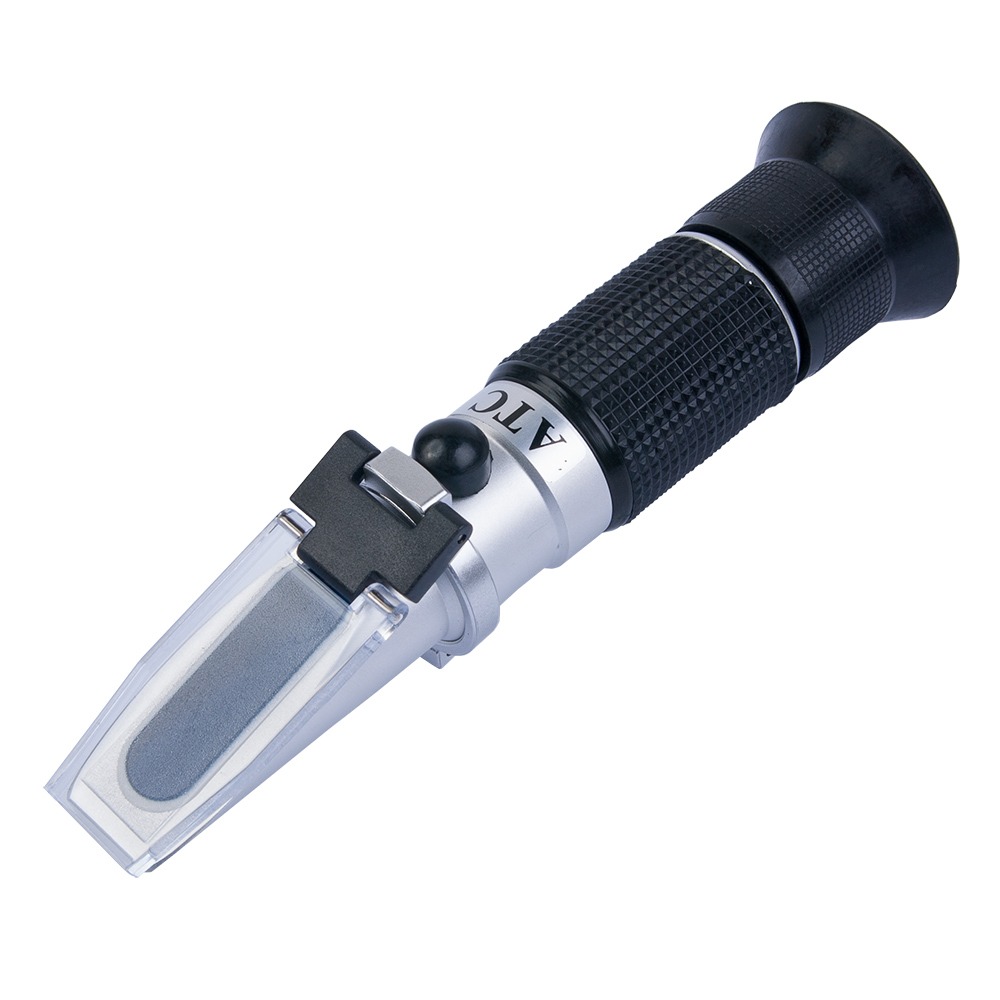
Walcom HT415ATC Refractometer
Delivery and payment
Choose your city or town to see the price with delivery there and when you can get it.
Pickup points
- Branch
- Parcel locker
Pros
- 3 scales for automotive fluids
- ATC in the 10–30°C range
- No batteries or charging required
- Quick “blue/white” readings
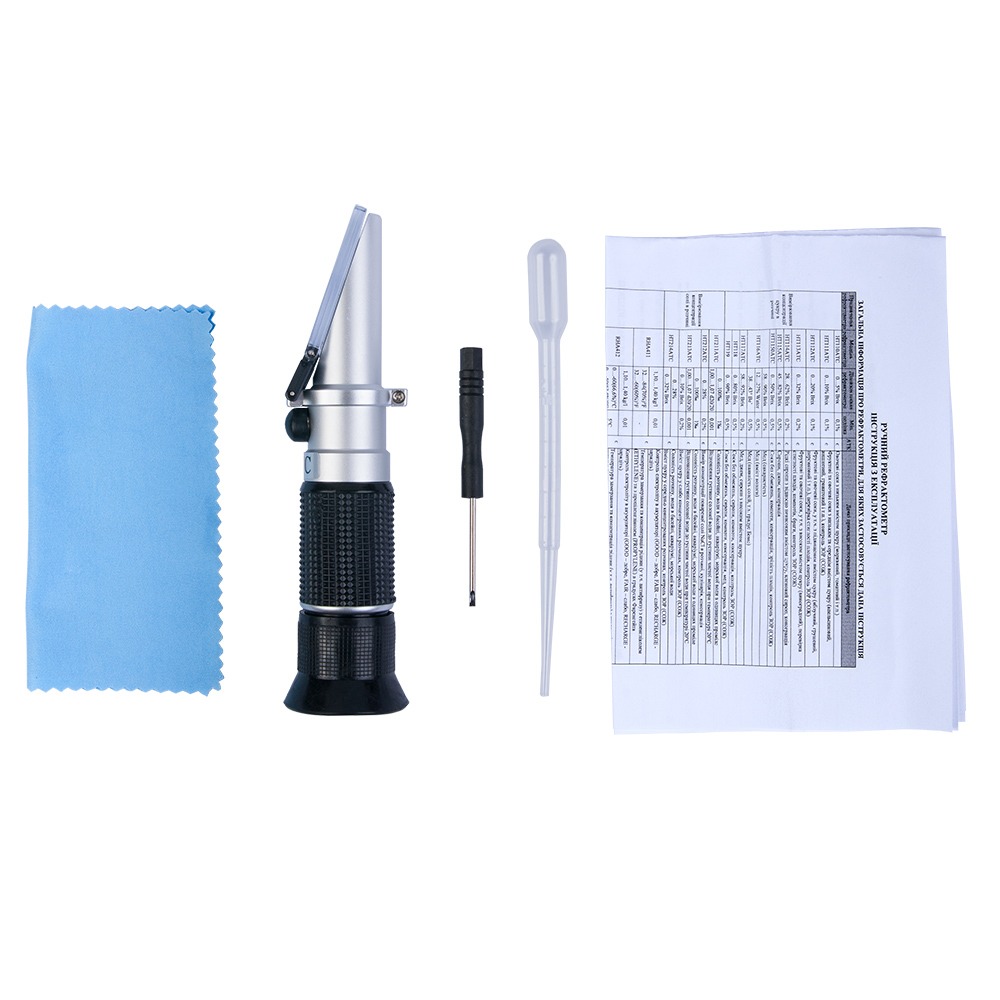
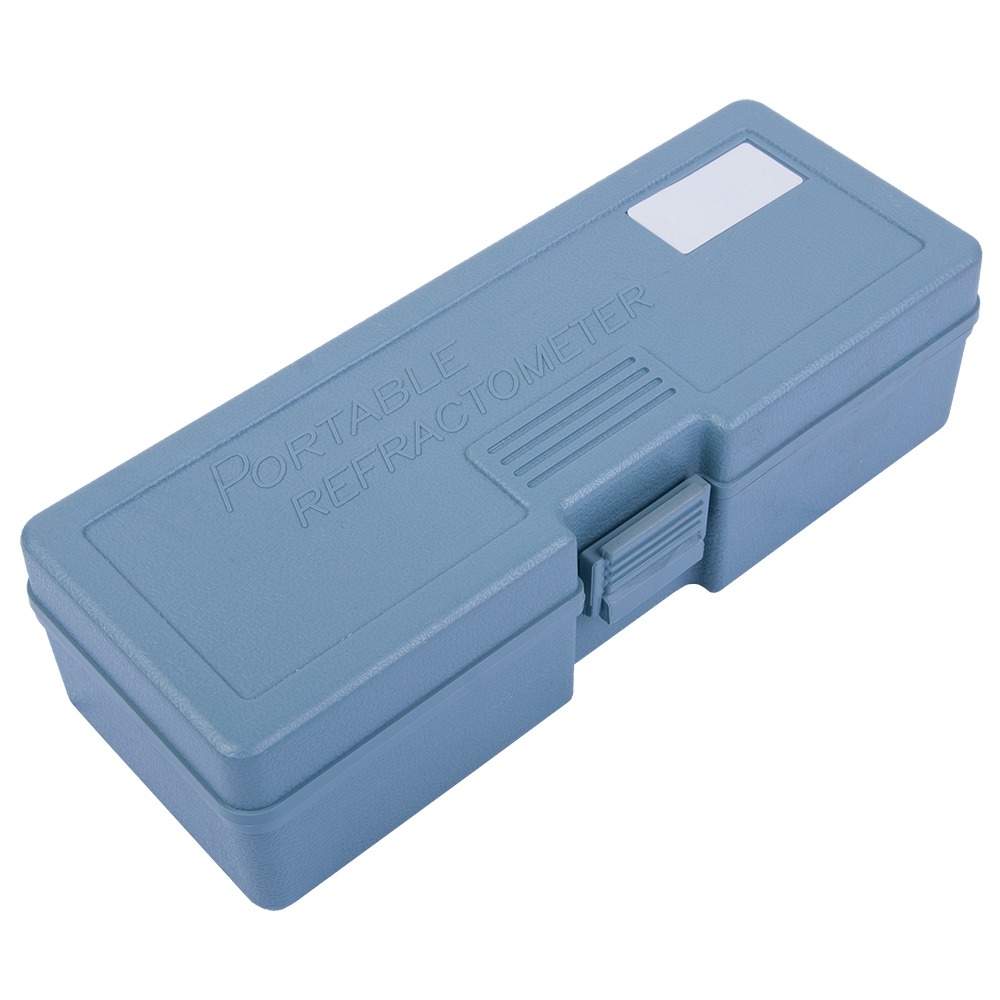
- Case and everything you need included
Cons
- Coarse temperature scale
- Calibration must not be forgotten
- Electrolyte requires careful handling
What is the HT415ATC and why keep one in your garage?
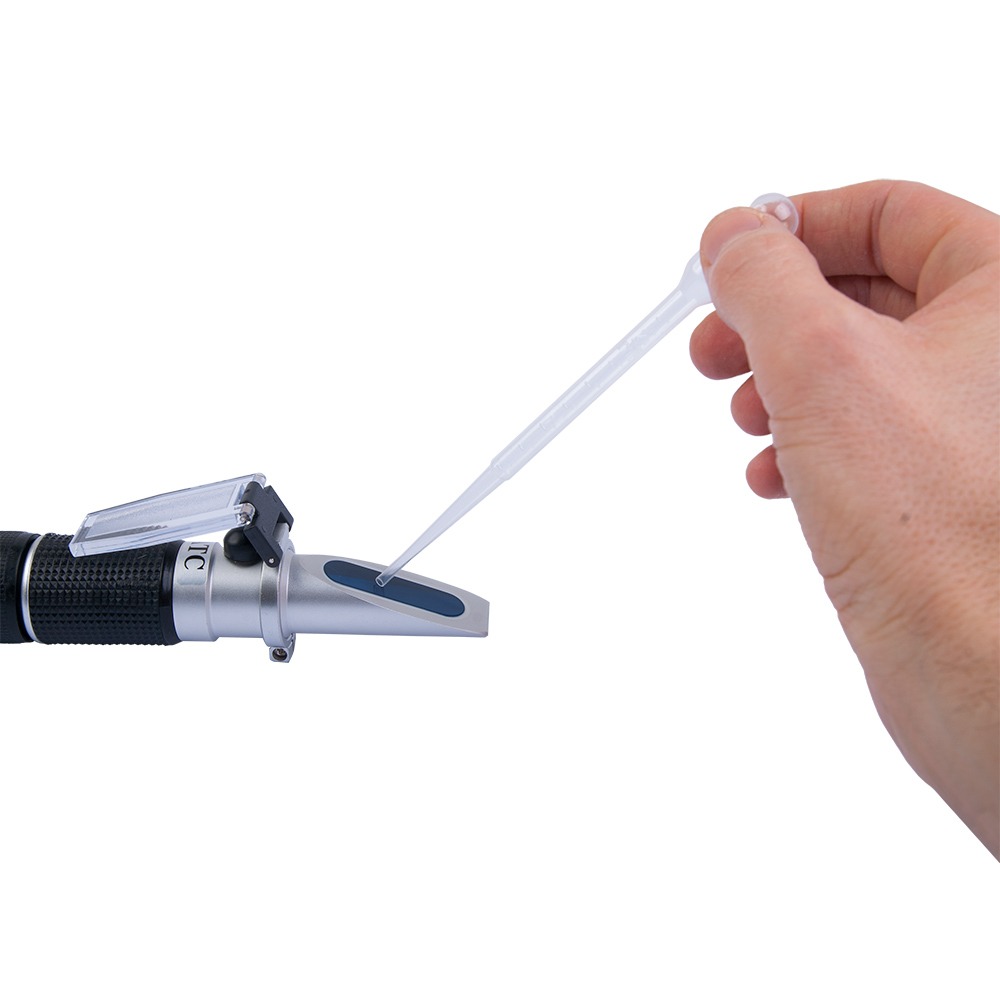
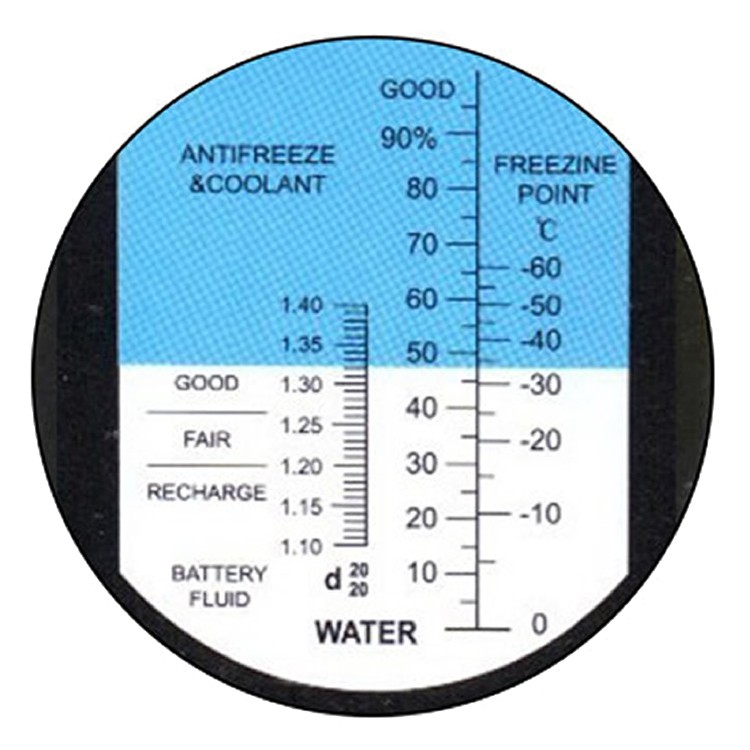
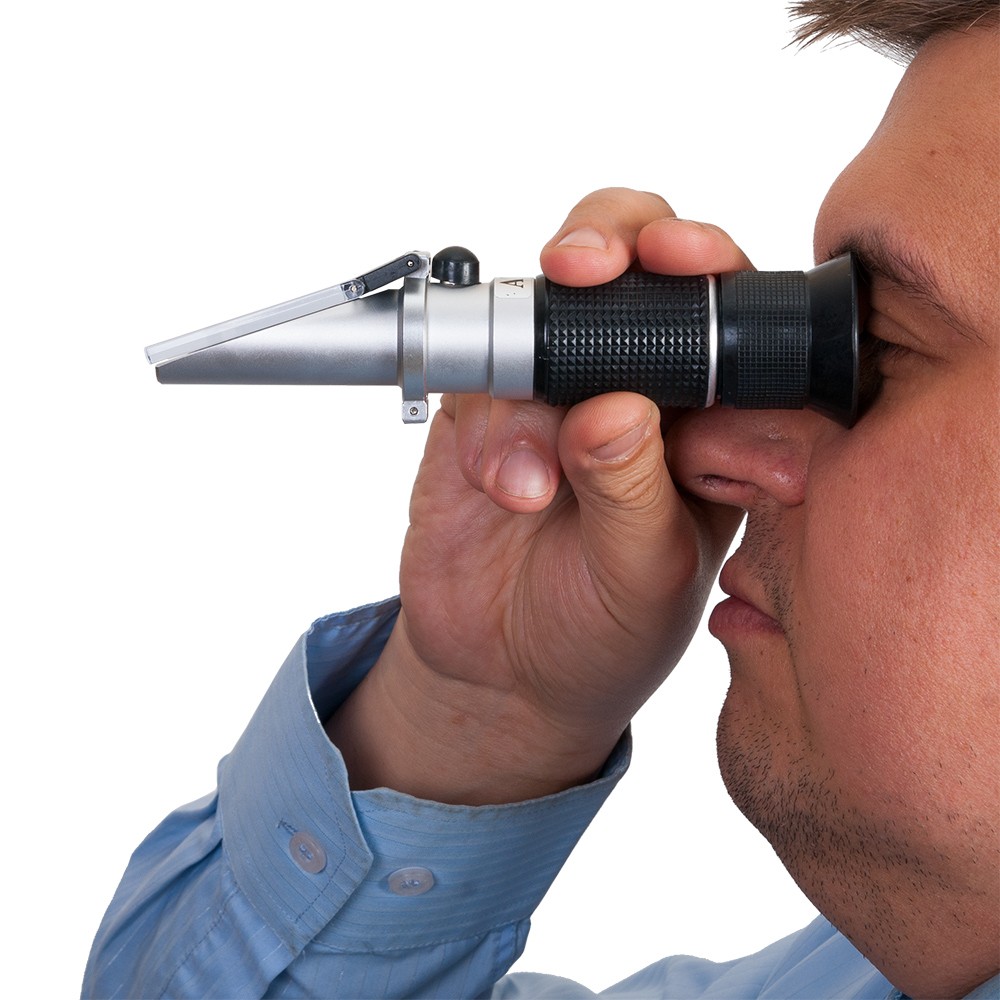
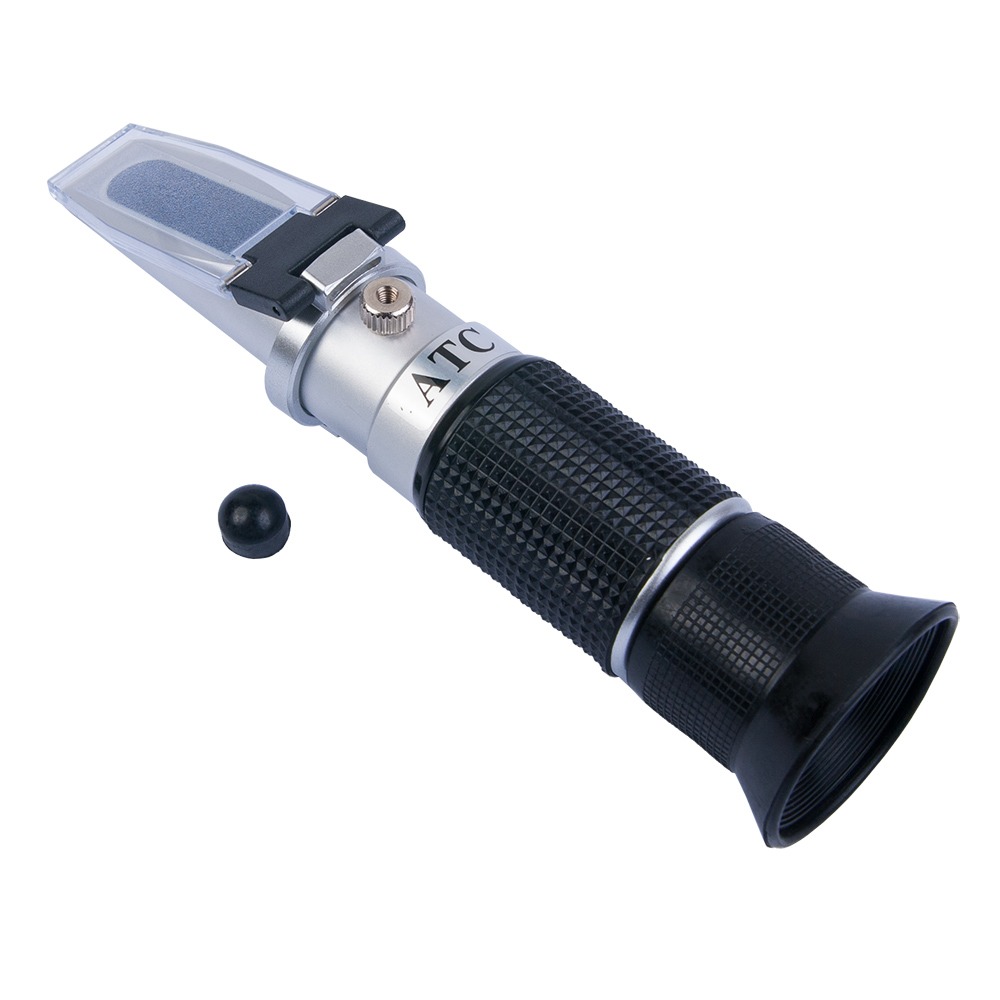
The HT415ATC is a handheld optical refractometer with Automatic Temperature Compensation (ATC) that lets you quickly assess automotive fluids without guessing by color or sending samples to a lab. It works simply: place a drop of fluid on the prism → close the cover → look through the eyepiece → the boundary between blue and white gives you a reading on the scale.
It is typically used for three tasks: checking antifreeze concentration/dilution, assessing the freezing point, and checking the specific gravity of battery electrolyte, which is useful for diagnosing a battery.

Three scales: what it measures
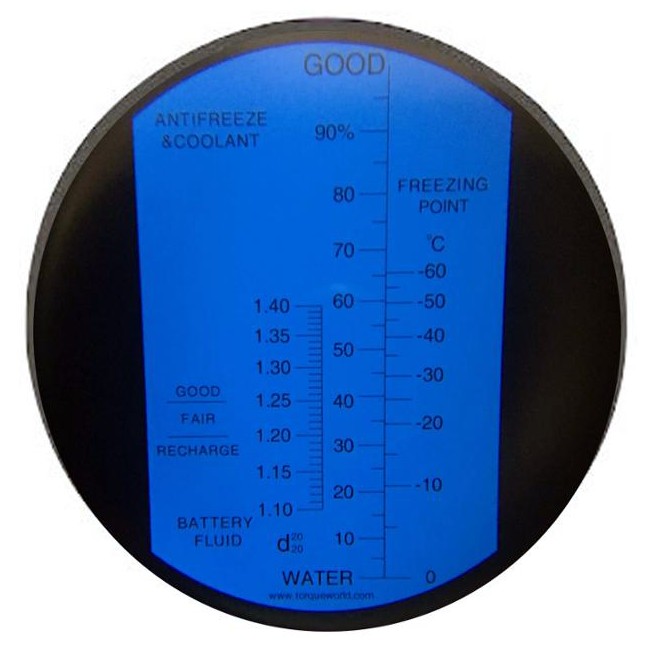
The HT415ATC has three scales, like “three modes” in a device with no electronics at all:
- WATER (0–100%) shows the water content/degree of dilution. It is used for a quick quality check of antifreeze and windshield washer fluid to see whether they have been reduced to “scented water.”
- °C (0…−60°C) indicates the freezing point, essentially answering the question, “How far below zero will it still work?”
- d20/20 (1.10…1.40) indicates specific gravity, the ratio of the fluid's density to that of distilled water at 20°C. This is used to check the electrolyte in lead-acid batteries.
How to take a reading correctly (without the drama)
1) Prepare the prism. It should be clean and dry. Any dirt = “creative” readings.
2) Apply 1–2 drops to the prism using the dropper. For thick/viscous fluids, take your time and let the drops spread out.
3) Close the transparent cover (plate). The fluid should spread evenly into a thin layer without bubbles.
4) Focus using the eyepiece and look at the scale against the light. The “blue/white” boundary is your reading.
5) Clean the prism immediately after measuring with a soft cloth. If you measured electrolyte, wipe it more thoroughly and carefully, because acid doesn't care how much the optics cost.
Calibration: 1 minute that prevents mistakes
The device usually comes calibrated, but checking it is a good habit.
How to do it: apply distilled water to the prism, close the cover, look through the eyepiece and, if necessary, adjust the calibration screw with the included screwdriver until the boundary lines up with the zero/reference mark, depending on the scale and instructions.
Tip: calibrate under conditions close to those of your actual measurements, and always use a clean prism.
ATC: what it compensates for and what it doesn't
ATC (Automatic Temperature Compensation) in the HT415ATC works in the 10–30°C range and helps reduce errors caused by the temperature of the device/sample. That doesn't mean you can measure boiling water or work outside at −15°C and expect laboratory accuracy, but it is very practical for garages, repair shops and on-site checks.
Who is it for?
- Car owners who want to check their antifreeze before winter, not after.
- Mechanics/repair shops looking for quick diagnostics without consumables or batteries.
- Used car buyers, since what is in the system can sometimes tell you more than the seller.

Quick verdict
The HT415ATC is a simple, straightforward handheld refractometer with no electronics, but with ATC, three scales and an easy-to-understand measuring process. If you need to quickly check antifreeze/freezing point and battery electrolyte, this is the kind of tool that pays for itself before the first real freeze.