Saphymo GammaTRACER Dosimeter
Pros
- Wide range: up to 10 Sv/h
- IP68: sealed and weatherproof
- Data and transmission: many options
- Long battery life, with solar power
- Built-in condition monitoring (QA)
Cons
- Not a “pocket-sized” device
- Options and modules depend on configuration
- Integration and software required for operation
GammaTRACER (AASKRO) is a “set it and forget it” dosimeter for background radiation and monitoring networks
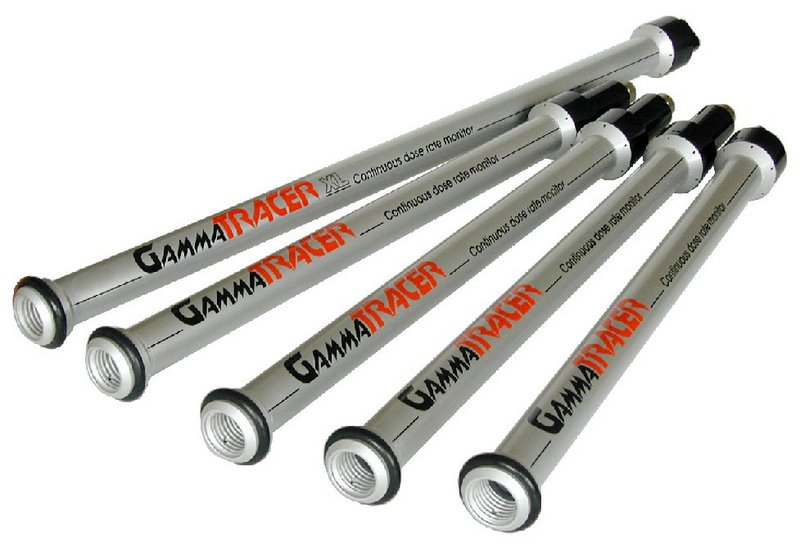
GammaTRACER is a standalone dosimeter (more precisely, a field probe) for continuous monitoring of environmental gamma radiation dose rate. Devices like this are installed at fixed stations (AASKRO/ASRM networks), temporary sites, and challenging locations without reliable power or internet, or where equipment must operate for years with minimal maintenance.
The key idea is simple: this device is not for “checking radiation near a mushroom in the woods.” It is for systematic monitoring, with a measurement log, telemetry, alarm thresholds, and proper metrology.

What it measures (and why it matters)
GammaTRACER measures the ambient dose equivalent rate H*(10) (energy-compensated gamma dose for the environment). This is the “right” quantity for environmental and perimeter monitoring, rather than just raw counter pulses.
XL2 versions use 2 or up to 3 independent Geiger-Muller counters: typically one or two for low levels (background radiation and small increases) and a separate channel for high levels, so the device does not become overwhelmed in an emergency.
Range and accuracy: from “near background” to “very serious”
The typical operating range for GammaTRACER XL2 is from 10 nSv/h to 10 Sv/h. This covers natural background radiation, major incidents, and operation in areas with elevated radiation fields. Energy and angular response are specified within the limits of the standard (IEC 60846-1:2009), while calibration accuracy is stated as <6% at lower levels and <15% at higher levels.
One important practical point: the device rewards consistency, not haste. Set the measurement cycle (from 1 min to 2 h), and it produces a quality data series that can be compared over time. For fast events and alarms, options such as Fast Response Mode are available (up to 1 s in some configurations).
Standalone operation: battery + solar power = an almost self-sufficient station
GammaTRACER is designed to operate “on its own”:
- built-in batteries (rechargeable or non-rechargeable, depending on configuration; typically 7.5 Ah, optionally 15 Ah);
- 12 V DC power available (optional);
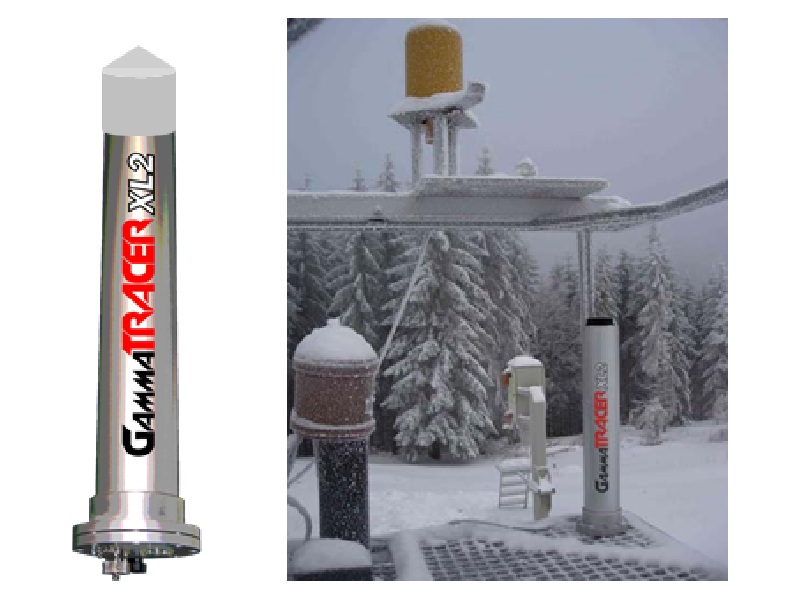
- optional/built-in solar power (the XL2 is described as having a 360° built-in solar panel), useful where cables are either absent or liable to be “helped” into disappearing quickly.
The solar panel also offers a security benefit: fewer external wires mean fewer opportunities for vandalism and “accidental” disconnections.
Data, memory, and connectivity: from a service port to 4G/radio/satellite
The device is not about a “little screen on the housing”; it is about data. It stores measurements in internal memory (up to 10 000 datasets in the XL2, depending on configuration) and can transmit them in several ways.
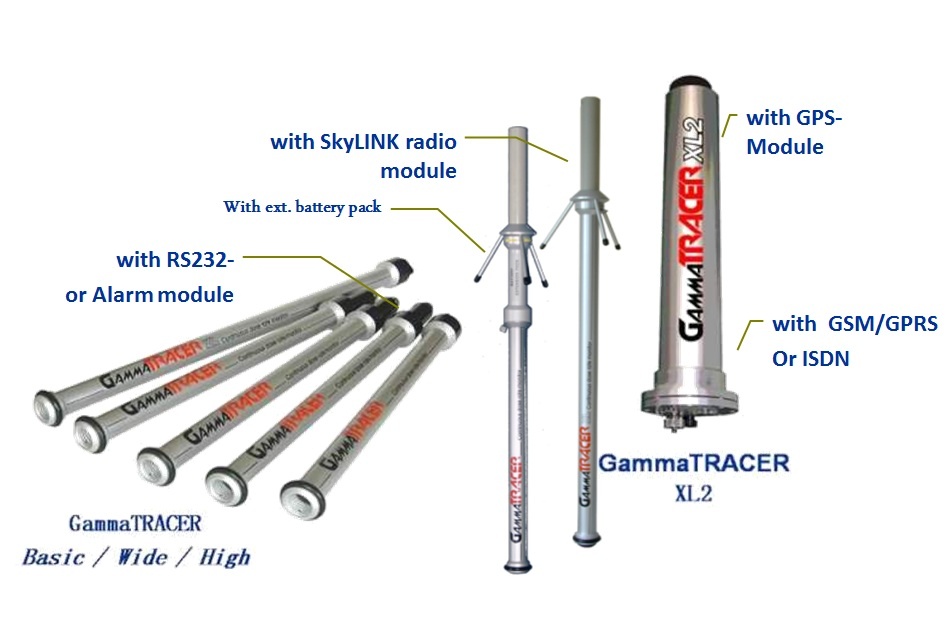
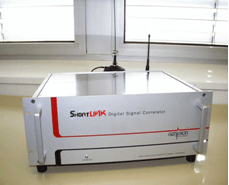
Local servicing typically uses an infrared interface, Bluetooth (low energy), or wired RS232/RS485. For online telemetry, optional modules include Ethernet/DSL, GSM/GPRS/3G/4G/LTE, radio links (ShortLINK/SkyLINK/LoRa), satellite communications, and GPS (optional).
DataEXPERT (a software and server ecosystem for collection, visualization, alarms, and reports) is often used for centralized operation. If you have an AASKRO network or your own SCADA system, it is essential to check protocol and module compatibility before purchasing.


Protection and “life in the field”: IP68, temperature, and condition monitoring
GammaTRACER is designed for harsh conditions, with a sealed housing (IP68) and a standard operating temperature range of -20…+50°C (optionally -40…+60°C). The housing is aluminum; the XL2 is described as having a special coating (nano paint) that reduces the adhesion of radioactive particles. It may sound like a small detail, but it makes a noticeable difference in real-world use.
Built-in sensors monitor temperature, humidity, and motion/impact. There is also an internal quality assurance (QA) system that monitors counter condition (wear/aging, high-voltage parameters, etc.). This is useful for an AASKRO network: you can see not only the “background reading” but also the condition of the station itself.
What to check before buying (to avoid surprises later)
- Which version and number of channels you need: XL2-2 or XL2-3, and which interfaces and communication modules are installed.
- Whether GPS is needed, the transmission frequency (10 min, 60 min, etc.), and how it will affect battery life.
- How you plan to collect data: DataEXPERT or your own system (protocols, gateways, encryption).
- Metrology: calibration and the availability of verification/certification for your application and country of operation.
Official resources (if you want to dig deeper)
A description of the GammaTRACER series is available on the manufacturer's Bertin Technologies page, and the XL2 technical specifications are in the GammaTRACER XL2 PDF datasheet.


