Gamma radiation detectors

Ecotest BDBG-09 Gamma Radiation Detector
Price on request

Ecotest BDBG-09 Smart Gamma Radiation Detection Module
Price on request
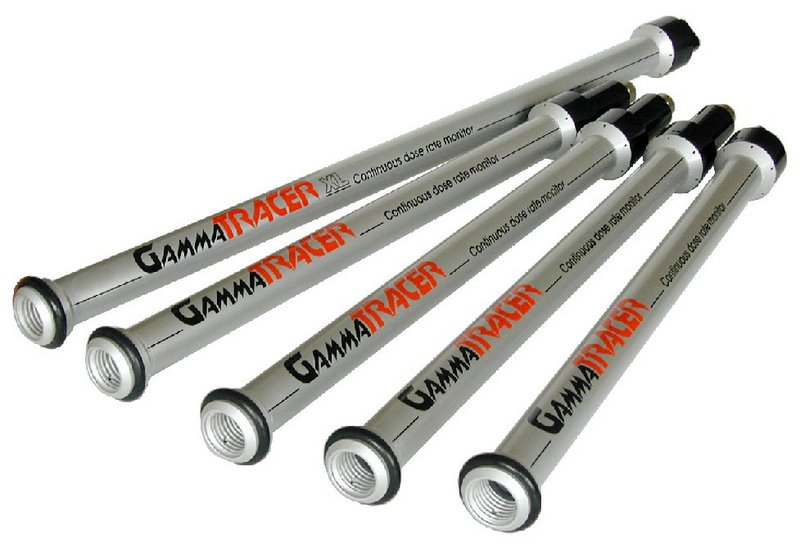
Saphymo GammaTRACER Dosimeter
Price on request

Ecotest BDBG-15S Gamma Radiation Detection Unit
Price on request
How to choose
Gamma radiation detectors are used to monitor background radiation, dose rate, and accumulated dose in locations where continuous or regular checks are important. This category includes both standalone devices and modules for integration into a monitoring system, so before buying, it is worth understanding exactly how you will take readings and transmit data.
What is being measured
First, check exactly which measured parameters the model supports. Specifications in this category include gamma radiation, X-ray radiation, and radiation dose rate, so it is important not to confuse simply detecting radiation with measuring a specific quantity.
Also pay attention to the units in which the result is provided. The catalog lists µSv/h, Sv/h, and Sv, while displayed quantities include equivalent dose. If you need to monitor the current background level, dose rate will be more important; if you need to collect data over a long period, equivalent dose will be more relevant.
Measurement range and accuracy
The dose rate measurement range shows whether the detector can handle both low background levels and higher values if they are possible in your use case. If not only the current level but also accumulation over a shift, a day, or a longer period matters to you, also check the accumulated dose measurement range.
Accuracy is just as important. For dose rate, this category includes maximum error values from 15 to 65%, and the rule is simple: the lower the value, the more predictable the result. For long-term recordkeeping tasks, also check the accumulated dose accuracy if it is specified.
Product format and detector
The product type helps you understand how you will use the equipment. A module is usually more convenient for integration into another system, while a device is better when you need a ready-to-use solution without additional design work.
Sensor / detector technology and the measurement method affect how the instrument operates. The catalog includes solutions based on a Geiger-Muller counter and scintillation, while the measurement method is listed as pulse counting. If you need to read data directly on site, be sure to check the display type, because this category includes versions without a display.
Power and standalone operation
The choice of power source directly depends on the installation location. This category includes models with a rechargeable battery, replaceable batteries, external DC power, and solar power support. This matters if the detector will be installed in a hard-to-reach location or needs to operate without frequent maintenance.
For fixed installations, check the external supply voltage range, and for standalone use, check the continuous operation time. This will help you immediately understand whether a model is suitable for short field trips, continuous monitoring, or extended operation without replacing the power source.
Connection and data transmission
If the detector needs to operate as part of a monitoring system rather than on its own, the main question is how you will retrieve the data. Specifications include RS-485, RS-232, Bluetooth, and an infrared interface, so the choice depends on whether you need a wired connection, wireless communication, or compatibility with existing infrastructure.
For remote sites, it is useful to check the software and remote telemetry options right away. The catalog mentions a configuration utility, while optional data transmission modules include 3G, 4G/LTE, DSL, Ethernet, GSM/GPRS, LoRa, a proprietary radio channel, and satellite communication. If data is transmitted externally, also pay attention to data transmission security features, including a secure channel and encryption.
Operating conditions and service life
If the detector will operate outdoors, in a utility room, or at a permanent monitoring station, check the enclosure protection and permitted temperature. This category includes IP65, IP67, and IP68, which help indicate how suitable a model is for dust, precipitation, and more demanding conditions.
For unattended or hard-to-reach locations, self-testing is useful. Specifications include a continuous self-test type, and the stated service life in the catalog is 10 years. This is important if you are installing the device for a long time and do not want to take it out of service frequently for checks.
Tips
- First decide whether you need a ready-to-use device or a module for integration into an existing monitoring system.
- When comparing models, look not only at the measurement range but also at the maximum DER error: a lower value is usually more convenient for practical monitoring.
- If the detector will be installed at a remote station, immediately check the power source, solar power support, and data transmission method.
- For outdoor or industrial sites, choose based on the IP rating, operating temperature, and the availability of continuous self-testing.