Sound level meters
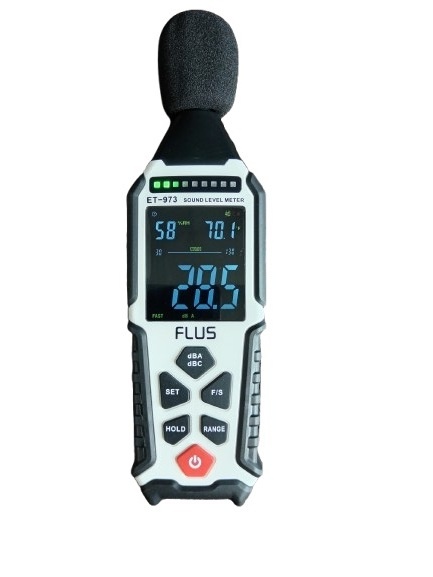
Flus ET-973
3099 ₴

Scarlet ST-12d
105999 ₴
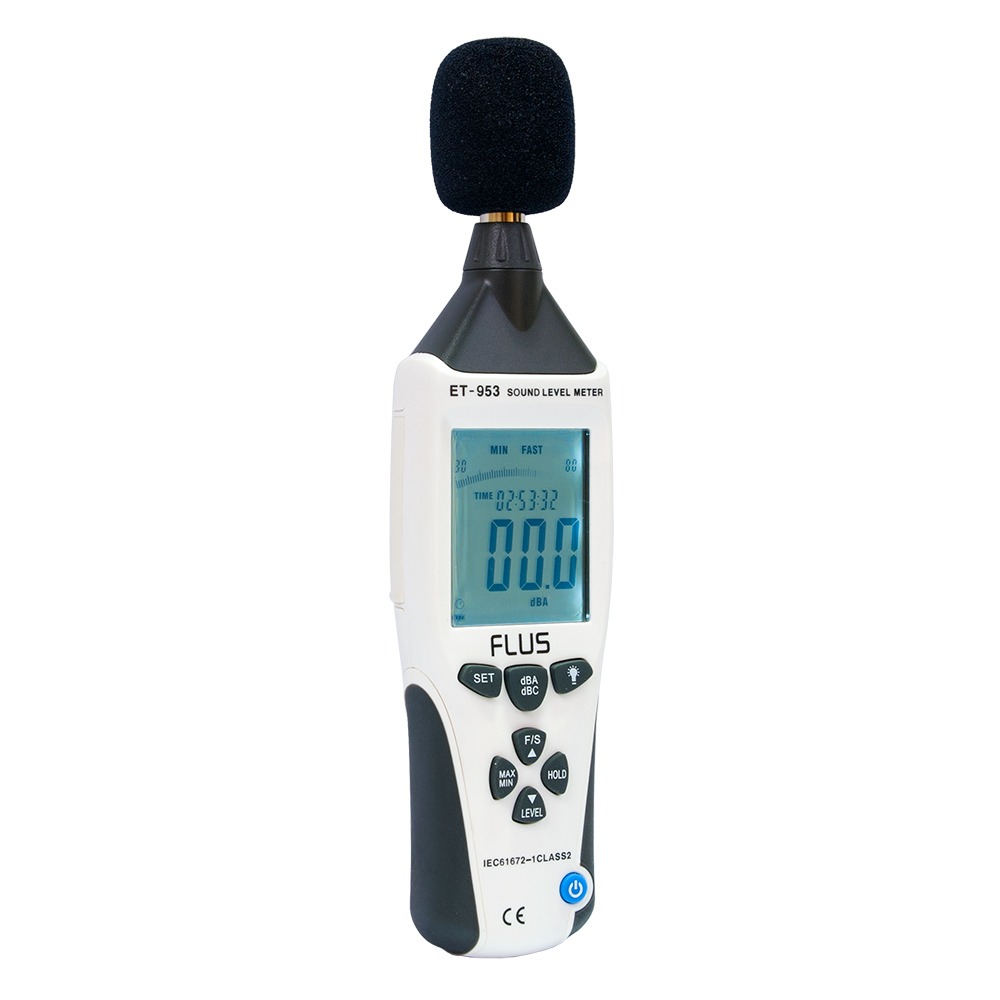
ET-953
4199 ₴
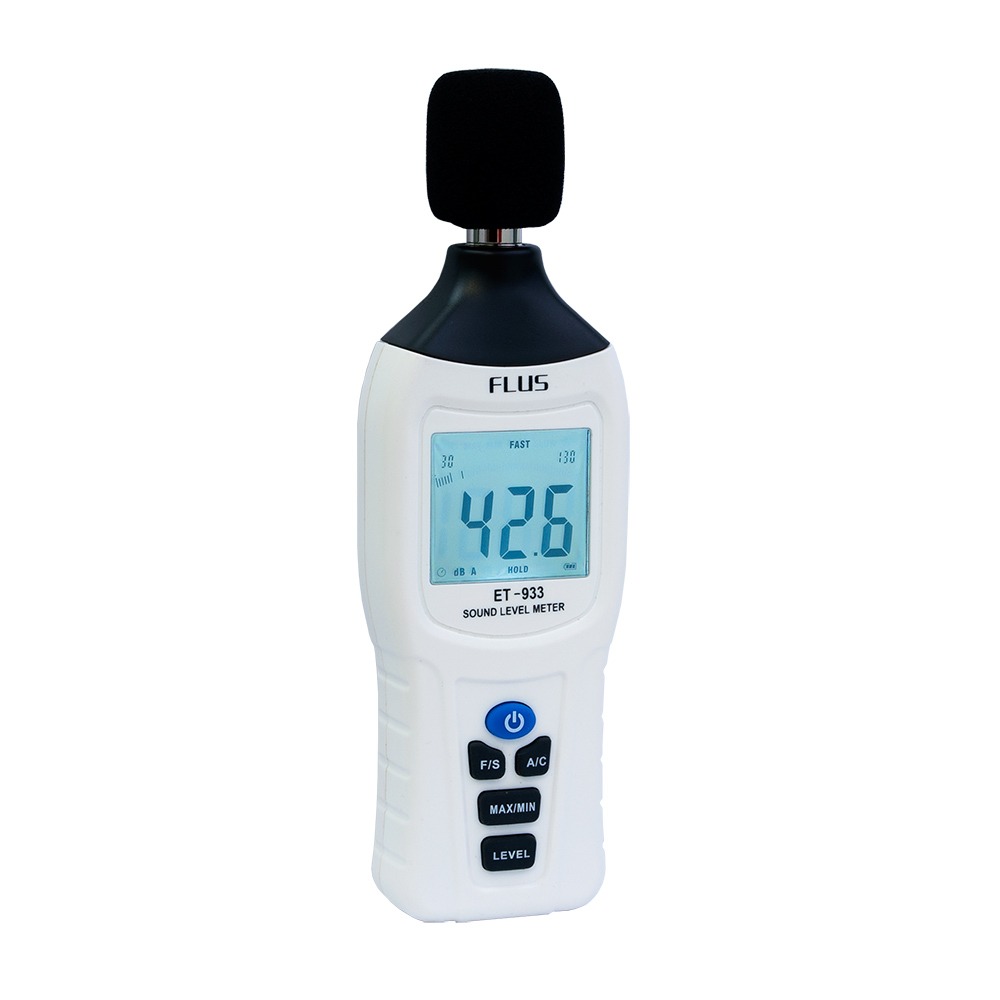
Flus ET-933
2499 ₴
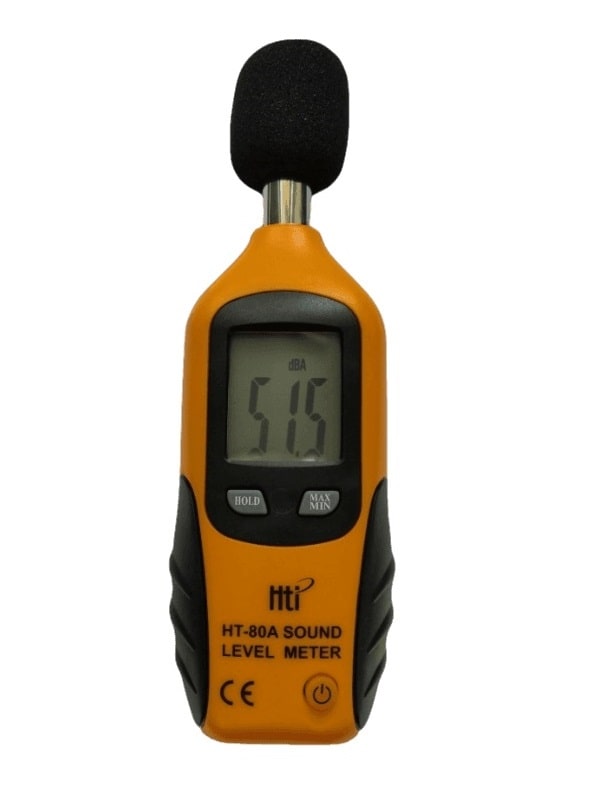
Xintest HT-80A
799 ₴
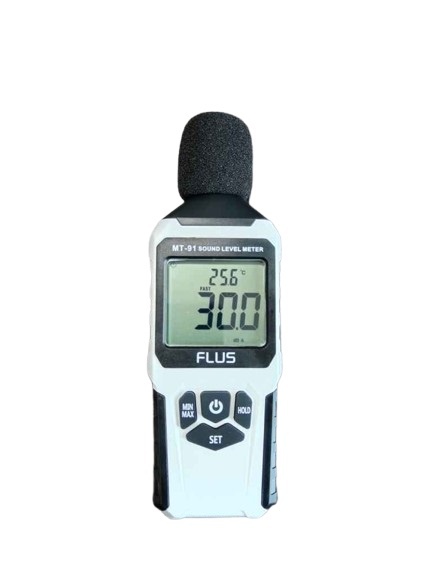
Flus MT-91
1299 ₴
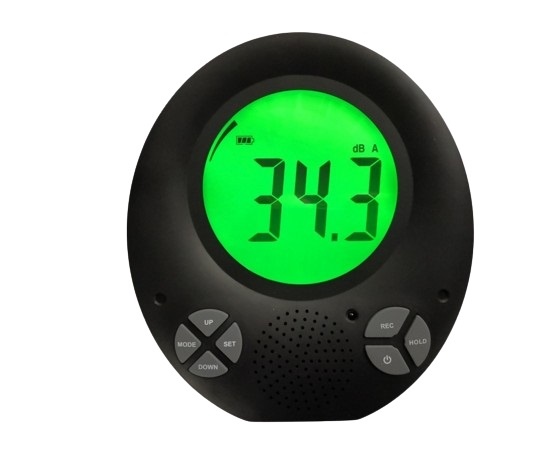
Flus ET-968
3699 ₴
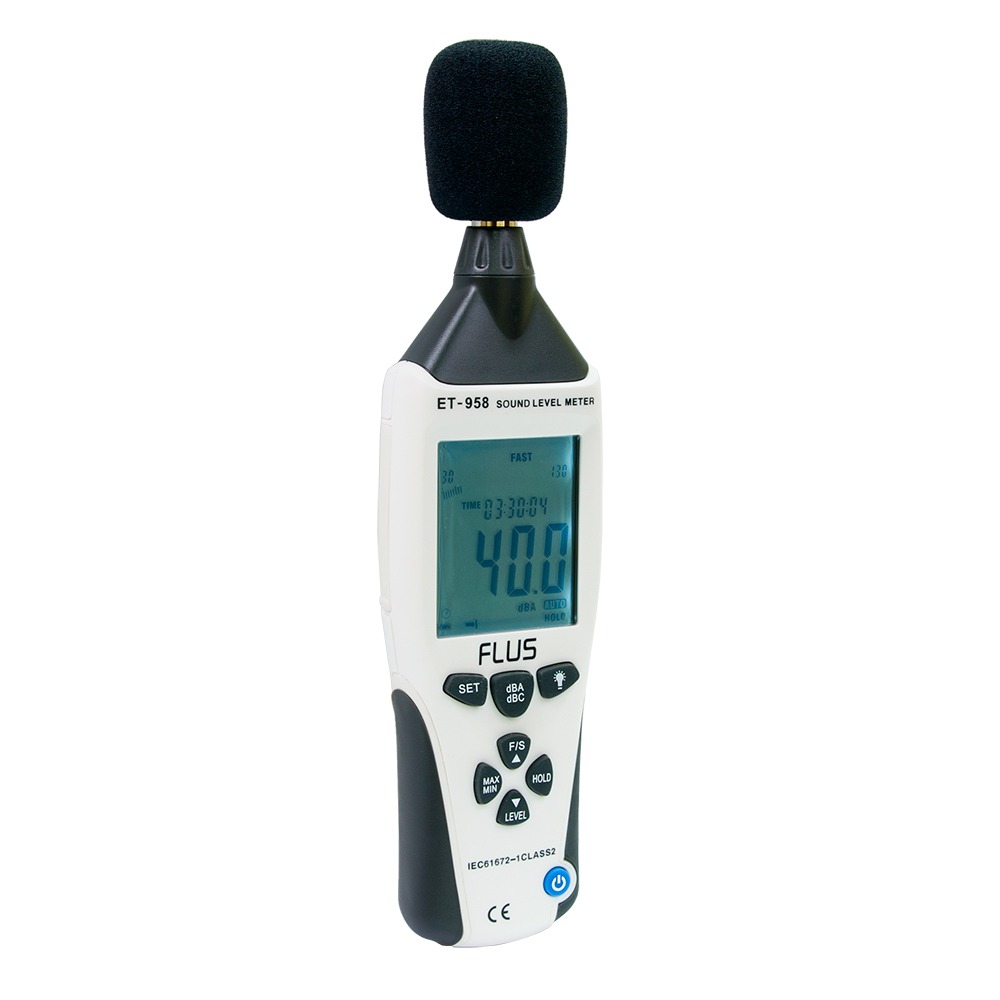
Flus ET-958
6999 ₴
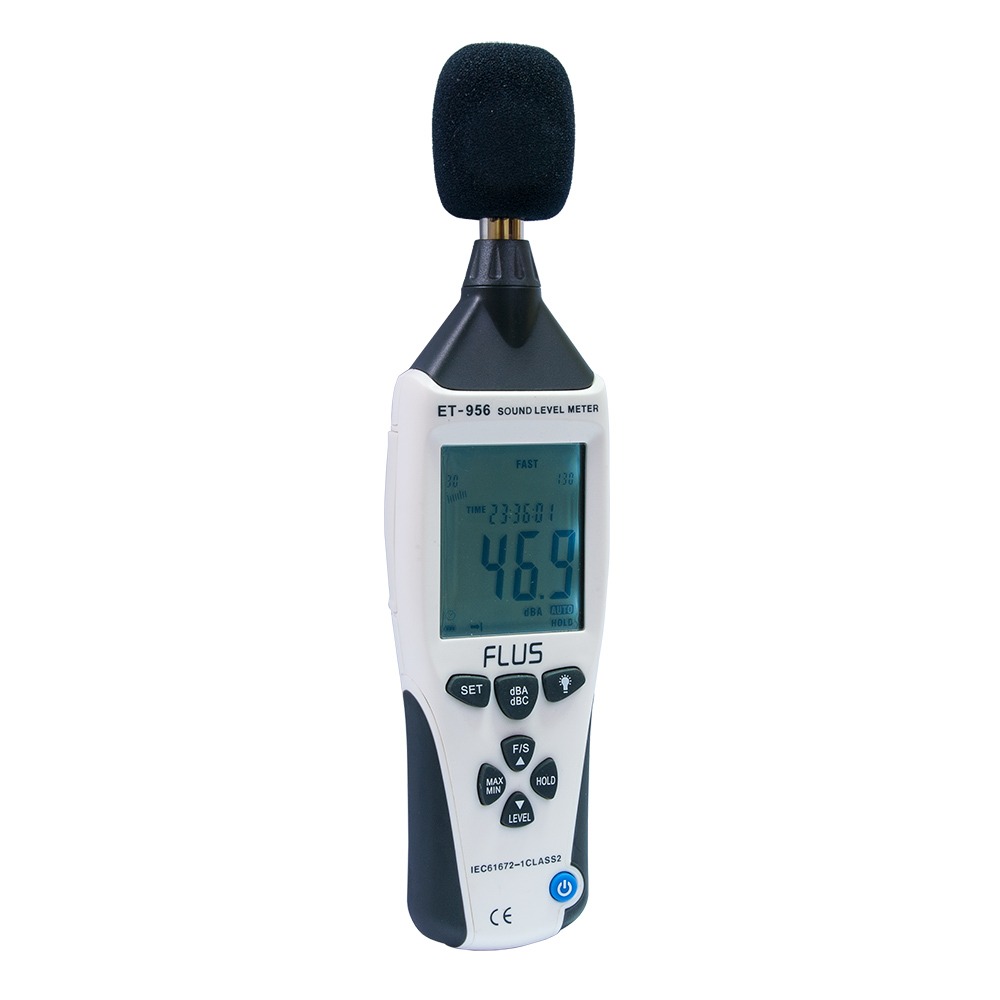
Flus ET-956
6699 ₴
How to choose
A sound level meter is used to monitor sound levels at home, in the office, in production settings, or during technical inspections. To choose a suitable device, consider not only whether it measures noise, but also its accuracy, operating modes, microphone type, and power convenience. These parameters determine how convenient the device will be to use in your conditions.
What sounds and conditions you will measure
First, pay attention to which parameters the device measures and its sound level measurement range. For a sound level meter, the key question is simple: does its operating range cover the noise levels you actually encounter at home, at work, or while checking equipment?
The frequency measurement range is just as important. It affects how accurately the device works with sounds of different characteristics, from lower to higher frequencies. If you plan to measure not only overall room noise but also sound from equipment, ventilation, or tools, check this parameter especially carefully.
Accuracy and confidence in the result
If you need more than approximate numbers and want readings you can rely on, look at the compliance standard / class, sound level accuracy, sound level resolution, and dynamic range. The catalog lists Class 2 according to IEC 61672-1, which is an important reference point for understanding the device's level.
The stated accuracy is ±1.4 dB, and the sound level resolution is 0.1 dB. This means the readings will be detailed enough to monitor changes in noise levels. A dynamic range of 50 dB is also worth considering if you plan to work in conditions where volume may change noticeably.
Measurement modes for different scenarios
A sound level meter becomes much more useful when it has different sound weighting and time weighting modes. The catalog lists A and C frequency weighting. In practice, this lets you better adapt measurements to the type of noise and the way you want to evaluate sound.
FAST and SLOW modes are also available, and the data update interval is 500 ms. A faster response is more convenient for changing noise, while slower smoothing is often more comfortable for a steadier background. Additional HOLD, MAX, MIN, and HI/LO indicator functions help record readings, see peak and minimum values, and notice more quickly when the required level is exceeded.
Microphone and sound sensitivity
Sound capture quality depends on the microphone and sensor / detector technology. The catalog lists an electret condenser as the sensor technology and an electret condenser microphone type. For the buyer, this primarily means a specialized solution specifically for acoustic measurements.
You can also consider the 1/2-inch microphone size and 12.7 mm microphone diameter. These parameters are useful to know if compatibility with accessories, measurement conditions, or understanding how much the device is designed for a standard sound measurement format matters to you.
Power and readiness for on-site work
Before buying, it is important to understand how the sound level meter is powered and how convenient it will be to use not only at a desk but also in the field. The catalog lists USB power, replaceable batteries, and mains power as power sources. Compare this with your scenarios: indoor work, on-site inspections, or occasional measurements in different locations.
If portability matters to you, check the battery size and number of batteries. Here, the battery size is listed as 9V and the number of batteries as 1, while the low battery indicator is also an important separate parameter. This small detail is especially useful when you need to avoid interrupting a measurement at an inconvenient moment.
Convenience in everyday use
When a sound level meter is used regularly, convenience matters as much as the numbers. Backlight helps you work in low light, while auto power-off is useful for saving power if you often forget to turn the device off manually.
It is also worth considering the weight and what is included in the package. A weight of 258 g does not seem excessive for handheld use, and having a USB cable, batteries, and other accessories included can save time after purchase and let you get started sooner.
Tips
- For home and office checks, A-weighting and SLOW mode are convenient.
- If you need to catch brief noise spikes, pay attention to FAST and the MAX function.
- For regular measurements, it is important to check the compliance class, ±1.4 dB accuracy, and 0.1 dB resolution.
- Before going on-site, confirm the power source, 9V battery, number of batteries, and presence of a low battery indicator.