Grain moisture meters
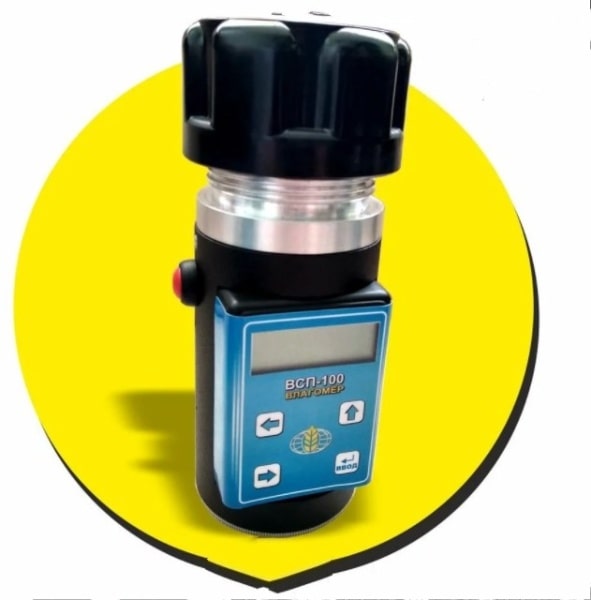
Agrolix VSP-100 Grain Moisture Meter (Wile-55 equivalent)
9599 ₴
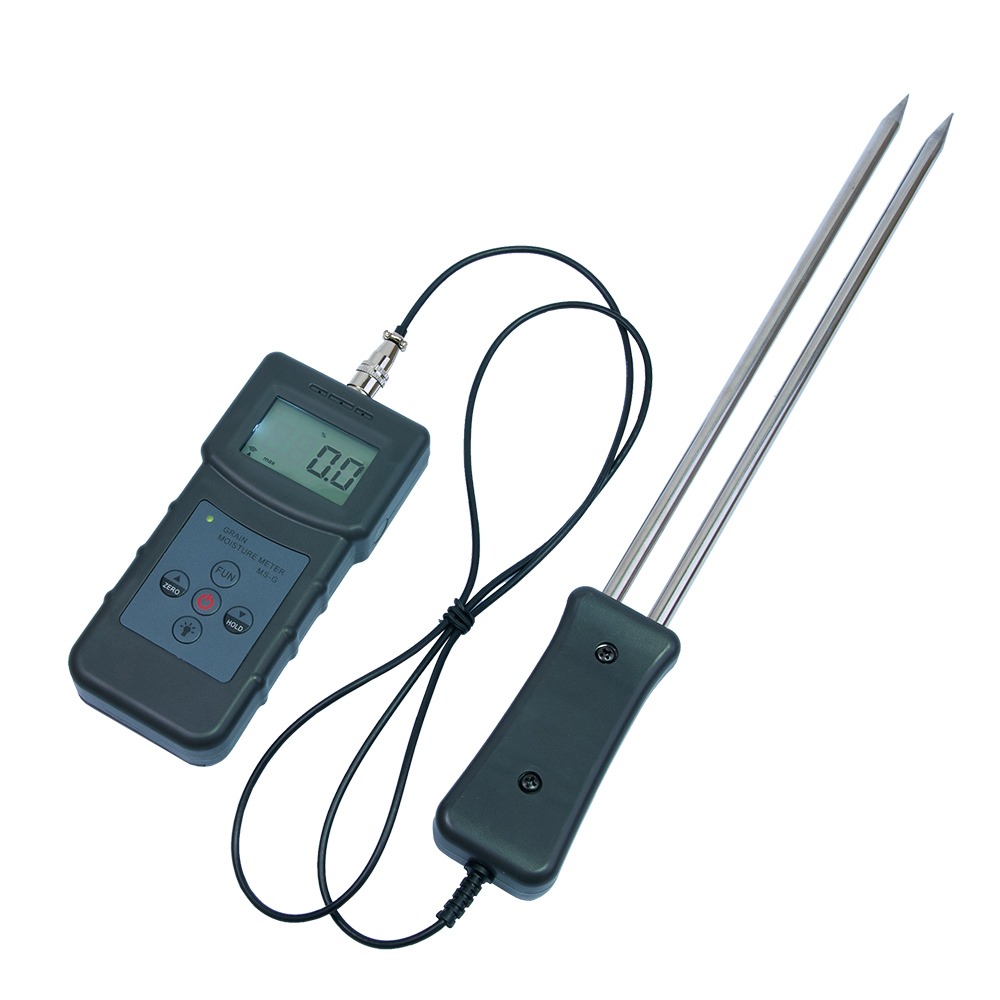
MS-G Grain Moisture Meter (36 crops)
5599 ₴
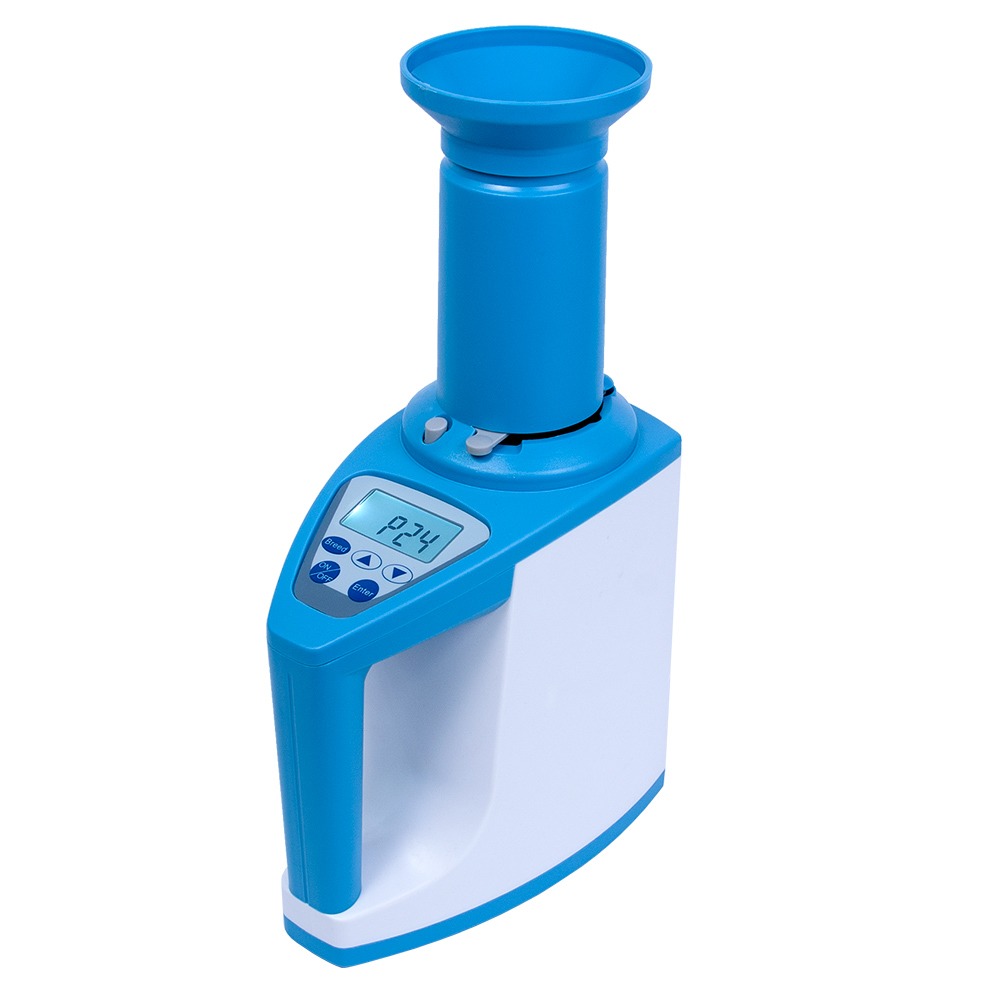
LDS-1G
9599 ₴
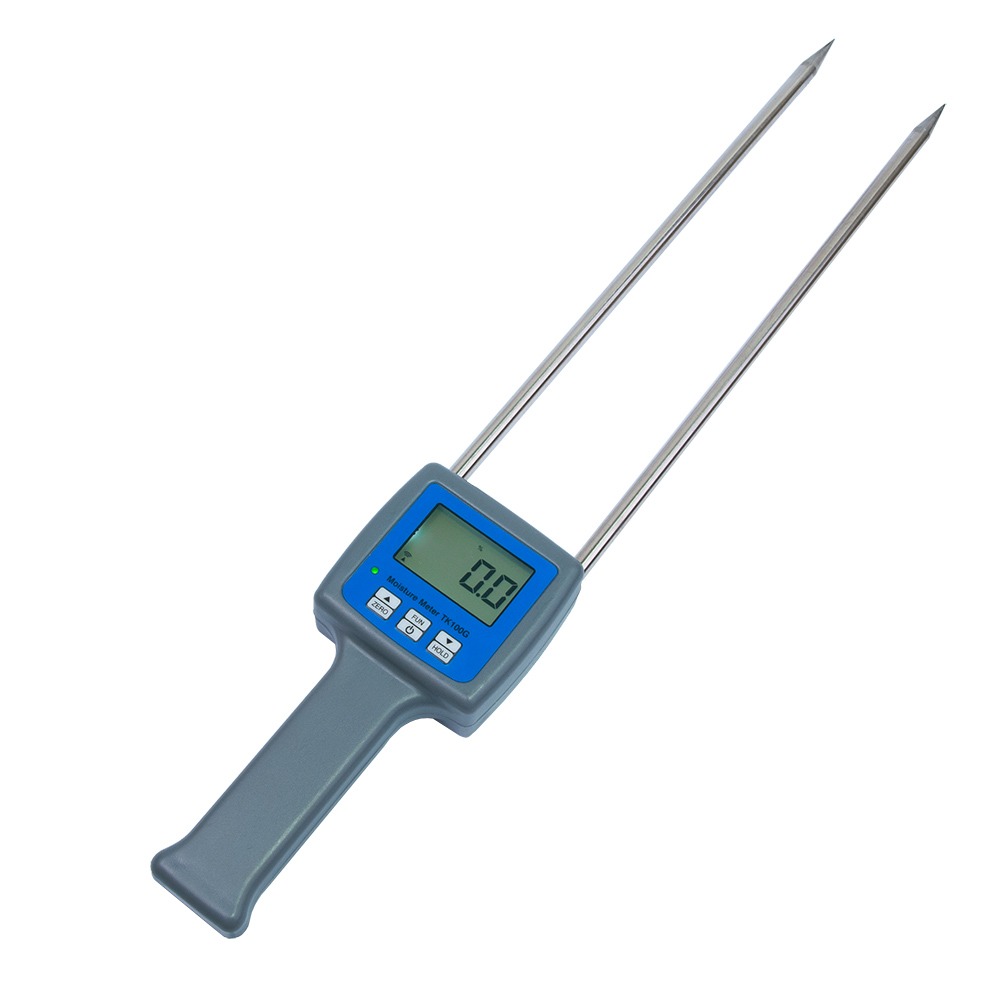
TK-100 Probe Grain Moisture Meter
from 3099 ₴
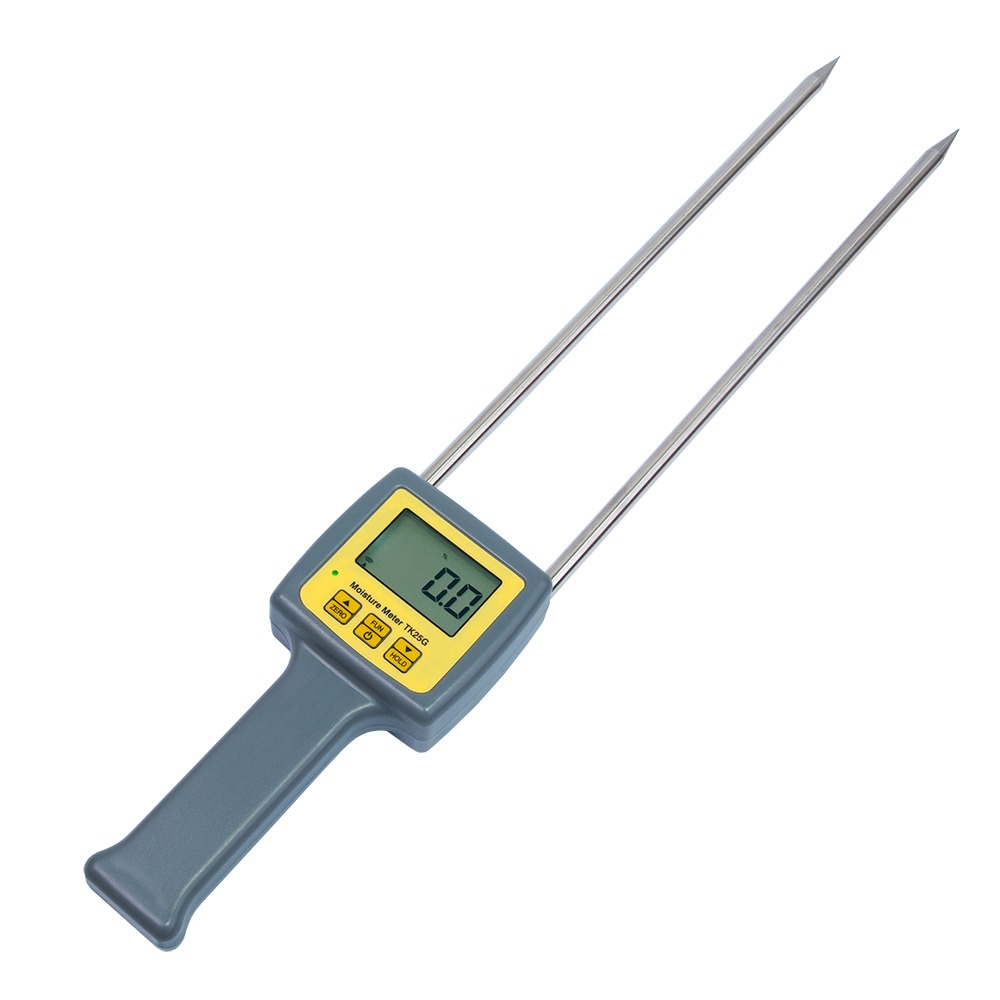
TK-25G
4099 ₴
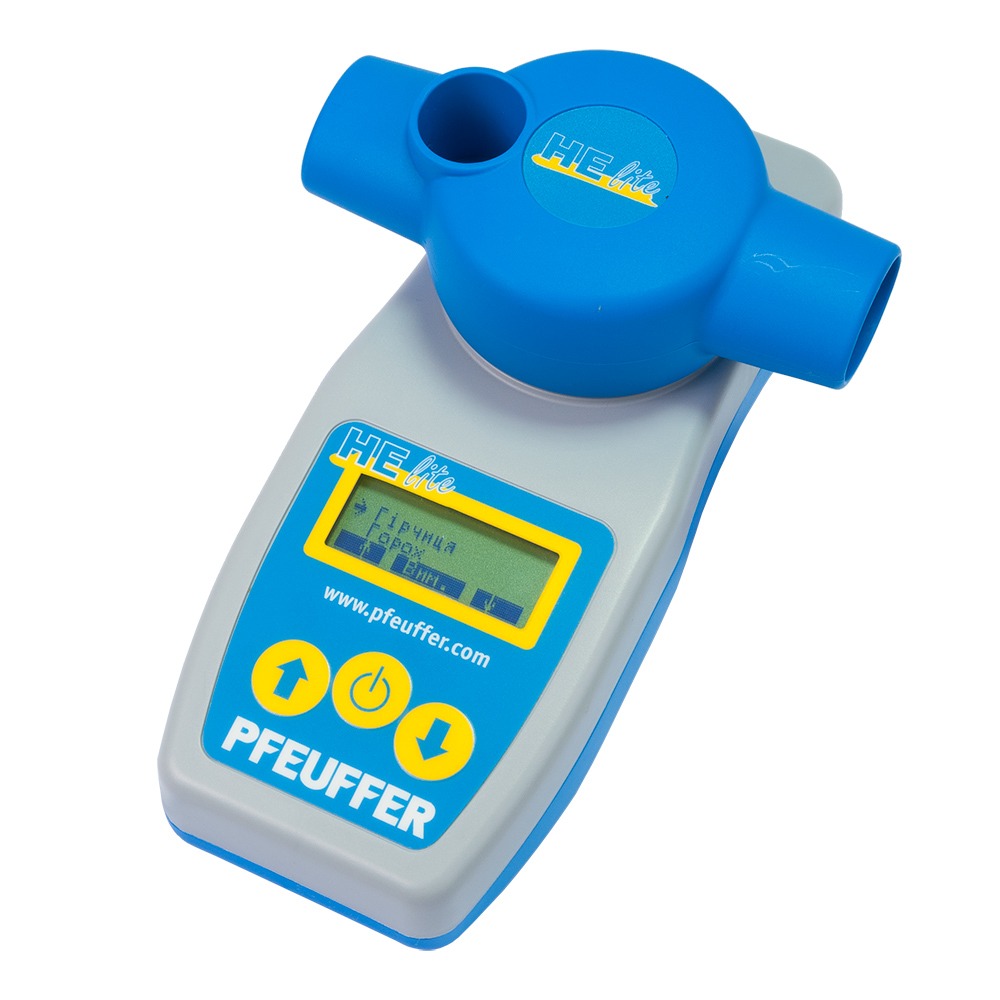
Pfeuffer He Lite Grain Moisture Meter
23999 ₴
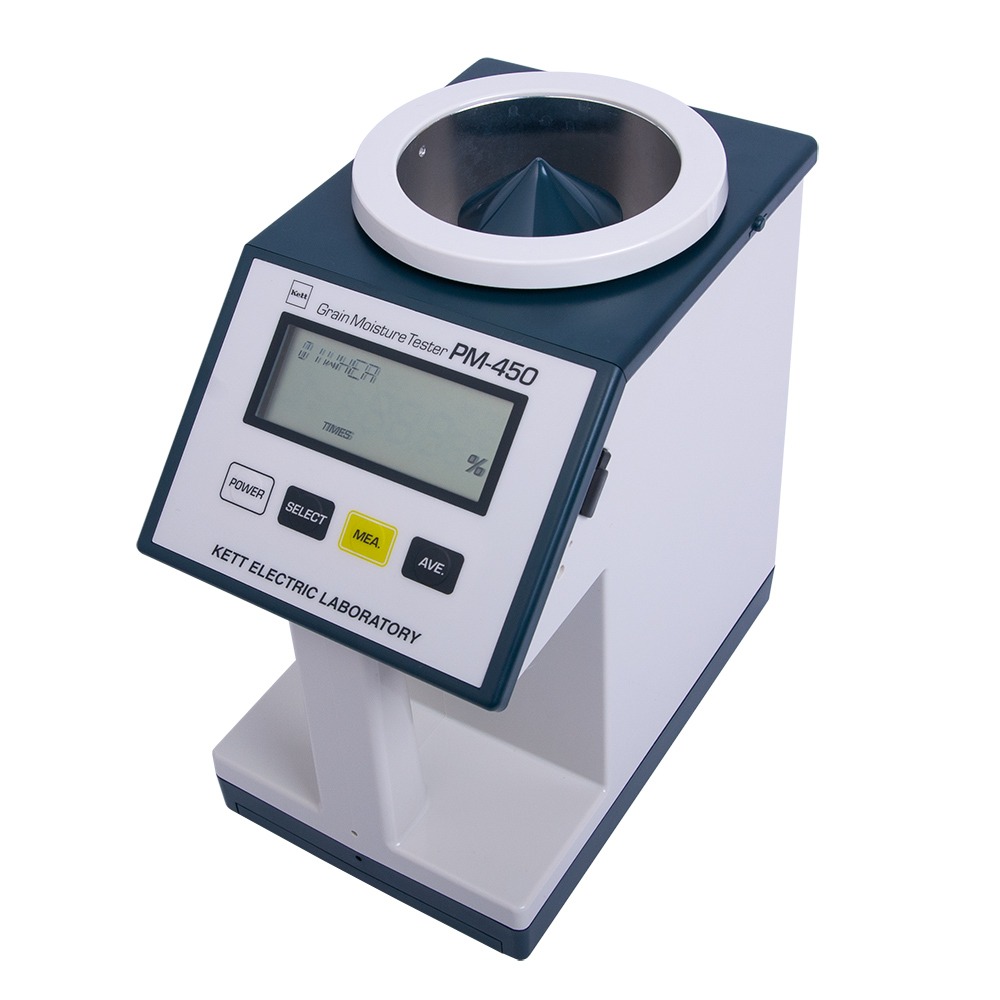
KETT PM-450 Grain Moisture Meter with Scales
23999 ₴
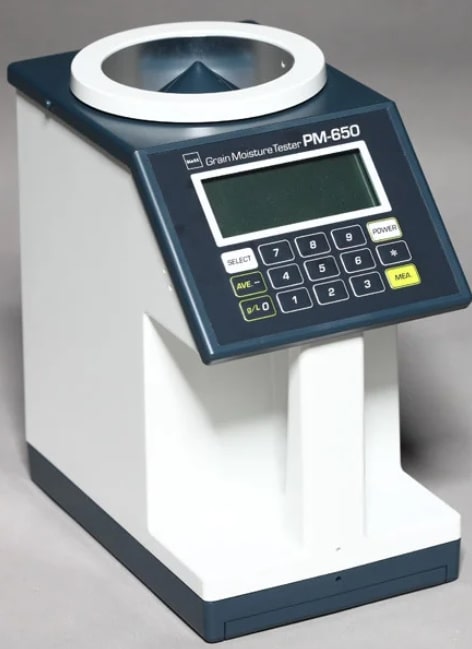
KETT PM-650 Grain Moisture Meter
46999 ₴
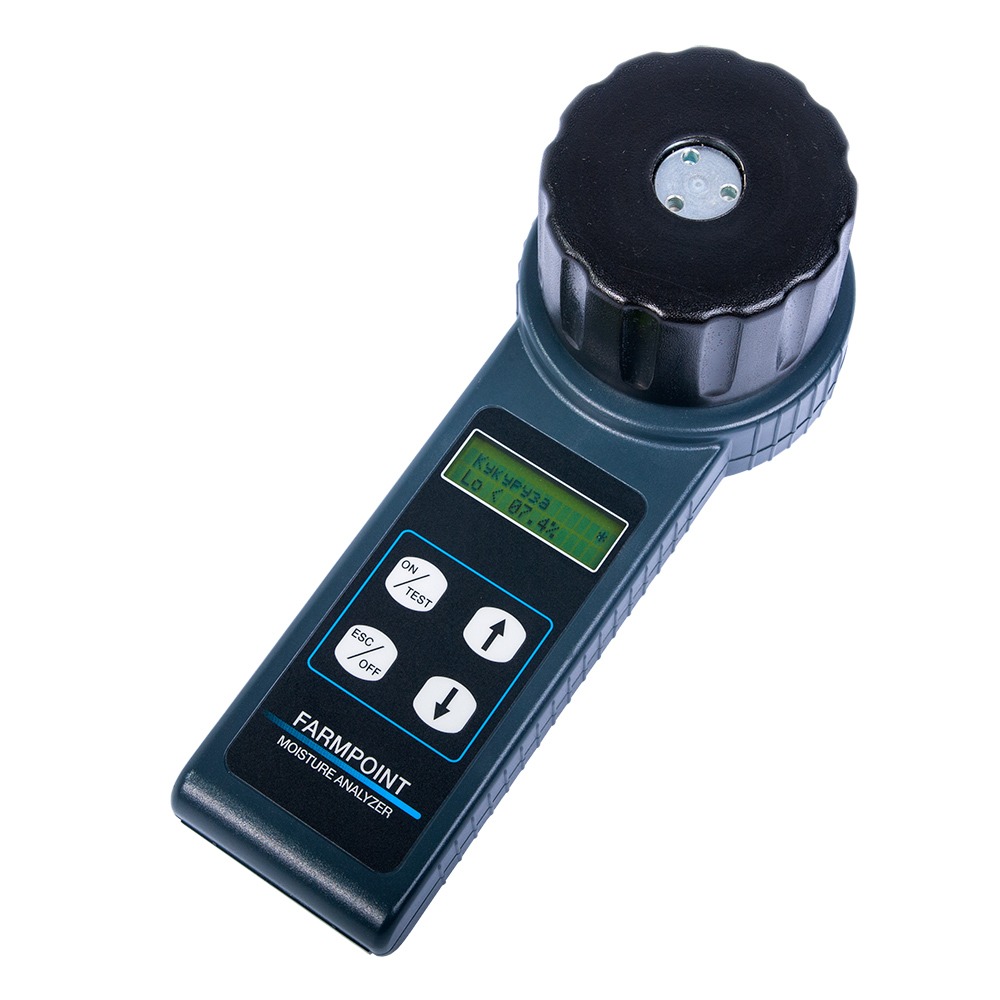
Farmpoint Grain Moisture Meter
17599 ₴
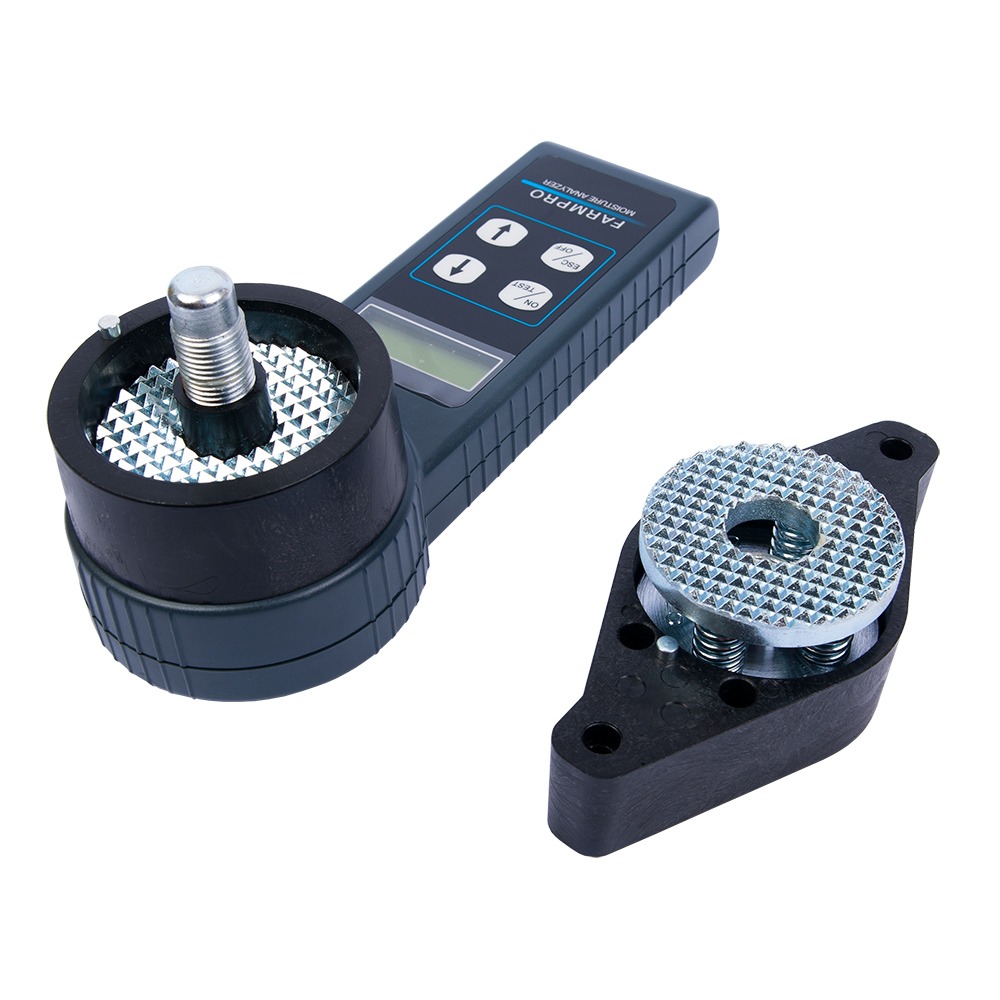
Farmpro Grain Moisture Meter
24999 ₴
How to choose
A grain moisture meter helps you quickly check moisture before storage, drying, or sale. When choosing one, consider not only the measurement itself, but also the crop list, sample preparation method, and calibration options for your conditions.
Crops and measurement tasks
First, determine which grain or seeds you will be testing. For these devices, it is important whether they have built-in calibrations for the specific crops you need, since this affects how relevant the results are in real use.
The catalog's supported crops include Corn, Wheat, Rapeseed, Sunflower, Barley, Rye, Oats, and Soybeans. If you work with several crops during the season, it is more convenient to choose a model that already includes the needed items in its calibration list rather than relying on a universal mode.
How measurement is performed
The measurement method affects both working speed and result repeatability. Check whether the sample needs to be weighed separately, whether there is a built-in scale, and whether sample compression during measurement is provided.
A built-in grinder or milling chamber can be useful if more standardized sample preparation is important to you. This is especially relevant when differences in grain condition require more consistent readings from batch to batch.
Range, resolution, and accuracy
Compare the general moisture measurement range with the conditions in which you actually work: after harvesting, during drying, or before long-term storage. The better the range covers your typical values, the lower the risk that the device will be inconvenient for some seasonal tasks.
Moisture resolution shows the smallest increment at which the result is displayed, while typical moisture accuracy helps you understand how close it will be to the reference value. Also check the allowed sample temperature range if grain is often measured immediately after drying or arrives very cold.
Calibration for your crop
If you compare readings with a laboratory, grain elevator, or a particular buyer's requirements, adjustment options are very important. Check whether the device supports user calibration, custom crop scale creation, and manual reading offset adjustment.
Updatable crop scales are useful when the crop list or sales market changes. These options are especially relevant for farms and receiving points where one device is used for different batches and crops.
Convenience in everyday use
For regular use, it is important how the device is powered and how easy the readings are to see. The display type and backlight affect comfort when working indoors, in a warehouse, or in the field under low light.
Consider data interfaces if you plan to transfer results to other devices or keep electronic records. If measurements are taken only occasionally, a simpler option will be enough, but for ongoing work, connection convenience and screen readability quickly become noticeable advantages.
Tips
- Choose a model for the specific crops you actually work with, not just for the general term "grain."
- If you plan to compare results with laboratory readings, check the calibration and manual adjustment options right away.
- For field work, devices with built-in scales and a display backlight are more convenient.
- When grain is often measured hot after drying or cold from storage, do not overlook the allowed sample temperature range.