Light meters
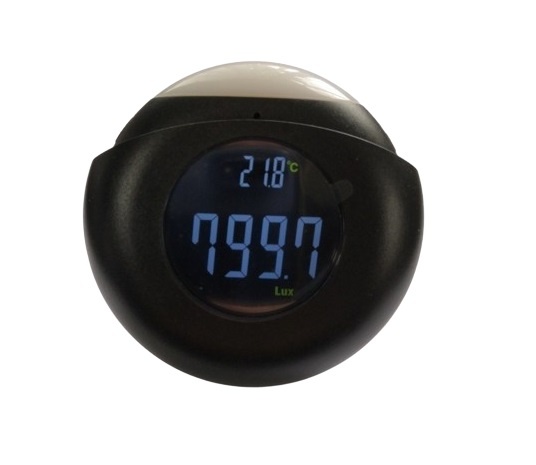
FLUS MT-92
999 ₴
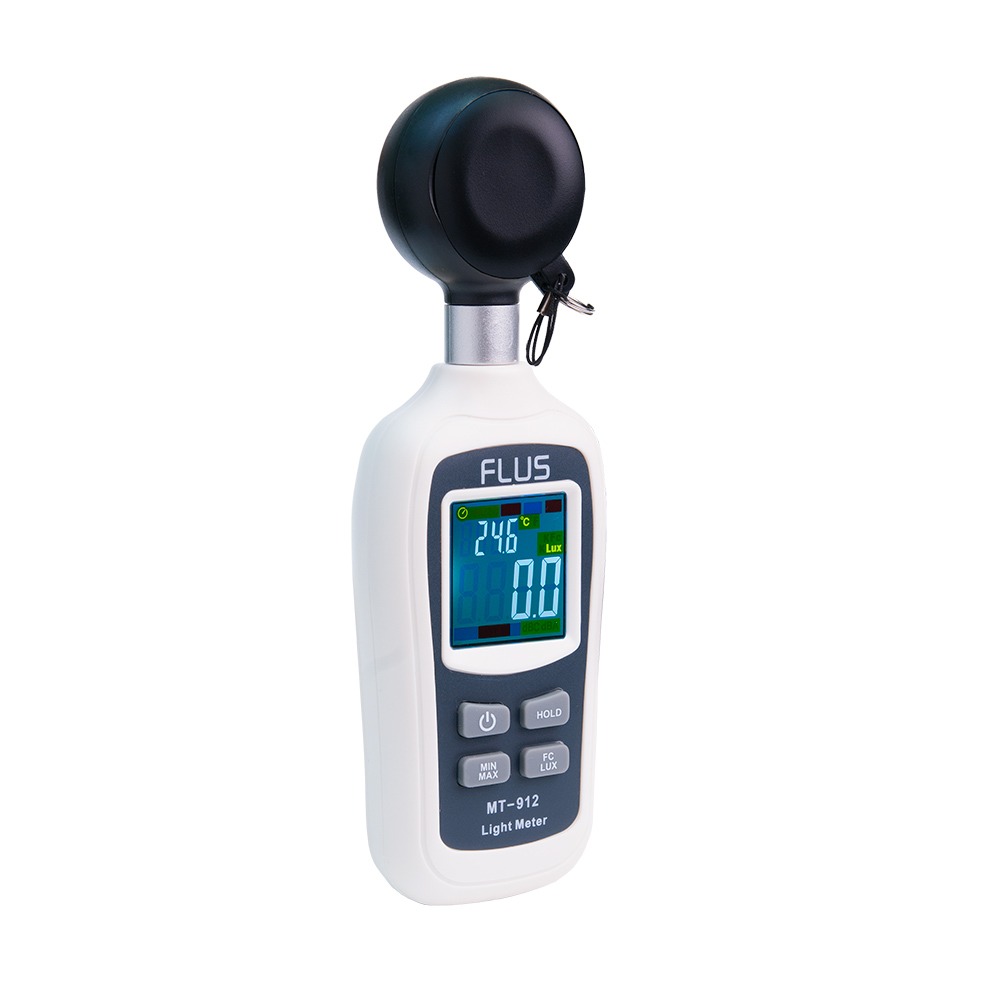
MT-912 FLUS
1299 ₴
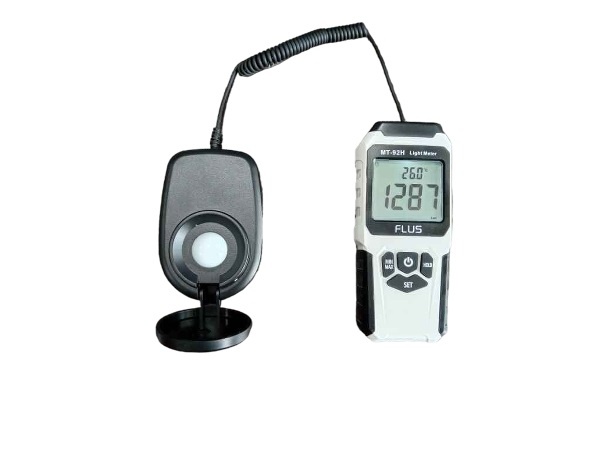
Flus MT-92H
1099 ₴
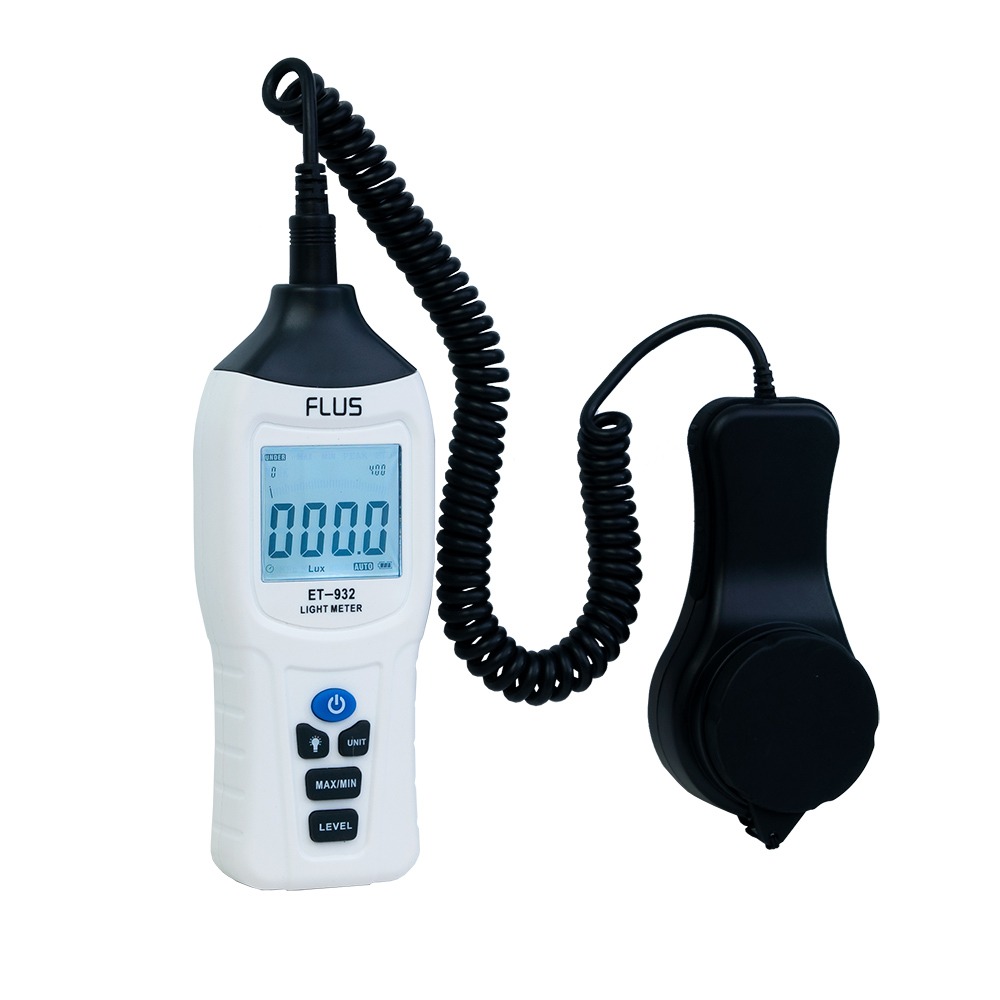
Flus ET-932
2099 ₴
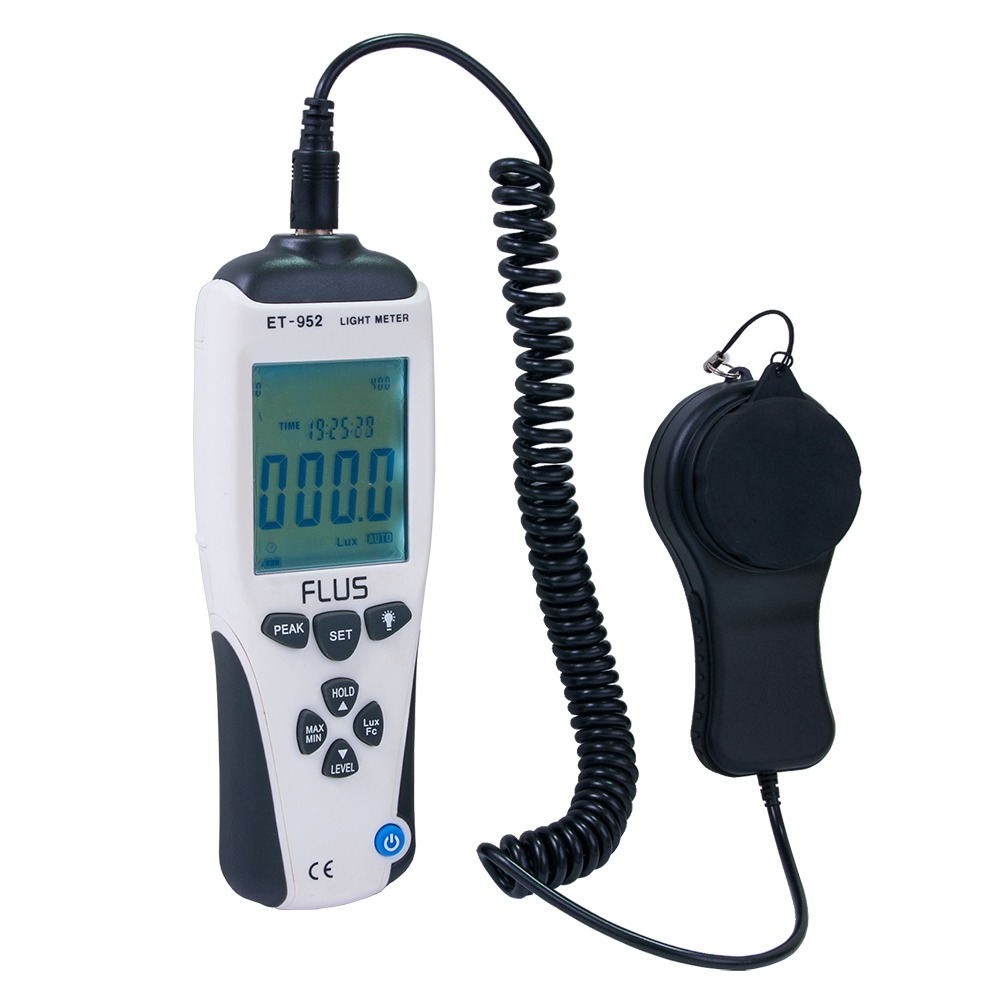
Flus ET-952
4399 ₴
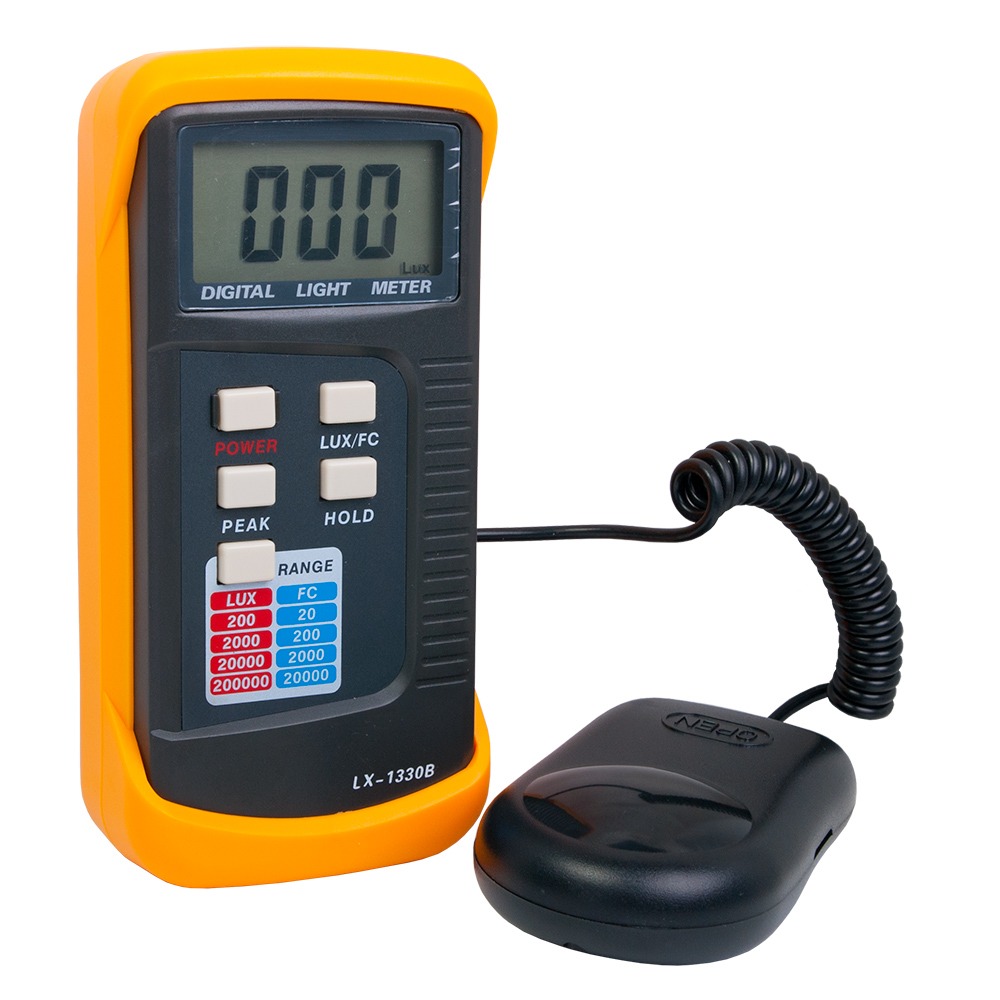
WALCOM LX-1330B Light Meter
2399 ₴

WALCOM LX-1010BS 100,000 Lux Light Meter with External Sensor
999 ₴
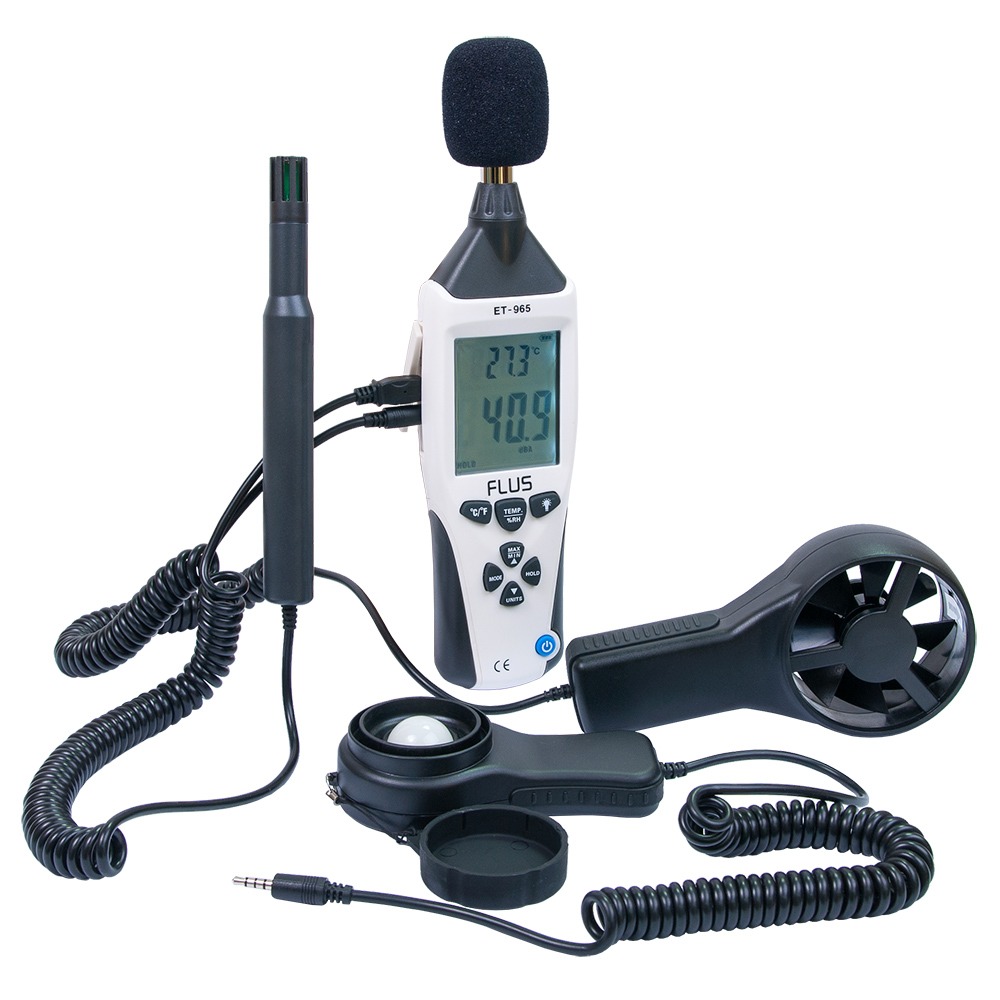
Flus ET-965
7299 ₴
How to choose
A light meter is needed when you need to check the illuminance level in a room, at a workstation, or during technical measurements. This category includes devices specifically for measuring illuminance, so when choosing one, consider the measurement range, power source, and ease of everyday use.
Measurement range and method
First, make sure the device measures lux or illuminance. For such models, the catalog also lists the measurement method as direct detection, meaning the device reads illuminance without additional indirect calculations, which is convenient for quickly checking lighting conditions.
Also pay attention to the illuminance measurement range. The category includes models with a range of up to 100000, so for different situations, from ordinary rooms to very bright lighting, it is worth choosing a device with some extra range so you do not reach the upper limit.
Power without unnecessary hassle
The catalog includes light meters with replaceable batteries and AC power. If you need the device for on-site visits, checks in different rooms, or work where there is no outlet nearby, a battery-powered option will be more convenient. For a permanent place of use, you can also consider AC power.
For battery-powered models, it is useful to check the battery size and number of batteries. The category includes models powered by one 9 V battery. Auto power-off is also a practical feature, as it helps avoid wasting battery power if the device is often left on between measurements.
Display and controls
For everyday work, it is important how easy it is to read the measurements. These light meters use an LCD display, a familiar format that makes it easy to see the result quickly without extra learning.
If measurements are taken in dim rooms, hallways, technical areas, or in the evening, display backlight will be useful. Button controls are also a plus for those who want a simple, easy-to-understand device. A low battery indicator will help you avoid missing the time to replace the battery, so you do not get inaccurate readings or an unexpected shutdown while working.
Operating conditions and portability
If you need a light meter not only for an office or home, but also for a warehouse, production facility, or on-site checks, compare the acceptable operating conditions. First of all, these are the operating temperature range and operating humidity range, as they will show whether a particular model is suitable for your environment.
For those who will carry the device often, dimensions and weight matter. In the catalog, model weights range from 200 to 568 g, so the difference can be noticeable with regular carrying, even if it is not critical for stationary use.
Tips
- For versatile use, choose a light meter with a wider measurement range so it is suitable for both low and very bright lighting.
- If you often work in different locations, look for models with a replaceable battery, low weight, and auto power-off.
- For dark rooms, a device with display backlight is more practical, so you do not need to light the screen separately with a phone or flashlight.
- Before buying, check the operating temperature and humidity if you plan to use the light meter in a warehouse, workshop, or unheated rooms.