Radon and thoron monitors
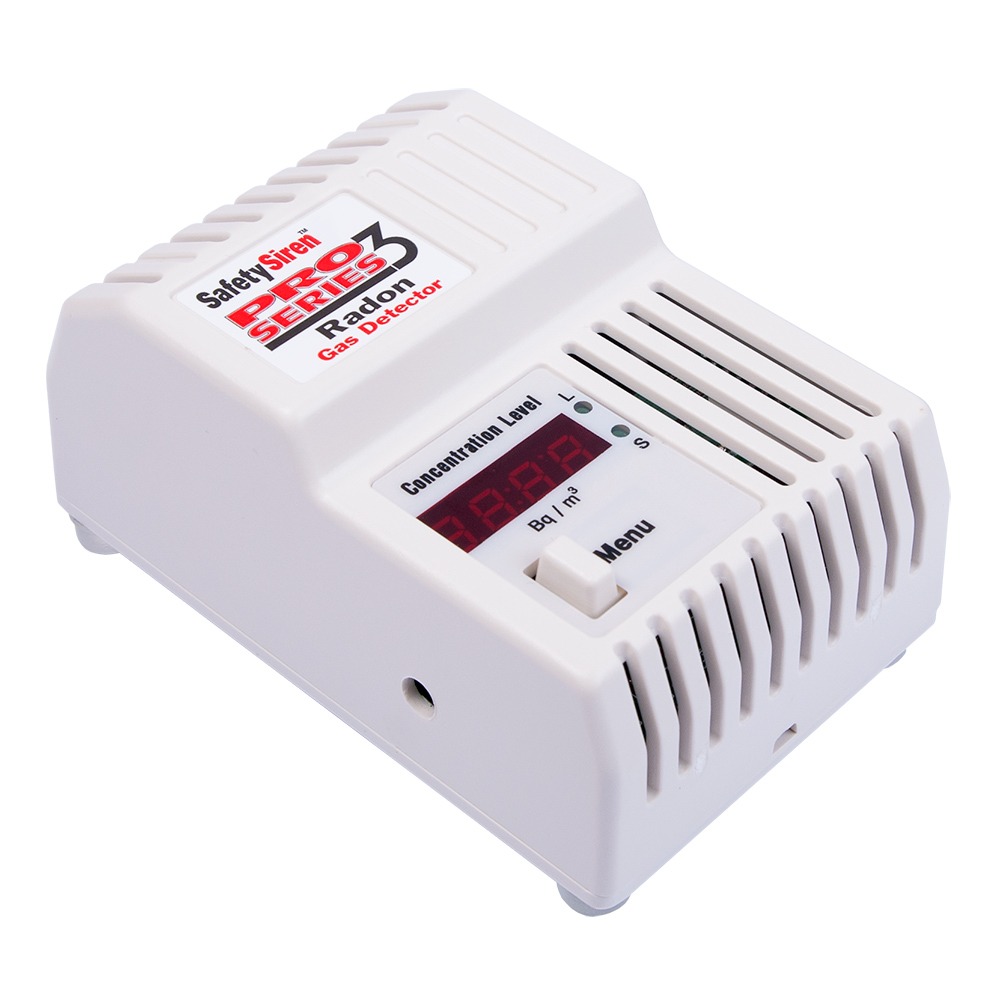
Safety Siren Pro Series3
Price on request
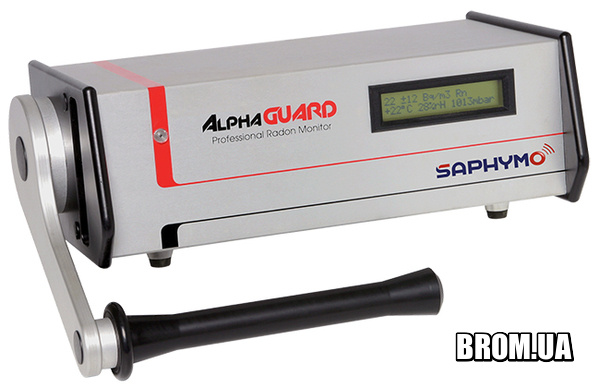
Saphymo AlphaGUARD PQ2000 Radon Monitor
Price on request
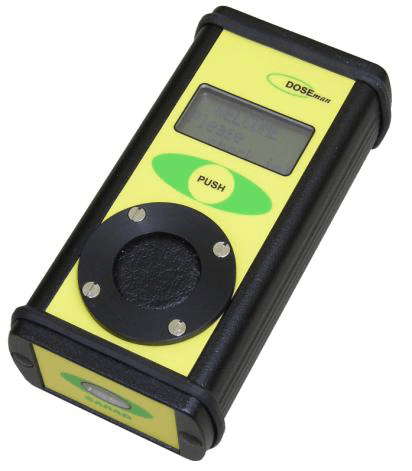
DOSEman
Price on request
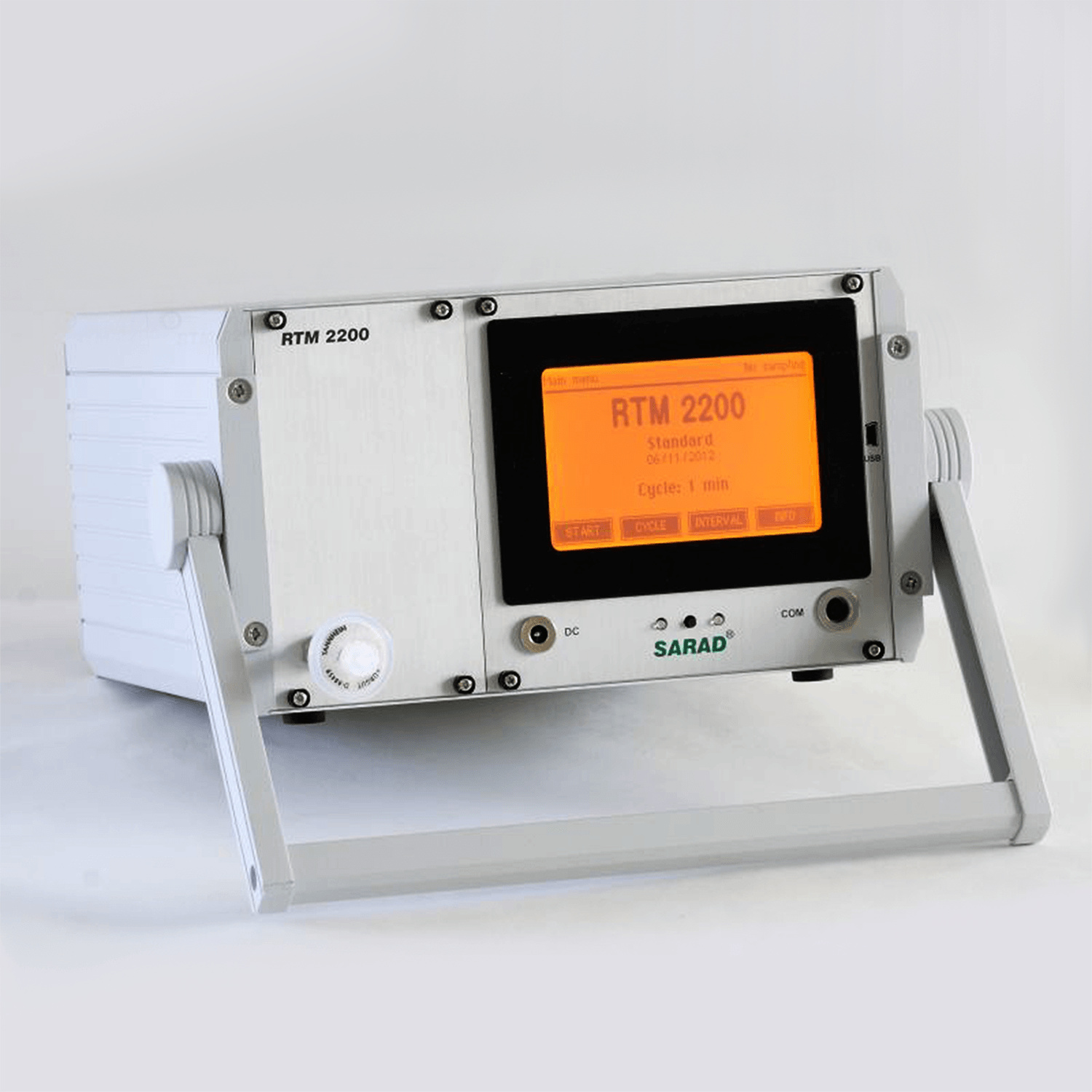
SARAD RTM2200 Radon/Thoron Monitor
Price on request
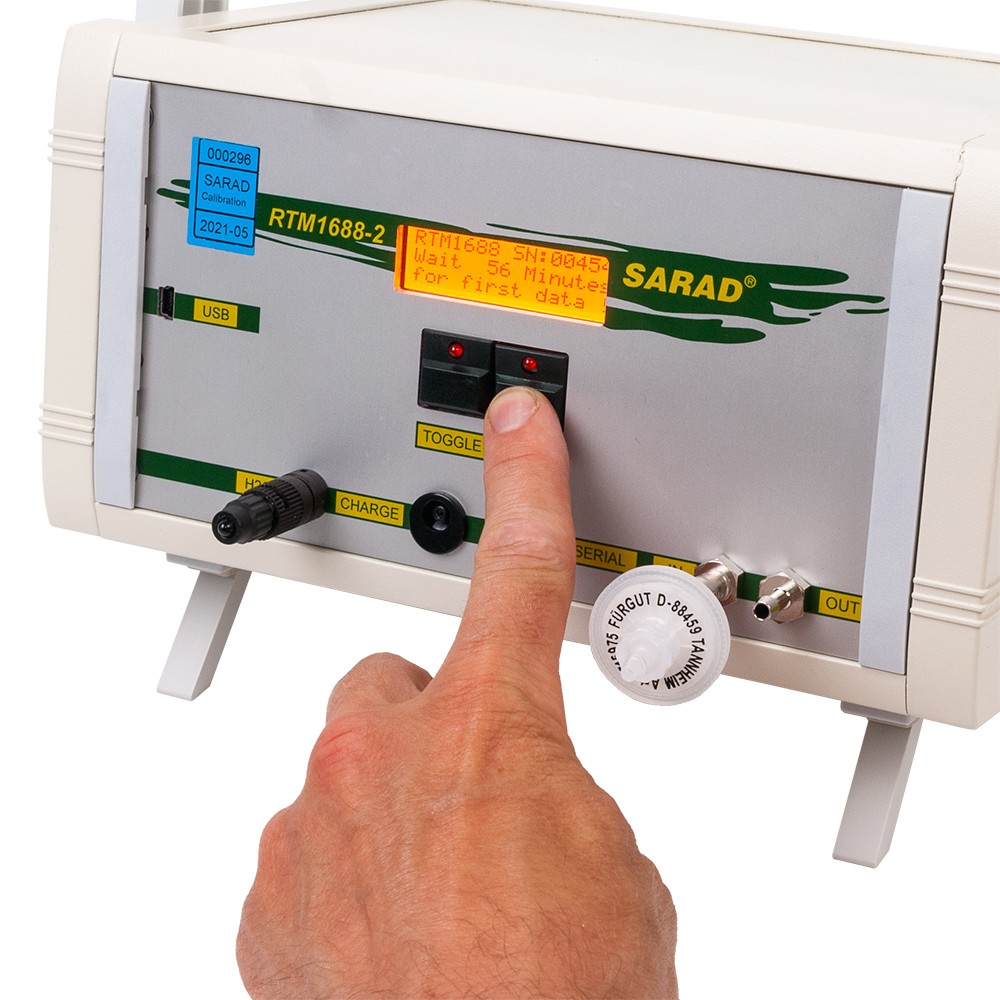
SARAD RTM1688-2 Radon/Thoron Monitor
Price on request

SARAD RPM 2200 Radon and Thoron Progeny Monitor
Price on request
RADON SCOUT
Price on request
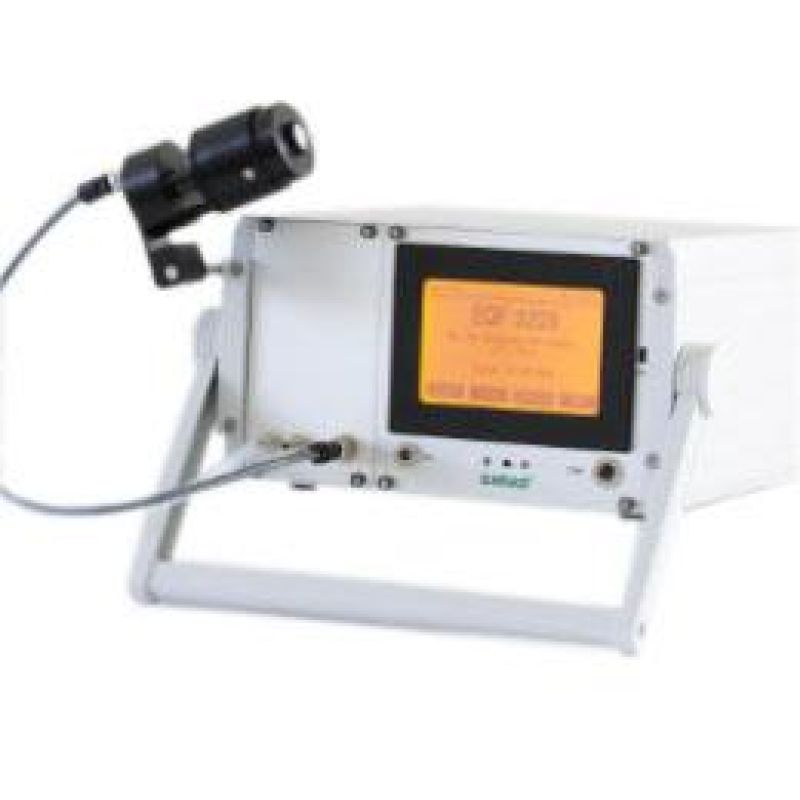
SARAD EQF 3220 Radon/Thoron Monitor
Price on request
SARAD EQF3200 Radon/Thoron Monitor
Price on request
How to choose
Radon and thoron monitors are needed wherever it is important to monitor air quality from a radiation safety perspective: in homes, basements, workplaces, or during long-term monitoring. To avoid paying extra for unnecessary features, it is worth first determining exactly which substances and parameters the device should measure, how it samples air, and how convenient it is to work with the data.
What the device should measure
First, check whether you need monitoring only for radon Rn-222 or also for thoron Rn-220. Radon is often sufficient for basic air monitoring, but if a more complete analysis is important, it is better to choose a model that explicitly lists both isotopes.
Also consider exactly which measured parameters the device supports. This category includes models for radon, thoron, radon concentration, gamma radiation, and radon decay products, as well as devices supporting EEC, PAEC, equilibrium factor, and progeny. The broader the range of measurements, the better suited the monitor is not only for a one-time check but also for a more detailed analysis of indoor conditions.
Air sampling and operating modes
The sampling method has a major effect on the intended use. Diffusion is suitable for steady long-term monitoring, while pumped sampling is useful where controlled air delivery or a faster device response is important. There are also versatile options that combine diffusion and pumping.
If the device has a built-in pump, pay attention to its type as well. The catalog includes models without a pump, along with options with a diaphragm, rotary vane, or rotating plate pump. Radon measurement modes are also important for everyday use: fast mode is convenient for quick assessments, slow mode provides a more stable picture, while pulse or flow mode is better suited to specialized tasks.
Measurement range and accuracy
If you plan to take measurements under different conditions, compare the stated concentration measurement range and the radon measurement range separately. The catalog includes models with no specified radon measurement range, as well as options with a very broad range of 1 - 10 000 000 Bq/m³. The more clearly the manufacturer describes the device's operating limits, the easier it is to assess whether it is suitable for your specific tasks.
The maximum error is no less important. The catalog includes values from 5 to 20% for concentration accuracy and radon measurement accuracy. A lower error percentage is especially useful if you are comparing similar results or want to rely more confidently on threshold values.
Power and battery life
Choose the power source based on how the device will be used. AC power is convenient for permanent installation, a rechargeable battery or replaceable batteries are suitable for mobile checks, and 12 V vehicle power may be useful for certain field scenarios.
Continuous operation time in this category ranges from 100 to 2160 hours. If the device will operate without constant supervision, a low battery indicator and auto power-off can be useful so that you do not lose control because of a drained battery or unnecessary power consumption.
Display, controls, and data transfer
For everyday use, it is important how you will read measurements and change settings. The catalog includes models with LCD displays, LED indication, and no display. Control types include touch controls, regular buttons, and extremely simple one-button operation.
If you need to store measurement history or transfer data to a computer or monitoring system, check the communication interfaces. Available options include USB, RS-232, RS-485, LTE, and Modbus RTU. Proprietary software may also be useful for working with results, including dCONFIG, dLIBRARY, dVISION, Windows software, Radon Vision, data export, or a configuration utility.
Installation conditions and alerts
If the monitor will be installed in a basement, utility room, or another demanding environment, check the allowable operating temperature range and operating humidity range, as well as the IP rating. This will help you understand whether the device can withstand actual operating conditions rather than just a short test in a room.
Alarm and indication modalities are also important for monitoring exceedances. A visual LED signal is convenient for local observation, an audible signal is useful when you need to hear an alert immediately, and a relay signal output can be useful if connection to external automation or an alert system is planned.
Tips
- If you need a device for your home, first determine whether monitoring radon Rn-222 is sufficient or whether you also need thoron Rn-220 support.
- For long-term unattended monitoring, it is more convenient to choose a model with long continuous operation time, a battery indicator, and data transfer to a PC or network.
- If a quick check is important, pay attention to fast measurement mode and the availability of pumped sampling or a pump.
- When results are needed for serious comparisons, consider not only whether the device measures but also its stated maximum error: a lower percentage is more practical.
- For basements and utility rooms, do not overlook operating conditions and the IP rating, even if the other specifications look appealing.